



Summary: អត្ថបទនេះផ្តល់ការប្រៀបធៀបជាលម្អិតរបស់ម៉ាស៊ីន HPGR និង SAG ជាមួយនឹងការផ្ដោតអំពីប្រសិទ្ធភាពថាមពល លក្ខណៈប្រតិបត្តិការរបស់ពួកវា ការចាក់ច្រើន ប្រតិបត្តិកម្ម និងឥទ្ធិពលរបស់ពួកវាពីចំណុចទូលំទូលាយលើការស្រើយសមាសធាតុ។ ...
ការលាយរាបគឺជាគ្រឿងចាក់ដែលមានសារសំខាន់ក្នុងដំណើរការរបស់ធាតុរ៉ែ។ វាប្រែប្រួលយ៉ាងច្រើនចំពោះប្រសិទ្ធភាព និងសេដ្ឋកិច្ចនៃប្រតិបត្តិការពាក់ព័ន្ធក្នុងពេលក្រោមដូចជាការលើកទឹក ការបង្ហូរទឹក និងការវាយបញ្ចូល។ វ៉ាឌឺនឺវិញទាំងនេះគឺជាគន្លងដែលចំណាយថាមពលធំជាងគេក្នុងរោងចក្រទីកន្លែងរ៉ែ ដែលជារឿយៗជាសមាសភាគលើស 50% នៃការចំណាយថាមពលទាំងមូលនៅលើកន្លែង។
តាមប្រពៃណី ស្ប៉ែ្មនក្របខ័ណ្ឌបរេក្ស (SAG) mills បានក្លាយជាមូលដ្ឋានសំខាន់នៃរង្វង់កំណត់លិបិចដំបូងនៅក្នុងប្រតិបត្តិការលោហ។ ទោះយ៉ាងណា ជាមួយនឹងការចាប់អារម្មណ៍កើនឡើងនTowardsនបច្ចេកវិទ្យាការបម្រែបម្រើដែលមានប្រសិទ្ធភាពអាម៉េសិងសីុននិស្ស័យ, ឧបករណ៍គ្រឿងកំប្លែងកំដៅខ្ពស់ (HPGR) បានបង្កើតចេញជាជំនួសដោយសារមានសមត្ថភាពជំនួសឬបន្ថែមគ្នា។
អត្ថបទនេះផ្តល់ការប្រៀបធៀបជាឆ្នើមរវាងម៉ួល HPGR និង SAG ដែលផ្តោតសំខាន់លើពីរភាគនៃប្រសិទ្ធភាពថាមពល លក្ខណៈដំណើរការរបស់ពួកគេ ចំណុចប្រមូលផល ការថែទាំ និងផលប៉ះពាល់របស់ពួកគេចំពោះការរីកចម្រើនឧស្ម័ន។ការយល់ដឹងពីភាពแตกต่างទាំងនេះមានសារៈសំខាន់សម្រាប់វិស្វករក សម្របសម្រួលកម្ងល់ និងអ្នកដំណើរការផលិតផលដើម្បីបង្កើនប្រសិទ្ធភាពម៉ាស៊ីនសំរាប់ដំណាក់កាលកន្សែង កាត់បន្ថយចាយចំនាយប្រតិបត្តិការនិងបន្ថយផលប៉ះពាល់ដល់បរិស្ថាន។
ម៉ាស៊ីនសឹកសមាជាតិកកុំ (SAG)
SAG mills are large, rotating cylindrical vessels partially filled with ore and a small proportion of steel grinding media (balls). The ore itself acts as grinding media, hence the term “semi-autogenous.” The grinding mechanism involves impact, attrition, and abrasion as the mill rotates, tumbling the ore and balls to reduce particle size.
ម៉ាស៊ីនសេហ្គាសម្រាប់កោសិកាខ្ពស់ត្រូវបានប្រើយ៉ាងទូលունդទូលាយក្នុងការរុំសព្វអេដ្ឋការដោយសារតែសមត្ថភាពក្នុងការដឹកទំនិញច្រើន និងអាចទន់ទនួលប្រភេទរាល់សារធាតុរ៉ែមួយ។ វាត្រូវបានអង្គុយជាការធ្វើលើក្រោយដោយម៉ាស៊ីនបាល់សម្រាប់ដំណាក់កាលក្នុចក្រាស់ប្រែ។

ឧបករណ៍គ្រឿងកំប្លែងកំដៅខ្ពស់ (HPGR)
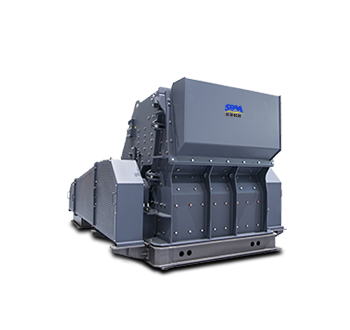
បច្ចេកវិទ្យា HPGR សម្របសម្រួលដោយម៉ាស៊ីនបញ្ចូលរំញេចដែលមានริមពីរដែលបង្វិលបែបប្រឆាំងគ្នាដើម្បីប窶ញស្រទាប់រ៉ែក្រោមសំពាធខ្ពស់។ សំពាធខ្លាំងនេះបណ្តាលឱ្យមានរបាំងតូចៗ និងកំណត់សមាជិករវាងកణ្រ ធ្វើឲ្យមានការថយចុះនៃទំហំ។ ម៉ាស៊ីនបង្វិលទាំងនេះត្រូវបានរចនាឡើងឱ្យដំណើរការដោយសំពាធដែលខ្ពស់ជាងមួយចំនួននៃម៉ាស៊ីនបំបែងចុះធម្មតា។
HPGR កើតចេតនាសម្រាប់ការចម្រោះឆ្នូតថាមពលមានប្រសិទ្ធភាព និងសមត្ថភាពក្នុងការកែលម្អដំណើរការចុងក្រោយដោយផលិតចំណែកកាត់តមានទំហំស្មើសមាជាងគ្នា និងបង្កើនការរួមផ្សំរ៉ែ។

ការប្រៀបធៀបប្រសិទ្ធភាពថាមព relic
Energy consumption is one of the most significant operational costs in mineral processing. ការកិន can account for up to 50% of a plant’s total energy use. Therefore, selecting the most energy-efficient technology is crucial for economic and environmental sustainability.
ការប្រើប្រាស់ថាមពលក្នុងម៉ាស៊ីន SAG
ម៉ាស៊ីន SAG គឺប្រើប្រាស់ថាមពលយ៉ាងច្រើនដោយសារជិះវាតមន្ទីរសំរាប់ក្ដារពុម្ពធំមួយនៃរ៉ែ និងមីឌា។ ធាតុថាមពលត្រូវបានផ្តល់ជារបាយ៉ាងតាមអន្តការនិងអារម្មណ៍ ប៉ុន្តែភាគច្រើនត្រូវបានបាត់បង់ជាសីតុណ្ហភាព សូរ និងការចងក្រង។ បន្ថែមពីនេះ ម៉ាស៊ីន SAG ធម្មតាបង្កើតការចែកចាយសំរបសំរួលស្លាបមានទំហំធំ និងមានចំនួនរ៉ែខ្ពស់ ដែលអាចនាំអោយមានការប្រាស្រ័យមិនគ្រប់គ្រាន់ និងការបាត់បង់ថាមពល។
ការប្រើថាមពលធម្មតាសម្រាប់ម៉ែស៊ីន SAG ផ្លាស់ប្តូរតាមការខ្មៅកន្ទុយរបស់រ្យ, ទំហំការផ្តល់អាំង, និងការរចនាម៉ែស៊ីន ប៉ុន្តែជាទូទៅមានចន្លោះចន្លោះ 15 ដល់ 25 kWh ក្នុងមួយត្នោតនៃរ្យដែលបានដំណើរការ។
ការប្រើប្រាស់ថាមពលក្នុង HPGR
បច្ចេកវិធី HPGR ប природផ្ដាំថាមពលបង្កើតភាពចេតនាឲ្យកើតមានច័ន្ទតូចៗក្នុងបណ្តុំគ្រាប់ ដែលត្រូវការថាមពលតិចជាង ដើម្បីសម្រេចបាននូវការកាត់បន្ថយទំហំដែលត្រូវការ។ ការសិក្សាជ្រើសរើសបង្ហាញថា HPGR អាចផ្ដូរថាមពលបានចំនួន ២០% ដល់ ៤០% ប្រៀបទេរ្សណាស់ដែលប្រើសម្រាប់ម៉ាញ់ SAG ដើម្បីទទួលបានលទ្ធផលដដែល និងទំហំផលិតផលដដែល។
ប្រសិទ្ធភាពថាមពលរបស់ HPGR ជ()?>មួយសារធាតុចែកផ្លាស់ប្តូរឧណ្ហកប៉ុន្តែបណ្តាលឲ្យការខូចខាតច្រើនឡើង។ ការរំញោចឧស្ដុងរវាងកणធាតុបណ្តាលឲ្យការចែកចាយទំហំកចេណៗកាន់តែងតែល្អ, ចាំបាច់ឲ្យពួកវាលែងបង្កសេរ៉ូនឧបករណ៍តិចបំផុតដែលប្រើថាមពលបន្ថែមក្នុងដំណើរការខាងក្រោម។
ការចែកចាយទំហំគន្លឺនិងការលាងប្រឡោះ
ការចែកចាយទំហំគន្លឺ (PSD) និងកម្រិតនៃការលាងប្រឡោះមីនសាទត្រូវឥទ្ធិពលដោយផ្ទាល់ទៅលើប្រសិទ្ធភាពនៃដំណើរការបំបែកបន្ទាប់។
PSD ក្នុងមីល SAG
ម៉ាស៊ីន SAG តែងមានលក្ខណៈផលិត PSD ប្រហែលគ្រប់ផ្ទៃរួមមាន បំណែប្រហែលសំខាន់នៃឧបករណ៍តូច និងភាគច្រើនតូច។ ការមានឧបករណ៍តូចច្រើនពេកអាចបញ្ហាប្រទាក់ច្របាច់និងការបំប្លែងដោយធ្វើឲ្យការប្រើប្រាស់សារធាតុប្រតិបត្តិឧស្ម័នកើនឡើង និង បាត់បង់ការជ្រើសរើស។ ការច្រាស់រ៉េនផងដែរ នាំអោយមានចំណាយថាមពលបន្ថែម និងបញ្ហាការចងចាំអាចកើតឡើង។
PSD ក្នុង HPGR
HPGR បង្កើត PSD សមផ្ដុំតែមួយមានកាកបន្ថយតូចៗ។ សំពាធខ្ពស់បណ្តាលឲ្យកើតសាច់សំណុំនៅកម្រិតមិគ្រិតដែលជួយបញ្ជាក់ទុនមាសឲ្យចំហារឲ្យកាន់តែសេរី ដោយមិនបង្កើតកិនតូចៗបេីច្រើន។ ការលែងចេញមុខនេះអាចបផ្លាស់ប្តូរទៅឱ្យមានអត្រាទាញយកថ្មខ្ពស់ក្នុងដំណើរការសម្រួលកម្រិត និងដំណើរការផ្សេងទៀត។
ការបញ្ជូនផលិតផល និងសមត្ថភាព
សមត្ថភាពម៉ឺនស៊ឺស៊ាសាំង
ម៉ាស៊ីនស្កានសាគ (SAG mills) មានសមត្ថភាពចុះចតប្រេងធនធានមានទំហំធំបំផុត ដោយវាធ្វើការទទួលសំណល់ច្រើនជាង ២០,០០០ តោន ក្នុងមួយថ្ងៃ នៅក្នុងប្រតិបត្តិការរបស់កម្រិតធំបំផុត។ ភាពរឹងមាំ និងសមត្ថភាពក្នុងការបំលែងប្រភេទរែកផ្សេងៗគ្នា ឱ្យហួសចូលទៅក្នុងជម្រើសចម្បងសម្រាប់ប្រើប្រាស់ក្នុងរបារចង្រ្កានកម្មដំបូង។
然而,SAG磨需要大量的资本投资,且由于能源消耗和维护,运营成本很高。
HPGR产能
HPGR单元还可以处理高通量率,并且越来越多地被集成到大规模磨矿电路中。它们通常与球磨机结合使用,以优化磨矿效率。
HPGR’s compact design and lower energy requirements make them attractive for new installations and plant expansions.
操作和维护考虑事项
ម៉ាស៊ីនសាក ឌីណាមិច
ម៉ាស៊ីន SAG មានសមាសភាពច្រើនដែលចលនា ប្រើស៊ុមអេឡិចត្រូនិក និងបញ្ចូលឧស្ម័ន ការជួសជុលនិងប្តូរយ៉ាងទៀងទាត់។ ដំណើរការជួសជុលអាចចំណាយពេលវេលា និងថ្លៃច្រើន ដោយសារត្រូវបិទម៉ាស៊ីនយ៉ាងតឹងរឹង។
បន្ថែមទៅវិញ ម៉ាស៊ីន SAG បង្កើតស្រាលយ៉ាងខ្លាំងនៃសំលេង និងការរំញោច, ដែលតាមដានការចាំបាច់ត្រូវការគ្រឿងចក្រ ឧបករណ៍គាំពារពេញសមត្ថភាព និងការត្រួតពិនិត្យបរិស្ថាន។
HPGR
ឧប ករណ៍ HPGR មានផ្នែកចលនាថ្មីតិច ក្រោមស្តង់ដាចម្បងគឺវ៉ានិងប្រព័ន្ធជំនួយដើម្បីដឹកជញ្ជូន។ ទូទៅវ៉ានឹងឆ្លងពីការស្រែកអក់ ពិសេសពេលដំណើរការពាច់ខ្លាំងៗសម្រាប់ឧរស្ម័នឧស្សាហកម្មដែលមានរាំងខ្ពស់ អំឡុងពេលថែទាំត្រូវច្រើន អាចមានចែកចាយពេលយឺត និងមានការចាប់ផ្តើមការងាររំខានតិច។
ការប្រតិបត្តិ HPGR ត្រូវការត្រួតពិនិត្យជាប់យ៉ាងម៉ត់ចត់ចំពោះទំហំចូល និងការចែកចាយចូលដែលមានសមភាព ដើម្បីមិនឲ្យមានការជ្រាស់ទំហំនៅកន្លែងខុសគ្នា និងសម្រួលប្រសិទ្ធភាព។
ឥទ្ធិពលបរិស្ថាន
ប្រសិទ្ធភាពថាមពលរបស់ HPGR ប្រែទៅជា ការបញ្ចេញបរិមាណឧស្ម័នហ្គាសធម្មដ្ឋានតិច និងធុងកាបូន តិចជាងមាស SAG។ បន្ថែមទៅទៀត ការបង្កើតឧស្ម័នខ្មៅចំហុយ តិចឡើង អមដោយការបញ្ចុះបញ្ចូលកំហុសបំភាន់ និងបញ្ហាការចែកចាយខិន និងការដឹកជញ្ជូន សម្រាប់កាកសំណល់។
ទំហំខ្លួងខ្លីរបស់ឧតុន្យ HPGR ផងដែរមានការកាត់បន្ថយការប្រើប្រាស់ដី និងការរំខានបរិស្ថានដែលពាក់ព័ន្ធ។
ធ្វើដូចម្តេចដើម្បីជ្រើសរើសម៉ាស៊ីនបូកសំរាប់សមរម្យ?
ស្ទួយ ធ្វើម៉ូលិស និង ម៉ូលិស SAG មានលក្ខណៈប្រយោជន៍ និងកម្រងខ្លួនផ្សេងគ្នា។ ម៉ូលិស SAG តែងតែនៅស្ថានភាពជាបច្ចេកវិទ្យាដែលបានបញ្ជាក់ថាអាចដោះសោតឧស្សាហកម្មថាមពល និងតម្រូវការចលនាជាច្រើន។ ទោះយ៉ាងណា ការចំណាយថាមពលខ្ពស់ និងការទាមទារជួសជុលដែលត្រូវការមានវិធានការត្រូវបានថ្កោលថ្លែងជាការប្រឈម នៅក្នុងបរិបទនៃការឡើងនៃថាមពល និងគោលដៅសេដ្ឋកិច្ចច្រកប្រមូលផ្តុំ។
HPGR ផ្តល់ជំនួសដ៏មានប្រសិទ្ធភាពដោយមានប្រសិទ្ធិភាពថាមពលផ្ទៃក្នុងល្អប្រសើរ ការចែកចាយជាស៊ីមឡើងនៃទំហំកணិត និងការអោយសេរីភាពជ минераល។ ភាពសាមញ្ញក្នុងប្រតិបត្តិការរបស់វានិងការរក្សាសមតុល្យថ្លៃថ្នូរក្នុងការរីកចម្រើនកាន់តែប្រសើរឡើងផងដែរ។
In modern mineral processing, a hybrid approach often yields the best results—combining HPGR for initial size reduction with ball mills or SAG mills for finer grinding stages. This integration optimizes energy use, throughput, and recovery, aligning with both economic and environmental objectives.


 ទទួលបានដំណោះស្រាយ
 ផ្ញើសារជាវិញ្ញាណ