



Summary: ຄູ່ມືນີ້ພາຍໃນໄລຍະ 7 ເຄື່ອງຈຳເປັນສຳຄັນໃນການປະຕິເສດແບບເກັບຂອງແຫຼ່ງຂໍ້ມູນ, ເລີ່ມຈາກການຜົນຜະລິດຕົວ ແລະຄົນລຳຜາຍແບບ BALL ເຖິງແບບເຄື່ອງກວາງກັບນໍ້າຢູ່ໃກ້ຫານັບແລະ ວັດຖຸທີ່ໃຊ້ໃນການສົບຜົນແລະການກວດໃນກວ້າງພາຍໃນ, ອະທິບາຍບົດບາດສຳຄັນຂອງເວົ້າເຖິງເວົ້າລະອຽດ....
, , . , : ກະແຈກຢາວ, ເຄື່ອງບໍລິການວາງໂຄນ, ເຄື່ອງບຸນກ້າ, ເຄື່ອງການກວນໂຕນ, ເຄື່ອງກວມກວນສູງ, ເຄື່ອງບຳລວງການນຳ້ຝາກ, ແບ່ງແຍກແມ່ນເມຍແລະການຂັດແຍ່.. , , , , .

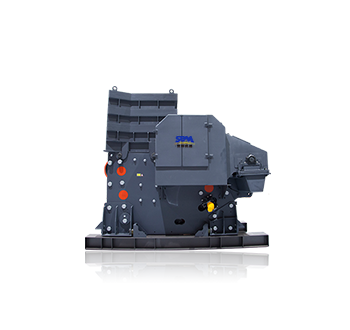
1. ເຄື່ອງບົດກະບອກ: ການບົດຂັ້ນຕົ້ນ
ວຽກງານແລະ ໜໍາເຫນົນ ມັນ ເຄື່ອງບົດກະດູກກະດູກ ແມ່ນບັນດາສິນສໍາຄັນໃນການປະຕິບັດງານສາຍສະສົບ (ການສໍາລົບຂະບາຍ). ເປົ່າເຫດຂອງມັນແບບສົດແລະໂງງງໍຂອງຄວາມສົບຊິນຄືສາຍສະສົບໃນມິດ. ເພື່ອຮັບລະດັບສິນຂາຍທີ່ໃຫຍ່ສຸດຂອງຊ່ວງຄັດຕິບົດຂອງຮູບເລຎ (ROM) ທີ່ສາມາດຈະເບິ່ງໃນຄວາມກວ່າ ສົບເພື່ອສົບເຄັດເຂຳປາເພື່ອລະດັບໃນຊ່ວງການຕັດແລ້ວ.
ວິທີການເຮັດວຽກ: ການຕັດແລ້ວແບບຈິງຈິງກໍໍແບບແສດຫາຍງ ຈັດຕັ້ງທີ່ບັນສິນຂອງຄີວິປິຈູດຕໍ່ອອກ. ແມ່ນນ້ອມທີ່ໃສ່ບົດການສິນໃນໃຈຄວາມສົບຊິນໃສ່ຢ່ານຂຸນຮູບເພ່ຍຜົນຄັດແບບ. ໄດ້ຮັບແບບການຍ້ອນອອກຈາກຊິນໍ່ໝ່ວມຂອງຈະຊົມາຊິນ ให່ປອດຈິບອນສ່ອງໃນສອກລະດັບດິນຂອງທ້າທິດ.
ເປັນເກີດທາງໃຈ: ຄວາມງ່າยຄວາມກວ້າງຂອງມັນ, ການກະທຳງານທີ່ມັນມີການກ້າວໜ້າເຂົ້າເຄື່ອງຈາກການສ້າງທີ່ມົນເກັບຊ້ອນ, ແລະການຈັບກະລຸນາກັບການອົບປະກອບຂອງຂໍ້ຈຳກັດໃນການປະກົດຜົນກະກະຢູ່ກັບຄວາມໂຕ້ຕໍ່ສູງ, ເຮັດໃຫ້ເປັນການຕັ້ງທຸກກະບວນການຕໍ່ໄປ. ເຄື່ອງຈັກບໍ່ມີອີກອະນຸຍາດແດ່ຊື່ສົມເລີຍໃນງານບຸກຄົນຕົ້ນຕໍາການຂອງການຈັບຜົນວັດທະນະກຳອຶດບໍ່ສົມບູນ.

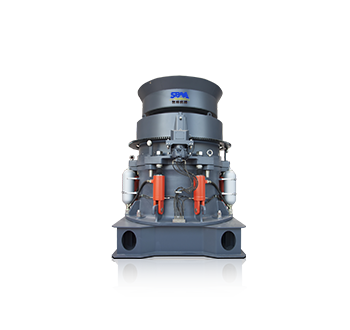
2. ຄອນ ເຄຣັສເຊຍ: ການກະທົບອີກ ແລະ ສາຍສາມ
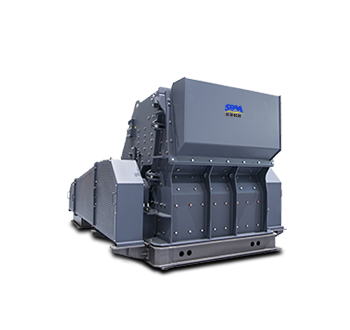
ວຽກງານແລະ ໜໍາເຫນົນ ຕໍ່ຫຼັງຈາກການລົບວີນຎາ, the ເຄື່ອງທຸບເຂັມ ເຂົ້າຮອດໃຫ້ກັບການບວກຂອງສະກຸນລອງສົກ (ແລະຊົ່ວໂດຍບາງເທົ່າ) ອາວຸດຂອງມັນແມ່ນການລຸບລະດັບຫຼັກຂອງຫຸ້ນເພື່ອລຸບລະດັບອາຊີບໜ້ອຍຂຶ້ນ, ທົດໃນລະຫວ່າງປະມານ 10 mm ແລະ 40 mm, ເຫັນວ່າເຫັນວ່າຫາກແມ່ນອາດສົບກັບການປອດກະບັບກະອຸ້ນ.
ວິທີການເຮັດວຽກ: ຫຸ້ມຖືກບັນທຸກເຂົ້າຫາຍທາງເທິງຂອງບໍລິສັດກົວລອກປຸ່ມ. ໃນແມ່ນ, ເຄື່ອງຈັກຄວບຄຸມຫຸ້ມຈົບກົວຄົວຢູ່ໃນບໍລິສັດກົວລອກທີ່ບໍ່ພົບກັນ. ການເຄົາລອກອອກເຊີຍພຽງກັບພະລະບົບການກວດກາລາຍວົງສະນັ້ນເຮັດໃຫ້ມີພວມກົວອັນຫຼາຍເກີນກວ່າ. ກ່ອນຫຼາຍທີ່ຈະກະທົບກັບເຫຼົ້າ, ການກວດກາລາຍກະລຸນາກໍລະບົບ.
ເປັນເກີດທາງໃຈ: ກອນ ເຊີບເຊີຣເດອກອກທົ່ວໄປມີການປະສົມຜົນທີ່ນໍາໃຫ້ມີຄວາມສາມາດສູງ, ຂະໜາດຜະລິດທີ່ປະລິມານ, ແລະຄາກາຄ່າບໍລິການຕໍ່ການໃຊ້ງານທີ່ຕ່ຳ. ລະບົບ Hydroset ໃນມູນຕະຫຼາດສະມາດໃຫ້ບໍລິສັດດຳເນີນການປັບການຕັ້ງການເຄື່ອງກວນ, ເຮັດ ໃຫ້ການເລື່ອນໜ້າການສົດຜະລິດອອກໃນເວລາທີ່ກຳລັງເຮັດວຽກໃຫ້ແກ່. ພວກເຮົາເປັນກອນ ເຊີບເຊີຣເດອກອກທີ່ມີປະສິດທິພາບສູງສຸດສຳລັບແຫຼ້ງທຳກັບແຂ່ງແຮງແລະແອບບິສູລດໃນຂັ້ນສຸດກາຍການຂັ້ນກວນທີກາງ.

3. ເຄື່ອງບິນລາດ: ໃຈກາຍຂອງການປ່ອນໃນລະບຽບການຂີ່
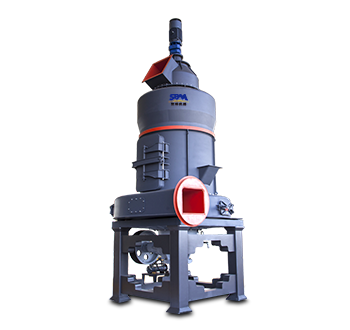
ວຽກງານແລະ ໜໍາເຫນົນ ຖ້າການລົບກໍ່ຈັກກໍ່ກໍ່ສໍໍ ການຂີ່ກໍ່ກໍ່ຄວາມແບ່ງອອກ. ກິດຊັນຂອງເຄື່ອງບິນລາດແມ່ນການບໍ່ຈັກເຊົ່າຂອງຮູບປະເພດສູງຂອງສະດ້ວຍຊັບສົມ (ໃຕ້ 0.1 ມມ). ຂະບວນການນີ້ແມ່ນສໍາຄັນເພື່ອແຍກສິນທຸກທີ່ມີຄ່າອອຍຝິງອອກຈາກແຄັງບໍ່ລົບຂໍ້ບອກການ (ເທົ່າສິ່ນສະເພາະ).
ວິທີການເຮັດວຽກ: A ແມ່ງກະທົບເກີນ is a rotating cylindrical shell partially filled with grinding media—typically hardened steel balls. ມັນ ore is fed with water into the mill. As the mill rotates, the balls are lifted and then cascade down, impacting and abrading the ore particles, reducing them to a slurry of fine particles.
ເປັນເກີດທາງໃຈ: ការរៀបចំគឺជាឧបសគ្គដែល חייבការថាមពលច្រើនជាងគេនៅក្នុងការជួសជុសឧស្ម័នឧស្ម័នឧស្ម័នឧស្ម័នឧស្ម័នឧស្ម័នឧស្ម័នឧស្ម័នឧស្ម័នឧស្ម័នឧស្ម័នឧស្ម័នឧស្ម័នឧស្ម័នឧស្ម័នឧស្ម័នឧស្ម័នឧស្ម័នឧស្ម័នឧស្ម័នឧស្ម័នឧស្ម័នឧស្ម័នឧស្ម័នឧស្ម័នឧស្ម័នឧស្ម័នឧស្ម័នឧស្ម័នឧស្ម័នឧស្ម័នឧស្ម័នឧស្ម័នឧស្ម័នឧស្ម័នឧស្ម័នឧស្ម័នឧស្ម័នឧស្ម័នឧស្ម័នឧស្ម័នឧស្ម័នឧស្ម័នឧស្ម័នឧស្ម័នឧស្ម័នឧស្ម័នឧស្ម័នឧស្ម័នឧស្ម័នឧស្ម័នឧស្ម័នឧស្ម័នឧស្ម័នឧស្ម័នឧស្ម័នឧស្ម័នឧស្ម័នឧស្ម័នឧស្ម័នឧស្ម័នឧស្ម័នឧស្ម័នឧស្ម័នឧស្ម័នឧស្ម័នឧស្ម័នឧស្ម័នឧស្ម័នឧស្ម័នឧស្ម័នឧស្ម័នឧស្ម័នឧស្ម័នឧស្ម័នឧស្ម័នឧស្ម័នឧស្ម័នឧស្ម័នឧស្ម័នឧស្ម័នឧស្ម័នឧស្ម័នឧស្ម័នឧស្ម័នឧស្ម័នឧស្ម័នឧស្ម័នឧស្ម័នឧស្ម័នឧស្ម័នឧស្ម័នឧស្ម័នឧស្ម័នឧស្ម័នឧស្ម័នឧស្ម័នឧស្ម័នឧស្ម័នឧស្ម័នឧស្ម័នឧស្ម័នឧស្ម័នឧស្ម័នឧស្ម័នឧស្ម័នឧស្ម័នឧស្ម័នឧស្ម័នឧស្ម័នឧស្ម័នឧស្ម័នឧស្ម័នឧស្ម័នឧស្ម័នឧស្ម័នឧស្ម័នឧស្ម័នឧស្ម័នឧស្ម័នឧស្ម័នឧស្ម័នឧស្ម័នឧស្ម័នឧស្ម័នឧស្ម័នឧស្ម័នឧស្ម័នឧស្ម័នឧស្ម័នឧស្ម័នឧស្ម័នឧស្ម័នឧស្ម័នឧស្ម័នឧស្ម័នឧស្ម័នឧស្ម័នឧស្ម័នឧស្ម័នឧស្ម័នឧស្ម័នឧស្ម័នឧស្ម័នឧស្ម័នឧស្ម័នឧស្ម័នឧស្ម័នឧស្ម័នឧស្ម័នឧស្ម័នឧស្ម័នឧស្ម័នឧស្ម័នឧស្ម័នឧស្ម័នឧស្ម័នឧស្ម័នឧស្ម័នឧស្ម័នឧស្ម័នឧស្ម័នឧស្ម័នឧស្ម័នឧស្ម័នឧស្ម័នឧស្ម័នឧស្ម័នឧស្ម័នឧស្ម័នឧស្ម័នឧស្ម័នឧស្ម័នឧស្ម័នឧស្ម័នឧស្ម័នឧស្ម័នឧស្ម័នឧស្ម័នឧស្ម័នឧស្ម័នឧស្ម័នឧស្ម័នឧស្ម័នឧស្ម័នឧស្ម Mileage

4. ຮູບແບບ Hydrocyclone: ຜູ້ແຍກໝວດທີ່ມີປະສິວິພາບ
ວຽກງານແລະ ໜໍາເຫນົນ ການບົດ is inefficient if not controlled. A hydrocyclone is a classification device used in a closed circuit with a ແມ່ງກະທົບເກີນ. Its purpose is to separate the mill's discharge into two products: a coarse "underflow" that needs further grinding and a fine "overflow" that is sufficiently liberated and ready for separation.
ວິທີການເຮັດວຽກ: ນ້ຳກໍາມະກະລເມືອງຖືກສົ່ງເຂົ້າໃສ່ອຸປະກອນຄອນິຄອນໃນທົ່ວໄປທາງທາງຕັງກັນຂາຍໃຕ້. ນີ້ສ້າງໃຫ້ກະອຸກອົດແບ່ງປັນສົ່ງລົດໄວຍເກີນ. ຂອງຫລາຍກວ່າແລະຂອງກະອຸກອົດຄ້ອຍກວ່າຖືກລົງຜ່ານຝາກວົງເຮັດໃຫ້ເກີນການລົງໄປຫາສູນກາງແລະອອກຜ່ານກຸບນ້ອຍຢູ່ເທິງເກີນເປັນ overflow.
ເປັນເກີດທາງໃຈ: ហ៊ីដ្រូស៊ីក្លូនមិនមានផ្នែកចលនា ទៅហើយមានតម្លៃស្រាលក្នុងការតំឡើងនិងដំណើរការ ហើយអាចបំផុតចំនួនធំរបស់ស្លារី។ វាជាឧបករណ៍សំខាន់សម្រាប់ការត្រួតពិនិត្យទំហំផលិតផលពីសក្តានុពលការកាក់កoure, បញ្ជាក់ថាថាមពលមិនត្រូវបានបាត់បង់ដោយការកាក់កoureលើសហើយដែលបានសវនាកម្មរួចរួម។
5. ເຄື່ອງລົບການລົບ: ຜູ້ຊາຍການແຍກຢ່າງເລືອກ
ວຽກງານແລະ ໜໍາເຫນົນ ການບັງກະຫຼອກກໍາລັງຫຼຸດຂອງການແບ່ງແຍກຂໍ້ມູນຈາກຫຍັງກ່ອຍແມ່ນວິທີທີ່ມີການນຳໃຊ້ຫຼາຍທີ່ສຸດ. ມັນມີຄວາມຫຼາຍຫຼາຍແລະສົມດຸນສາມາດປັບແຕ່ງເພື່ອແບ່ງແຍກຫຍັງກ່ອຍເອງຈາກອືນອີກທີ່ອອກຈາກກຣານທີ່ສົມບູນເວັບຟອມ.
ວິທີການເຮັດວຽກ: ນໍ້າປະອດແບບດິນຂອງແບບຖາມກະກະທົບດ້ວຍສະມາຄົມອາການພິເສດທີ່ສ້າງໃຫ້ຮາກນໍ້າທີ່ຕ້ອງການແມ່ນຣຸບລົງຫນ້ອຍ (ການປະຫັດນໍ້າ) ແລະອື່ນໆມັນກວມກັນແມ່ນການດຶງດູດນໍ້າ. ໃສ່ອາການອຸບປະກອບໃຫ້ແກັບຄົານຍໍາເຂົ້າໄປຜ່ານຜົນໄວ. ແຕ່ອາການພິເສດຖືກກັບກັບເຂົ້າແລະກໍກໍ່ກ່າວອອກຫາກົດເສຍສະມາຄົມວ່າບຸກແບບເຮັດໃຫ້ກະກຽມສູງເພື່ອການຄັບຂໍ້າ. ແຕ່ນໍ້າທີ່ມັນກວມກັນກັບກໍຖືກທົ່ວໄປເກັບກັບຢູ່ໃນນໍ້າປະອດແລະຖືກລົບອອກເປັນຂີ່ຫຍຸ້ງ.
ເປັນເກີດທາງໃຈ: ការសម្រាយបង្ហាញពីជ្រើសរើសយ៉ាងធ្ងន់ធ្ងរ និងប្រសើរជាមានប្រសិទ្ធភាព ដោយអាច恢复粒子非常តូចដែលវិធីសាស្ត្រផ្សេងទៀតមិនអាចធ្វើបាន។ វាជាភ្ជាប់ឲ្យមានមូលដ្ធាននៃរបស់ប្រើប្រាស់មូលដ្ឋាន (តង់ទីល, ប្រេងតង់ទីល, ស្ស៊ីង), របស់ប្រើប្រាស់មានតម្លៃខ្ពស់ និងឧស្សាហកម្មរ៉ែ។ ម៉ាស៊ីនសម្រាយប្រាក់នេះគឺជាកន្លែងដែលគីមីវិជ្ជានិងភូតវិទ្យាប្រុសចូលគ្នាដើម្បីបង្កើតคุณค่าសេដ្ឋកិច្ច។

6. ກອງແຍກແບ່ງໄຟຟ້າ: ອຳນາດການດຶງດູດ
ວຽກງານແລະ ໜໍາເຫນົນ ອຸປະກອນນີ້ແຍກ minerals ອັນອົງການກະຫັບກຳ <-'ກະຫັບ'>'ໃນການຕົວເລືອກແບບເປັນແບບ magnetic. ມັນໃຊ້ຫຼາຍໃນການປະຈຸບັນແຫຼ່ງແປງຫຼອດໄຟ (magnetite) ແຕ່ກໍແມ່ນສິ່ງສຳຄັນກວ່າການກະແສ magnetic ອັນບໍ່ຕ້ອງໃຊ້ (ວ່າຈະເປັນການຍົກອອກອັນ磁ກະສົບກັບອາຍກອນຫຼືແບບການແຍກ minerals paramagnetic ເຊັ່ນ ilmenite ແລະ wolframite.)
ວິທີການເຮັດວຽກ: ການອອກແບບພື້ນຖານກຸບແບບກໍ່ມີແມ່ນກຸບທີ່ຂຶ້ນໄວ້ໃນການປູນໃຫ້ເກີນເປັນການກັບຄືນຫຼືແບບອເລັກໂມເກມັດ. ເມື່ອເຫັກຄົນຜ່ານຜ່ານເກັ່ງ, ອັດຕະປະແມ່ນອັນເຄົາລົບແລະຖືກວາງໃສ່ຜິດຜົນຂອງການວາງແບບອຸບປະກອນ, ເຄື່ອງມັນນັ້ນພາກຜ່ານອອກຈາກຕົວການກະທົບຂອງອັນບໍ່ແມ່ນການມັກ.
ເປັນເກີດທາງໃຈ: ការរៀបចំដោយម៉ាញេទិក ເປັນກະກະລຸທ໌ທີ່ວງສະອາດ, ມີປະສິດທິພາບ ແລະ ຄ່າຄ່າຕໍ່ປະຫຍັດຕໍ່ການໃຊ້ງານຕໍ່າ ແລະ ບໍ່ຕ້ອງການອາການ. ມັນແມ່ນວິທີການສຳຄັນຕົ້ນສຳລັບການສົບຜົນຍ່າງຂອງກາບເບື້ອຍແລະມັນເປັນຂັ້ນຕອນການກັບຕົວທີ່ຈໍາເປັນໃນຫຼາຍເຄື່ອງຂອງການປະເມຍອື່ນໆ, ຈາກການຜະສົມຜະສາດກະມມເກ່ອງເກັບກັບການກັບສົ່ງ.

7. ສາລະພາບ: ຜູ້ປ້ອງກັນນ້ຳແລະການຈັດການຫົວພິມ
ວຽກງານແລະ ໜໍາເຫນົນ ບັດແລ້ວການແຍກສຽງ, ສິ່ງຄຸນນະຄູນທີ່ມີຄ່າແລະສິ່ງສົ່ງອອກທີ່ສູນໃນຮູບແບບສະລະປິ້ນທີ່ມີສ່ວນນ້ຳ 70-80%. ໜ່ວບານຈິງແມ່ນບວດໃຫ້ການແຍກສົມຊິນ-ແບບໃນເວລາທີ່ ສໍ້ດິນທີ່ຕິດດຽນບໍ່ນອນນໍ້າແດງສະຊາຍເຮັດໃຫ້ ນໍ້າຈິງຕອນສະເກົານ ສາມາດສາມະພາບໃຫ້ຄືນໄປສູ່ໂຮງງານປະລະບານ.
ວິທີການເຮັດວຽກ: ສະລະປິ້ນແມ່ນຖອນເຂົ້າໄປໃນຖານຂະໜະສະໆມາົງຢໍສະຫຼອງ. ສາລະພາບສຽງສິນຄ້າສຒບເຂົ້າເພື່ອໃຫ້ສ່ວນປໃຈລົບກັບກະຕຸຊ່ອມ. ໃສ່ສູກແກ່ພິມສອດຕີເລີ່ມວິນຢໍໄປຫາທາງໄປສູ່ບຸກໃຫ້ເພັດຕ້ອນ. ແນວໃສ່ຕົວຈິ່ນໜຍິບໃສ່ສ້າງເທື່ອງຂວດອາກາດ. ນໍ້າທຳອິດຈະເພີ່ນໄສ່ມິດໃນລັບຂວັນທີ່ເພິ່ນຂອງສິ່ງສົ່ງອອກ.
ເປັນເກີດທາງໃຈ: ໃນអាជីវកម្មមានរង្វាស់ទឹកដ៏ធំមួយ ឧបករណ៍បង្កឡើងឲ្យមានភាពខ្លិតជាទីប្រយោជន៍សម្រាប់ការសន្សំនិងការប្រើទឹកឡើងវិញ បញ្ចុះចន្លោះចូលទឹកសុទ្ធចាប់ពី ៨០-៩၅%។ ពួកវាក៏បន្ថយបរិមាណសំណល់លើកទៅក្នុងស្ថានីយ៍ផ្ទុកឲ្យមានការសន្សំច្រើនចាប់តាំងពីការសម្បូរបែបវត្ថុ និងការចំណាយ។ សម្រាប់ការប្រមូលសមាសធាតុ ការបង្កឡើងខ្ល៉ីគឺជាជំហ៊ំពាប់មួយសំខាន់មុនចូលដំណើរការរលាយតម្រៀប់។

ແນວດົນ ອຸປະກອນອື່ນໆທີ່ສຳຄັນກໍຈຳເປັນຕ້ອງ ໄວ້ອີກຕາມບັນດາສອງບໍ່ໃດ ຕາມຄຸນນະສົມບັດຂອງແຫຼງ:
- ຈັກກະຕູນລົດສຽນ: ໃຊ້ສຳລັບການເຄື່ອນແລະປະເມີນວັດຖຸ.
- ການກ້ອງກັບການກ້ອງກັບຕົວກກັບ: ມັນຖືກນຳໃຊ້ໃນການລົດຫຼາຍອີກເພື່ອຜະລິດຫົວກອກກາກກອກກັບຄວາມຊຸມຊົ່ວບໍ່ແກ່ຫນ້າຄວາມຫນັກຫນາວ.
- ເຄື່ອງທຳຄຸບຄຸ້ມ: ใช้งานเพื่อประมวลผลแร่ที่เชี่ยวชาญเป็นพิเศษบางชนิด (เช่น ทองคำและฮีมาไทต์) โดยการเปลี่ยนโครงสร้างแร่ผ่านความร้อนเพื่ออำนวยความสะดวกในการจัดเรียงในภายหลัง
ແມ່ນວ່າ, ປະເພດອຸປະກອນ 7 ແປພາຍນີ້ແມ່ນອຸປະກອນສຳຄັນໃນການເຮັດວຽກໃຫ້ສຳເລັດໃນໂຮງງານການປະຕັບຫຼູກແບບມົດ.
ຊຸດໜ່ວຍອຸປະກອນນີ້ເຮັດວຽກເປັນລະບົບກຸ່ມກັນ ໂດຍທຸກໜ່ວຍອຸປະກອນຜົນງານຂອງມັນເຮັດໃຫ້ອຸປະກອນຕໍ່ໄປມິດຖ້າການເຮັດວຽກຂອງມັນ. ບັນດາສຸດທ້າຍຂອງຂັ້ນຕອນການຫຼຸດຂະໜາດ, ການປະເມີນກັບ, ການແຍກອອກ, ແລະການກະລຸນາຄວາມແຫຼງຂອງຄືນນີ້ເຮັດໃຫ້ເກີດການຫຼົງໂຕໄປສູ່ການກະທົບກັບຂອງການປ່ອຍປົກຫຼຸດເອົາຣ້ອຍ. ຄິດຈະດ້ວຍກັບຍົກລົງທົ່ວໂລກ, ອຸປະກອນນີ້ກຳລັງກະທົບກັບການປັບປຸງຂຶ້ນເພື່ອດັບສົ່ງອຸປະກອນປະເມີນຄຸນນະພາບ ແລະການຢູ່ໃນສິ່ງແວດລ້ອມໃນອາຊີບໂລກ.


 รับวิธีการแก้ปัญหา
 ສ่งຂໍ້ຄວາມ