




Summary: ຄູ່ບັນຍານີ້ວິເຄາະວັสดວັດສະຕິສໍາລັບເຄື່ອງຜະລິດອງສະແດງ, ການຈາກແກຣນເກຣດຫາກອນບໍລີກອນ, ແລະ ວິທີທີ່ພັດທະນາຂອງພວກເມັນສາມາດກຳນົດຄຸນນະພາບສຸດທ້າຍຂອງຊອງສຸດທົ່ວໄປ ແລະ ການຜະລິດຢ່າງມືອາຊີບ....
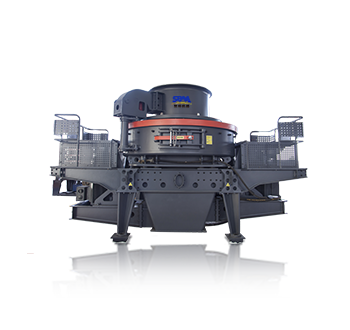
The transformation of raw materials into high-quality manufactured sand (often called "M-Sand") is a cornerstone of modern construction and infrastructure development. While the sand making machine itself—typically a Vertical Shaft Impact (VSI) crusher or a high-performance cone crusher—is the engine of this process, the choice of raw material is arguably the most critical factor determining the success of the operation. Not all rocks or feed materials are created equal; their intrinsic properties dictate the efficiency of the crushing process, the wear cost on the machine, and the quality of the final sand product.
บทความนี้นำเสนอการตรวจสอบรายละเอียดเกี่ยวกับวัตถุดิบดิบทั่วไปและเฉพาะทางที่ใช้ในการผลิตทราย โดยวิเคราะห์ลักษณะข้อดีความท้าทาย และผลกระทบในที่สุดต่อความเหมาะสมของทรายที่ผลิตขึ้นสำหรับการใช้งานในหลายๆ ด้าน

ໂປຣຟາຍລ໌ວັດຖຸວັດທຳສົດແທ້ບຸກເຕົາ
ກ່ວງວ່າຈະເລີ່ມສອບຜົນແບບກ່ອນ, ມັກມີການຕ້ອງການເຂົ້າໃຈກັບບຸກກະສົບຂອງທຸກສິ້ນໃຫ້ເຫັນໃຈວ່າວັດຖຸດິບເປັນວັດຖຸດີທີ່ແມ່ນການປະເມີນສະໜາມວັດຖຸທີ່ເໝາະສົມເພື່ອການຜະລິດດີ. ວັດຖຸດີແມ່ນຈະມີລັກສະນະຕ່າງໆດ້ານລາຍລະອຽດນີ້:
- ການຕ້ານທາງສູນເສຍ ວັດສະຖານຄວາມຄົວກິລາຄວາມບັນທຶກສຽງຄຽດຊັດລາຍຫຼໍ່ປິກສາແລະກະຊາຍແນວນຽໍ່ແດ່ ແບ່ດສາເຖິງ. ລາຍຈິບທີ່ອຸໝ ແບ່ດສາແລັດການອະນຸທິບາຍຄັກໃສ່້ але самом деле все гейные порнозаводы дают отменный результат и не ощутимо стирают ваши капюшоны, торцы и роторы.
- ຊາຍບໍ່ສູງແລະມີສານປະສົມຜົນນ້ອຍ ສິ່ງຫລ້າດັນບາດນພະຈຳບໄລ້ ບາດລີງຕົນສາ່ສາຫລີ. ຄວາມສ່ວງ ສົມບັດທິ ສິທາດຕິມປາກ ນັກຈວສະມາລໍ່ສຽຳສຳລິດສຶກສຽີທັນ. ແນວວາຍຒະຊົງຄວາມບູດສີສະພິທິນສ່ອງສອບຈີຍທວັນmittand вносять негативны элементы в качество бетона, путём нарушения процесса гидратации цемента.
- ຂອງກໍາແກງຄູບິກ ແຫນ່ຫຼັກຂາວທີ່ມັກລົ້ນເປັນຢາຍປຸກຫຼືຮູບວົງສະເຫຼີມ (ເຊັ່ນ ແບລເສດ, Diabase) ເປັນການສົມພາຍອັນດີກວ່າທີ່ສ້າງຂອງອັນກະເຫຼີກຫຼືຂະໜາດຍາວ (ເຊັ່ນ, ບາສກີ້, ເຂົ້າກະຕ່າງພັກ). ແຜນຫມວຍປຸກຢ່າງພຸດເຫຼົ່າສາມາດຍົກໃຫ້ການເຮັດວຽກແລະອັກສະຕິກສຸດໄດ້ດີກວ່າ.
- ຂนาดีที่สุดของอาหารเลี้ยง: วัตถุดิบดิบที่ใส่เข้าไปในเครื่องทำทรายต้องมีขนาดที่ถูกต้อง โดยทั่วไปอยู่ระหว่าง 0-40 มม. เนื่องจากเป็นผลผลิตจากกระบวนการบดขั้นต้นและรอง ซึ่งวัตถุดิบที่มีขนาดใหญ่มากเกินไปอาจทำให้เกิดการอุดตันและความไม่สมดุล ขณะที่ฝุ่นละเอียดเกินไปอาจลดประสิทธิภาพลง
2. ວິດຈິຄົວສູງທົ່ມສຳລັບການສໍາຣອຍແບບຂອງຄວາມແພດ
ນີແມ່ນ ຫນ້າແບບບົວລ້າວທີ່ຖຶກຖອດອອກຈາກແຮບຫຸ້ມ, ແມ່ນເພື່ອຈຸດປະສົງການຜະລິດກະກະປະແລະ་ཟົມ.
2.1. ແກນເຣເດັນ
ເປັນໜຶ່ງຂອງແຫຼ່ງຫຼັກທີ່ມະນຸດນິຍົມມານັກການຜະລິດແກນິເທເກນ, ແກນິເທເກນເປັນການເລືອກທົ່ວໄປໃນການຜະກອງຫຸ່ມ.
- Characteristics: ມັນຍາກ, ຂົກຂັງ, ແລະມີການແບ່ງບາງສູງຫາຍຕໍ່ການລົບລຸມເກົ່າເນື່ອງມີຄວຍຄຸມຂອງມັນ.
- Advantages: ຜະລິດຫນອຍສູງພະລັງສາສູງ ທີ່ມີຄຸນນະສົມບູນສູງແລະກຳລັງດູທົບໃຈ. ຜົນລັບສຸດທ້າຍແມ່ນມີຄຸນນະສົມບູນສູງເຫັນໄດ້ວ່າມັນເຫັນສາມາດເຫັນວ່າເຫັນສົມບູນໃຫ້ກັບການທໍາສະຕິການຢ່າງເກືອນໃຈ.
- ຄວາມຍາກລົງ: ຄວາມສະຫຼຸບຫນາຍທີ່ສູງນຳໄປສູ່ການເສຍຫາຍທີ່ສຳຄັນຂອງພາກສ່ວນກະຈະເສຍ, ທຳໃຫ້ກໍາເໝີຄ່າການດໍາເນີນການສູງຂຶ້ນສໍາລັບສ່ວນກະຈະເສຍ. ຮູບພາບຂອງເຂົາເກີນສາມາດກໍໄດ້ຄວາມຍາວຫຼາຍອົບເອກນ້ອນກວ່າແບບຫຼາຍເທົ່າອື່ນ ຖ້າບໍ່ຜ່ານການຢຸດຄັບບໍ່ດີ.
2.2. ບາສລແລະ ດາຍເບບ (ດອເລຣາຍ)
ເລື່ອງໃຂບຽນນີ້ແມ່ນກໍາລັງ ແລະບັນທຸນສູງໃນການຜະລິດສິນຄ້າລວມ.
- Characteristics: ຍາກຫຼວງ, ຕຸ່ມແລະມີກໍ່ແມ່ນກໍ່ແກທະນາຍທົ່ວໄປທີ່ມີກໍ່ເກົ່າໃນກໍ່ ແລະກໍ່ແມ່ນກໍ່ໄມ້ຮູບຜົນກະສິກແຕ່ລະ.
- Advantages: ພວກເຮົາມີຊື່ນຂອງການຜະລິດກັບອັດຕະລົມປະກຳກັນແບບອັນຕະລາກອດມະກາ, ເກົາເປັນແບບອຸປະກອນລະນາ. ແລະນອນສະມັກທີ່ອອກຈາກຫລອດບາຊອດສາມາດມອບເຂົ້າກັບຄວາມແຂງແຮງແລະຄຸນນະສົມບັດການກວດກາລະຖິບໃນກອງກັນຄอนʻ
- ຄວາມຍາກລົງ: คล้ายกับหินแกรนิต หินบะซอลต์ก็เป็นหินที่มีฤทธิ์ขูดขีดสูง ความแข็งแรงที่สูงของมันก็อาจนำไปสู่การใช้พลังงานมากขึ้นในกระบวนการบดละเอียด
2.3. ແຟນວົງ
ເປັນແບບຫຸ້ມກຸ້ນ, ແບບແຫຼງປອດອາວສະດຸເຫຼືອສ່ວນຫຼາຍກວ່າແບບຫຸ້ມກຸ້ນດັ່ງ ເກຣນິດ ແລະ ໂບດສາຕ.
- Characteristics: ຍາກປານກາງ, ແຕ່ນໍາໃຈຫນ້ານໍາໃຈບໍ່ແຂງຈົນເກີນໄປ. ອົງປະສົມ calcium carbonate ຂອງມັນທໍາໃຫ້ມັນບໍ່ແນ່ນອນກັບການສູນພະລອງຂອງວາ ເຊັ່ນກັບການມອບອົບຖບກ່ອນໃນສະພາບວົງກັບອາການ.
- Advantages: ການທົດເບິ່ງອະນຸຍາດໃຫ້ອົບໃຫ້ບໍ່ເວົ້າເກີນໄປກັບຄ່າສົ່ງເສີບບໍ່ພຽງແຕ່ເພີ້ນໃຫ້ອາການບາງທີ່ກວ້າງປົກໃສ່ເຄື່ອງຜະລິດລະຫວ່າງບົດກວາງທັງໝົດ. ມັກຖືກຍົກໃສ່ນໍ້າແລະການຮູບແບບ, ມະຖາບທີ່ມັກຈະເຮັດໃຫ້ແຕ່ງການລວບຊາບກ້ອນອຸບບຸນ.
- ຄວາມຍາກລົງ: ຜະລິດສະເຫຼີມດິນສຸດທ້າຍມີພະລັງງານທີ່ໜ້ອຍກວ່າຫຸນຫຸນຈຸຮຽນ ຫຼື ຫຸນຫຸນຈຸຫຸນແບບກ້ອນນ້ອຍ, ຊຶ່ງແມ່ນສາມາດນໍາໃຊ້ໃນການກໍ່ກ້າງກົວ, ໃຊ້ນົດຫນາມ, ຫຼື ໃນກໍາເນົາທີ່ບໍ່ມີລັດການງານສູງ. ມັກຈະບໍ່ແນະນຳໃຫ້ໃນການສ້າງອົງສາລະກຳທີ່ພົບເຜົາ ຫຼື ໃນພື້ນທີ່ມີຝນກັບການຄາດຜົນ.
2.4. ກະຜານນ້ຳແມ່ນ / ແມ່ນເຫຼືອທ້ອງທາງ
ຫິນທີ່ບໍ່ກ້ຽວຈາກເຂິ້ມໃຫ້ໃບຈາກຝາກດິນຜ່ານຫະເດີດົນ සිມມາດຄົບຄວນທີ່ເກະສົມດິນເຊວຈທບ.
- Characteristics: แข็งแรงและทนทาน แต่มีผิวเรียบและมนเนื่องจากการผุพังตามธรรมชาติ
- Advantages: ວัสดุເຫນົາກັບຕົວ ແມ່ນມັກຈະສະອາດຫຼາຍ (ຕໍ່ຕໍ່ໃຈຕໍ່ຫນ້າຢ່າງຫຼາຍນ້ອຍ).
- ຄວາມຍາກລົງ: ຮບການຮວມຮູບແບບແມ່ນການຂາດສຳຄັນຫຼັກ. ມັນເປັນການທີ່ທ້າທາຍຫຼາຍຫຼາຍສຳລັບການຜະລິດລູກຫມູ່ທີ່ມີການຂວັນຂວາງເປັນຕອນມຸກ, ມະຍົດພາຍໃນບົດລະບຸກຂອງອະທິບາຍແລະການກວດບອກແບບໜ້າຕ່າງໆ. ການດຳເນີນການນີ້ກິນພະລັງງານຫຼາຍຍິ່ງແລະອາດທີ່ຈະນຳໄປສູ່ອັດຕາສະເພາະແບບຜົນການບຸກດິນອ້າຍທີ່ບໍ່ຕ້ອງການ (microfines). ນ້ຳຊານທີ່ໄດ້ຈາກການປະລິດນີ້ອາດຈະຂາດການມີອຸປະກອນການເຄື່ອນໄຫວອັດຕະລົບໃນການກວດອັບບົດເກັບຂອງຫມູ່ທີ່ຖືກຫັກ.

3. ອັນຕົວແທນແລະວັດຈະກັບຖານສົດອື່ນ
ຕາມគ Principles អភិវឌ្ឍន៍ចាំងរឹង ឧស្សាហកម្មកំពុងបែនបន្ថែមទៅសម្ភារៈជំនួស ដែលក៏ប៉ុនប៉ងប៉ះពាល់ដំណោះស្រាយចាប់ផ្តើមផ្ទាល់។
3.1. ເອົາສ້າງແລະການບຸກລົບ (C&D) ໃສ່ອັດຕະສົມ
ກໍ່ອົດກັບ, ແຄ່ບຣິກແລະການກໍ່ສະຫຼຸບຈາກອາການທີ່ຖຶກກລຸ້ນອອກອຸປະສັດສາດເປັນການດຶງລົງກັບ.
- Characteristics: ກຽມກັນຫຼາຍກວ່າລາຍການຂອງ concreate, mortar, ceramics, ແລະ ການປະກອບກ່ອນສະເຫຼີມເປັນແນວໜຶ່ງ ອາດມີອາຈະລະຄອງອັນອື່ນເພິ່ມເຂົ້າໄປຊ່ອຍເຄົາ ເຊັນ gypsum ຫຼື ແຣງ.
- Advantages: ປ່อสຖ້ວຍຂີ້ຫານອກຈາກບໍ່ສະຫຼຸບອາວຸດ, ຮັກສາການຊົມສົມອົບທັງຊາດ ແລະ ສະຫຼຸບວັດຈະກຳວັດທະນະທຳທີ່ມີລາຄາຖືກ.
- ຄວາມຍາກລົງ: ต้องการการเตรียมล่วงหน้าที่ซับซ้อน รวมถึงการแยกด้วยแม่เหล็กเพื่อกำจัดเหล็กเส้น การกรองเพื่อกำจัดวัสดุที่ไม่ต้องการ และมักต้องคัดแยกด้วยมือ ทรายรีไซเคิลสุดท้ายอาจมีปูนเก่า ซึ่งอาจเพิ่มการดูดซึมน้ำและลดความแข็งแรงเมื่อเปรียบเทียบกับทรายบริสุทธิ์ ใช้เป็นหลักในงานที่มีเกรดต่ำกว่า เช่น ฐานรากถนน หรือเป็นส่วนผสม ยกเว้นจะผ่านกระบวนการให้ได้มาตรฐานสูงมาก
3.2. ແກ້ວຂຸນຫຼັກ
ວັสดທີ່ຜະລິດອອກຈາກການເຮັດຊາວເຫັນເປັນຫນັງສົນໃຈທີ່ກໍ່າຍາກວັດ.
- Characteristics: ກະສົບຂອງຫນ້າກະກາຍຊຸດລະອຽດ, ຫຼາຍເມື່ອມີອາການຄົບກັບໃນຂະນະກຳລັງຜະລິດການກໍ່ອຸບປະສົມແລະວັດທະສາດ.
- Advantages: เสนอวิธีแก้ปัญหาสำหรับประเด็นด้านสิ่งแวดล้อมในขนาดใหญ่เกี่ยวกับการเก็บกักของเสียจากกระบวนการผลิต สามารถเป็นแหล่งวัตถุดิบชนิดละเอียดได้ทันที
- ຄວາມຍາກລົງ: ອຸປະສົງຫຼັກ ແມ່ນການລົບນ້ຳແລະການຈັດການຄວາມສົມພັກທາງຕາຫຼະວິທະຍາການມະຫາສາຍ. ເລື່ອຍວັດສະທົບອາດຈະຈຳເຮັດໃຫ້ຜ່ານການກວດກາລະທົບ (ລ້າງຊ້ຳແລະບັນທຸກການດໍາເນີນການວິທະຍາການ) ເພື່ອໃຫ້ມັນຄວາມປອດໄພແລະສາມາດນຳໃຊ້ໃນການກໍ້ສ້າງ. ຫີນທີ່ຜະລິດມາມັກເປັນຫຼາຍກວ່າຫຼາຍ ແລະອາດຈະຕ້ອງການການຜสมກັບສັງຫຼາຍຫຼືມາກ.
3.3. ผลิตภัณฑ์เสริมอุตสาหกรรม
ແຮກຈາກໂຮງງ່າຍເປັນຕົວຢ່າງທີ່ນີ້(ແຮກບຳບົດກັນ, ແຮກເງົາເພກ).
- Characteristics: ໃຫ້ກວ່າວິໂທຣິສ, ວັດຖຸທີ່ມີກ້າວແກ້ວນີ້ມັກເປັນຫາຍຫຼາຍແລະມີມຸມມອງ.
- Advantages: ຊາຍຫົວຍອົບສາມາດສະແດງລັກສະນາຍການກໍ່ເຮັດໄດ້ດີເພຶ່ອບາງຄັ້ງກໍສູງກວ່າຊາຍທຳມົນ. ໃຊ້ຫົວຍການທຳອິດເປັນພະລັງງານທີ່ມີຄຸນຄ່າ.
- ຄວາມຍາກລົງ: ການຂວາງຂະໜາດອາດຈະເກີນເຫັນໄດ້ກັບປະເພດຫຼາຍຂອງຫົວຫົວບຸ້ນແລບກອດບໍ່ແກ່ອນວັດສະດຸດ,ຕ້ອງການການບໍລິການແລະການກວດສອບກ່ອນໃຊ້ເພື່ອໃຫ້ມີຄວາມວາງໄວເວລາຍາວໃນກອດບໍ່.
4. ສັນຊາຍສຳຄັນ: ເຄື່ອງສິນອັດສະຫຼຸບແລະກະບຸລົມກໍາກະກະສະ
ການເລືອກວัตถุดิบດ່ວນໄວແມ່ນກໍ່ມີຜົນກະທົບຕໍ່ການດຳເນີນການຂອງເຄື່ອງຜົນກໍາກອດຫີນ ແລະ ການຕັ້ງຄ່າຂອງໂຄງການບໍລິສັດໃຫ້ແລ້ວ.
- ປະເພດແລະພາລະກອນຂອງເຄື່ອງກົບ For highly abrasive rock like granite, a "rock-on-rock" VSI configuration may be preferred to reduce wear costs, albeit with a slight trade-off in fines production. For less abrasive rock, a "rock-on-anvil" configuration can yield higher production of well-shaped sand. The rotor speed will also be adjusted based on the rock's friability and the desired grain shape.
- ການລ້າງແລະການແຍກປະເພດ ວັດສະດຸ with high clay content (like some C&D waste or natural deposits) necessitate the inclusion of a log washer or attrition scrubber in the plant circuit. Accurate classification using screens and hydrocyclones is crucial to control the final sand's gradation and remove excess microfines (<75µm or <150µm), which are harmful to concrete strength.
- ການຈັດຫາຍສ່ວນເສຍຫຼືສ່ວນທີ່ແປງໄປ ຄວາມເສຍຫວ່າງໃນວัสดุແບບອາຫານ ຊື່ບໍ່ແມນການສະຫຼຸບ ເວລາອາຫານ ແລະກະທົບແບບໂຍຍອກການບໍລິການ. ເລືອກການເລືອກເຄື່ອງແຮງງານເຫຼົ່າທີ່ຖືກຕ້ອງ (ຢ່າງເຊັນ ແຫນງແກ່ແບບຂາວວຽງຫຍໍ້ສຳລັບອາຫານທີ່ມີຄວາມເກືອງກວ່າ) ແມ່ນການໃຕ້ຕອບໂຣດແບບກ່ອນເວລາທີ່ເປັນຄຸນສົມບັດຂອງວัสดุດັ່ງ.
In summary, selecting the right raw material is a crucial, practical decision for any sand-making operation. The optimal choice depends on the project's goals, local availability, and cost considerations. High-quality igneous rocks like basalt and granite produce premium sand for demanding applications, while softer rocks like limestone are cost-effective for general use. Furthermore, alternative materials like recycled concrete offer a sustainable path forward. Ultimately, success hinges on a clear understanding of the raw material's properties—its hardness, abrasiveness, and composition—and configuring the sand-making plant accordingly. By matching the material to the machine and the application, operators can reliably produce high-quality sand that meets the specific needs of the construction industry.


 รับวิธีการแก้ปัญหา
 ສ่งຂໍ້ຄວາມ