



സംക്ഷേപം: ഈ ലേഖനം അഞ്ചു പ്രധാന പ്രമേയങ്ങളുള്ള പാറ ചതPREFIXച ചെയ്യുന്ന യന്ത്രങ്ങളുടെ ഗുണക്കേടുകൾക്കും ഉപയോഗ സാഹചര്യങ്ങളുമായി വിശകലനം ചെയ്യുന്നതിൽ കേന്ദ്രീകരിക്കുന്നു, നിങ്ങള്ക്ക് യോജിച്ച യന്ത്രം തിരഞ്ഞെടുക്കുവാൻ സഹായിക്കുന്നു....
In aggregate production and mining operations, stone crushing machine is undoubtedly the core equipment of the entire production line. Jaw crushers, impact crushers, cone crushers, gyratory crushers, and VSI (vertical shaft impact) crushers—these five mainstream types of crushers each have their own distinct features and ideal applications.
ഈ ലേഖനം അഞ്ചു തരം കല്ലു തുരുമ്പുകളുടെ മികച്ചതുകളും ദുഷ്കരതകളും ഉപയോഗ സാഹചര്യങ്ങളും വിശകലനം ചെയ്യുന്നുവായി, നിങ്ങളുടെ യോഗ്യമായ ഒരു തിരഞ്ഞെടുക്കുന്നതിനുണ്ടാക്കുന്നതിന് സഹായം നൽകുന്നു.

1. ജാഥ ക്രഷർ
1.1 ഇത് എങ്ങനെ പ്രവർത്തിക്കുന്നു
ചാര്ജ് ക്രഷര് സംഹിത അടിസ്ഥാനമായ ഭാരംകൊള്ളുന്ന മുറിവിവരുന്ന രീതിയിലാണ് പ്രവര്ത്തിക്കുന്നത്, സാമഗ്രി വി-ആകൃതിയുടെ ചിത്തശേഖരത്തിലേക്കു നല്കപ്പെടുന്നു ಮತ್ತು ചലനശীল ജ്വലും സ്ഥിരം ജ്വലും തമ്മിലുള്ള അപാരതപൂരിത സമ്മര്ദ്ദത്തിന്റെ പ്രവര്ത്തനത്തോടെ കീസ് ചെയ്യപ്പെടുന്നു. ചലനശೀಲ ജ്വലം സ്ഥിരം ജ്വലിനു സമീപിക്കുമ്പോള് സാമഗ്രി ക്റഷ് ചെയ്യുന്നൂ, ചലനശീല ജ്വലം പൊക്കുമ്പോള് ക്റഷ് ചെയ്തവ ഇഴുകികൊണ്ടുവിടപ്പെടുന്നു.
1.2 ഞങ്ങളുടെ ഫലങ്ങൾ
വലിയ ഫീഡ് തുറക്കൽ: പ്രാഥമിക നശീകരണത്തിന് മുൻപ് മുൻകൂട്ടി ചികിത്സ നൽകേണ്ട ആവശ്യം പരമാവധി 1200 മിമി വരെ കച്ചവടവസ്തുക്കൾ നിയന്ത്രിക്കാൻ കഴിയും.
സൗമ്യഘടനയും വിശ്വാസ്യതയുള്ള പ്രവ rowing: ഈ കല്ല് തകര്ക്കുന്ന മെഷീൻ എല്ലാ ക്രഷർ തരങ്ങളിൽ തന്നെ ഏറ്റവും ലളിതമായ യാന്ത്രിക ഡിസൈനാണ്, അതുകൊണ്ട് പരാജയവ മണിക്കൂറുകൾ കുറഞ്ഞിരിക്കുന്നു 그리고 പരിപാലനം കുറവാണ്.
ഉയന്ന അരിഞ്ഞശേഷി നിരക്ക്: സാധാരണയായി 6:1 മുതൽ 8:1 വരെയുളള കുറവു നിരക്ക് നൽകുന്ന ഘട്ടത്തിൽ, ജാവ് ക്രഷർ രണ്ടാംഘട്ടത്തിലും മൂന്നാംഘട്ടത്തിലും മെറ്റീരിയൽ പ്രസ്തുതമാക്കുന്നതിന് കാര്യക്ഷമമായ രീതിയിൽ തയ്യാറാക്കുന്നു.
ശക്തമായ അനുയോജ്യമാനം: ഇത് കഠിനവും മൃദുവും ആയ പാറകൾ എളുപ്പത്തിൽ കൈകാര്യം ചെയ്യുന്നു, പ്രത്യേകിച്ച് ഉയർന്ന കഠിനതയും ഉയർന്ന തുള്ളലുള്ള വസ്തുക്കൾക്കും അനുയോജ്യമാണ്.
ലോകങ്ങൾ എസ്ബിഎം ജോവ് ക്രഷറുകൾ: ക്ളൈന്റ് രൂപകല്പന ഏകീകൃതമായി roughly 15% ഇൻസ്റ്റലേഷനിടantan space സംരക്ഷിക്കുന്നു; മാനുവൽ മുതൽ ഓട്ടോമാറ്റിക് മോഡുകൾക്ക് പിന്തുണ നൽകുന്ന കേന്ദ്രികൃത മുലാന്ന് സിസ്റ്റം കൊണ്ടുവന്നു; വലിയ പിഴുതലുകൾയും അനുകൂലമായ നിപ്പ് കോണും ക്രഷിങ് കാര്യക്ഷമതയെ വലിയതാണ് വർദ്ധിപ്പിക്കുന്നു.
1.3 ദ ശരികൾ
ഉദ്യോഗം ആവശ്യപ്പെടുന്ന പരിമിതി: ചോക് ഫീഡിങിനും കൈകാര്യം ചെയ്യാനില്ല, അതുകൊണ്ട് കാഴ്ചക്കുമുമ്പ് ഫീഡിങ് ഉപകരണം ആവശ്യമാണ്.
ഉത്കണ്ഠയുടെ രൂപം തകര്ക്കലിനു സാധ്യത ഉണ്ട്: അമർത്തലും കഷണങ്ങളാകുന്നതിനാൽ അസാധാരണമായ കണങ്ങളുടെ രൂപം ഉണ്ടാകുന്നു, ഫ്ലേറ്റി և നീളമുള്ള കണങ്ങൾ കൂടുതലാണ്. ജോ കർശനം സാധാരണയായി കഞ്ച് തരണം അടിച്ചുവരുത്തലിനായി ഉപയോഗിക്കുന്നു. ഉത്പന്നങ്ങൾ സമുച്ചയങ്ങളായി ഉപയോഗിക്കരുത്.
ശേഷി പരിധികൾ: വലിയ തോതിലുള്ള ചviriു പദ്ധതികൾക്ക് നിരവധി യൂണിറ്റുകൾ സമാന്തരമായി കണക്റ്റ് ചെയ്തിരിക്കണം, അതുകൊണ്ട് മേഘാ ശേഷി ആവശ്യങ്ങൾക്കു ഇത് അനുയോജ്യം அல்ல.
അന്തരീക്ഷ ഭിന്നനം: ചലനമുള്ള ജാവിന്റെ പരസ്പരിചലനം ഒരു നിരന്തരമല്ലാത്ത പൊളിക്കുന്ന പ്രക്രിയ വർദ്ധിപ്പിക്കുന്നു, തുടർച്ചയായ പൊളിക്കുന്ന ഉപകരണങ്ങളേക്കാൾ കുറച്ചാണ് ഊർജ്ജം ഉപയോഗിക്കുന്നത്.
1.4 യോജിച്ച എപ്ലിക്കേഷൻ സാഹചര്യങ്ങൾ
ജോ ക്രഷർ എല്ലാ തുഴക്കലുകളുടെയും അടിസ്ഥാന പ്രാഥമിക തുങ്ങൽ ഉപകരണമാണ്, പ്രത്യേകിച്ചും അനുയോജ്യം:
- ചെറിയ മുതൽ മാധ്യമമടക്കം പ്രവർത്തനങ്ങളിൽ പ്രധാനമായ ക്രഷിംഗ് ഘട്ടങ്ങൾ (വാർഷിക ഉല്പന്നം ഒരു ദശലക്ഷം ടണുകൾക്കു താഴെ).
- കടുത്ത, കട്ടിയുള്ള ഖനിജങ്ങൾ (ലോഹ ഖനി, ബാസല്ലറ്റ്, ഗ്രാനൈറ്റ്) začetno razgradnja trdih, abrazivnih rud (rentgen, bazalt, granit).
- ക്യാപിറ്റൽ ജാഗ്രതയുള്ള പദ്ധതികൾക്ക് കുറഞ്ഞ തുടക്ക ഉപകരണച്ചെലവുകൾ അന്വേഷിക്കുന്നു.

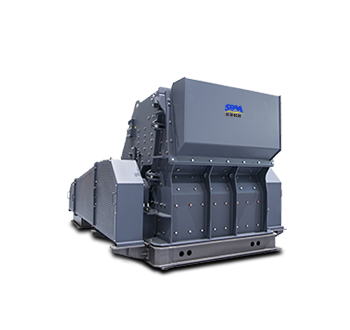
2. ഇംപാക്ട് ക്രഷർ
2.1 ഇത് എങ്ങനെ പ്രവർത്തിക്കുന്നു
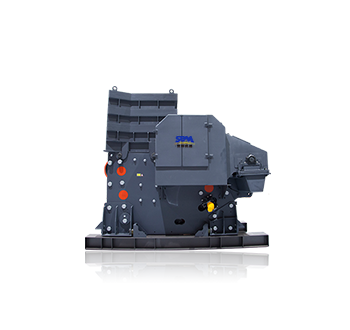
ഒരു ഇംപാകട്ട് ക്രഷർ വേഗതയുള്ള കൈനറ്റിക് ഊർജത്തെ ഉപയോഗിക്കുന്നു. ഭാരമേറിയ റോട്ടറിൽ സ്ഥാപിച്ച ഉയർന്ന വേഗതയുള്ള ബ്ളോ ബാറുകൾ, പൊലുകൾക്ക് എതിരെ വശങ്ങളിൽ ജീവിക്കുന്ന മെറ്റീരിയലുകൾ ഉരളക്കുന്നു; മെറ്റീരിയൽ ബ്ളോ ബാറുകളുടെ ഇംപാക്ട്നും ഇംപാക്ട് പ്ലേറ്റ്കളിൽ നിന്നുള്ള തിരിച്ചിളക്കും അറിവ് കാരണം പുനഃപൂർണ്ണമായ ക്രീഷ്ക്കളിൽ കടന്നു പോകുന്നു. ഈ ചക്രവാളം പാടാക്കുമ്പോൾ ഉള്ക്കൊള്ക്ത്തെക്കു ഉടന് ക്രഷ്ക്കളാണ്.
2.2 ഗുണങ്ങൾ
ശുഭവിരൂപമായ ക്യൂബിക്കൽ രൂപം: പ്രഭാവ ക്രഷറ് দ্বারা ഉണ്ടാക്കിeddy അവസാന ചേരുവകൾ സമതുലിതമായ ഗ്രനൈറ്റ് വലുപ്പം ഉളള ക്യൂബിക്കൽ രൂപത്തിലുള്ളതും എലുപ്പിയേറ്റ്/ഫ്ലേക്കി കണം കുറഞ്ഞതും ആയിരിക്കുന്നു, അതു ഉയർന്ന നിലവാരമുള്ള ചേരുവകൾക്കും ഹൈവേ സർഫേസ് ചേരുവകൾക്കും മുൻഗണന നൽകുന്നതാണ്.
ഉയന്ന അരിഞ്ഞശേഷി നിരക്ക്: ഈ കല്ല് തട്ടുന്ന യന്ത്രം 15:1 അല്ലെങ്കിൽ അതിനപ്പുറം തളർന്ന് ശക്തമായി തട്ടി सकती ഇംഗ്ലീഷ്, ഒരേ യന്ത്രം രണ്ടാംതരോറിയും തൃതിയറിയും ചതയ്ക്കാനാകുന്നു. കുറച്ച് യന്ത്രങ്ങൾ, എളുപ്പമായ സർക്ക്യൂട്ടുള്ള ഘടന, താഴെകCapital ചിലവു.
തിരഞ്ഞെടുത്ത തകര്ത്ത് ചുറ്റിച്ചെറിയൽ് പ്രക്രിയയിൽ, പൊരുൾ പതിവായി അവരുടെ പരിമിത ക്രിസ്റ്റലൈൻ കെട്ടിടങ്ങളേക്കാൾ തകർച്ചയേറിയ അവയുടെ മുന്പ് നിലവിലുള്ള പിളർച്ചകളിലൂടെയാണ് തകർത്ത് പോകുന്നതു. ഈ തിരഞ്ഞെടുത്ത ചുറ്റിച്ചെറിയൽ് കൂടുതൽ ഏകോപനമായ കണിക വലിപ്പം ഉണ്ടാക്കുന്നത്.
ലോകങ്ങൾ ಎಸ್ ബി എം ഇമ്പാക്റ്റ് ക്രഷറുകൾ: ഉയർക്കുമുള്ള പരിപ്പ് പ്രതിരോധമുള്ള അലോയ്സുകൾ ഉപയോഗിച്ച് സാന്ദ്രത 30%-ക്ക് കൂടുതലായി വർദ്ധിപ്പിച്ചു; ബ്ളോ ബാറുകളും ഇമ്പാക്ട് ലൈനറും കൂടുതൽ വേഗത്തിൽ മാറ്റിവെയ്ക്കുന്നതിനുള്ള ബഹുമുഖ ഹൈഡ്രോലിക് സിസ്റ്റം സാധ്യമാക്കുന്നു; പരിപോഷിത ക്രഷിംഗ് കിവിടി, റോട്ടർ സ്പീഡ് ഡിസൈൻ ക്രഷിംഗ് അനുപാതം കുറഞ്ഞത് 15% മാറുന്നു.
2.3 കൺസുകൾ
ഉറവിടങ്ങളുടെ നിരന്തര വ്യത്യാസം: ഉയരം ഉയർന്ന ഘടകങ്ങൾ തകര്ക്കുമ്പോൾ, തുള്ളൽബാറുകൾക്കും പ്രഭാകടകളും വേഗത്തിൽ തീരുന്നതിനു, പലപ്പോഴും മാറ്റേണ്ടിവരും және പ്രവർത്തന ചെലവുകൾ വർധിക്കും.
മണച്ചൂട് ഉത്പാദനം: പ്രതികരണ ക്രഷറുകൾ സാധാരണയായി ജോഡ് അല്ലെങ്കിൽ കോൺ ക്രഷറുകളേക്കാൾ കൂടുതൽ സാന്ദ്ര കണങ്ങൾക്കും അരികുകൾക്കും മൂട് ഉത്പാദിപ്പിക്കുന്നു, മൂട് നിയന്ത്രണ സംവിധാനങ്ങളിലാണ് ഉയർന്ന ആവശ്യങ്ങൾ വരുത്തുക.
ചട്ടമുള്ള വസ്തുക്കൾക്ക് അനുയോജ്യമല്ല: اگر വസ്തുവിന് ഉയർന്ന എല്ലകൂടിയ ഉള്ളടക്കം ഉണ്ടായെങ്കിൽ അല്ലെങ്കിൽ അതിൽ നല്ല പരിമിതമായ മണ്ണ് ഉൾപ്പെട്ടതാണെങ്കിൽ, അതു അടിച്ചുവരുത്തിയ പ്ലേറ്റുകളോടും ഫീഡ് തുറക്കുന്ന നാലവും ചേരുന്ന ഒന്നായി ചേരാനോ, തടസ്സങ്ങളായി മാറാനോ സാധ്യതയുണ്ട്.
2.4 ഉദാത്തുപയോഗ സമയങ്ങൾ
അംപാക്ക് ക്രഷറുകൾക്ക് താഴെ കൊടുത്തിരിക്കുന്ന ആപ്ലിക്കേഷനുകൾക്കായി ഏറ്റവും അനുയോജ്യമാണ്:
- ഭ്രമത്തിന്റെയും മുന്നിര്ത്തിയുള്ള കല്ലുകളെപ്പോലെ ലൈനിസ്റ്റോണ്, ഡൊലോമൈറ്റ്, ജിപ്സം എന്നിവയുടെ സെക്കണ്ടറി ಮತ್ತು ടെര്ഷറി പ്രോസസ്സിംഗ്.
- ഉയർന്ന നിലവാരമുള്ള ഹൈവേ, ഉയർత్ സ്പീഡ് റെയിൽ, റന്വേ ഘടക നിർമ്മാണം ഇത്തരത്തിൽ കണങ്ങളുടെ ജ്യോമിതികൾ കർശനമായി നിയന്ത്രിക്കപ്പെടുന്നു.
- നിർമ്മാണ മാലിന്യ पुनഃചകർതി
- എണ്ണുകൂടിയ യന്ത്രങ്ങളുടെ എണ്ണം കുറയ്ക്കുന്നതിനായി ദ്വിതീയവും തൃतीयവും ക്രഷിംഗ് സംയോജനമാക്കേണ്ട പദ്ധതികൾ.

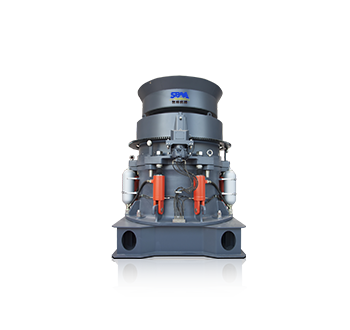
3. കോന்க്രഷർ
3.1 ഇത് എങ്ങനെ പ്രവർത്തിക്കുന്നു
കോൺ ക്രഷർ എക്സെന്റ്രിക് ഷാഫ്റ്റ് ഉപയോഗിച്ച് ചലിക്കുന്ന കോൺ (മാന്റിൽ) അശ്ചലമുള്ള കോണുമായി ഗൈറേറ്ററി ചലനത്തിൽ പ്രവർത്തിപ്പിക്കുന്നു. ചലിക്കുന്ന കോൺയും സ്ഥിരമായ കോൺ (കോണകവ്) ഇടയിൽ ഇടിവ് സ്ഥിരമായി മാറുന്നതിനാൽ, വസ്തു സമ്മച്ച്ച്ചലും കുത്തി ഉരുക്കും സംയുക്തമായി ഉപയോഗിച്ച് മുറിയുന്നു. ജാവ് ക്രഷറുകളെക്കാൾ വ്യത്യസ്തമായി, കോൺ ക്രഷറിലെ ചിരവിത്ത് പ്രക്രിയ തുടർച്ചയായതാണ്.
3.2 ഉന്നതങ്ങൾ
ഭാരമേറിയ കല്ലു പൊടിക്കാൻ മികച്ചതാണ്: കോൺ ക്രഷറുകൾ കഠിനവും അത്യാഹിതഘർഷമായ സാമ്പത്തികങ്ങളും (ഉദാഹರಣക്ക് ഗ്രാനിറ്റ്, basalt, ഇരുമ്പ് ഖനനം എന്നിവ) രണ്ടാംശ്രేణി, തിങ്കൾക്കിവെക്കാനുള്ള മുൻനിര തിരഞ്ഞെടുപ്പാണ്.
ഉയർന്ന കാര്യക്ഷമത: ഉയർന്ന കുല്ലി കുത്തിവൊക്കൽ ക്ഷമത, ടൺപ്രതി കുറഞ്ഞ ഊർജ വ്യയനം, സ്ഥിരമായ പ്രവർത്തനം, കുറഞ്ഞ പരാജയ നിരക്ക്, മുഴുവനായും കുല്ലി ശേഷി തടയൽ (ഫൈനുകൾ).
അന്തരിഭാഗം (ലാമിനേഷന്) ചതിയ്ക്കല്: HPT കോണ് ക്രഷര് ലാമിനേറ്റഡ് ക്രഷിംഗ് സിദ്ധാന്തം ഉപയോഗിക്കുന്നു, ഇത് ക്രഷിംഗ് ചെയമ്പറിൽ ഉള്ള砂വസ്തു പരസ്പരം അടിക്കുകയും തകര്ക്കുകയും ചെയ്ത് ഉയർന്ന ശതമാനം ക്യൂബിക്-കൊര്യമായ ഉത്പന്നം ഫ്ലാക്കിനസ് ഉള്ള അടിവരയില്ലാത്ത ഗുണനിലവാരമാണ് നൽകുന്നത്.
താഴ്ന്ന പ്രവർത്തനച്ചെലവിളക്കുകൾ: ലൈൻറുകൾക്ക് ദീർഘകാല സേവനജീവിതമുണ്ട്, കൂടാതെ ഉപേക്ഷണമെള്ളുന്ന ഭാഗങ്ങളുടെ ഉപയോഗ നിരക്കു അതിത്യവലിയ അടിയന്തര ഊർജ്ജമുള്ള ചുറ്റുപാടിലേക്കുള്ള അടിയന്തര യഥാർത്ഥ മൂല്യത്തെ നൽകുന്നു.
ലോകങ്ങൾ SBM കോൺ ക്രഷറുകൾ: ഫലിത സ്വിച്ച് ചെയ്യുന്നുവിത, ചുപുഴയും പിശുകൂഞ്ഞ് ചംബർമിടുക്കിയുള്ള കക്ഷി, മാത്രമല്ല ചില സ്പെയർ ഭാഗങ്ങൾ മാറ്റി തന്നെ, ഒറ്റ യന്ത്രം വിവിധ ആവശ്യങ്ങളുമായി ചേർക്കാൻ അനുവദിക്കുന്നു. ഹൈഡ്രോളിക്, ലിബ്രിക്കേഷൻ സിസ്റ്റങ്ങളുടെ സ്മാർട്ട് നിയന്ത്രണം കൂടുതൽ സ്ഥിരതയുള്ള പ്രവർത്തനം ഉറപ്പാക്കുന്നു.
3.3 വില്പനാപ്രതി
പേരിൽ കുറവ്: ഒരു കോൺ ക്രഷറിന്റെ വില സാധാരണയായി അതേ ശേഷിയുള്ള ഇമ്പാക്ട് ക്രഷറിന്റെ വിലയെക്കാൾ കൂടുതലാണ്.
സങ്കീർണ്ണ ഘടനയും പരിരക്ഷണവും: ഹൈഡ്രോളിക് സിസ്റ്റം, ലുബ്രിക്കേഷൻ സിസ്റ്റം, ഒന്നും എക്സെന്റ്രിക് സ്ലീവ് പോലുള്ള ഘടകങ്ങൾ പരിരക്ഷിക്കുന്നതിനായി ചില സാങ്കേതിക വിദഗ്ധത ആവശ്യമാണ്.
3.4 ആശയക്കുഴപ്പമില്ലാത്ത അപേക്ഷ സാഹചര്യങ്ങൾ
കൊണ് ക്രഷർ പ്രത്യേകിച്ചും അനുയോജ്യമാണ്:
- കഠിനര ഇത്തിരി അഗിരിഗേജ് പ്ലാന്റുകൾ中的 സെക്കണ്ടറി ಮತ್ತು ടെർഷ്യറി ക്രഷിംഗ് ലൂപ്ಗಳು.
- ഉയർന്ന അളവിലുള്ള ഖനനംയും ഖനിജപ്രക്രിയാസൗകര്യങ്ങളുമാണ്.
- വര്ദിപ്പിക്കുന്ന ലംഘനങ്ങൾക്കുള്ള ചെലവുകുറവിന്റെ കാര്യത്തിൽ ദീർഘകാലത്ത് ടൺ നിരക്ക് കുറവാക്കുന്നതിനുള്ള പ്രവർത്തനങ്ങൾ

4. ഭ്രമണ ശേഖക്
4.1 ഇത് എങ്ങനെ പ്രവർത്തിക്കുന്നു
ഒരു ഗൈററ്ററി ക്രഷർ കോൺ ക്രഷറിനേയ്ക്ക് സമാനമായ സിദ്ധാന്തത്തിൽ പ്രവർത്തിക്കുന്നു, കാരണം ഇരു പരിശ്രമിച്ചിരുത്തിവെക്കുന്ന ഒരു എക്സെന്റ്രിക് സ്ലീവ് ഉള്ളത് കൊണ്ട് ക്രഷിംഗ് ഹെഡിനെ ഗൈററ്ററി സ്വിംഗ് നീക്കമുള്ളതായി പ്രവർത്തിപ്പിക്കുന്നു. എന്നാൽ, ഗൈററ്ററി ക്രഷറിന്റെ ക്രഷിംഗ് ഹെഡ് ഒരു ഇറുക കിരീടമാണ്. കയറിയെത്തുന്ന മരം മുകളിലെന്നും തുടർച്ചയായി സംഭവിച്ചുകൊണ്ടുള്ള അലങ്ങുന്ന സമക്ഷീകരണ പിശുകയില് അടങ്ങിയടവുന്നു. ക്രഷിങ് പ്രക്രിയ ഇടക്കിടെക്കാൾപ്പാടുള്ളത് അല്ല, തുടർച്ചയായി നടക്കുന്നത് ആണ്.
4.2 പ്രോസുകൾ
ശ്രേഷ്ട ശേഷി: SBM HGT ഗിയറേറ്ററി ക്രഷർ അതിന്റെ പരമാവധി പ്രവാഹനം 8895 ടൺ/മണിക്ക് - അതുകൊണ്ട് അതിരു-ഉയർന്ന ശേഷിയുള്ള ഉൽപ്പാദന രേഖകൾക്കുള്ള ഇത് അനുയോജ്യമായ പ്രൈമറി ക്രഷിംഗിന്റെ ഇച്ഛപ്പെട്ട തിരഞ്ഞെടുപ്പ് ആയി മാറുക.
தொடர்ந்து அரിൾക്ക,current,inisht, conclusie},{chselชั่น.POSposition}}, and moreover,anyletic, - വ്യത്യസ്തമായ ജോ വർശ് കുഴിച്ചുമാറ്റലിന്റെ വിരുദ്ധമായി, ഗയർട്രി കുഴിച്ചുമാറ്റൽ പ്രക്രിയ തുടർച്ചയായതാണ്, കൂടാതെ ഇത് ഉയർന്ന էնർജി ഉപയോഗമാണ് സൃഷ്ടിക്കുന്നത്.
ഫീഡർ ആവശ്യമില്ല ഇത് ചോക്ക് ഫീഡിങ്അെ പിന്തുണയ്ക്കുന്നു, അതായത് അനുവദനീയമായ വിധത്തിൽ കൂടുതൽ ഫീഡർ ആവശ്യമില്ലാതെ നേരിട്ട് മെറ്റീരിയൽ ഫീഡിംഗ് ചെയ്യാൻ സൗകര്യം നൽകുന്നു.
സ്ഥിരമായ പ്രവർത്തനം: ഭാരവാഹി ഫ്രെയിംയും വലിയ ദൈര്ഘ്യമുള്ള ഇന്റഗ്രല് പ്രധാന ശാഫ്റും സൗകര്യം പ്രവര്ത്തനത്തിനുടന് ഭംഗിയെത്തും, ദീര്ഘകാല സ്ഥിരമായ തകര്ച്ചയ്ക്കു അനുയോജ്യമാണ്.
ലോകങ്ങൾ SBM ഗൈറട്രറി ക്രഷറുകള്: മെക്കാനിക്കൽ, ഹൈഡ്രോളിക്, ഇലക്ട്രിക്കൽ, ഓട്ടോമേഷൻ, ഇന്റലിജന്റ് കൺട്രോൾ സിസ്റ്റങ്ങൾ സംയോജിപ്പിക്കുന്നു; ഓട്ടോമാറ്റിക് ലൂബ്രിക്കേഷൻ സിസ്റ്റം ആവശ്യത്തിനു ചൂടാക്കൽ, തണുത്തതൊപ്പം അല്ലെങ്കിൽ സഞ്ചാര രീതികളെ സ്വയം തിരഞ്ഞെടുക്കാനാകും; ഉപരിതലം ഉൾപ്പെടെ ഭൂഗർഭ പ്രയോജനത്തിന് അനുയായമാണ്.
4.3 യുദ്ധത്തിന്റെ തർക്കൾ
വലിയ ഉപകരണ നിക്ഷേപം: ഒരു ഗയറോറ് ക്രഷറിന്റെ വാങ്ങലിന്റെ ചെലവ് ഒരു ജോ ക്രഷറിന്റെ സ്വന്തം ചെലവിനെക്കാൾ വളരെ ഉയർന്നതാണ് — സാധാരണയായി, അത്യുൽത്ത-തിഴു ശേഷിയുള്ള പ്രവൃത്തികൾ മാത്രമാണ് ഇത് കാര്യക്ഷമമായി ചെലവും തിരിച്ചുപിടിക്കാനാകുന്നത്.
വലിയ അടയാളം, ആവശ്യക്കാല ഇൻസ്റ്റലേഷൻ: ഈ കല്ലു ചിരിക്കുന്നത്yme യന്ത്രത്തിന്റെ വലുപ്പവും ഭാരവും വളരെ വലിയതിനാൽ അടിസ്ഥാനങ്ങളുടേയും ഇൻസ്റ്റലേഷൻ സാഹചര്യങ്ങളുടെ കർശന ആവശ്യങ്ങൾക്കു വേണ്ടി പ്രശ്നങ്ങൾ സൃഷ്ടിക്കുന്നു.
സങ്കീർണ്ണപരിചരണം: ഉൾപ്പാടത്തിന്റെ ഘടന സങ്കീർണ്ണമാണ്; പരിചരണം ഉം പരിപാലനം പ്രത്യേകയുന്ന സംഘവും സമർപ്പിത ഉപകരണങ്ങളും ആവശ്യമാണ്.
4.4 ഐഡിയൽ ഉപയോഗ పరిస్థితികൾ
ഗൈററ്ററി ക്രഷ്യറുകൾ പ്രതിദിനത്തിന്റെ പകുതിയലക്ഷങ്ങൾ ടൺ പരിക്രമിക്കാൻ കഴിയുന്ന പദ്ധതികൾക്കായി അഭിരുചിയുള്ള തെരഞ്ഞെടുപ്പാണ്. അവ പ്രധാനമായും ഇവിടെയാണ് കണ്ടുവരുന്നത്:
- വലിയതല തുറന്ന് കൊടുക്കേണ്ട ഉൽപന്ന ഖനികൾ (താമര, ഇരുമ്പ് ഖനനം).
- 10 ലക്ഷം ടൺകളിൽക്കൂടി ഉയർന്ന വാർഷിക ഉത്പാദനവും ഉള്ള വലിയ ഖനനപ്രഭേദങ്ങൾ.
- വലിയ ഹൈഡ്രോയെലക്ട്രിക് ഡാമുകൾ പോലെയുള്ള പ്രധാന സിവിൽ അടിസ്ഥാന സൗകര്യ പരിപാടികൾക്ക് പ്രൈമറി ആഗ്രിഗേറ്റ് വിതരണവും.

5. നേരെക്കാലമായ ശഫ്റ്റ് ഇംപാക്റ്റ് ക്രഷർ
5.1 ഇത് എങ്ങനെ പ്രവർത്തിക്കുന്നു
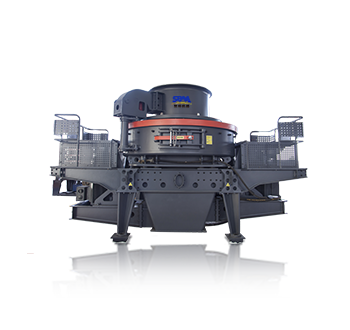
The വർട്ടിക്കൽ ഷാഫ്റ്റ് ഇമ്പാക്റ്റ് ക്രഷർ, also known as a sand making machine, uses a high-speed rotating impeller to accelerate material to extremely high velocities (up to 60–80 m/s), then projects it against the material layer or impact plates inside the crushing chamber. The material is crushed through high-velocity impact and friction.
ഈ കല്ല് കറിയുന്ന മോഡുകൾ രണ്ട് ആണ്: "രക്ക്-ഓൺ-രക്ക്" ഉം "രക്ക്-ഓൺ-ഐരണം" ഉം.
5.2 പോസിറ്റിവുകൾ
പ്രിമിയം മണൽ ഉൾപ്പെട്ടും അസോസിയേറ്റിങ്ങ്: അവസാന ഉൽപ്പന്നങ്ങൾ ക്യൂബികമായി നിലനിൽക്കുന്നവായും യുക്തിഹീനമായ ഗ്രേഡേഷൻ ഉളവാക്കുന്നതും അതിവാരാണ് ഫ്ലേക്ക്/നീളം നീട്ടി കേടു ഉണ്ടായ ഭാഗങ്ങൾ ഉള്ളതും, കോൺക്രീറ്റ് മിശ്രിത ശാലകളും ഡ്രൈ മിക്സ്ർ മോർട്ടർ ശാലകളും ഉണ്ടാക്കുന്ന കർശന നിലവാരത്തിന്റെ മാനദണ്ഡങ്ങൾ എന്നിവയെ അനുസരിക്കുന്നു.
രണ്ടു തകർക്കുന്ന മോഡുകൾ: റോക്ക്-ഓൺ-റോക്ക്" മോഡ് സ്വരം അടക്കുന്നതിനായി അനുയോജ্যമാണ്, അതേസമയം "റോക്ക്-ഓൺ-ഐരൺ" മോഡ് മണൽ നിർമ്മിക്കുന്നതിനായി അനുയോജ്യമാണ്; ആവശ്യകതകൾ പ്രകാരം മോഡ് തിരഞ്ഞെടുക്കാം.
നിയമിത ഊർജക്ഷാമം: തീർന്ന ഊർജ്ഭാരം കുറഞ്ഞു, ഉയർന്ന ഔട്ട്പുട്ട് വീതവും ഉണ്ട്, കൂടാതെ ഉയർന്ന ചലനം അനുപാതവും ഉണ്ട്.
ഉറച്ച longa നിലവാരത്തിൽ തുകൽക്കുക: മദ്ധ്യമന് മുതൽ ഉയർന്ന കഠിനതയും മുരുകും വസ്തുക്കളും (ഗ്രനൈറ്റ്, നദി കല്ലുകൾ എന്നിവയുള്ളത് പോലുള്ളവ) ഇത് വളരെ സുഗമമായി ഏറ്റെടുക്കുന്നതിനായി പരിചിതമായിരിക്കുന്നു.
ലോകങ്ങൾ SBM മണൽ നിർമ്മാതാവ്പരിശീലനമുള്ള നാല്-പോര്ട്ട് ഇംפּערലര് ഡിസൈന് ഓരോപ്പോഴും പരമ്പരാഗതമായ മൂന്ന്-പോര്ട്ട് ഇംפּערലറുകളെ അതിന്റെ throughput 20% വര്ദ്ധിപ്പിക്കുന്നു. ഹാമര്കളും അറ്റകുറ്റപ്പാങ്ങളും സേവനാശൂന്യമായത് 30%ത്തിലധികം കൂടി ദീര്ഘിപ്പിക്കുകയും നിലവിലെ മേതങ്ങളായ ചിലവുകളും കുറയ്ക്കുകയും ചെയ്യുന്നു.
5.3 കണ്ട്സ
കഠിന ഫീഡ് വലുപ്പ പരിധികൾ: പരമാവധി ഫീഡ് വലുപ്പം 60mm ആണ്; സാമഗ്രി ഈ ക്രഷറിൽ പ്രവേശിക്കുന്നതിന് മുമ്പ് പ്രാഥമികവും ദ്വിതീയവും ക്രഷിംഗിന് വിധേയമാകണം.
അഡ്ജസ്റ്ററിയ ഉപകരണങ്ങൾ: സ്ക്രീനിംഗ്, പുഷ്ക്കരണവും ശോഷണ രീതികളും ആവശ്യമാണ്, ഇതുവഴി ആരംഭികലവാടം കൂടുകയും സംവിധാനങ്ങളുടെ ശക്തി ഉപയോഗവും വർദ്ധിക്കുകയും ചെയ്യും.
ഉയർന്ന വീശാകതയോ ഉയർന്ന ഉള്ളനം (മഴയിലോ) ഉള്ള വസ്തുക്കൾക്ക് അനുയോജ്യമല്ല: ഉയർന്ന വീശാകതയോ ഉയർന്ന ഉള്ളനമോ ഉള്ള വസ്തുക്കൾ (>9%) പ്രവർത്തിയ്ക്കലിൽ തടസ്സങ്ങൾ ഉണ്ടാക്കാനുള്ള സാധ്യത കൂടുതലാണ്.
5.4 ഐഡിയൽ ആപ്ലിക്കേഷൻ സാഹചര്യങ്ങൾ
- ഉത്പാദിപ്പിച്ച മണൽ തയാറാക്കൽ ലൈനുകൾ.
- ഉച്ചസ്ഥാനമുളള മൊത്തം രൂപരേഖന (ക്യൂബിക് ഉള്ളടക്കം മെച്ചപ്പെടുത്തുകയും കണ രൂപം ഏകീകരിക്കുകയും ചെയ്യുന്നു).
- ടെയിൽ എൻജിൻ മാലിന്യം (പ്രോസസ്സിംഗ് മാലിന്യം നിർമ്മിത மணല്ലായി മാറ്റുക)നുള്ള വിഭവങ്ങൾ ഉപയോഗം

6. ക്രഷർ എങ്ങനെ തിരഞ്ഞെടുക്കാം? 6 പ്രധാന തീരുമാന ഘടകങ്ങൾ
ശരി കല്ലു കുഴിക്കുന്ന യന്ത്രം തിരഞ്ഞെടുക്കുമ്പോൾ, താഴെപ്പറയുന്ന ആറു കാര്യങ്ങൾ സമഗ്രമായും പരിഗണിക്കേണ്ടതാണ്.
6.1 സാധനത്തിന്റെ തരം ಮತ್ತು കഠിനത
പദാർത്ഥത്തിന്റെ തരം ಮತ್ತು കട്ടിയുള്ളതുക് ക്രാഷർ തിരഞ്ഞെടുപ്പിൽ നിർണായക ഘടകങ്ങളാണ്. വിവിധ പദാർത്ഥങ്ങൾ കട്ടിയുള്ളതിൽ വ്യത്യസ്തങ്ങളാണ്, ഇത് സാധാരണയായി മോഹ്സ് കട്ടിയുള്ളതിന്റെ അളവിൽ പ്രകടിപ്പിക്കുന്നു. മോഹ്സ് സ്കെയിൽ 10 നിലകളായി വിഭജിയ്തിട്ടുള്ളതാണ് - മോഹ്സ് കട്ടിയുള്ളതിന്റെ നമ്പർ ഉയർന്നതാകുമ്പോൾ, ഖനിജം കൂടുതൽ കട്ടിയുള്ളതായിരിക്കും, ഉൾക്കൂട്ടൽ കൂടുതൽ ആകർഷതയുള്ളതാകും, അതുപോലെంతയും, ഒട്ടും.
6.2 ഉരുക് മെനഞ്ഞു
രിക്കുന്ന യെ ഓടമുണ്ട്.

6.3 ഖാനിയുടെ ഭിന്നതയുടെ അളവ്
ഖനിജം ചിളി മാറുന്നതിന്റെ ഗ്രേഡ് ക്രഷറിന്റെ ഉത്പാദനപരധാനതയെ നേരിട്ടുള്ളതുകൊണ്ട് ബാധിക്കുന്നു. ചുണ്ടുകള്ക്ക് സമീപമുള്ള ലേഖനരേഖകളിൽ ഖനിജങ്ങൾ പൊട്ടിക്കപ്പെടുന്നു; അതിനാൽ, നല്ല വികസിതമായ ചിളി ഒഴുകുമ്പോൾ, തിട്ടമെടുത്ത കേടുപാടുകളും ശക്തമായ ഘടനകളുള്ള ഖനിജങ്ങളെക്കാൾ ചുംബനത്തിനും വളരെയധികം ഉത്പാദനക്ഷമത നൽകുന്നു.
6.4 ചോറും ഉത്പന്നത്തിന്റെ കണങ്ങളുടെ വലുപ്പം
റോക്കം மற்றும் ഉത്പന്ന കണികിടളങ്ങളുടെיקות ഉപയോഗിച്ച് ആവശ്യമായ കഷണീകരണ ഉപകരണത്തിനായി അനുയോജ്യമായ മോഡൽ மற்றும் കഷണീതി ഘട്ടം നിശ്ചയിക്കപ്പെടുന്നു.
നശിപ്പിക്കാൻ ഉപകരണമുള്ള ചേരുവ മഹത്തായ ഭാഗികങ്ങൾ ഉൾക്കൊള്ളുന്നുവെങ്കിൽ, കഴിഞ്ഞത് ഉയർന്ന കുറവ് അനുപാതം നേടേണ്ടതായിരിക്കും, ഇത് മെത്രയച്ചുള്ള ഉത്പാദന ശേഷിയെ കുറയ്ക്കും; എതിര്പ്പായി, ചേരുവ സുപ്രധാന ഭാഗികങ്ങൾ ഉൾക്കൊള്ളുന്നുവെങ്കിൽ, ആവശ്യമായ കുറവ് അനുപാതം കുറവായിരിക്കും, അതിൽ അനുബന്ധമായി ഉത്പാദന ശേഷി വർദ്ധിക്കും.

6.5 സൈറ്റ് നടപ്പുറവ്
പ്രവർത്തന സ്ഥലത്തിന്റെ ലഭ്യമായ പ്രദേശം ഒരു കല്ലെറിക്കുന്ന യന്ത്രം തിരഞ്ഞെടുക്കുമ്പോൾ ഉപഭോക്താവൾ പരിഗണിക്കേണ്ട ഘടകങ്ങളിൽ ഒന്നാണ്. കൂടാതെ, സ്ഥാപമായ സ്ഥലം പോലുള്ള ഘടകങ്ങൾ പോലും കല്ലെറിക്കുന്ന യന്ത്രത്തിന്റെ തിരഞ്ഞെടുപ്പിനെ സ്വാധീനിക്കുന്നു.
6.6 ഉത്പാദന ശേഷി
ഉത്പാദന ശേഷി മറ്റൊരു പ്രധാന സൂചകമാണ് 微信天天彩票 തീരുമാനത്തിൽ ക്രഷ്نگ ഉപകരണത്തിന്റെ തിരഞ്ഞെടുപ്പിൽ. സാധാരണയായി, ഉയർന്ന ശേഷി ആവശ്യങ്ങൾ വലിയ ഉപകരണങ്ങൾ ആവശ്യപ്പെടും, ഇത്നിരൂപണം കൂടാതെ инвестицияയും ഉത്പാദനവും വർധിപ്പിക്കുന്നു.
സംക്ഷേപം
ഓരോ അഞ്ചു തരം ക്രഷറുകളിലും തങ്ങളുടെ സ്വതന്ത്ര സവിശേഷതകൾ ഉണ്ട്. ശരിയായ കല്ലു ചിഴിമാനക്ടിരുന്നത് തിരഞ്ഞെടുക്കുന്നതിനുള്ള മുഖ്യ ലോഗിക് എന്നത്: സാമഗ്രിയുടെ കഠിനത ചിഴിമാന്പ് തത്വാസാധാരണ തത്വത്തെ നിർണയിക്കുന്നു, ശേഷി ആവശ്യകതകൾ ഉപകരണങ്ങളുടെ നിർദേശങ്ങൾ നിർണ്ണയിക്കുന്നു, പൂർത്തിയാക്കിയ ഉത്പന്നങ്ങളുടെ നിലവാരം പ്രക്രിയ സംയോഗത്തെ ബാധിക്കുന്നു, കൂടാതെ നിക്ഷേപ ബജറ്റാണ് അന്തിമ പരിഹാരം നിർണ്ണയിക്കുന്നത്.
നിങ്ങൾ ഇപ്പോഴും ക്രഷറ seçലേക്കുറിച്ച് സംശയിക്കുന്നുണ്ടെങ്കിൽ, നിങ്ങളുടെ സാധനങ്ങളുടെ ഗുണഭടനങ്ങൾ, ശേഷി ആവശ്യകതകൾ, പൂർത്തിയാക്കിയ ഉൽപ്പന്നങ്ങളുടെ മാനദണ്ഡങ്ങൾ SBMയുടെ ടെക്നിക്കൽ ടീമിനൊപ്പം പങ്കിടുന്നതിന് മടിക്കാതിരിക്കുക, അതിന് വിദഗ്ദ്ധർ നിങ്ങളുടെ ആവശ്യങ്ങൾക്കനുസരിച്ച് അനുയോജ്യമായ, കസ്റ്റമൈസ് ചെയ്ത പരിഹാരം ഒരുക്കും.


 പരിഹാരം നേടുക
 സന്ദേശം അയയ്ക്കുക