



Summary: Jaw crusher iku sawijining jinis peralatan mekanik sing digunakake ing industri pertambangan lan konstruksi kanggo ngrusak watu lan bahan sing gedhe dadi potongan luwih cilik. ...
Apa Iku Jaw Crusher in Javanese is "Crusher Jaw".?
Jaw crusher yaiku jinis peralatan mekanik sing digunakake ing industri penambangan lan konstruksi kanggo ngancurake watu lan bahan gedhe dadi potongan cilik. Jaw crusher kerja kanthi nggunakake rahang sing obah lan rahang tetep kanggo ngancurake lan ngiles watu. Bahan kasebut dipangan menyang jaw crusher dening pemakan getar, banjur dihancurkan ing antarane loro rahang.

Jaw crusher digawe saka sawetara bagéan, kalebu rahang tetep, rahang obah, lan pelat toggle. Rahang tetep dipasang ing rangka jaw crusher, lan rahang obah dipasang ing pitman. Pitman iku komponen obah sing disambungake karo pelat toggle liwat serangkaian tuas. Pelat toggle tanggung jawab kanggo ngetransmisikake daya saka pitman menyang rahang obah.
Gigi sing obah dipasang ing poros eksentrik, sing ngidini kanggo obah munggah lan mudhun kanthi gerakan melingkar. Nalika gigi sing obah mudhun, iku ngancurake bahan nglawan gigi sing tetep. Bahan kasebut banjur dibuwang saka ngisor mesin penghancur gigi, lan siap kanggo proses luwih lanjut.
Ana sawetara jinis mesin pemecah batu rahang sing kasedhiya ing pasar, kalebu mesin pemecah batu rahang tunggal, mesin pemecah batu rahang ganda, lan mesin pemecah batu rahang eksentrik overhead. Mesin pemecah batu rahang tunggal yaiku jinis sing paling umum, lan dirancang kanthi bukaan panganan sing gedhe lan mekanisme toggle sing sederhana. Mesin pemecah batu rahang ganda luwih maju, lan duwe mekanisme toggle sing luwih kompleks sing ngidini kontrol sing luwih tepat saka proses pemecahan. Mesin pemecah batu rahang eksentrik overhead luwih langka, nanging dirancang kanthi poros eksentrik sing nyebabake rahang sing obah obah kanthi gerakan luwih sirkuler, sing ngidini proses pemecahan sing luwih efisien.
Prinsip Kerja Jaw Crusher in Javanese is "Crusher Jaw".
Prinsip kerja saka jaw crusher yaiku nalika jaw munggah, sudut antarane jaw tetap lan jaw sing obah dadi luwih gedhe, lan bahan-bahan bisa dirusak. Kabeh jaw crusher nduweni loro jaw: salah siji tetep lan liyane obah. Prinsip kerja saka jaw crushers adhedhasar gerakan bolak-balik saka jaw sing obah sing nyepet lan ngrusak watu utawa bijih antarane awake dhewe lan jaw tetep, nalika bahan mlebu ing zona antarane jaw.
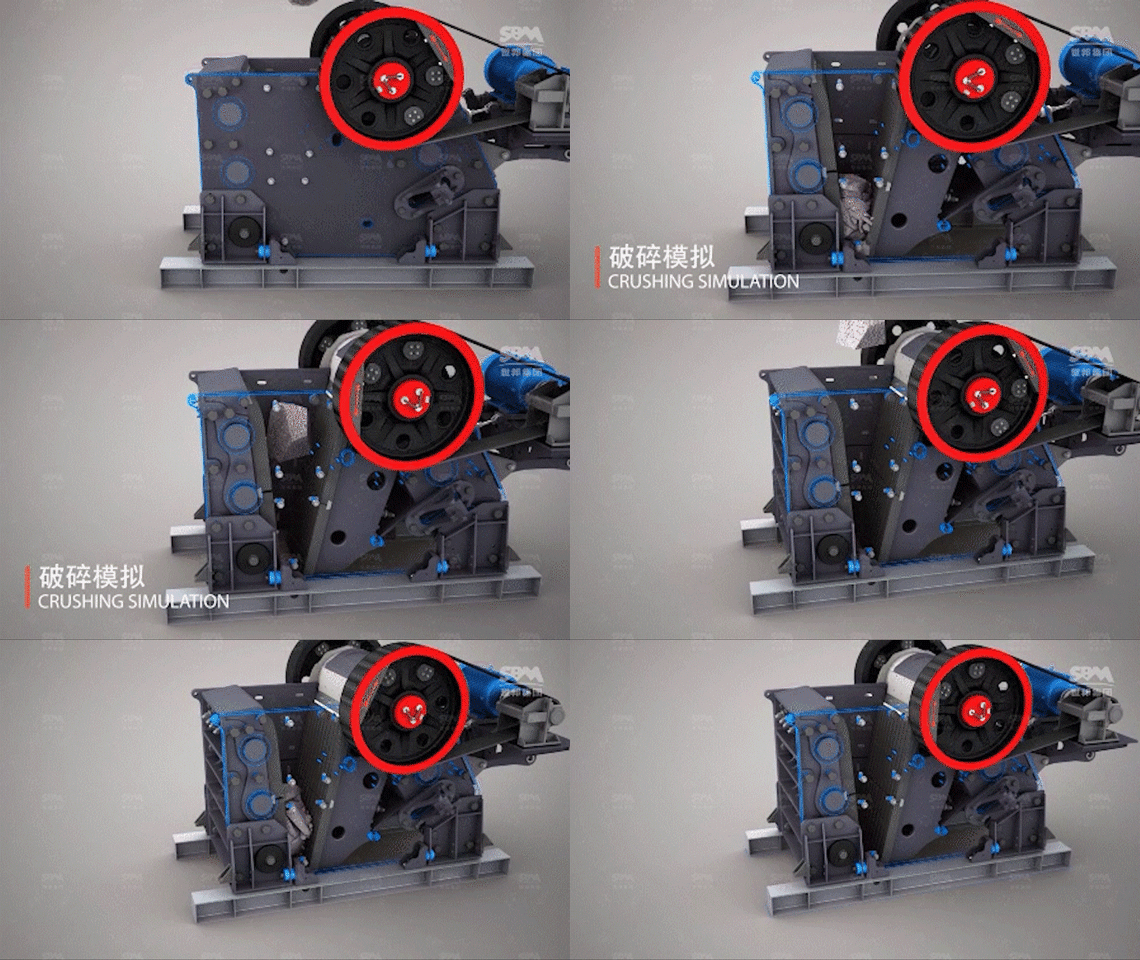
Proses ngrobohi kelakon nalika bahan umpan antarane loro rahang dikompres lan dirobohake dening rahang sing obah. Nalika rahang sing obah adoh saka rahang sing tetep, bahan sing wis dirobohake dicorong saka mesin ngroboh ing ngendi ngisor, kanthi ukuran bahan sing dicorong ditetepake dening celah antarane rahang.
Tindakan ngremuk saka jaw crusher disebabake dening gerakan saka swing jaw-nya. Swing jaw obah maju mundur kanthi mekanisme cam utawa pitman, tumindak kaya nutcracker utawa tuas kelas II. Volume utawa ruangan antarane loro jaw diarani ruang ngremuk. Gerakan swing jaw bisa banget cilik, amarga ngremuk lengkap ora ditindakake ing siji stroke. Inersia sing dibutuh kanggo ngremuk bahan disedhiyakake dening flywheel berbobot sing obahake poros nggawe gerakan eksentrik sing nyebabake nutup celah.
Crushing rahang biasané dibangun ing bagian-bagian kanggo memudahkan proses pangangkutan yen kudu digawa menyang ndhuwur bumi kanggo nglakoni operasi. Crushing rahang diklasifikasikaké adhedhasar posisi rahang ayun sing muter. Crusher Blake—rahang ayun dipasang ing posisi ndhuwur; crusher Dodge—rahang ayun dipasang ing posisi ngisor; crusher Universal—rahang ayun dipasang ing posisi menengah.
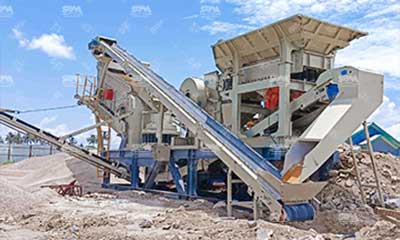
Cocok kanggo ngethak bahan keras lan kasar, jaw crusher umume digunakake minangka crusher utama ing tambang, quarry, lan daur ulang amarga kinerja sing dipercaya. Faktor sing kudu dipertimbangake kalebu jinis bahan, ukuran bahan baku, ukuran output sing dikarepake, kapasitas, kebutuhan daya, biaya, lan syarat perawatan. Versi mobile lan stasioner nyukupi kebutuhan lokasi sing beda-beda.
Sing ringkes, jaw crusher iku mesin sing kuat lan awet sing cocog kanggo tahap pangrangsangan awal ing akeh industri. Ngerti desain kasebut lan milih jinis sing pas njamin kinerja optimal kanggo saben aplikasi pangrangsangan.


 Dapatkan Solusi
 Kirim Pesen