




Summary: Szénhamu az egyik ipari hulladék Kínában, amely nagy mennyiségben keletkezik. A villamosenergia-ipar fejlesztésével a szénből származó szénhamu kibocsátása is növekszik...
A hamu az egyik legnagyobb mennyiségben keletkező ipari hulladék Kínában. Az energiaipar fejlődésével a szén tüzelésű erőművek által kibocsátott hamu mennyisége évről-évre növekszik. Ezért a hamu veszélyei is fenyegetik a társadalmi ökológiai környezet fenntartható fejlődését. Nemrégiben megtudtam, hogy...
Ismeretes, hogy a hamu a szén égetése során keletkező szilárd hulladék. Kínában a nagyszámú széntüzelésű erőmű miatt a hamu a ipari szilárd hulladék egyetlen forrásává vált, éves kibocsátása meghaladja a 300 millió tonnát. Jelenleg azonban számos módszer és intézkedés létezik Kínában a hamu újrahasznosítására. Például a kínai Huaneng Yuhuan erőmű jelentős erőfeszítéseket tett nemzetközileg fejlett gyártási berendezések bevezetésére, hogy a hamuból építőanyagot állítsanak elő. Az elmúlt két évben a Huaneng Yuhuan erőmű...
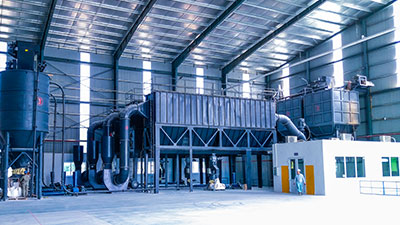
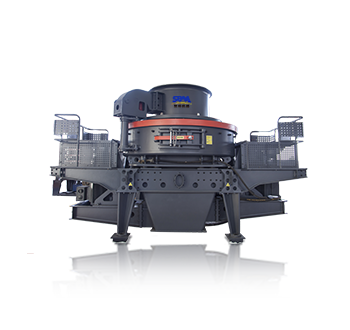
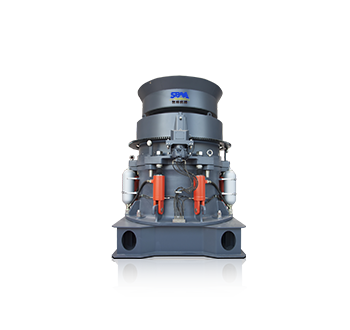
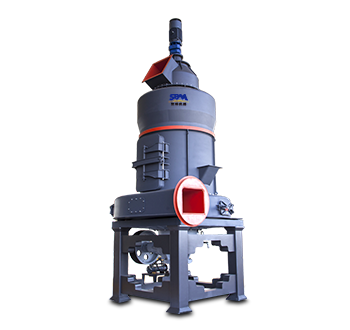
A milllelő berendezések sorozata képes az égéstermékeket finom porrá aprítani különböző szemcseméretben. Különösen, az Raymond malom A berendezés háromdimenziós szerkezettel rendelkezik, kis lábnyommal, teljes termék készlettel, egységes finomságú végső porral, valamint 99%-os áteresztési aránnyal. A fennmaradó hamu feldolgozható az építőanyagok területén. A feldolgozott hamu keverhető megfelelő mennyiségű gipszel, és hozzáadható egy bizonyos mennyiségű aggregátum, például pernye vagy víz-hűtött slag is. A feldolgozás, keverés, emésztés, kerék-malom, préselt formázás és légköri vagy nagynyomású gőzfűtés után falazati anyagokká alakítható. A sintered fly ash brick (héjamosó pernyetéglák) nyersanyagként használják a pernyét, márgát és más ipari hulladékokat; ezek előkészítése nyersanyag-feldolgozási, keverési, formázási, szárítási és égetési eljárásokon keresztül történik. Az autoklávos habosított fly ash szigetelőtéglák új típusú hőszigetelő téglák, amelyek fő nyersanyagként pernyét használnak, és hozzáadnak egy bizonyos mennyiségű lime-ot és habképzőszert, majd keveréssel, keveréssel, égetéssel és autokláv keveréssel készülnek. A fly ash, megfelelő mennyiségű gyorslime, cement, gipsz és alumínium por hozzáadásával, vízzel való keveréssel keletkező habarcs injectionálásával, majd formába öntéssel könnyű, porózus építőanyag állítható elő. A fly ash ceramsite kifejezetten könnyű, mesterséges adalékanyag, amelyet fly ash felhasználásával, kis mennyiségű kötőanyaggal és szilárd tüzelőanyaggal keverve, majd pelletizálva és magas hőmérsékleten sinterálva állítanak elő.


 Megoldás Kérése
 Üzenet küldése