




Summary: वाळू आणि दगडांचे जामिन प्रक्रिया तंत्रज्ञान ही टनल स्लॅगच्या उपचार आणि वापरासाठी महत्त्वाची आहे, मुख्यतः टनल स्लॅग पुनर्प्राप्तीची निवड, वाळू आणि दगड प्रक्रिया प्रणालींची निवड आणि रचना, वाळू आणि दगड जामीन प्रक्रिया तंत्रज्ञान, अशुद्ध पाणी उपचार, धूर आणि आवाज नियंत्रण इत्यादींचा समावेश असतो....
टनेल स्लॅगचा वापर स्थिती
1. टनल स्लॅग म्हणजे काय?
टनल स्लॅग म्हणजे टनल खणण्याच्या प्रक्रियेत उत्खनन केल्याने उत्पन्न झालेला दगडाचा कचरा.

2. टनल स्लॅगच्या असाधारण निपटणाचे धोक्ये
हायवे आणि उच्च मार्गात वायवीय टनल खणताना मोठ्या प्रमाणात टनल स्लॅग तयार होतो. बांधकाम तंत्रज्ञान आणि संघटनेच्या कारणांमुळे, टनल स्लॅग युजेसनोत्कणार नाही, आणि त्यानंतर विशेष कचरा क्षेत्र तयार करणे आवश्यक असते.
कृषीक्षम जमीन आणि वसांडलेल्या जमीन संसाधनांवर कब्जा
सुरंग खोदकामामध्ये निर्माण झालेल्या सुरंग तुकड्यांचा मनमानी नाश फक्त मोठ्या प्रमाणावर कृषीक्षम जमीन व्यापत नाही, तर ठिकाणाच्या कार्यावरही प्रभाव टाकतो, आणि पृष्ठमुखाच्या मातीच्या भौतिक आणि रासायनिक गुणधर्मांमध्ये बदल होऊ शकतो. एकाच वेळी, बांधकाम सामग्रींचा अवशेष मातीला भारी धातूंचा प्रदूषण होऊ शकतो, हे शेतात वाढणारी उपयुक्तता कमी करतो.

सौंदर्य प्रलयाच्या आपत्तींची संभावना वाढवा
सुरंग तुकड्याच्या खोदकामामुळे पृष्ठभागाचे क्षेत्र मोठ्या प्रमाणात व्यत्यस्त होते, ज्यामुळे मूळतः गंभीरपणे धिसलेले मातीच्या धसकाचे क्षेत्र वाढते. जर बांधकाम प्रक्रियेदरम्यान उपचारित आणि संरक्षित केले नाही, तर हे क्षेत्रीय मातीच्या धसका निर्माण करेल आणि मुख्य प्रकल्पाच्या सुरक्षेसाठी अस्थिर घटक आणेल, नदीजवळच्या प्रलयाच्या आपत्तींची संभावना वाढवेल.
आर्थिक संसाधनांचा अपव्यय
निळ्या बांधकामाच्या आवश्यकतांना पूर्ण करण्यासाठी, सुरंग खोदकामादरम्यान उत्पन्न झालेल्या मोठ्या प्रमाणात सुरंग तुकड्यांचे उपचार आवश्यक आहे. तथापि, दीर्घ अंतर्गत वाहतूक फक्त प्रकल्प खर्च वाढवते तर संसाधनांचा अपव्यय देखील करतो. म्हणून, अभियांत्रिकीमध्ये फेकून दिलेल्या सुरंग तुकड्यांचे योग्य उपचार करणे अत्यंत महत्वपूर्ण आहे.
3. सुरंग तुकड्यातून वाळू तयार करण्यावर निर्बंध
सुरंग खनिजाचा बहु-आकार बदल आणि निवडकतेची कमतरता
वाळू आणि खडी खाण्याच्या तुलनेत, मशीन-निर्मित वाळू तयार करण्यासाठी सुरंग तुकडा वापरण्यासाठी सर्वात मोठा तोटा म्हणजे सामग्री निवडक नाही. प्रकल्पाच्या नियोजनाच्या वेळापत्रकानुसार, तुकडा सुरंग बांधकाम प्रक्रियेत उत्पादित केला जातो, ज्याचा अर्थ खड्यांमध्ये फरक मोठा असू शकतो, आणि मशीन-निर्मित वाळूची गुणवत्ता अस्थिर आहे. जर तुकडा अनेक सुरंगांद्वारे उत्पादित केला गेला, तर ही स्थिती अधिक स्पष्ट होईल.
सुरंग तुकड्यांच्या समस्यांचा तंत्रज्ञानात अभाव
काही अभियांत्रिकी कर्मचार्यांना रस्ता भरणा याबद्दल सुरंग तुकड्याची फक्त सीमित माहिती असू शकते, आणि तिच्या कॉनक्रिट अभियांत्रिकीमध्येत उपयोगाबद्दल तांत्रिक समर्थन आणि वस्तुनिष्ठ समजण्याची कमतरता आहे, यामुळे तुकड्याचा अभ्यास आणि वापरण्यासाठी मानव, सामग्री, व वित्तीय संसाधने संघटन करण्यात कठीण होते.
मानकीकृत प्रक्रियेशी तंत्रज्ञानाची कमतरता
सुरंग तुकड्याची रचना जटिल आहे, आणि विविध प्रदेशांमध्ये सुरंग तुकड्याचा खनिज महत्त्वाने भिन्न आहे. सध्या, काही मानकीकृत उपचार योजना आणि प्रक्रिया नाहीत, आणि विविध स्थळांच्या विशेष स्थितीनुसार सानुकूलित उपचार योजना तयार करणे आवश्यक आहे.
सुरंग तुकड्याच्या अनुप्रयोग
1. मशीन-निर्मित वाळू तयार करणे
सुरंग तुकड्याच्या उपयोगाच्या तत्त्वानुसार, जास्त शक्ती असलेला तुकडा प्राथमिकतेने मशीन-निर्मित वाळूच्या उत्पादनात वापरला जाऊ शकतो.
2. खडी तयार करणे
सुरंग तुकड्यातील दुसरे कठोर दगड खडी तयार करण्यासाठी विचारात घेतले जाऊ शकतात, ज्याचा वापर पायाभूत, उपबेस किंवा पुल आणि सुरंग संरचनेमध्ये केला जाऊ शकतो.
3. पाण्याचे अत्यधिक संवेदनशील सामग्री
सुरंगातून खोदलेले नरम दगड आणि काही दुसरे कठोर दगड उपपृष्ठ भरण्यासाठी किंवा रस्त्याच्या आधार आणि नरम पायासाठी पाण्याचे अत्यधिक संवेदनशील सामग्री (तुकडा तोडणे आणि तुकडा स्वच्छ करणे) म्हणून वापरले जाऊ शकतात.
4. उपसतह भराव
टनेल खोदकामाची माती उपसतह भरावासाठी वापरली जाऊ शकते.

टनेल स्लॅगमधून वाळू आणि खडे तयार करण्यासाठी की तंत्रज्ञान
The process of tunnel slag sand production mainly includes: analysis of the type and grade of tunnel surrounding rock → selection of tunnel slag recovery → supply and demand analysis of tunnel slag and sand stone → comparison and selection of sand and gravel processing sites → design of sand and gravel processing technology → selection of sand and gravel equipment → construction of sand and gravel processing sites, installation of equipment → quality inspection of sand and gravel aggregates → adjustment of equipment.
वाळू व कंकणीचे एकत्रित घटकांची प्रक्रिया तंत्रज्ञान ही टनल स्लॅगच्या उपचार आणि वापरासाठी महत्त्वाची आहे, मुख्यत्वे म्हणजे टनल स्लॅग पुनर्प्राप्तीची निवड, वाळू व कंकणी प्रक्रिया प्रणालींची निवड व नियोजन, वाळू व कंकणीचे एकत्रित घटकांची प्रक्रिया तंत्रज्ञान, वाफेची उपचारविधी, धूळ व आवाज नियंत्रणे, इत्यादी.
1. टनेल भोवतीच्या खडकांच्या प्रकारांचे आणि दर्जाचे विश्लेषण
भोवतीच्या खडकांचा प्रकार वाळू आणि खडे तयार होऊ शकतील की नाही हे निश्चित करण्यासाठी एक मुख्य घटक आहे. भोवतीच्या खडकांचा दर्जा मुख्यतः टनेल स्लॅगच्या तुकड्यांच्या पातळीवर आणि भोवतीच्या खडकांच्या प्रकारावर अवलंबून आहे. उच्च सामर्थ्य असलेला भोवतीचा खडक वाळू आणि खडे तयार करण्यास वापरला जाऊ शकतो.
2. टनेल स्लॅग पुनर्प्राप्तीची निवड
टनेल स्लॅगची खालील वैशिष्ट्ये आहेत:
(1) टनेल स्लॅग विविध भाग किंवा युनिट्समधून येऊ शकते, आणि खडकाच्या प्रकारात, दाब सामर्थ्यात, हवेवर दिलेल्या डिग्रीमध्ये अवकाश गोलवर भिन्नता तात्काळ वाढते, ज्यामुळे मूळ साहित्याची विविधता आणि गुंतागुंती वाढते, त्यामुळे मूळ साहित्याची गुणवत्ता आणि स्थिरता सुनिश्चित करणे कठीण होते.
(2) टनेल स्लॅगमध्ये माती आणि मातीसारख्या अनेक अशुद्धता आहेत, आणि स्वच्छता कमी आहे. त्यामुळे अशुद्धता आणि माती काढून टाकण्यासाठी योग्य उपाय करणे आवश्यक आहे.
(3) अभियंता खोदण्याची मुख्य पद्धत ब्लास्टिंग आहे. टनेल खोदकामादरम्यान, क्रॉस-सेक्शन डिझाइनचा आकार आणि ब्लास्टिंग पृष्ठभाग लहान आणि ब्लास्टिंग बिंदू एकत्रित असल्यामुळे, ब्लास्टिंग स्लॅगचा सरासरी आकार लहान होतो, ज्यामध्ये अधिक पावडर आणि जाड पावडर कोटिंग असते.
टनेल स्लॅगच्या वैशिष्ट्यांच्या अनुषंगाने, जर सर्व स्लॅग एकत्र करून स्लॅग यार्डमध्ये ठेवले, तर मूळ साहित्याचा अस्थिरता होईल. मूळ साहित्याच्या गुणवत्ता चळवळीला कमी करण्यासाठी प्रारंभिक गाळणी आणि वर्गीकरण आवश्यक आहे.
टनेल स्लॅगच्या मूळ खडकाची गुणवत्ता सुधारण्यासाठी प्रभावी उपाय:
सर्वप्रथम, खोदण्यापूर्वी, स्थलांतराचे मोजमाप डेटा आणि भूगर्भीय सर्वेक्षण डेटा यांची तुलना करा, जेणेकरून विविध खोदणाऱ्या भागांची संबंधित खडकांची ओळख, सामर्थ्य आणि आवाक्याचा डिग्री निश्चित करावी, तसेच त्या वगळण्यात येणाऱ्या वाळू आणि खड्यांच्या एकत्रणासाठी कच्चे साहित्य म्हणून वापरता येईल की नाही हे ठरवावे, त्यामुळे टनेल स्लॅगचा स्रोत निवडता येईल.
यानंतर, खोदण्याच्या प्रक्रियेत, टनेल स्लॅगवर योग्य स्कीमिंग केली जाते, जसे की वाळू आणि खड्यांचे एकत्रण करण्यासाठी चांगल्या कार्यक्षमता आणि उच्च सामर्थ्य असलेल्या खडकांची निवड करणे. कण खाण्याच्या क्षेत्रांमधून, मऊ स्वरूपांमधून आणि कमकुवत स्वरूपांतील खोदलेल्या स्लॅग सामग्रीचा वापर वाळू आणि खड्यांचा समावेश करण्यासाठी केला जात नाही.
शेवटी, सुरंगातील स्लॅग स्लॅग यार्डमध्ये आणल्यानंतर त्याच्या गुणवत्तेनुसार वर्गीकृत केला जातो आणि गाठला जातो, ज्यामुळे एकाच ढिग्यातील स्लॅगच्या गुणवत्तेतील फरक कमी होतो, कामगिरी अधिक स्थिर राहते आणि ते वर्गीकृत करणे, प्रक्रिया करणे आणि उपयोग करणे सोपे होते.
3. वाळू आणि खत प्रक्रियेसाठी ठिकाण निवड आणि लेआउट
रेत आणि खरात प्रक्रिया प्रणाली मुख्यतः दोन प्रकारच्या असतात: निश्चित आणि मोबाइल. सध्या, मोठ्या आणि मध्यम आकाराच्या प्रणालींमध्ये मुख्यतः निश्चित प्रकाराचे वापर केले जाते. लीनियर अभियांत्रिकी (जसे की रेल्वेमार्ग, राष्ट्रीय महामार्ग, इ.) मध्ये लहान आकाराच्या रेत आणि दगड प्रक्रियेच्या प्रणालींसाठी मोबाइल प्रकारांचा वापर करावा लागेल.

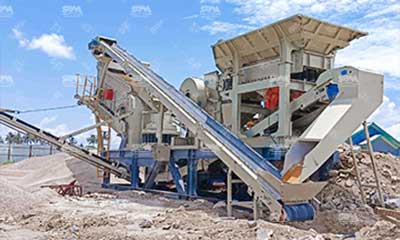
मोबाईल वाळू आणि कच्चा कण प्रक्रिया प्रणाली मॉड्युलर असेंब्ली स्वीकारते, जे आवाहन, स्क्रीनिंग, आणि वाळू तयार करण्याच्या प्रक्रियांना एकत्र करते. हे प्रकल्पाच्या वेळापत्रकासह उत्पादनासाठी जलदपणे हस्तांतरित केले जाऊ शकते आणि विविध प्रक्रियांच्या दरम्यानच्या वाहतूक अंतराला कमी करू शकते.
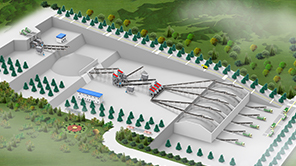
हीट वाळू आणि खडेर मातीच्या प्रक्रिया प्रणालीसाठी स्थळ निवड आणि व्यवस्थापन सर्वसमावेशकपणे कच्च्या मालाचे स्रोत आणि मिसळण्याच्या कारखान्याचे स्थान यांचे विश्लेषण करावे लागेल. प्रादेशिक विशेषतांचा, सुमारेच्या पर्यावरणाचा, साइटच्या आकाराचा (पूर्ण केलेल्या सामग्रीसाठी काही प्रमाणात साठवण आणि टनल स्लॅग साठवण लक्षात घेऊन), प्रणालीचा आकार आणि स्वरूप, उत्पादन प्रक्रिया आणि इतर घटकांच्या आधारे, उपलब्ध स्थळांमधून आदर्श स्थान निवडले पाहिजे आणि प्रगत तंत्रज्ञान, सोयीस्कर बांधकाम, विश्वासार्ह कार्यप्रणाली, आणि चांगली अर्थव्यवस्था, सुरक्षा आणि पर्यावरण संरक्षणाच्या आवश्यकतांना पूर्ण करण्यासाठी वाजवी योजना तयार करावी लागेल.
४. वाळू आणि खडक यांचे Aggregate प्रक्रिया तंत्रज्ञान
टनेल स्लॅगमधून वाळू आणि खडीच्या संयोगाची तयारी म्हणजे चिरणे, स्क्रीनिंग, आणि वाळू तयार करणे, ज्यामध्ये मुख्य प्रक्रिया आहे "अधिक चिरणे आणि कमी पीसणे, पीसण्याची जागा चिरण्याने घेणे, आणि चिरणे आणि पीसणे एकत्र करणे". प्रक्रिया करण्याच्या सामग्रीच्या विशेषता वाळू आणि खडीच्या संयोगाच्या प्रक्रिया डिजाइनवर थेट प्रभाव टाकतात.
तुटणे
क्रशिंग विभागांची संख्या खडकाच्या प्रकार, कठोरते, फीड कणांच्या आकार, बोगदा स्लॅगची आवश्यक प्रक्रिया क्षमता आणि इतर घटकांसोबत एकत्र करून सर्वसमावेशक विश्लेषणासाठी निश्चित केली जावी.
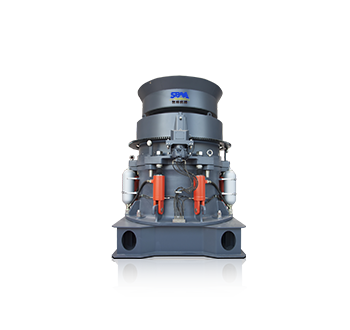
कडूपण जास्त असलेल्या आणि कडक खडकांसाठी, जसे की बॅसल्ट आणि ग्रॅनाइट, साधारणपणे 3-टप्प्यांचे कूटण प्रक्रिया वापरली जाते. मोटे कूटण्याकरिता, सामान्यतः जॉ क्रशर किंवा गायराटरी क्रशर वापरला जातो. मध्यम कूटण्यासाठी, मध्यम आकाराच्या कॉन क्रशरचा वापर केला जातो, ज्याचा कूटण्याचा प्रमाण तुलनेने मोठा असतो, तर बारीक कूटण्यासाठी, शॉर्ट हेड कॉन क्रशर वापरण्यात येतो.
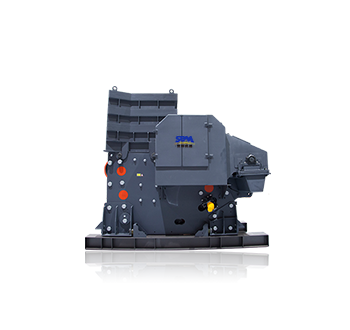
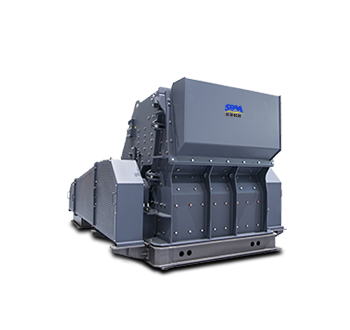
मध्यम किंवा नाजुक खडकांसाठी जसे की चुना आणि संगमरवर, दोन टप्प्यांची किंवा तीन टप्प्यांची चिरडण्याची प्रक्रिया वापरली जाऊ शकते. मोठ्या चिरडण्यासाठी, आम्ही प्रभाव क्रशर किंवा हॅमर क्रशर निवडू शकतो ज्यांचा चिरडण्याचा प्रमाण तुलनेने मोठा आहे. मध्यम आणि बारीक चिरडण्यासाठी, आम्ही प्रभाव क्रशर किंवा कोन क्रशर निवडण्याची शिफारस करतो.
क्रशिंग प्रक्रियेची तीन रूपे आहेत: ओपन सर्किट, क्लोज्ड सर्किट, आणि सेगमेंटेड क्लोज्ड सर्किट:
ओपन-सर्किट उत्पादन स्वीकारताना, प्रक्रिया सोपी आहे, चक्र भार नाही, आणि कार्यशाळेचा लेआउट तुलनेने साधा आहे, पण क्रमवारीत समायोजनाची लवचिकता कमी आहे. संतुलनामुळे, काही वेस्ट सामग्री असू शकते;
क्लोज्ड सर्किट उत्पादन स्वीकारताना, एकूण ग्रेडिंग सोपीपणे समायोजित करता येते, आणि कार्यशाळेची रचना तुलनेने एकत्रित असते. तथापि, प्रक्रिया जटिल आहे, चक्र लोड मोठा आहे, आणि प्रक्रिया कार्यक्षमता कमी आहे;
सेगमेंटेड क्लोज्ड सर्किट उत्पादन स्वीकारताना, एकत्रित ग्रेडेशनाचे समायोजन लवचिक आहे, चक्र लोड तुलनेने लहान आहे, परंतु कार्यशाळांची संख्या तुलनेने मोठी आहे आणि कार्यान्वयन व्यवस्थापन तुलनेने जटिल आहे.

स्क्रीनिंग
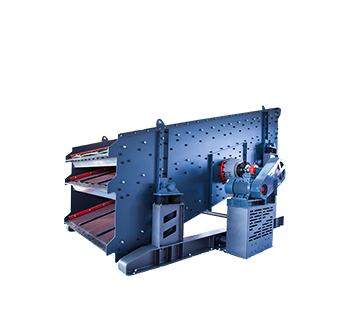
स्क्रीनिंग ही वाळू आणि खडी एकत्रितांच्या कण आकाराचे नियंत्रण करण्याची मुख्य बाब आहे, आणि सुरंगातील स्लॅग्ज तुटल्यानंतर स्क्रीन केले जातात आणि ग्रेड केले जातात. कम्पन स्क्रीनचा आराखडा चिखलाच्या प्रमाणानुसार, धुण्याची क्षमता, आवश्यक प्रक्रिया क्षमता, स्क्रीन केलेल्या कच्च्या पदार्थांचे ग्रेडिंग, बाहेर काढण्याची आवश्यकता इत्यादींच्या आधारे निश्चित केला पाहिजे.
स्क्रीनिंग प्रक्रिया क्षमतेची गणना करताना, खाद्य धोक्याच्या वोलॉमची चढउतार विचारात घेतली पाहिजे. बहु-स्तरीय स्क्रीनला स्तरीय पद्धतीने गणना करणे आवश्यक आहे, आणि सर्वात प्रतिकूल स्तरानुसार मॉडेल निवडले जावे आणि वेंटन दरम्यान материала स्तराची जाडी तपासली जावी. स्क्रीनच्या वेंटनच्या साठी सामग्री स्तराची जाडी जाळीच्या छिद्राच्या आकाराच्या 3-6 पट मोठी नसावी, (डिहायड्रेशनसाठी वापरताना कमी मूल्य घेतले पाहिजे).
बालू तयार करणे
1) वाळू तयार करण्याची प्रक्रिया
सुमटी आणि खडींच्या मिश्रणाची उत्पादन प्रक्रिया तीन पद्धतींमध्ये केली जाते: कोरडी पद्धत, ओलसर पद्धत, आणि कोरडी व ओलसर पद्धतींचे संयोजन.

(१) ओलसर पद्धतीने उत्पादन: जेव्हा कच्चा माल खूप माती किंवा मऊ कणांचा समावेश करतो आणि बारीक aggregate स्टोन पावडरचा प्रमाण तुलनेने जास्त असतो, तेव्हा हे योग्य असते. ओलसर पद्धतीने उत्पादनातून काही स्टोन पावडर काढून टाकण्यासाठी वापरले जाऊ शकते.
फायदे म्हणजे उच्च स्क्रीनिंग कार्यक्षमता, घटकाची पृष्ठभाग स्वच्छ आहे, आणि उत्पादन प्रक्रियेत माती नाही; हान्या म्हणजे उच्च जल वापर, दूषित जल उपचारात अडचण, बारीक घटक आणि दगडाच्या पावडरचा मोठा गमाव, आणि निर्जलीकरणात अडचण.
(२) शुष्क पद्धतीने उत्पादन: मुख्यतः स्वच्छ कच्च्या सामग्रीसाठी आणि कमी Fine Aggregate च्या वाळू निर्मिती दरासह व कमी दगडाच्या पावडर सामग्रीसह वाळू प्रक्रिया प्रणालीसाठी उपयुक्त.
याच्या फायद्यांमध्ये कमी पाण्याची वापर, कमी दगडाच्या पावडराचा नुक्षान आणि कमी किंवा नॉन वेस्टवॉटर ट्रीटमेंट समाविष्ट आहे.
अवगुण म्हणजे धूळ सामान्यतः मोठी असते, आणि जिथे धूळ जास्त आहे त्या क्षेत्रांना सील करणे आणि धूळ काढण्याचे उपकरणे बसविणे आवश्यक आहे. जेव्हा कच्चा माल पाण्याचा समावेश करतो, तेव्हा सूक्ष्म कण गाळणे सोपे नसते.
(3) कोर्या आणि गील्या पद्धतींचे संयोजित उत्पादन: सामान्यतः हे उत्पादन प्रक्रिया सूचित करते ज्यामध्ये रुंद खडीचे गीले उत्पादन आणि लघू खडीचे कोरडे उत्पादन यांचा समावेश असतो. ही उत्पादन पद्धत मुख्यतः अर्ध-कोरड्या आणि दगडाच्या पावडरचे कमी प्रमाण असलेल्या कच्च्या सामग्रीमध्ये उच्च मातीच्या सामग्रीसह वाळू आणि खडीच्या प्रक्रियाकरण प्रणालीसाठी योग्य आहे.
लाभ हा आहे की तो कोरडे आणि ओले उत्पादनाचे फायदे एकत्र करतो, कमी पाण्याची वापर, कमी जलनिकासी प्रक्रियेचा खर्च, अत्यवधारेच्या क्लीन पृष्ठभाग, बारीक खडी पावडरचा कमी नुकसान, आणि कमी धूळ.
अवगुण म्हणजे की, कच्चा माल पाण्याने धुतल्यानंतर उभ्या शाफ्ट प्रभाव क्रशरमध्ये प्रवेश करण्यापूर्वी निर्जलीकरण करणे आवश्यक आहे (कच्चा मालाचा आद्रता स्तर साधारणतः 3% पेक्षा जास्त नसावा, अन्यथा त्याचा वाळू तयार करण्यावर गंभीर परिणाम होईल).
२) वाळू बनवण्याचे उपकरण
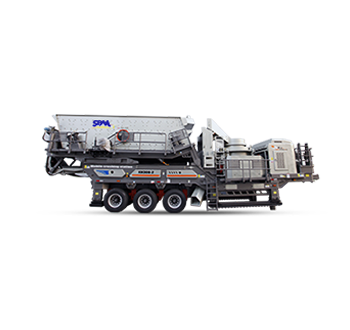
पाण्यावर वाळू तयार करणार्या उपकरणांची निवड वस्तुमान स्रोताच्या गुणधर्म, प्रादेशिक गुणधर्म, उत्पादन प्रक्रिया आणि वर्ज्याच्या आवश्यकता यावर आधारित ठरवली पाहिजे. सध्या बाजारात मुख्य प्रवाहात वाळू तयार करणार्या उपकरणांमध्ये उभ्या शाफ्टचा परिणाम करणारा क्रशर आणि टॉवरसारख्या वाळू तयार करणारी प्रणाली समाविष्ट आहे. ग्राहक प्रकल्प प्रगती आणि स्थळाच्या परिस्थितीनुसार मोबाइल क्रशिंग वाळू तयार करणारी उपकरणे देखील निवडू शकतात.
उर्ध्वाधर शाफ्ट प्रभाव क्रशर
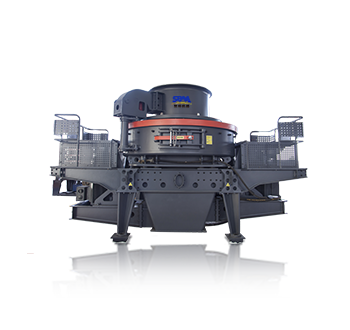
VSI6X श्रेणीच्या उभ्या शाफ्ट प्रभाव क्रशरने क्रशिंग चाळणीची रचना सुधारली आहे, "रॉक ऑन रॉक" आणि "रॉक ऑन आयरन" क्रशिंग प्रकारांसह सुसज्ज आहे, आणि "रॉक ऑन रॉक" सामग्री अस्तर आणि "रॉक ऑन आयरन" प्रभाव ब्लॉक रचना उपकरणाच्या कार्यरत स्थितीनुसार विशेषतः डिझाइन केले आहे, जे उपकरणाची क्रशिंग कार्यक्षमता लक्षणीयरीत्या वाढवते.
सामान्यतः, जेव्हा कच्चा माल बारकाईने चिरणारा असतो आणि त्यात मोठी घर्षण क्षमता असते, तेव्हा "रॉक ऑन रॉक" चिरण्यातली पद्धत निवडली पाहिजे; जेव्हा कच्चा माल मध्यम पूर्वक किंवा नाजूक असतो आणि घर्षण क्षमता मध्यम किंवा कमी असते, तेव्हा "रॉक ऑन आयरन" चिरण्यातली पद्धत निवडली पाहिजे.

२. टॉवरसारखी वाळू बनवण्याची प्रणाली
टॉवरसारख्या वाळू तयार करण्याच्या प्रणाली ही वाळू तयार करण्याची एक नवीन पद्धत आहे आणि मशीनने तयार केलेल्या वाळू उद्योगाच्या भविष्याच्या विकासातील एक ट्रेंड आहे. पारंपरिक मशीनने तयार केलेल्या वाळूच्या असमान ग्रेडिंग, उच्च पावडर आणि मातीचा समावेश, आणि कमी दर्जाची कण आकार यांसारख्या समस्यांचे समाधान करण्यासाठी, VU इंटिग्रेटेड सॅंड मेकिंग सिस्टीम ग्राइंडिंग तंत्रज्ञान आणि वॉटरफॉल शेपिंग तंत्रज्ञान स्वीकारते, ज्यामुळे तयार केलेली वाळू आणि खडीला योग्य ग्रेडिंग आणि गोल कणाचा आकार मिळतो, ज्यामुळे काळ्या आणि पांढऱ्या मिश्रणांचा विशिष्ट पृष्ठभाग क्षेत्र आणिछिद्रता प्रभावीपणे कमी होते. त्याच वेळी, कोरडे पावडर काढण्याचे तंत्रज्ञान स्वीकारल्याने तयार केलेल्या वाळूत पावडरचा समावेश समायोज्य आणि नियंत्रणात ठेवता येतो.
VU संपूर्ण संमिश्र वाळू तयार करण्याची प्रणाली लहान जागा व्यापते, पूर्णपणे बंद ढ transportation वाहतूक, उत्पादन आणि नकारात्मक दाब डस्टिंग डिझाइन स्वीकारते, कमी आवाज, कोणतेही गाळ, स्लज आणि धूळ निसर्ग यांचं उत्सर्जन नाही आणि राष्ट्रीय पर्यावरण संरक्षण आवश्यकता पूर्ण करते.

3. मोबाइल क्रशिंग आणि वाळू तयार करण्याची मशीन
K3 मालिकेचा मोबाइल क्रशिंग आणि वाळू उत्पादन रेखा नवीन प्रकारच्या मुख्य उपकरणाने सुसज्ज आहे, ज्यामध्ये पूर्ण आणि मजबूत गती आणि शक्ती आहे, आणि स्थिर आणि विश्वासार्ह ऑपरेशन आहे;
स्लेड प्रकारच्या स्वयंचलित उचलण्याच्या पायाभूत सुविधेसह सुसज्ज, हे जलद हस्तांतरण आणि सुविधाजनक स्थापना करण्याची परवानगी देते;
संपर्क स्थिती बदलल्यानंतर, ते एक निश्चित ओळ म्हणून देखील वापरले जाऊ शकते, ज्यामुळे ते túnel slag उपचारासाठी आदर्श निवड बनते.

५. पर्यावरण संरक्षण उपाय
अपशिष्ट जल उपचार
संधारण आणि ठोस-तरल विभाजन ह्यांचा वापर वाळू आणि खडीच्या प्रक्रियेत उत्सर्जित जलदुषणावर उपचार करण्यासाठी सामान्यतः केला जातो.
सिडिमेंटेशन उपचार सामान्यतः दोन टप्प्यात असतो: पूर्व सिडिमेंटेशन आणि सिडिमेंटेशन. या पद्धतीची गुंतवणूक कमी आहे आणि चालवणे सोपे आहे, परंतु हे मोठ्या क्षेत्रावर प्रभाव टाकते आणि हवामानाच्या निर्बंधांवर असुरक्षित असते.
घन-तरल विभाजन पद्धतीत, बाहेर पडणारे प्रदूषित पाणी सर्वप्रथम समृद्धी टाकीत एकाग्रतेसाठी ठेवले जाते, आणि एका निश्चित एकाग्रतेपर्यंत पोचलेल्या कचऱ्याच्या स्लॅगची यांत्रिक स्वरूपात निर्जलीकरण केले जाते. समृद्धी टाकीतील ओव्हरफ्लो पाणी सिडिमेंटेशन टाकीत स्पष्टतेसाठी जातं. ही उपचार पद्धत छोटे क्षेत्र व्यापते आणि हवामानाच्या परिस्थितींनी प्रभावित होत नाही. पुनर्चक्रणाचे दर सामान्यतः 70% च्या वर पोहचू शकतात, परंतु अभियांत्रिकी गुंतवणूक तुलनेने उच्च आहे.
सध्या, रेत आणि खडी प्रक्रिया प्रणालीतील प्रदूषित पाण्याचे उपचार सामान्यतः दोन पद्धतींचा संयोग स्वीकारतो: प्रथम सिडिमेंटेशनद्वारे जड कणांचा एक भाग विभाजित करणे, आणि नंतर बारीक कण एकत्रित करून निर्जलीकरणासाठी यांत्रिक पद्धती वापरणे. हे प्रदूषित पाण्याचे उपचार प्रणालीचे सामान्य कार्य सुनिश्चित करू शकते आणि खर्च नियंत्रित करू शकते.
धूळ नियंत्रण
रेत आणि खडी प्रक्रिया प्रणालीतील धूळ मुख्यतः चिरन्वयन, स्क्रिनिंग आणि ग्रेडिंग, सामग्री हस्तांतरण, आणि फीडिंग च्युट टप्प्यातून येते, जे न केवळ वातावरणाची अशुद्धता करते तर ऑपरेटर यांचे शारीरिक आरोग्यावर आणि आसपासच्या रहिवाशांवरही प्रभाव टाकते. सामान्यतः, पाण्याच्या स्प्रेयने धूळ काढणारे, जैविक नॅनो तंत्रज्ञानातील धूळ नियंत्रण आणि धुळ संकलन उपकरणे प्रणालीमध्ये संयोजित केली जातात.
शोर नियंत्रण
रेत आणि खडी प्रक्रिया प्रणालीमध्ये आवाज नियंत्रणाची मुख्य उपाययोजना खालीलप्रमाणे आहेत:
- कमी आवाजाचे उपकरणे निवडा जेणेकरून आवाजाची तीव्रता कमी व्हावी;
- आवाज कमी करण्यासाठी योग्य सामग्री निवडा;
- ट्रान्समिशनच्या मार्गांचा अवरोध करण्यासाठी किंवा ट्रान्समिशनदरम्यान आवाजाची तीव्रता कमी करण्यासाठी आवाजरोधक सामग्री वापरा;
- आवाजाविरूद्ध वैयक्तिक संरक्षण उपकरणे वापरा, इ.
सुरंग-स्लॅग रेताच्या कंक्रीटच्या मिश्रणाचा प्रमाण विश्लेषण
1. तयारीच्या ताकदीचे आणि पाण्याच्या सिमेंटच्या प्रमाणाचे निवड
यांत्रिक रेत कंक्रीटाची ताकद आणि पाण्याचे सिमेंट प्रमाण संबंधित संदर्भांचे पालन करावे लागते.
2. युनिट पाण्याच्या वापराची निश्चिती
नदीच्या रेताच्या कंक्रीटच्या तुलनेत, यांत्रिक रेत कंक्रीटाला समान स्लंप साधण्यासाठी अधिक पाण्याची आवश्यकता असते.
3. युनिट सिमेंटच्या वापराची निश्चिती
कमी श्रेणीच्या (C30 आणि खाली) यांत्रिक रेत कंक्रीटची तयारी करताना, आवश्यक ताकद प्राप्त करण्यासाठी, नदीच्या रेताच्या कंक्रीटच्या तुलनेत सिमेंटच्या वापरात वाढ करण्याची आवश्यकता नाही.
4. रेताचे प्रमाण निवड
मशीन बनवलेल्या वाळूच्या काँक्रिटसाठी वाळूच्या दराची निवड सामान्यतः नदीच्या वाळूच्या तुलनेत 2% - 4% अधिक असते, किंवा त्यापेक्षा जास्तही असू शकते. मशीन बनवलेल्या वाळूच्या ग्रेडेशन, दिसणाऱ्या भागां, सूक्ष्मता मोजणी, आणि दगडांच्या पावडरची मात्रा यांसारख्या घटकांमुळे, विशिष्ट मूल्य निश्चित करण्यासाठी पुढील प्रयोगांची गरज असते.
सुरंग स्लॅग उपचाराचे प्रकरणे
1. चेंगडु-कुन्निंग रेल्वेच्या सुरंग स्लॅगच्या रेताची तयारी
या प्रकल्पाच्या टunnel slag मध्ये मुख्य दगडे बॅसाल्ट आणि चुना आहे. आणि हा प्रकल्प पाण्याच्या स्रोताजवळ आहे, उत्पादनासाठी पुरेशा पाण्याची उपलब्धता आहे.
उपकरण संरचना:
१ कंपन फिडर, १ जॉ क्रशर, १ कोन क्रशर, १ ऊर्ध्वाधर शाफ्ट इम्पॅक्ट क्रशर, २ कंपन पडदे, १० कन्वेयर बेल्ट, १ सेट इलेक्ट्रिकल कॅबिनेट आणि केबल, १ सेट वाळू धुतलेली उपकरणे, आणि २ लोडर्स.
प्रक्रिया प्रवाह:
①गॅवली आवश्यक असलेल्या टनलसाठी शॉटक्रेटसाठी ५~१० मिमी गॅवली लागते, ज्यासाठी तीन श्रेणींचे योग्य आकार स्मोर्त केली आहेत, जसे की ५~१० मिमी, १०~२० मिमी, १६~३१.५ मिमी, आणि ४ मिमी पेक्षा कमी मशीन-निर्मित वाळू.
जाळ्याच्या आकारमानांची मापे ४ मिमी ( स्टील जाळी स्क्रीन ), ६ मिमी ( नायलॉन जाळी स्क्रीन ), १२ मिमी ( नायलॉन जाळी स्क्रीन ), २१ मिमी ( नायलॉन जाळी स्क्रीन ) आणि ३२ मिमी ( स्टील जाळी स्क्रीन ) आहेत.
② 4 मिमी मेष आकाराच्या स्क्रीनपासून असलेल्या लहान आकाराच्या साहित्याला मशीन तयार केलेले वाळू म्हणतात. वाळू तयार करणाऱ्या मशीनची गती (वाळू तयार करणाऱ्या मशीनची गती 1200r/min आहे) योग्य प्रकारे समायोजित करा ज्यामुळे मशीन तयार केलेल्या वाळूचे महीनपणा सूचक (फाइनेस मॉड्युलस) नियंत्रित होईल; वाळू धुण्याच्या मशीनमध्ये जलाची मात्रा नियंत्रित करण्याची पद्धत समायोजित करा ज्यामुळे वाळूची कणाकृती व दगडाचं पूड सामग्री नियंत्रित होईल.
सरावाने हे सिद्ध केले आहे की दगडी पावडरचे प्रमाण वाढवल्याने सूक्ष्मता मापांक कमी होऊ शकतो. तथापि, प्रत्यक्ष वापरात, मोठ्या प्रमाणात दगडी पावडर आणि वाळूच्या जास्त चिकटपणामुळे, बॅचिंग हॉपरमधून सामग्री सोडणे कठीण आहे आणि बॅचिंग दरम्यान मॅन्युअल साफसफाई आवश्यक आहे.
③4~6 मिमी कंकण पुनः वाळू बनवण्याच्या मशीनकडे जाते, 5~10 मिमी कंकणात 5 मिमीपेक्षा कमी आकाराच्या कणांच्या प्रमाणात घट होते, 6 मिमी जाळी आकाराच्या स्क्रीनवर असलेल्या कणांचा आकार 5~10 मिमी कंकण आहे, 12 मिमी जाळी आकाराच्या स्क्रीनवर असलेल्या कणांचा आकार 5~10 मिमी कंकण आहे, 21 मिमी जाळी आकाराच्या स्क्रीनवर असलेल्या कणांचा आकार 16~31.5 मिमी कंकण आहे.
२. जियानडे-झिंहुआ एक्सप्रेसवेच्या सुरंगाच्या स्लॅगमधून वाळूची तयारी
लाइनच्या भोवतालच्या सुरंगांचे खडक मुख्यत: तुफ आहेत.

प्रकल्पाचा आढावा:
कच्चा माल: तुफ, सुरंग स्लॅग
उत्पादन क्षमताः २६०ट/तास
उपकरणांची रचना: F5X कम्पन फीडर, PEW जांभई क्रशर, HST सिंगल सिलेंडर हायड्रॉलिक कॉन क्रशर, VSI5X वाळू बनवणारी मशीन, S5X कम्पन स्क्रीन व इतर सहाय्यक उपकरणे.
पूर्ण झालेला वाळू आणि वाहणारा वाळू: 0-5, 5-10, 10-20, 20-28 मिलीमीटर
प्रकल्पाचे फायदे:
उच्च गुणवत्ता: उच्च-स्तरीय बुद्धिमान क्रशिंग आणि वाळू तयार करण्याचे साधन संपूर्ण प्रकल्पाचे उज्ज्वल ठळकता आणि मुख्य अंग आहे. क्रशिंग विभागातील प्रगत हायड्रॉलिक नियंत्रण तंत्रज्ञान आणि प्रगल्भ उत्पादन प्रक्रिया संपूर्ण प्रकल्पाच्या कार्यक्षम आणि स्थिर कार्यप्रदर्शनाची हमी देतात; वाळू तयार करण्याच्या विभागाने तयार केलेली मशीनद्वारे बनवलेली वाळू समायोज्य कणाच्या आकाराचे वितरण आणि नियंत्रित केले जाऊ शकणारे मड सामग्री असते, जे इंजिनीयरिंग गुणवत्ता सुधारू शकते.
उच्च बुद्धिमत्ता: हा प्रकल्प PLC नियंत्रण प्रणालीसह सुसज्ज आहे, जो संपूर्ण उत्पादन रांगीच्या कार्यरत अवस्थेवर लक्ष ठेवू शकेल आणि नियंत्रित करू शकेल. बुद्धिमान उत्पादन कार्यशाळा उत्पादन कार्ये सुलभ करते, तर मानव संसाधन खर्च कमी करते, जे प्रकल्पाच्या खर्च नियंत्रणाला अनुकूल आहे.
उच्च लाभ: प्रकल्पाने २५०,००० घन मीटर मशीन-निर्मित वाळू वापरण्याची योजना आखली आहे. त्या वेळच्या प्रकल्पाच्या बाजारभावानुसार गणना केल्यास, नैसर्गिक वाळूचा बाजारभाव प्रति चौरस मीटर २८०RMB असून, यांत्रिक वाळूचा बाजारभाव प्रति घन मीटर १००RMB आहे, ज्यात फरक १८०RMB प्रति घन मीटरचा आहे. यामुळे सुमारे ४५ मिलियन RMB ची बचत होऊ शकते आणि महत्त्वपूर्ण अप्रत्यक्ष आर्थिक फायदे मिळू शकतात.


 समाधान मिळवा
 मेसेज पाठवा