




Summary: खानी र aggregates मा अधिकतम दक्षता र लागत बचतको लागि प्राथमिक, द्वितीयक र tertियरी चूर्णीकरण चयन र अनुकूलन गर्न कसरी सिक्ने।
खानी, निर्माण र पुन: प्रयोग उद्योगहरूमा कुचकाई एक महत्वपूर्ण प्रक्रिया हो। यसमा ठूला ढुङ्गाहरूलाई सानो, व्यवस्थित टुक्राहरूमा तोड्नु पर्छ, जसले थप प्रशोधन वा एकत्रित सामग्रीहरू उत्पादन गर्न सहयोग गर्छ। कुचकाई प्रक्रिया सामान्यतया तीन चरणमा विभाजित हुन्छ: प्राथमिक, माध्यमिक, र तृतीयक कुचकाईप्रत्येक चरणले निश्चित उद्देश्य पूरा गर्दछ र चाहिएको कणको आकार र आकृतिको प्राप्तिका लागि फरक प्रकारको उपकरण प्रयोग गर्दछ। यस लेखले यी तीन भङ्ग गर्ने चरणहरू, तिनीहरूको कार्य, प्रयोग गरिएका उपकरणहरू र समग्र भङ्ग गर्ने प्रक्रियामा तिनीहरूको महत्त्वको विस्तृत विश्लेषण प्रदान गर्दछ।

प्राथमिक, दोस्रो, र तेस्रो क्रशिङले ठूलो कच्चा पदार्थलाई सानो, प्रयोगयोग्य उत्पादनहरूमा परिवर्तन गर्ने क्रमिक प्रक्रिया दर्शाउँछ। प्रत्येक चरणको फरक भूमिका हुन्छ:
- प्राथमिक च्युँटले ठूला आकारको सामग्रीलाई व्यवस्थापनयोग्य आकारमा घटाउँछ;
- दोस्रो चक्कु छेदनले आणवा आकार र आकार थप परिष्कृत गर्दछ;
- तृतीय भंगले अंतिम उत्पादनलाई सटीक आकार नियन्त्रणसहित उत्पादन गर्दछ।
मुख्य कुचलन
प्राथमिक चिरेरू भनेको चिरीर प्रक्रिया को पहिलो चरण हो, जहाँ ठूलो, कच्चा सामग्रीहरू आफ्नो ओरिजनल आकारबाट सहज रूपमा ह्यान्डल गर्न मिल्ने आकारसम्म घटाइन्छ। प्राथमिक चिरेरले सबैभन्दा ठूलो सेवन कणहरूलाई सम्हाल्दछ, सामान्यतया केही सय मिलिमिटरदेखि एक मिटर भन्दा बढी व्याससम्म पुग्ने हुन्छ, जुन सामग्रीको स्रोतमा निर्भर गर्दछ। यस चरणको मुख्य उद्देश्य ठूलो आकारका सामग्रीहरूलाई साना टुक्रामा तोड्नु हो, जसलाई थप चरणहरूमा थप प्रक्रिया गर्न सकिन्छ।


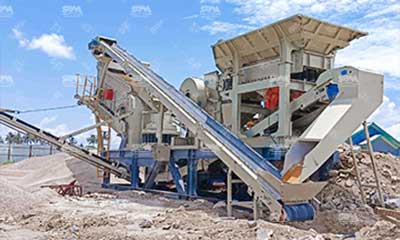
मुख्य कुचकाईं यन्त्रका सामान्य प्रकारहरूमा जब्रा कुचकाईं यन्त्र, घुर्ने कुचकाईं यन्त्र, र प्रभाव कुचकाईं यन्त्रहरू समावेश छन्।
- जब जिङ्गरहरू उनीहरूको सरलता, भरपर्दोता र ग्रेनाइट, बेसाल्ट र अयस्क जस्ता कडा र आँचल पदार्थहरूलाई सम्हाल्न सक्ने क्षमताका कारण व्यापक रूपमा प्रयोग हुन्छन्। तिनीहरूले एक स्थिर जिङ्गर प्लेट र एक चल्ने जिङ्गर प्लेटबीच पदार्थलाई चिच्याएर सञ्चालन हुन्छन्, जुन पुनःक्रमण गरेर संकुचन बल लागू गर्छ।
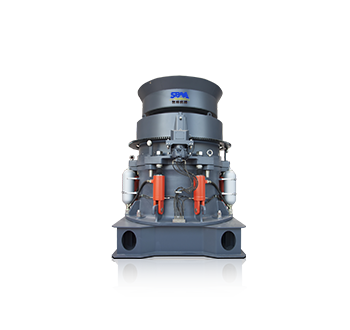
- ग्याराटोरी क्रशरहरू, अर्कोतर्फ, उच्च क्षमता भएका अपरेशनको लागि अधिक उपयुक्त हुन्छन् र प्रायः खानी कार्यहरूमा प्रयोग गरिन्छन्। तिनीहरूमा एक शंकु-आकारको चक्की सतह हुन्छ जुन स्थिर बाहिरी खोलभित्र घुम्छ, निरन्तर सामग्रीलाई चिर्दै जाँदा तलतर्फ सारिन्छ।
- प्रभाव क्रशरहरू, प्राथमिक चिपाइँमा कम सामान्य भए तापनि, चिसो पदार्थहरू जस्तै काठो र कंक्रीटका लागि प्रभावकारी हुन्छन्, उच्च गतिमा घुम्ने इम्पेलरहरूलाई प्रयोग गरी फिडलाई प्रहार र फुटाउने गर्दछ।
प्राथमिक क्रशिङको उत्पादन साइज सामान्यतया १०० देखि ३०० मिलिमिटरको बीचमा हुन्छ, यद्यपि यो विशेष आवेदन र प्रयोग भएका क्रशरको प्रकारअनुसार फरक हुन सक्छ। प्राथमिक क्रशिङमा मुख्य ध्यान दिने कुरामा एक समान उत्पादन तयार गर्नु हो जुन दोस्रो क्रशिङ चरणमा ऊर्जा र सफाइपूर्वक Feed गर्न सकिन्छ, अवरोध खोल्नु र डाउनस्ट्रीम उपकरणहरूमा अत्यधिक पहिरन नआउने गरी।
2. माध्यमिक कुटानी
माध्यमिक कुटानी प्राथमिक चरण पछि हुन्छ र प्राथमिक कुटानिबाट निस्कने पदार्थको आकारलाई थप घटाउँछ। यस चरणमा, खुवा पदार्थ सामान्यतया ५० देखि २०० मिलिमिटरको बीचमा हुन्छ, र उद्देश्य यसलाई १० देखि ५० मिलिमिटरको कणमा तोड्नु हो। माध्यमिक कुटानीले मात्र कणको आकार घटाउँदैन तर कणहरूलाई आकार दिन पनि मद्दत गर्छ, जसले गर्दा तिनीहरूको एकरूपता र विभिन्न अनुप्रयोगहरूका लागि उपयुक्तता सुधार हुन्छ।

शंकु कुटानी यन्त्र माध्यमिक कुटानीमा सबैभन्दा सामान्य प्रयोग हुने उपकरण हो, विशेष गरी कडा र
सेकंडरी क्रशिंगमा शंकु र प्रभाव क्रशर बीचको छनोट धेरै कारकहरूमा निर्भर गर्दछ, जस्तै सामग्रीको गुण, चाहिएको सामग्रीको आकार, र उत्पादन आवश्यकताहरू। उदाहरणका लागि, शंकु क्रशरहरू उच्च क्षमताका अपरेसनहरूका लागि गाह्रो सामग्रीहरूका लागि प्राथमिकता पाउँछन्, जबकि प्रभाव क्रशरहरू उच्च गुणस्तरको, वर्गाकार निक्षेप उत्पादन गर्न निर्माण कार्यहरूका लागि उपयुक्त हुन्छन्।
३. तृतीयक कुचलन
तृतीय चिर्दन प्रक्रिया चिर्दन प्रक्रियाको अन्तिम चरण हो, जहाँ सामग्रीलाई अन्तिम चाहिएको कण आकारसम्म घटाइन्छ। यस चरणले सामान्यतया दोस्रो चिर्दनाबाट आउने सामग्रीलाई प्रक्रिया गर्दछ, जुन सामान्यतया १० देखि ५० मिलिमिटरको बीच हुन्छ, र यसले केही मिलिमिटर देखि लिएर सानोतिनो धुलोसम्मको कण उत्पादन गर्दछ, अनुप्रयोग अनुसार।
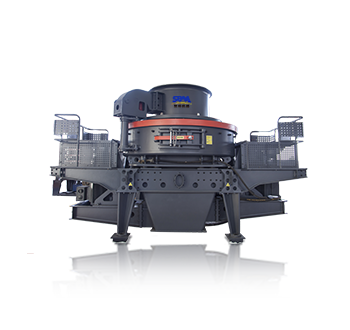
त्रितीय क्रसर्सहरू साना कटौती र आकार दिने कामका लागि डिजाइन गरिएका हुन्छन्, जसले सुनिश्चित गर्दछ कि अन्तिम उत्पादन कडा आकार र गुणस्तर मापदण्डहरू पुरा गर्छ। सामान्य प्रकारका त्रितीय क्रसर्समा कन् क्रसर्स (प्रायः सेकेण्डरी कन् क्रसर्सभन्दा छोटो र तीव्र क्रशिङ चेम्बर भएको), उभी शाफ्ट प्रभाव (VSI) क्रसर्स, र ह्यामर मिलहरू समावेश छन्। VSI क्रसर्स उच्च गुणस्तरको, वर्गाकार टुक्राहरू उत्पादन गर्न धेरै प्रभावकारी हुन्छ र साँझ र बालुवा उत्पादनमा व्यापक रूपमा प्रयोग गरिन्छ, जस्तै कंक्रीट र एस्फाल्टको लागि। यीले सामग्रीलाई उच्च गतिमा तीव्रता दिँदै छिटो प्रभावित पार्ने र स्थिर सतह वा अन्य कणहरूलाई टक्कर मारेर काम गर्दछन्, जसले निश्चित कण आकार नियन्त्रण र उत्कृष्ट रूप दिन्छ।
केही मामिलामा, अति सानो पीसाइका लागि चौथो क्रशिंग चरण थपिन सक्छ, तर यो कम सामान्य हुन्छ र सामान्यतया खनिज प्रशोधन जस्ता विशेष प्रयोगहरूका लागि तोकिएको हुन्छ जस्तै साना ग्रेडको अयस्कहरूको लागि।

परस्पर सम्बन्ध र प्रक्रियाको अनुकूलन
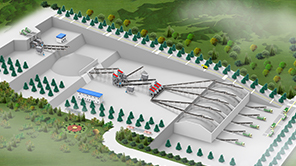
क्र्यासिङका तीन चरणहरू अन्तःसंलग्न छन्, प्रत्येक चरण पहिलेको आधारमा सही आकारको सामग्री प्रदान गर्न निर्भर हुन्छ। राम्रोसँग डिजाइन गरिएको क्र्यासिङ सर्किटले सुनिश्चित गर्दछ कि प्रत्येक क्रशर आफ्नो अनुकूल क्षमताभित्र सञ्चालन होस्, ऊर्जा खपत र घाला कम गर्दै उत्पादन गुणस्तरलाई अधिकतम बनाउँछ। उदाहरणका लागि, यदि प्राथमिक क्रशरले अत्यधिक ठूलो सामग्री उत्पादन गर्छ भने, यसले दोस्रो चरणको क्रशरमाथि बढी लोड ल्याउन सक्दछ, जसले कार्यक्षमता घटाउने र मर्मतसम्भार लागत बढाउने हुन्छ। विपरीत, यदि प्राथमिक क्रशरले सामग्री धेरै नै सानो गरी दिन्छ भने, यसले दोस्रो र तेस्रो चरणहरूमा भार बढाउँछ, जसले तिनीहरूको प्रभावकारिता कम गर्दछ।
आधुनिक कुचलनेका प्लान्टहरू प्रायः स्वचालित नियन्त्रण प्रणालीहरू प्रयोग गर्छन् जसले प्रक्रियाभरि फिड दर, कुचलने सेटिङहरू र सामग्री प्रवाहको निगरानी र समायोजन गर्दछन्। यी प्रणालीहरूले उत्पादनलाई अनुकूलन गर्न मद्दत गर्छन्, निरन्तर कण आकारहरू कायम राखेर, बन्द समय कम गरेर र समग्र दक्षता सुधार गरेर। थप रूपमा, कुचलने प्रकार र विन्यासहरू विशिष्ट सामग्री गुणहरू, जस्तै कठोरता, घर्षण, र नमी सामग्री, साथै इच्छित अन्तिम उत्पादन निर्दिष्टीकरणमा निर्भर गर्दछन्।
हरेक चरणको कार्यहरू र प्रयोगहरूलाई बुझ्दै, अपरेटरहरूले दक्ष, लागत-कम, र विभिन्न उद्योगहरूको चुनौतीपूर्ण आवश्यकताहरू पूरा गर्न सक्ने क्रसिङ सर्किटहरू डिजाइन र सञ्चालन गर्न सक्छन्, जस्तै निर्माण, खनन, मरुम उत्पादन र खनिज प्रक्रिया। प्रविधि जारी राखेदैं, नयाँ क्रशर डिजाइनहरू र नियन्त्रण प्रणालीहरूले यी महत्वपूर्ण क्रसिङ चरणहरूको प्रदर्शन र दिगोपनालाई अझ रूपले बढाउनेछन्।


 समाधान प्राप्त गर्नुहोस्
 सन्देश पठाउनुहोस्