

Ohun elo fifọ́


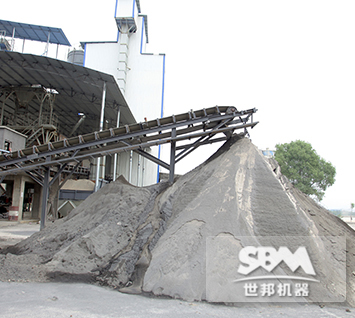
Pẹlu àwọn ọ̀ràn Àwọn Ìgbéyàwó Ìṣàkóso Ìṣowo Àbàtà Àlùkò Àpáta Nínú Ìpínlẹ̀ Hunan ni ọdun 2012, awọn iṣẹlọpọ ti awọn okuta ara ilẹ ti dinku nigbagbogbo. Meanwhile, traditional machine-made sand production line has such problems as poor grading, big fine modulus, mixed concrete with low strength and water pollution, etc., which incur criticisms. In light of this, LONGCHENG Inc. , the local famous manufacturer of concrete aggregate, purchased from SBM the world-class dry-type sand-making system---VU Àkójọpọ̀ Optimization System and put it into use in the late 2015, absolutely solving the problems existing in wet-type sand-making system like large fine modulus, low yield and severe dust pollution.
Hunan jẹ ọkan ninu awọn ipinlẹ ti o ni ọpọlọpọ okuta ara ilẹ, pẹlu awọn okuta ara ilẹ didara ti o pinpin ni adagun Xiang ati adagun Dongting. Ṣugbọn, ni ọdun diẹ sẹyin, ilọsiwaju ti a ko ni agbara ninu imọ-ẹrọ iṣelọpọ okuta ara ilẹ ati aiṣedeede ni ọja okuta ara ilẹ gbigba iṣẹ, ti ṣe iru awọn iṣẹlẹ iṣelọpọ aṣẹ-ti-kò-ni-ṣe lẹhin-lẹhin, ti o ti n ṣe ewu fun ọpọlọpọ awọn orisun okuta ara ilẹ ni Hunan ati ti pọ si iye owo ti awọn iṣẹlọpọ. Lẹhin iṣẹlẹ ti Àwọn Ìgbéyàwó Ìṣàkóso Ìṣowo Àbàtà Àlùkò Àpáta Nínú Ìpínlẹ̀ Hunan ni ọdun 2012, awọn iṣẹlọpọ ti awọn okuta ara ilẹ ti dinku nigbagbogbo.
Nínú àyíká tí iyanrìn títun ń dín kù sí i, tí iye rẹ̀ sì ń pé níwọ̀n tó, iyanrìn tí a ṣe nípa àgọ́ṣe, gẹ́gẹ́ bíi ìrọ́pò, ń gbàgbéde gbogbogbo, tí ó sì tún ń kún ipò iyanrìn tí a rí ní ìgbejáde. Títí di ìsinsin yìí, Hunan ti ṣe àwọn ìṣètò pupọ láti mú àwọn iṣẹ́ ṣíṣe iyanrìn tí a ṣe nípa àgọ́ṣe lágbekalẹ̀. Nínú àwọn àgbègbè kan, àwọn ohun èlò iṣẹ́ ìlú, àwọn àṣẹ àbẹ̀wò àtìlẹ̀wọ̀n àti àwọn òkúta tí kò lówo tí a fi ń ṣe iyanrìn láti mú ìgbékalẹ̀ àtúnṣeṣe wá, kí iṣẹ́ iyanrìn tí a ṣe nípa àgọ́ṣe baà jọ́ ìgbohunsafẹ́ àti agbegbe iṣẹ́ tuntun kan.
Traditional machine-made sand production used the wet-type sand-making system which controls the stone powder content through washing gumming technology. In the process of washing machine-made sand, part of the fine particles below 0.6mm would be removed with the mud, impurities and stone powder below 0.075mm. This would cause the poor grading, big fine modulus and concrete with low strength.Meanwhile, it also reduces yield, wastes resources, and leads to water pollution, impeding clean production.
Given the heavy demand for high quality machine-made sand in Hunan and the weaknesses brought by the wet-type sand-making system, sand-making enterprises have started to search for a new technology to replace it. So this time LONGCHENG.Inc. selected SBM’s VU Àkójọpọ̀ Optimization System which uses unique dry-type sand-making technology. It avoids the problems in wet-type technology and can process the high quality machine-made sand to replace natural sand. The VU system, therefore, has won high praise from cooperative enterprises in Hunan.
Àwọn ohun èlò àkọ́kọ́: àpáta igun (àwọn ohun tí a fà jáde láti àwọn ilé iṣẹ́ àwọn àpáta, àwọn èékún àpáta tí ó ní iye díẹ̀)
Ìwọ̀n tí wọ́n ń gbé: 5-15mm
Ìwọ̀n omi: <2%
Ìwọ̀n erùkọ: <1%
Ìlò ọjà: A lo ọ̀dá àpáta didà tí ó dára láti ṣe òkúta èdidi àti àdàpọ̀ òkúta; A lo ọ̀dá àpáta didà tí ó dára láti rọpo àwọn eefà.
Fine modulus of machine-made sand: 2.7±0.1
Ìwọ̀n didà àwọn ọ̀dá àpáta bá a ìwọ̀n àgbéyẹ̀wò keji àwọn eefà.
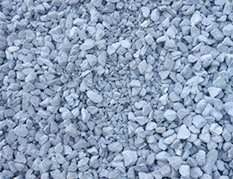
Ọ̀kúta igunjẹ
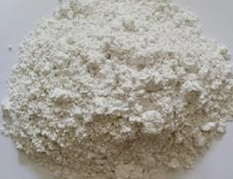
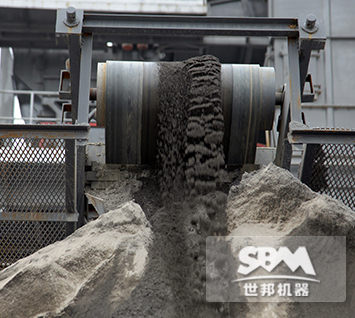
Ọ̀dá àpáta didà tí ó dára
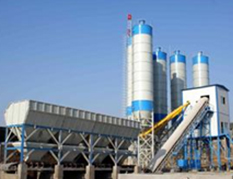
A lo ọ̀dá àpáta didà tí ó dára láti ṣe òkúta èdidi
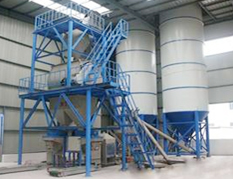
Àwọn èèkàn didà tí a lò fún ìdáàbò bòọ̀tì tí a ń dá pọ̀ ní àárín àgbà
Láti ṣe àṣeyọri àìní tí ń pọ̀ sí i fún awọn àlùkò àtọ̀wọ́tó àti àwọn ìbéèrè àwọn iṣẹ́ ti amọ̀kú **Explanation and Improvements:** The original Yoruba translation was likely a direct transliteration of the English text. This translation is much better. It recognizes that these are percentages, numbers, and technical terms. **Important Considerations:** * **Technical Terms:** "Chassis" and "Fineness modulus" are technical terms. A Yoruba-speaking expert in engineering or manufacturing would need to provide a more precise translation. * **"Ohun elo iṣelú ni ipele iṣelú":** "Ohun elo iṣelú ni ipele iṣelú" is grammatically correct, but not perfect in this context. A more natural phrase would depend on the specific context of the equipment. **Example of possible improvement (for "Ohun elo iṣelú ni ipele iṣelú"):** * **Eranko iṣelú lori ilẹ iṣelú:** (Ẹrù in the production line) * **Ohun elo ti nlo ni iṣelú:** (Ẹrù used in the production) This revised answer emphasizes the importance of context when translating technical texts.
The VU Àkójọpọ̀ Optimization System is a system designed to produce high-quality machine-made sand, which overcomes the problems in sand-making technology, including crushing, grinding and separating.
Nínú iṣẹ́-ìṣòwó yìí, VU Àkójọpọ̀ Optimization System ṣe àwọn ìwọ̀n gbogbo ti ìṣelọ́pọ̀ ègúnlọ́gìlọ́gbọn onísán fún oníṣẹ́.
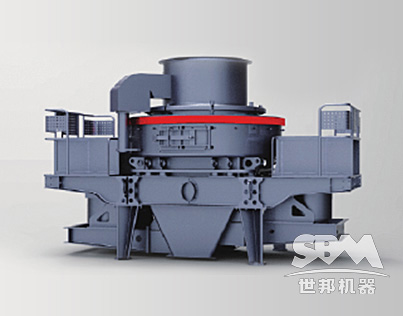
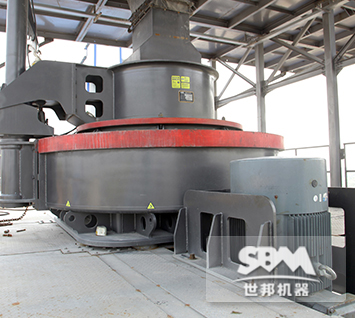
The new generation of Ẹrọ Ṣiṣelọ́pọ̀ Ègúnlọ́gìlọ́gbọn VU firstly realizes the grinding technologies including high-frequency "stone hitting stone" and "material cloud". Compared to VSI Sand Making Machine, the VU system increases the sand rate and fine sand rate by over 10%.
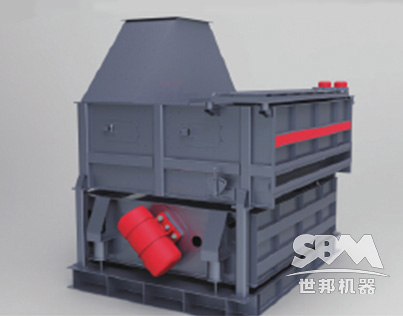
-----Gíga Èrè
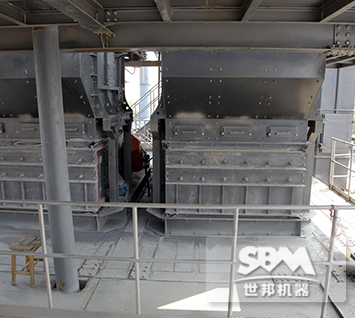
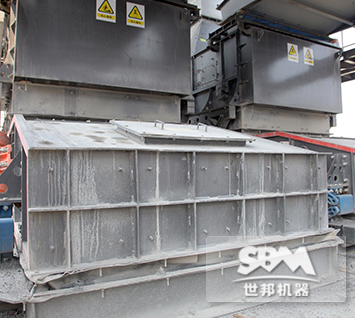
The combination of crushing, screening and powder separating, the screen can finish material screening and stone dust removing at the same time because of its full closure, dust removal using negative pressure and uniform screening.
Iwọn afẹ́fẹ̀ ati àdàpọ̀ ìrìn ààyè àwọn ohun èlò náà lè ṣe àtúnṣe pípé nígbà gbogbo láìsílọ́wọ́ àyípadà sí iṣẹ́ afẹ́fẹ̀ ati àwọn ẹya míràn. Iwọn didùn pípé ti iyanrin ni a le ṣakoso laarin 2.5-3.2, ipo ewu laarin 3-15%.
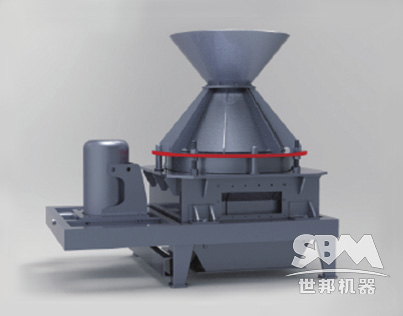
-----Ṣiṣe àwọn ara afẹyìn ní àrã
Imitating formation principle of natural sand, the machine adopts the global pioneering technologies of "low energy crushing and dressing" and "self-grinding via falling mode". which can validly remove the edges on the surface of final products and increase the volume of fine sand about 0.6mm, the voidage reduces 1-2%, the flow time 5%.
Imọ-ẹrọ tuntun ati ti a tọka si fun fifun aṣọ dinku lilo agbara ati ṣe igbesi aye awọn apakan ti o ni wahala gun (Labẹ ipo kanna, igbesi aye naa ju igba mẹwa lọ ju awọn oníjà àlùkò).
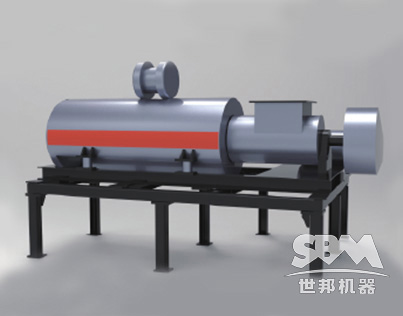
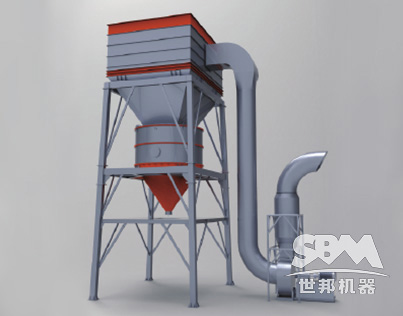
Lipolowo awọn oníjà epo eruku ina-ọna ati iṣẹ iṣẹ ti a ti pari dinku eruku ati ibajẹ, ti o baamu pẹlu awọn ilana orilẹ-ede ti "gbígbà".
The design of automatic monitoring and material discharging of fine ore bin makes the fine material storage and transportation possible by pressing a button. It greatly reduces labor intensity and operation costs.
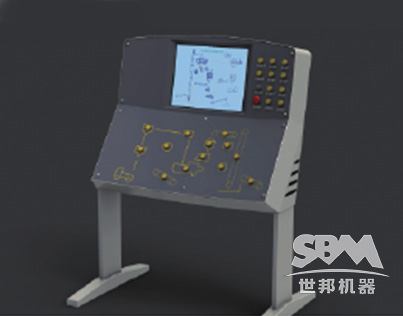
The controlling and monitoring tasks of all machines are integrated into the central control system, which greatly simplifies the operation process and ensures safe, continuous, and stable production.
Àtìlẹ̀yìn àti dídáàpọ̀ àwọn àyípadà iṣẹ́ tó dára jùlọ wa. Àti didáàpọ̀ àwọn ọjà dára. Àpapọ̀ ètò yìí lè mú ìṣelú àtiṣe jáde pọ̀ dára ju gbogbo ohun mìíràn lọ.
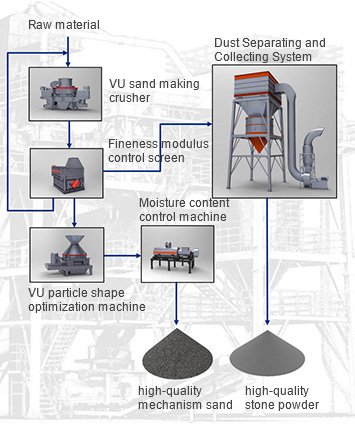
Àkọ́kọ́:
Íyọ̀: Àwọn òkúta tí a fà ya wọ inú Ẹrọ Ṣíṣe Èèkàn VU láti fọ́. Àwọn ohun èlò tí ó ní àyíká fẹlẹfẹlẹ àti àwọn èèkàn tí ó wà níbẹ̀ ni a mú kúrò láti gba iwọn àkọsí àwọn èèkàn.
Àkọsí méjì:
Screening and grading: the crushed stone is evenly fed into the Iboju Ṣakoso VU FM through a feeder. Grading the machine-made sand is to precisely control the graduation of machine-made sand. Then the unqualified materials would be sent back into the crushers to be crushed again and redundant stone powder would be collected by the Ẹrọ Ṣíṣàì ẹ̀ẹ̀jì àti gbigba eruku.
Etúúgbà kẹta:
Particle shape optimization: the qualified machine-made sand graded by FM Control Screen enters the particle shape optimization machine. The edges of the final sand would be removed here.
Etúúgbà kẹrin:
Ìtùnbẹ̀, àti gbigbé: Èrùku ọ̀pá tí a ṣe ní ọ̀gbìn tí a ti ṣe atunṣe wọ inú oníṣakoso àyípadà ìgbàgìrìn láti túbẹ̀. A ó ṣakoso ipò omi inú èrùku ikẹhin láti túbọ̀ rí i dájú pé a ní àláìdá nínú èrùku tí a ṣe.
Etúúgbà karùn-ún:
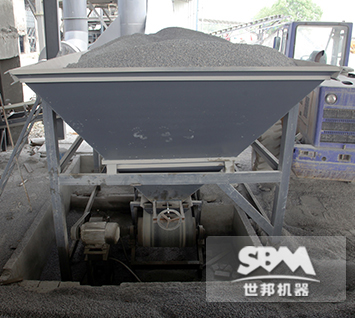
Transportation, storage and packing: The redundant stone powder is collected by the pulse dust collector and then sent into the finished product tank for storage through a pneumatic carrier. Finally, the final products are transported after being packed.
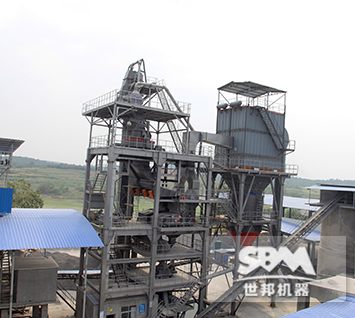
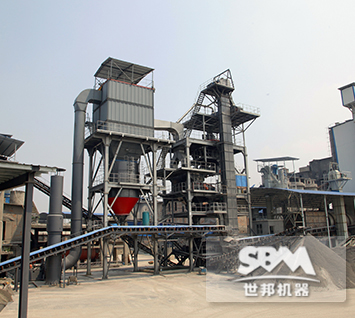
After fully understanding the customer’s conditions, we finally worked out a proper layout scheme after discussing the specific situation, conducting design and evaluating the scheme. It ensures a suitable, economical and profit-maximized production line customized for the customer.
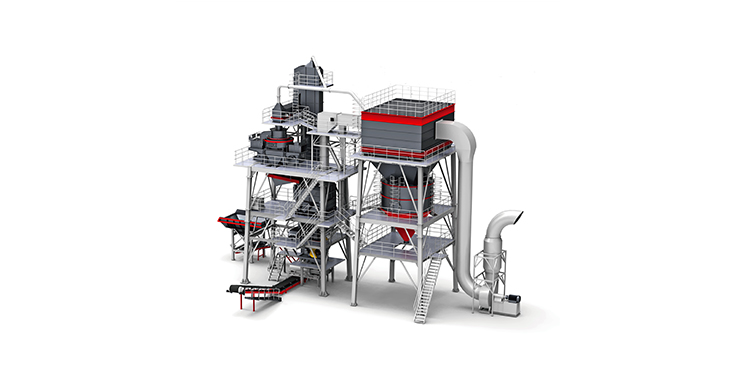
SBM ṣe agbègbè àgbékálé VU Àkójọpọ̀ Optimization tí a ṣe láti pade àwọn ìbéèrè fún ìyànsẹ̀/ìyànsẹ̀ àti modulus àlẹ̀.
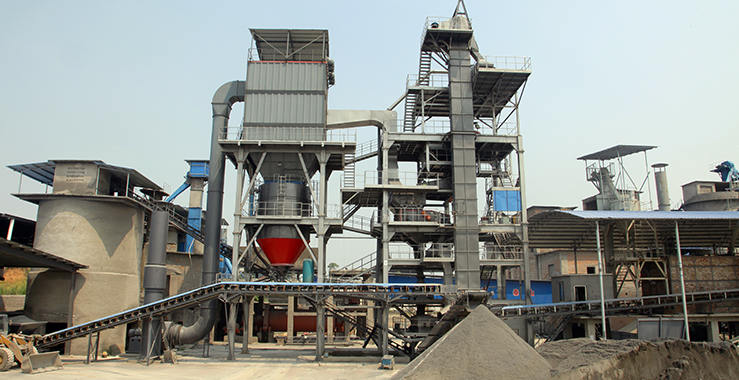
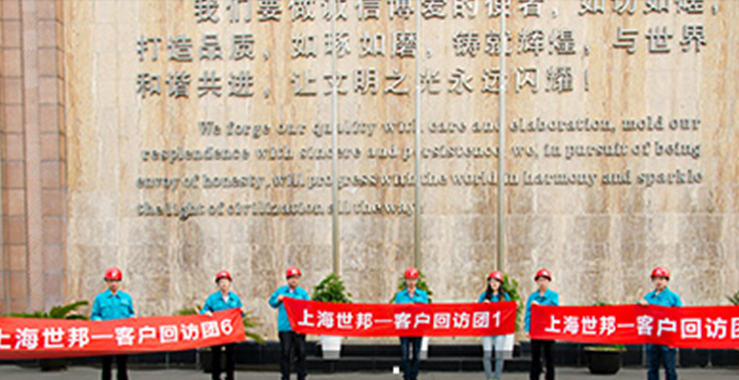
SBM has a skilled and experienced after-sale service team. All members are earnest and innovative. So far, thousands of engineering projects have accepted the installation and commissioning service. Meanwhile, SBM would help customers train their operating staff until they can operate the production lines independently.
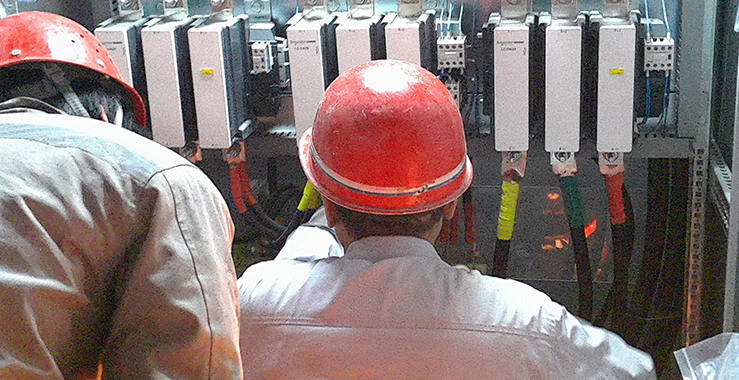
In order to make customers understand the machine maintenance and repair, SBM supplies customers with the machine instruction manual that shows the detailed analysis of the machines and marks each part. It not only helps customers know the machine structures but also makes the part replacement easier.
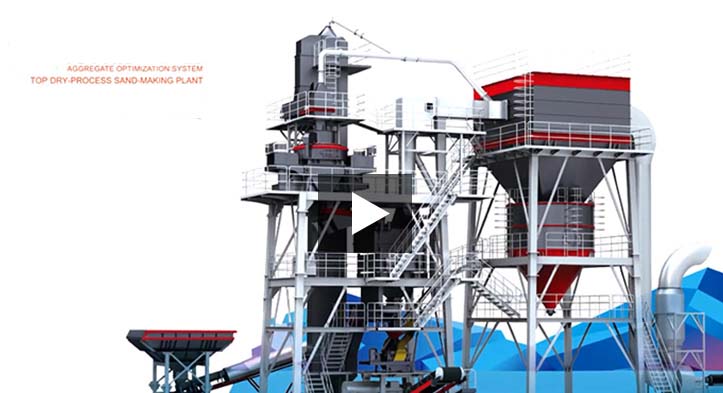
The whole VU Àkójọpọ̀ Optimization System production line offered by SBM is compact structurally and reasonable on design. This production line achieves maximizing productivity and minimizing operation costs. The whole production process is dustless and the redundant stone powder is recycled. The produced stone and sand have perfect grain shape. The sand grading is satisfying. So concrete preparation in the mixing plant is very stable and reduces the use of cement. The cost of production is, therefore, reduced.

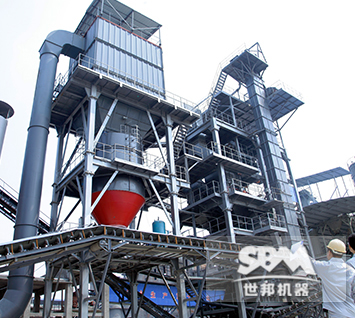
Grading: For dry-type sand-making system, after the powder separating machine, the soil particles in the artificial sand can be removed and the sand can meet the standard for construction. Besides, the stone powder content in artificial sand can be controlled by the powder separating system under the national regulations so that the compressive strength and mixability of concrete can be increased. For wet-type production, in the process of sand-washing, the washing sand would be removed with stone powder, leading to the shortage of washing sand in finished sand product and influencing the grading of sand.
Cost: The production cost of the dry-type sand-making production line is relatively low, because it uses a high-efficiency powder separator to separate sand and powder and does not require much water for washing.
Environment: Unlimited by water supply and environment, the dry-type sand-making system can produce sand in water-scarce areas. But for the wet-type sand making production line, making sand must be carried out in water-rich areas. And the production is impossible in winter in high-latitude zones.
Ààbọ̀ àyíká: Water in the dry-type production line is not required. The stone powder in the production can be used reasonably. So, to some extent, the water and minerals are saved. Moreover, it brings no sewage and sludge. It is more environmentally friendly than the wet-type sand-making production line.


 Atọ́ka-ìbéèrè