




Summary: 为锥式破碎机选择合适的衬板是一个多方面的决策,需深入了解材料特性、破碎机规格、生产目标和衬板设计……
In the realm of aggregate production, mining, and mineral processing, cone crushers stand as workhorses, relied upon for their ability to efficiently reduce medium to hard materials into precise particle sizes. Central to the performance, longevity, and cost-effectiveness of these machines are their liners—wear-resistant components that line the crushing chamber and directly interact with the material being processed. Selecting the right liners is a critical decision that impacts production efficiency, product quality, maintenance costs, and overall operational profitability. This article explores the key factors, considerations, and best practices involved in choosing optimal liners for cone crushers.

理解锥式破碎机衬板的作用
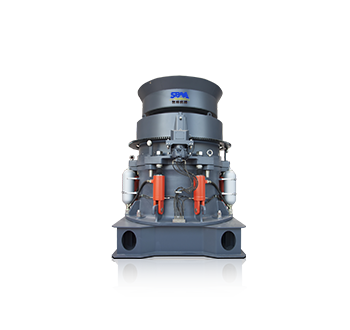
在深入探讨选择标准之前,了解衬板在锥式破碎机运行中的基本作用至关重要。锥式破碎机的工作原理是压缩,其中旋转的衬套(移动锥体)在固定的凹形衬体(固定锥体)内旋转,形成一个逐渐缩小的间隙,将物料夹在两者之间进行破碎。衬板覆盖了衬套和凹形衬体,是物料的主要接触点,吸收破碎过程中产生的冲击力和压缩力。
除了保护底层破碎机部件免受磨损和损坏外,衬板还会影响几个关键的性能指标:
- 颗粒尺寸分布 : The design and profile of the liners determine the crushing chamber’s geometry, which directly affects the size and uniformity of the final product.
- 吞吐量能力: Liner design impacts how material flows through the chamber, influencing the crusher’s ability to process material at a consistent rate.
- 能源效率正确匹配的衬板可有效减少不必要的摩擦和能量损失,降低功耗。
- 维护间隔 : 衬板磨损率决定了更换频率,这会影响停机时间和人工成本。
鉴于这些作用,衬板的选择必须采取系统的方法,同时考虑运营需求和物料特性。
影响班轮选择的关键因素
材料属性
被破碎材料的性质是选择衬板的最重要因素。几种材料特性需要仔细评估:
硬度和磨损性
材料 are classified by their hardness using scales such as the Mohs hardness scale or through compressive strength testing. Hard, abrasive materials—such as granite, basalt, quartz, and ore-bearing rocks—exert significant wear on liners. For these applications, liners made from high-chrome cast iron, martensitic steel, or alloy steels with high carbon content are preferred due to their superior wear resistance. In contrast, softer materials like limestone or sandstone may allow the use of lower-cost materials such as manganese steel, which offers good toughness but lower abrasion resistance.
含水量和粘土含量
含高水分或粘土的物料往往会粘附在衬里表面,导致积聚、吞吐量降低和磨损不均。在这种情况下,可能需要具有光滑轮廓或特殊防粘涂层的衬里。此外,具有破碎表面之间间隙增大的衬里可以帮助防止堵塞,确保物料的稳定流动。
尺寸和进料特性
进料物料的初始尺寸分布和形状会影响衬里设计。粗糙、形状不规则的进料可能需要线
破碎机规格和操作参数
圆锥破碎机本身的设计和操作设置在衬板选择中起着关键作用:
破碎机型号和尺寸
不同的圆锥破碎机型号(例如,标准型、短头型或中头型)都经过设计,具有特定的腔室几何形状和性能能力。衬板设计针对这些型号进行了调整,以优化性能。例如,用于细碎的短头破碎机,需要比标准破碎机具有更陡峭的腔室角度和更短高度的衬板, whi
减速比要求
The reduction ratio—the ratio of the feed size to the product size—dictates the liner’s profile. Higher reduction ratios (requiring finer final products) demand liners with a more gradual, multi-stage crushing action, while lower ratios may use liners with a simpler, more aggressive design.
工作速度和功率
破碎机速度(以每分钟转速,RPM计)会影响腔内的冲击力。高速运行会产生更大的冲击力,因此需要具有更高韧性的衬板以应付
生产目标和产品规格
衬里应被选用以与所需输出对齐:
产品尺寸和均匀性
如果应用需要紧密的粒径分布(例如,用于混凝土骨料),具有受控阶梯状轮廓的衬里是理想的选择。这些衬里引导材料通过一系列逐渐变小的间隙,确保减少的一致性。对于可接受更宽尺寸范围的应用,可以使用更开放的轮廓来提高产量。
产量
高产操作优先考虑那些尽量减少停机的衬里
衬里材料和设计考虑
材料组成
衬里材料的选择基于耐磨性、韧性和成本的平衡:
- 锰钢 (哈德菲尔德钢): 以其加工硬化特性而闻名,锰钢具有很高的韧性和抗冲击性,使其适用于磨蚀性较低的材料或冲击力较大的应用。它相对便宜,但在磨蚀性条件下磨损较快。
- 高铬铸铁: 由于其碳化铬,具有极佳的耐磨性
- 合金钢: 这些钢材针对特定应用定制,结合铬、钼和镍等元素,以增强耐磨性和韧性。它们通常用于既有冲击又有磨损的混合应用中。
- 复合材料: 一些制造商提供复合衬里,将不同材料(例如,高铬外层粘合到锰钢基体上)的层结合起来,以利用耐磨性和韧性的双重优势。
衬里轮廓和几何形状
衬板轮廓旨在优化物料流动和破碎效率:
- 标准档案具有逐渐变细的特点,平衡了通量和产品尺寸控制。它们通用且适合于通用应用。
- 粗糙的轮廓具有更深的口袋和更大的初始间隙,设计用于处理更大的进料尺寸,并在初级或二级破碎阶段提高产量。
- 精致的档案具有较浅腔和较小间隙的这些衬垫可生产出更细、更均匀的产品,非常适合三级破碎。
- 非卡阻型材: 包含凸肋或倾斜表面等特性,以防止物料堆积,适用于粘性或潮湿物料。
安装和更换注意事项
Liners should be designed for ease of installation and removal to minimize downtime. Features such as bolted connections, quick-release mechanisms, or self-aligning designs can simplify maintenance. Additionally, the weight and dimensions of liners must be compatible with the crusher’s access points and lifting equipment available on-site.
圆锥破碎机衬板维护及优化
即使是挑选得很好的衬里,如果没有适当的维护,也会表现不佳。定期监测衬里的磨损对于延长其使用寿命并防止过早失效至关重要:
- 视觉检查: 定期检查不均匀磨损、裂缝或材料堆积可以尽早发现问题。不均匀磨损可能表明错位、进料分配不当或衬里选择不当。
- 磨损测量: 使用卡尺或超声波测试定期测量衬里厚度,有助于预测更换时间,从而进行计划性更换。
- 绩效跟踪: 监测产品尺寸、吞吐量或功耗的变化可以信号衬里磨损。吞吐量突然下降或超尺寸物料增加通常表明衬里磨损,需要更换。
适当的安装同样至关重要。衬里必须牢固地固定,以防止运行期间的移动,这会导致破碎机加速磨损或损坏。必须遵循螺栓的扭矩规格,并使用垫圈或衬垫以确保紧密的配合。
选择合适的锥式破碎机衬板是一个多方面的决策,需要深入了解物料特性、破碎机规格、生产目标以及衬板设计。通过仔细评估这些因素,操作人员可以选择优化产量、确保产品质量、降低维护成本并延长设备使用寿命的衬板。


 获取解决方案
 发送消息
发送消息