




Summary: 锰矿选矿生产线集破碎、磨矿、分级、磁选、重选和脱水于一体……
锰矿石,作为钢铁制造、电池生产和各种工业应用的重要原料,需要高效的选矿以提高其品位并满足市场规格。
锰矿选矿旨在通过一系列物理和机械工艺将有价值的锰矿物从夹杂物(不需要的材料)中分离出来。生产线集成了破碎、研磨、分类、磁选、重力分选和脱水,针对锰矿的特点量身定制,锰矿通常为细颗粒,矿物解放和夹杂物成分变化多样。
锰矿选矿生产线的关键阶段
1. 粉碎阶段
粉碎阶段对于将原始锰矿石碎成能够在后续磨矿中有效解离矿物的粒度至关重要。该阶段采用闭路粉碎循环,以实现均匀的粒度分布。
- Feeder: 使用振动或带式给料机将原矿按量送入粉碎循环。它确保了稳定、可控的给料速率,防止粉碎机过载,并保持工艺的稳定性。
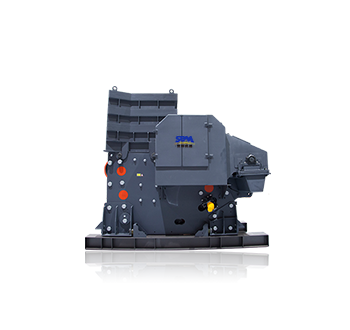
- PE颚式破碎机(初级破碎): 作为尺寸减小的初步阶段,PE颚式破碎机通过往复的颚板利用压缩力将原矿(通常
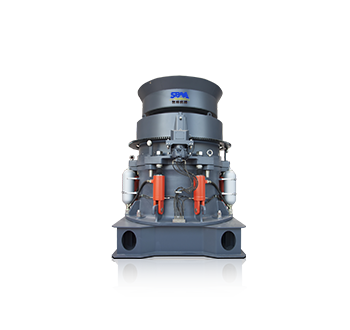
- 圆锥破碎机(次级破碎): 圆锥破碎机在固定的凹槽内以旋转的套筒操作,施加压缩和剪切力进一步将矿石减少到
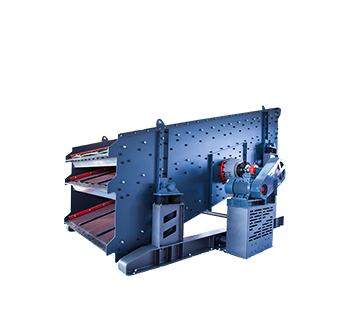
- 振动筛: 一个多层振动筛对破碎矿石进行分级。超大颗粒(>25毫米)被循环送回圆锥破碎机(形成闭路),而小于规定颗粒的矿石则进入小尺寸矿石料仓进行研磨。该配置提高了破碎效率,并确保了磨机进料粒度的一致性。

2. 研磨与分级部分
研磨与分级协同工作,从微观水平上解放锰矿物与废石。该部分采用闭路研磨回路来平衡细度和能源效率。
- 小型矿石仓和给料机: 粉碎的矿石存放在缓冲仓中,通过螺旋或皮带给料机送入磨机,以保持稳定的物料流。这可以防止磨机饥饿或超负荷,从而优化研磨动力学。
- 球磨机: The ball mill is a rotating cylindrical vessel partially filled with steel balls (typically 20–50 mm in diameter). As the mill rotates, the balls cascade and impact the ore, reducing it to a slurry with particles <75 μm. This comminution process is critical for liberating manganese minerals embedded within gangue particles, with liberation efficiency directly influencing downstream recovery.
- 螺旋分级器: Post-grinding, the slurry is directed to a spiral classifier, which separates particles based on settling velocity. Coarse particles (>75 μm) are returned to the ball mill for regrinding, while fine particles (<75 μm) proceed to beneficiation. This closed circuit minimizes overgrinding, reduces energy consumption, and ensures the ore is ground to the optimal fineness for mineral separation.
3.选矿段
这一阶段结合了磁选和重力分离,以浓缩锰矿物,利用它们相对于废石的物理特性(磁性、密度)。
- 筛分筛: 高频筛分筛去除研磨浆料中的粗大杂质或未研磨颗粒。此步骤确保送入分离器的物料粒度一致,从而提高分离效率。
- 高梯度磁选机(HGMS): Manganese minerals (e.g., manganite, psilomelane) often exhibit paramagnetic or ferromagnetic properties. The HGMS generates a high-intensity magnetic field (>1.5 T) using a matrix of ferromagnetic wires, attracting and separating magnetic manganese minerals from non-magnetic gangue (e.g., quartz, feldspar). This process can upgrade manganese grade from 20–30% to 45–55%, depending on ore type.
- 摇床(重力分离): For manganese ores with significant density differences (manganese minerals ~4.5–5.0 g/cm³ vs. gangue ~2.6–3.0 g/cm³), shaking tables are employed. These tables utilize differential motion and water flow to separate particles by density, concentrating manganese minerals in the concentrate zone while rejecting gangue as tailings. This step is particularly effective for recovering fine-grained manganese minerals missed by magnetic separation.
4.脱水和产品处理部分
最后阶段将锰精矿浆处理成适合储存、运输或进一步加工的低水分产品。
- 增稠剂: The manganese concentrate slurry is fed into a lamella or circular thickener, where solid particles settle under gravity. Polymer flocculants are often added to accelerate settling, increasing the slurry’s solids content from ~10–20% to ~50–60%. This reduces the volume of material requiring filtration, lowering operational costs.
- 真空过滤器: 旋转真空过滤器用于脱水浓缩的精矿。它利用真空压力通过过滤布抽取水分,产生含水量
- 浓缩筒仓: 脱水锰浓缩物储存在一个锥形底部的筒仓中,便于卸料并防止物料堆积。该筒仓确保持续提供浓缩物以供装载或下游工艺(例如,制粒)。
- 浆液泵和循环水: 重型浆液泵在工艺阶段间转移磨蚀性浆液,而水回收系统则从浓缩器、过滤器和尾矿中捕获并重复使用水。这减少了80%以上的淡水消耗,使得该工艺在环境上具有可持续性。
流程优势与优化
所示的锰矿选矿生产线提供了几个优势:
- 多种技术的集成: 通过结合破碎、磨矿、磁选和重力分离,该生产线可以处理多种锰矿类型,从氧化矿到硅酸盐矿。
- 能源与资源效率: 闭路破碎和磨矿以及水资源回收减少了能源和水消耗,使得该过程在经济和环境上可持续。
- 灵活性和可扩展性: 设备的模块化设计允许根据矿石特性和生产需求进行调整,从而实现小规模和大规模的操作。
The manganese ore beneficiation production line represents a comprehensive and efficient approach to upgrading manganese ore. Each stage—crushing, grinding, classification, beneficiation, and dewatering—plays a vital role in ensuring high manganese recovery and concentrate grade. By leveraging advanced equipment and integrated process design, this production line meets the industry’s need for sustainable and cost-effective manganese ore beneficiation, supporting the global demand for this essential mineral.


 获取解决方案
 发送消息
发送消息