




Summary: 了解为何肯尼亚的采石场正迅速采用移动破碎机而非传统的固定工厂。探索推动肯尼亚蓬勃发展的建筑行业转型的优势——成本效率、环境合规性和灵活性。...
Quarrying is a cornerstone of Kenya’s construction and infrastructure sectors, supplying essential materials such as aggregates, ballast, and sand for roads, buildings, and other projects. Traditionally, stationary crushing plants have dominated the landscape, but recent years have seen a rapid adoption of mobile crushing technology. This shift is not merely a matter of technological advancement; it is driven by a complex interplay of market demands, regulatory changes, environmental considerations, and the need for operational efficiency.
通过详细分析和现实案例研究,我们全面理解了为什么移动破碎机越来越成为肯尼亚采石场的优选,以及这对行业未来的意义。

2. 背景:肯尼亚采石业
2.1. 肯尼亚采石场概述
Kenya’s quarrying sector is diverse, ranging from small-scale artisanal operations to large commercial quarries. The primary products include:
- 碎石(道砟,骨料)
- 砂
- 积木
- 穆拉姆(红土)
These materials are vital for the country’s booming construction industry, which is fueled by rapid urbanization, population growth, and government infrastructure projects such as roads, railways, and affordable housing.
2.2. 传统破碎方法
历史上,大多数肯尼亚采石场都依赖于固定式破碎厂。这些破碎厂由固定式颚式破碎机、圆锥破碎机和筛分机组成,通常安装在混凝土基础上。虽然有效,但这些系统存在一些局限性:
- 高初始资本支出
- 地点迁移的灵活性有限
- 安装和调试时间长
- 将原材料运送到工厂的高物流成本
3. 移动破碎机的兴起
3.1. 移动破碎机是什么?
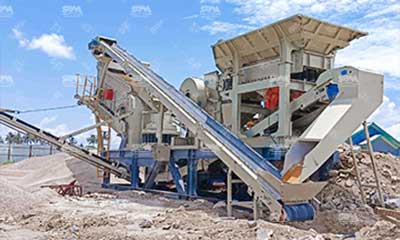
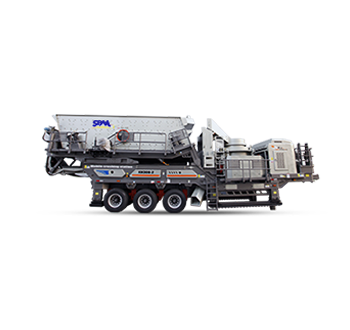
移动式破碎机是自-contained的破碎设备,安装在履带或轮子上。它们可以轻松运输,并在采石场或不同地点之间安装。主要类型包括:
- 移动颚式破碎机
- 移动圆锥破碎机
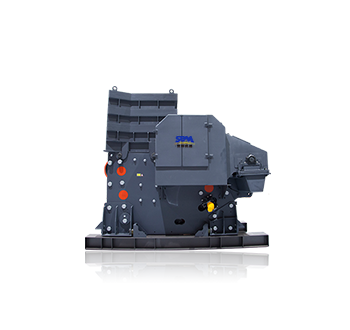
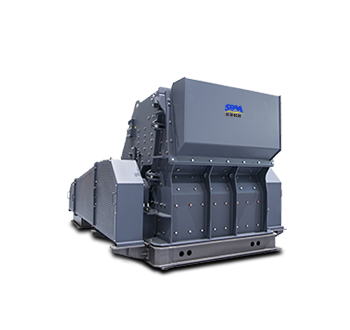
- 移动冲击式破碎机
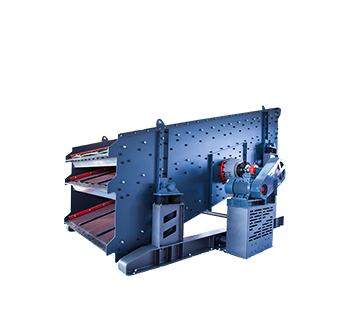
- 移动筛分厂
这些机器配备了车载电源、输送机和控制系统,使其能够独立运行或作为移动加工列车的一部分运行。
3.2. 在肯尼亚的采用趋势
在过去五年中,肯尼亚采石场运营的移动破碎机数量显着增加。设备供应商报告需求不断增长,并且一些高知名度的项目已采用移动解决方案。
4. 肯尼亚采石场为何转向移动破碎机
4.1 地理和物流的必要条件
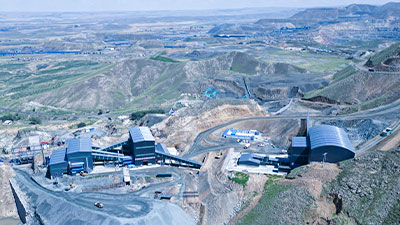
Kenya’s quarries are often situated in remote, rugged terrains, far from urban centers and infrastructure hubs. Traditional stationary crushers require substantial upfront investment in infrastructure—such as permanent foundations, power supply systems, and access roads—which can be prohibitively expensive in remote areas. Mobile crushers, however, eliminate these barriers:
- 机动性和可及性:履带式或轮式移动破碎机能够穿越崎岖地形,到达以前无法到达的采石场
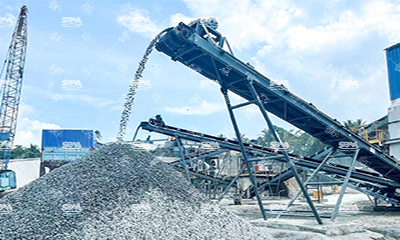
- 现场处理通过在提取点粉碎材料,移动式破碎机消除了运输大量原石长途运输的需要。这降低了运输成本(燃料、车辆维护)并最大限度地减少了物流瓶颈,尤其是在道路基础设施不完善的地区。
案例
A quarry in Machakos County, which previously spent 20% of its operational budget on transporting raw materials to a stationary plant, reduced costs by 12% after switching to a mobile crusher. The unit’s ability to move within the quarry also allowed the company to exploit multiple deposit areas without relocating the entire setup.
4.2 成本效益和灵活性
移动破碎机兼具较低的资本支出 (CAPEX) 和优化的运营支出 (OPEX) 的双重优势:
- 降低基础设施成本: Unlike stationary plants, mobile crushers require no permanent foundations or elaborate electrical systems. This reduces upfront costs by 30–50%, making them accessible to small and medium-sized enterprises (SMEs) that might struggle to finance traditional setups.
- 可扩展性: Mobile units can be deployed in phases, allowing operators to start with a single crusher and expand with additional modules (e.g., screening units, conveyors) as demand grows. This modular design aligns with Kenya’s fragmented quarrying sector, where many operators serve niche markets or seasonal projects.
- 燃料和能源节约: Modern mobile crushers often feature fuel-efficient engines or electric/hydraulic systems, reducing energy costs. For instance, a hydraulic mobile cone crusher can achieve the same output as a stationary unit while consuming 15–20% less energy.
4.3 适应动态市场需求
Kenya’s construction industry is highly diversified, ranging from large-scale infrastructure projects (e.g., the Standard Gauge Railway) to small-town housing developments. Mobile crushers excel in meeting varied aggregate requirements:
- 快速重新编程: 移动式设备可以通过调整破碎室尺寸或更换磨损部件,在破碎坚硬岩石(例如,用于路基的花岗岩)和较软材料(例如,用于水泥生产的石灰石)之间切换。这种灵活性使采石场能够在项目之间快速转换,而无需长时间停工。
- 按需生产: For short-term projects, such as road repairs or rural construction, mobile crushers can be deployed temporarily, eliminating the need for permanent plants. This is particularly valuable in Kenya’s emerging counties, where infrastructure development is sporadic but growing.
市场需求统计
- In 2023, Kenya’s aggregate demand reached 45 million tons, with 60% sourced from mobile crushing operations.
- 像内罗毕和蒙巴萨这样的城市地区需要高品质的立方体骨料用于混凝土,而移动冲击式破碎机能够高效地生产这些材料;而农村项目通常需要较粗的填充材料,可以通过移动颚式破碎机实现。
4.4 环境和法规合规性
Kenya’s National Environmental Management Authority (NEMA) has tightened regulations on dust emissions, noise pollution, and land degradation. Mobile crushers offer inherent environmental benefits:
- 减少生态足迹通过最小化运输,移动式单元减少了运输卡车的碳排放。肯尼亚采石协会的一项研究发现,移动式作业比固定式工厂每吨集料排放的 CO2 低 25%。
- 粉尘和噪音控制: 现代移动式破碎机具有封闭式破碎室、抑尘系统(例如喷水)和隔音装置,使其更符合 NEMA 标准。这对于靠近居民区(例如基安布县)的采石场至关重要。
- 恢复便利性: Mobile units leave minimal permanent infrastructure, simplifying land reclamation after quarrying activities, a requirement under Kenya’s environmental laws.
4.5 技术进步和地方创新
肯尼亚采用移动式破碎机,还受到技术升级和当地制造业适应性的推动:
- 智能破碎机: 国际品牌如 SBM 和 Terex 现在提供的移动式设备配备物联网传感器,允许实时监控性能(例如,产量、易损件使用寿命)。
- 本地定制: Kenyan engineers have modified mobile crushers to handle the country’s specific materials, such as volcanic rock in the Rift Valley. For example, adding harder manganese steel liners to jaw crushers has extended their lifespan by 30% when processing abrasive basalts.
- 移动式与半移动式解决方案: 虽然全移动式破碎机在小型作业中占主导地位,但半移动式(将可移动性与更高产能相结合)工厂在中型采石场正获得关注。这些设备可以拆卸并按部分移动
移动破碎机提供无与伦比的灵活性、更低的运营成本和改进的环境性能,使其成为各种应用的首选。
As the industry continues to evolve, mobile crushers will play an increasingly important role in meeting Kenya’s construction and infrastructure needs.


 获取解决方案
 发送消息
发送消息