




Summary: Mine మరియు సమ్మేళనాలలో గరిష్ట కార్యాచరణ మరియు వ్యయ తగ్గింపుకు ప్రాథమిక, ద్వితీయ మరియు తృతీయ గిన్నెరను ఎట్లా ఎంచుకోవాలి మరియు ఉత్తమమైనదిగా సిద్ధం చేయాలో తెలుసుకోండి.
ఖనిజాల, నిర్మాణ మరియు పునరుద్ధరణ పరిశ్రమలలో పిండి వేయు ప్రక్రియ ఒక కీలక ప్రక్రియ. ఇది పెద్ద రాళ్లను చిన్న, మరింత నిర్వహణ చేయగలిగే ముక్కలుగా విరిగి, తదుపరి ప్రాసెసింగ్ను సులభతరం చేయడానికి లేదా సముదాయ పదార్థాలను ఉత్పత్తి చేయడానికి ఉపయోగిస్తుంది. పిండి వేయు ప్రక్రియ సాధారణంగా మూడు దశలుగా విభజించబడుతుంది: ప్రాథమిక, ద్వితీయ మరియు తృతీయ పిండి వేయుప్రతి దశ ఒక ప్రత్యేక ఉద్దేశ్యానికి సేవచేసి, అవసరమైన బింబ కాలికం మరియు ఆకారాన్ని సాధించడానికి విభిన్నరకాల పరికరాలను ఉపయోగిస్తుంది. ఈ వ్యాసం ఈ మూడు క్రషింగ్ దశల గురించి లోతైన విశ్లేషణ, వాటి పనులు, ఉపయోగించిన పరికరాలు, అలాగే మొత్తం క్రషింగ్ ప్రక్రియలో వాటి ప్రాముఖ్యతను అందిస్తుంది.

ప్రాథమిక, ద్వితీయ, మరియు తృతీయ ఉగ్రమెట్టడం అనేది పెద్ద కాచిన పదార్థాలను చిన్న, వినియోగానికి అనువైన ఉత్పత్తులుగా మార్చే క్రమశిక్షణ ప్రక్రియ. ప్రతి దశకు ప్రత్యేక పాత్ర ఉంది:
- ప్రాధమిక పిండించడం అతిపెద్ద పదార్థాన్ని నిర్వహించదగిన పరిమాణానికి తగ్గిస్తుంది;
- ద్వితీయ పిండించడం కణ పరిమాణం మరియు ఆకారాన్ని మరింత శుద్ధి చేస్తుంది;
- తృతీయ పిండించడం ఖచ్చితమైన పరిమాణ నియంత్రణతో చివరి ఉత్పత్తిని ఉత్పత్తి చేస్తుంది.
1. ప్రాథమిక ద్రుఢీకరణ
ప్రాధమిక పిండించడం పిండించే ప్రక్రియలో మొదటి దశ, ఇక్కడ పెద్ద, ముడి పదార్థాలు వాటి మూల పరిమాణం నుండి నిర్వహించదగిన పరిమాణానికి తగ్గించబడతాయి. ప్రాధమిక పిండించే యంత్రం `


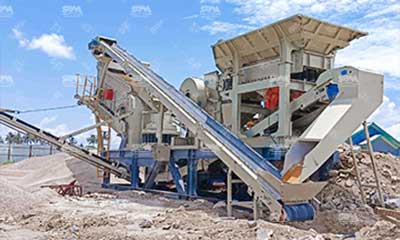
ప్రాథమిక క్రషర్ల సాధారణ రకాలు జా క్రషర్లు, జిరేటరీ క్రషర్లు మరియు ఇంపాక్ట్ క్రషర్లు.
- జా క్రషర్లు వాటి సరళత, నమ్మకయోగ్యత మరియు గ్రానైట్, బాసాల్ట్ మరియు ఖనిజాల వంటి కఠినమైన మరియు ఘర్షణశీల పదార్థాలను నిర్వహించగల సామర్థ్యం కోసం విస్తృతంగా ఉపయోగించబడుతున్నాయి. అవి స్థిరమైన జా ప్లేట్ మరియు చలిస్తున్న జా ప్లేట్ల మధ్య పదార్థాన్ని నొక్కడం ద్వారా పనిచేస్తాయి, ఇవి సంపీడన బలం వర్తింపజేయడానికి పునరావృతి చేస్తాయి.
- మరోవైపు, జిరేటరీ క్రషర్లు అధిక సామర్థ్యం కలిగిన పనికి మరింత అనుకూలంగా ఉంటాయి మరియు తరచుగా గనుల పనిలో ఉపయోగిస్తారు. అవి కొన ఆకారపు క్రషింగ్ ఉపరితలం కలిగి ఉంటాయి, ఇది జిరేట్ చేస్తుంది
- ప్రాథమిక పిండనలో తక్కువగా ఉపయోగించినప్పటికీ, ప్రభావం క్రషర్లు, పెద్ద వేగంతో తిరిగే ఇంపెల్లర్లను ఉపయోగించి, పదార్థాలను ప్రభావం చేసి, చిన్న ముక్కలుగా చేయడం ద్వారా, చూర్ణిత రాతి మరియు కాంక్రీటు వంటి మృదువైన పదార్థాలకు ప్రభావవంతంగా ఉంటాయి.
ప్రాథమిక క్రషింగ్ యొక్క అవుట్పుట్ పరిమాణం సాధారణంగా 100 నుండి 300 మిల్లీమీటర్ల మధ్య ఉంటుంది, అయితే ఇది ప్రత్యేక యూజ్ క్షేత్రం మరియు ఉపయోగించిన క్రషర్ యొక్క రకంపై ఆధారపడి మారవచ్చు. ప్రాథమిక క్రషింగ్లో ప్రధానంగా ముడి ఉత్పత్తిని సమానంగా ఉత్పత్తి చేయడం లక్ష్యం, తద్వారా ఇది ద్వితీయ క్రషింగ్ దశలో సమర్థంగా భోజనం చేయబడగలదు, ఇబ్బందులు లేదా దిగువ పరికరాలపై అధిక దెబ్బకు కారణం కాకుండా.
2. ద్వితీయ క్రషింగ్
సెకండరి క్రషింగ్ ప్రధాన దశకు అనుబంధంగా జరిగి ప్రాథమిక క్రషర్ నుండి ఉత్పత్తి అయిన పదార్థ పరిమాణాన్ని మరింత తగ్గిస్తుంది. ఈ దశలో, ఫీడ్ పదార్థం సాధారణంగా 50 నుండి 200 మిల్లీమీటర్ల మధ్య ఉంటుంది, మరియు లక్ష్యం దానిని 10 నుండి 50 మిల్లీమీటర్ల వరకు పరమాణాలుగా మార్చడం. సెకండరి క్రషింగ్ పరమాణాన్ని మాత్రమే కాకుండా, పరమాణాలను ఆకారం మార్చడంలో కూడా సహాయపడుతుంది, వాటి సమానత్వం మరియు విస్తరాల ఉపయోగించిన విధానాలు కోసం తగిన విధంగా చేస్తుంది.

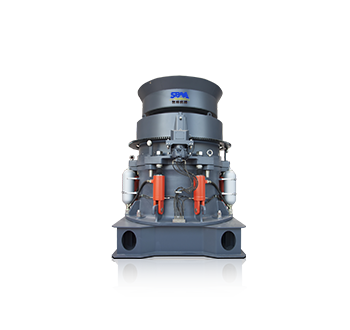
కోణ క్రషర్స్ అనేవి ద్వితీయ కోల్పోపగనేందుకు సార్వత్రికంగా ఉపయోగపడే పరికరాలు, ప్రత్యేకంగా कठిన మరియు మాధ్యమ-hard బరువుల కోసం. ఇవి గిరేటరీ క్రషర్స్ కు సారూప్యమైన సూత్రం మీద పనిచేస్తాయి, కానీ మరింత తేలికైన క్షణిక గదితో ఉంటాయి, finer పరిమాణంలో మరిగే సామర్థ్యాన్ని కలిగించడం. ఇంపాక్ట్ క్రషర్స్ కూడా ద్వితీయ కోల్పోపగనేందుకు తరచుగా ఉపయోగిస్తారు, ముఖ్యంగా కోరుక్కుల ఆకారాన్ని బెటర్ గా చేయాల్సిన ముడుతల కోసం, ఉదాహరణకు చूరణలు మరియు పునఃప్రయోగించిన సిమెంటు. కొణ క్రషర్స్ మాదిరిగానే, ఇంపాక్ట్ క్రషర్స్ కింద గట్టిపడే బలం rather than కంప్రెషన్ ఉపయోగించి పదార్థాన్ని విరుగుడుతూ పోస్టులు అద్భుత మెరిసే ఆకారం కలిగిస్తాయి కాని, అవి మోయే ధరలను ఎక్కువగా చేస్తాయి.
సెకండరీ క్రషర్లలో కొని మరియు ఇంపాక్ట్ క్రషర్ల మధ్య ఎంపిక, మెటీరియల్ గుణనిలువలు, కోరుకున్న ఉత్పత్తి పరిమాణం మరియు ఉత్పత్తి అవసరాలు వంటి పలు కారకాలపై ఆధారపడుతుంది. ఉదాహరణకి, అధిక సామర్థ్య కార్యాచరణ కోసం మాట్లాడుతూ కఠినమైన పదార్థాలతో కొని క్రషర్లు ప్రాముఖ్యత కలిగిస్తే, ఇంపాక్ట్ క్రషర్లు ఉన్నికనంకు, నిర్మాణ అనువర్తనాలకు ఉన్నియమమైన, కోణాల ఉన్న గడ్డలను ఉత్పత్తి చేయడంలో ఉత్తమంగా ఉంటాయి.
3. త్రితీయ ద్రుఢీకరణ
తృतीय క్రషింగ్ అనేది క్రషింగ్ ప్రక్రియలో చివరి దశ, ఇక్కడ పదార్థం తుది అవసరమైన బీజ పరిమాణానికి తగ్గించబడుతుంది. ఈ దశ సాధారణంగా దీృతముఖం క్రషర్ నుండి పదార్థాన్ని ప్రాసెస్ చేస్తుంది, ఇది సాధారణంగా 10 నుండి 50 మిల్లీమీటర్ల మధ్య ఉంటుంది, మరియు దానితో పాటు అప్లికేషన్ ఆధారంగా కొన్ని మిల్లీమీటర్ల నుండి నాజుకాలువ వరకు కణాలను ఉత్పత్తి చేస్తుంది.
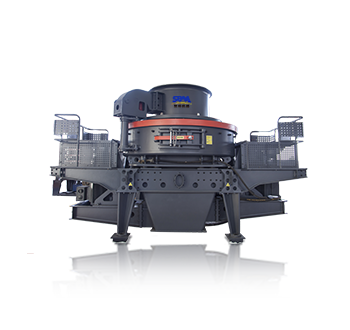
తృతీయ కర్రపరికరాలు సూక్ష్మ తగ్గుదల మరియు ఆకారపర్చడంకై రూపొంది ఉంటాయి, తుదిచిత్రం తీవ్రమైన పరిమాణం మరియు నాణ్యత నిబంధనలకు అనుగుణంగా ఉండేలా చేస్తాయి. సాధారణ తృతీయ కర్రపరికరాలు కాంపన్లు (సెకండరీ కాంపన్ల కంటే చిన్న, గంభీరమైన దహన గది గల కాంపన్లు ఎక్కువగా ఉంటాయి), ఎగువ ఖండ కోణం (VSI) కర్రపరికరాలు, మరియు ఫోంగు పిండి మిల్లులు. VSI కర్రపరికరాలు అధిక-నాణ్యత, క్యూబికల్ సాంకేతికత కలిగిన సమ్మేళనాలను ఉత్పత్తి చేయడంలో విరుగుడిగా ఉండి, సీమెంట్ మరియు అస్ఫాల్ట్ కోసం నది మట్టిని, మరుగున మరియు ఇతర రాళ్ళను ఉత్పత్తి చేయడంలో విస్తృతంగా ఉపయోగిస్తారు. ఇవి పదార్థాన్ని అధిక వేగాలలో వేగవంతం చేసి, తరువాత దానిని స్థిరంగా ఉన్న ఉపరితలంతో లేదా ఇతర ధాతువులతో ప్రభావితం చేసి, ఖచ్చిత పరిమాణ నియంత్రణ మరియు అద్భుతమైన ఆకారాన్ని సాధిస్తాయి.
కొన్ని సందర్భాలలో, ఆల్ట్రా-ఫైన్ గ్రైండింగ్ కోసం క్వాటర్నరీ క్రషింగ్ దశను చేర్చవచ్చు, కానీ ఇది సాధారణంగా విస్తృతంగా ఉపయోగించబడదు మరియు సాధారణంగా బరువైన ఖనిజాలు కోసం ప్రత్యేకమైన అనువర్తనాలకు reserved ఉంటుంది.

సంబంధాలు మరియు ప్రక్రియా తుది శ్రేణీకరణ
మూడు క్షేత్రాల దడيلة అంతర్గత సంబంధం కలిగి ఉన్నాయి, ప్రతి దశ గత దశపై ఆధారపడుతూ సరైన పరిమాణంలో పదార్థాన్ని అందిస్తుంది. మంచి రూపకల్పనతో దడించే వేదిక ఉచితానికన్నా ప్రతీ దడికరించినది అతని అత్యుత్తమ సామర్థ్యంలో పనిచేస్తుంది, శక్తి వినియోగాన్ని తగ్గిస్తుందని, దర్భరీను తగ్గిస్తూ, ఉత్పత్తి నాణ్యతను గరిష్టంగా করে. ఉదాహరణకు, ప్రాథమిక దడికే అధిక పరిమాణంలో పదార్థం ఉత్పత్తి చేస్తే, అది ద్వితీయ దడికపై అదనంగా లోడ్ చేయవచ్చు, దిద్దుబాటు విధానాలు తగ్గిపోవడానికి మరియు నిర్వహణ ఖర్చులు పెరిగేలా చేస్తుంది. వ్యతిరేకంగా, ప్రాథమిక దడిక అత్యంత మీమ్ముద్దుగా పదార్థాన్ని తగ్గిస్తే, అది ద్వితీయ మరియు తృతీయ దశలపై లోడ్ను పెంచి, వాటి ప్రభావం తగ్గుతుంది.
ఆధునిక క్రషింగ్ ప్లాంట్లు తరచుగా ఆటోమేటెడ్ నియంత్రణ వ్యవస్థలను ఉపయోగించి ప్రక్రియలోని ఫీడ్ రేటు, క్రషర్ సెట్టింగ్స్ మరియు పదార్థ ప్రవాహాన్ని పర్యవేక్షించి సర్దుబాటు చేస్తాయి. ఈ వ్యవస్థలు స్థిరమైన కణ పరిమాణాలను నిర్వహించడం, నిలిపివేత సమయాన్ని తగ్గించడం మరియు మొత్తం సామర్థ్యాన్ని మెరుగుపరచడం ద్వారా ఉత్పత్తిని ఆప్టిమైజ్ చేయడానికి సహాయపడతాయి. అదనంగా, క్రషర్ రకాలు మరియు కాన్ఫిగరేషన్ల ఎంపిక నిర్దిష్ట పదార్థ లక్షణాలపై ఆధారపడి ఉంటుంది, ఉదాహరణకు, కఠినత, ఘర్షణ, మరియు తేమ పరిమాణం, అలాగే కోరుకున్న చివరి ఉత్పత్తి నిర్దిష్టతలపై. `
ప్రతి దశ యొక్క పనితీరు మరియు అనువర్తనాలను అర్థం చేసుకోవడం ద్వారా, ఆపరేటర్లు నిర్మాణం మరియు గనుల నుండి పెద్ద పరిమాణంలోని పదార్థాల ఉత్పత్తి మరియు ఖనిజ ప్రాసెసింగ్ వరకు వివిధ పరిశ్రమల యొక్క డిమాండింగ్ అవసరాలను తీర్చగల, సమర్థవంతమైన మరియు ఖర్చు-సమర్థవంతమైన క్రషింగ్ సర్క్యూట్లను రూపొందించి, నిర్వహించవచ్చు. తెక్నాలజీ అభివృద్ధి చెందుతూనే ఉండటంతో, ఈ కీలకమైన క్రషింగ్ దశల పనితీరు మరియు నిరంతరాయతను మరింత మెరుగుపరిచే కొత్త క్రషర్ రూపకల్పనలు మరియు నియంత్రణ వ్యవస్థలు ఉత్పన్నం అవుతాయి.


 పరిష్కారం పొందండి
 సందేశం పంపండి