






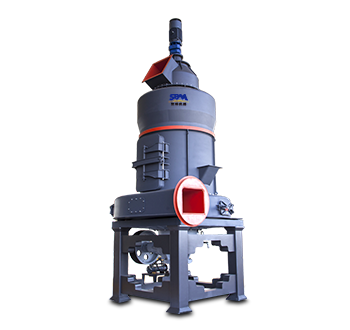
Summary: Ọkọ Raymọnd jẹ́ ẹrọ ìbàlúgbà ìgbà ìsàlẹ̀, àti ìsẹ̀ gíga ẹ̀rọ akéde àkọ́kọ́ ti ọkọ Raymọnd sábà máa n bẹ́ ní ààlà 150-260 rpm.
Ní ọ̀nà iṣẹ́ àgbàláye...
Ọ̀kọ̀ Raymond jẹ́ ẹrọ ìbàlúgbà ìgbà ìsàlẹ̀, àti ìsẹ̀ gíga ẹ̀rọ akéde àkọ́kọ́ ti ọkọ Raymọnd sábà máa n bẹ́ ní ààlà 150-260 rpm.
Ní ọ̀rọ̀ iṣẹ́ pípẹ́, yàrá àyàrá Raymond yóò jẹ́ kí ìtẹ́wọ́gbà kan ní iwọn otutu kan. Ṣùgbọ́n, nitori iyara kekere ti mịnà àti afẹfẹ tó ń yá àfọ́, iwọn otutu yàrá náà kì yóò kọja 50°C.
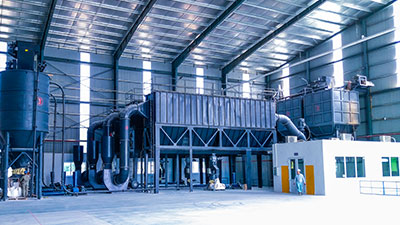
How to solve high temperature problem of Ọ̀kọ̀ Raymond grinding chamber, the Ọ̀kọ̀ Raymond temperature is mainly caused by the friction heat generated during the material crushing process. Because the Ọ̀kọ̀ Raymond's air classification system uses a circulating air system, heat dissipation becomes particularly important during operation — especially in relation to the grinding roller assembly and the properties of the material being processed (particularly for materials that are sensitive to temperature). The main method to solve the Ọ̀kọ̀ Raymond temperature is to use a better dust removal method. For example, a pulse dust collector is used. The pulse dust collector has good gas permeability, small dust, and automatic dust cleaning function, and can timely discharge high temperature air in the mill. Inhalation of room temperature air in order to reduce the temperature of the Raymond grinding chamber.


 Gba Àbá
 Fi Ifọrọranṣẹ ranṣẹ