




Summary: Láìpẹ́ yìí, ọ̀pọ̀ ènìyàn ni ń bẹ̀rẹ̀ sí í wò àwọn ìlànà tó yẹ kí wọ́n tẹ̀síwájú láti bẹ̀rẹ̀ iṣẹ́ ọ́fọ́lọ́ sándì. Ó ṣòro láti sọ pé, dípò ìdoko-owo méjì tàbí mẹ́ta, àwọn olùdárà tó pọ̀ síi ni ń fara balẹ̀ sí ìmọ̀ọ́kan náà...
Láipẹ́ yìí, ọ̀pọ̀ ènìyàn máa ń bá a lọ́kàn sí àwọn ilana tó yẹ kí wọ́n tọ́ sí láti bẹ̀rẹ̀ ilé iṣẹ́ àgbá pẹ́pẹ̀. Ó han gbangba pé àpọ̀ pọ̀ àwọn olùdoko-owó ń bẹ̀rẹ̀ sí í kópa nínú ọ̀hún. Àwọn kan lè má mọ̀ dáadáa ìlànà yìí. Ní gbogbogbo, àwọn ilana fún ilé iṣẹ́ pẹpẹ̀pẹ̀ àti àwọn ilé rẹ́pẹtẹ tó jẹ́ tuntun jẹ́ díẹ̀ tó jọra ní gbogbo agbègbè, ṣùgbọ́n àwọn ilana pàtó àti àwọn àyàfi lè yàtọ̀. Nítorí náà, ìmọ̀ràn pẹ̀lú ọ́fíìsì àṣẹ àwọn orisun èdá ilẹ̀ agbegbe jẹ́ dandan. Pẹ̀lú rẹ, àwọn àìpèye fún àwọn ohun èlò tí a lò ní ilé iṣẹ́ pẹpẹ̀pẹ̀ jẹ́ gíga, bíi àtọ́ka omi igi pẹpẹ̀pẹ̀ àti ẹrọ àṣá pẹpẹ̀pẹ̀. Gbogbo àwọn ẹrọ, bẹ́ẹ̀ àti bẹ́ẹ̀ lọ, nilo kí àwọn olùdoko-owó máa sọ ìtẹ̀sí fún yíyan ohun èlò, nítorí kí wọ́n lè jẹ́ kí iṣẹ́ àgbá pọ́n, kí wọ́n sì lè rí èrè tó pọ̀.
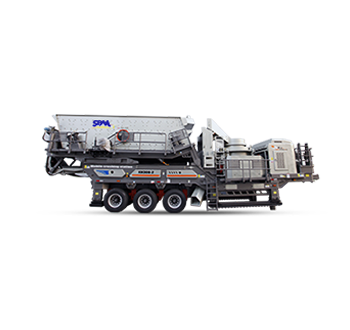
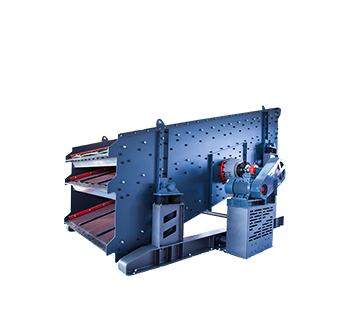
Gbogbo ọrọ, nigbati o ba bẹrẹ ilẹ ọgbà wẹwẹ, o nilo lati lo fun iwe-ẹri iṣowo ni ẹka ile-iṣẹ ati iṣowo. Keji, o nilo lati lo fun iwe-ẹri iwari ilẹ ni Ogbun ti ilẹ ati awọn orisun. Eyi ṣe pataki gan-an. Nikan lẹhin ti o ti ṣe ilana rẹ, ni iwọ nikan ni ẹtọ lati jẹki oṣuwọn. Fun ifọwọsi, EPA n ṣe ọpọlọpọ awọn ayẹwo. Nípari, iṣẹ aṣoju forukọsilẹ fun awọn ọlọ́ọrẹ owo-ori. Lẹ́yìn ti gbogbo igba ti awọn ilana ti pari, a le ni ilẹ gidi naa. Pẹlupẹlu, ni otitọ, o le rii lati awọn ilana wọnyí pe aabo ati idaabobo ayika jẹ fun ilẹ. O ṣe pataki pupọ lati sọ pe eyi nfihan pataki ohun elo lati ẹgbẹ. Nitorinaa, ẹrọ ṣiṣe wẹwẹ, iboju fifuye, ẹrọ fifọ wẹwẹ, ati bẹbẹ lọ, pinnu boya gbogbo ilẹ naa le ṣiṣẹ daradara, ati awọn anfani ati aila-nfani ti awọn ẹrọ wọnyi. O tun pinnu boya ilẹ naa ni èrè. Ninu gbogbo awọn ẹrọ wọnyi, iboju fifuye wẹwẹ jẹ ẹrọ pataki. O nlo fun iyatọ ati pe o le mọ awọn wẹwẹ ati iṣan ti o ni awọn iwọn ati ipo oriṣiriṣi fun awọn lilo oriṣiriṣi. Ẹka pataki pupọ, bakanna, ti iboju fifuye le ni ayika ayika, fun ogun aaye-ibi tun pese iranlọwọ to lagbara.
It can be seen that the position of the vibrating screen in the sand field is irreplaceable. In addition, the artificial sand will gradually become a trend, because compared with natural sand, various waste resources can be utilized, and at the same time, the quality is also more stable and grading is more reasonable. Of course, for different needs, different raw materials and different sites, the sand production line is different. When selecting professional manufacturers, they will provide customers with more reasonable and economical sand production lines, rather than just selling equipment. For the belt conveyor, the sand making machine has high requirements, and the requirements for the vibrating screen are even better. Therefore, for the manufacturer and the customer, the efficient equipment is the common goal of everyone. I believe that everyone can pass it. With the joint efforts, the future of this industry will be even better.


 Gba Àbá
 Fi Ifọrọranṣẹ ranṣẹ