




Summary: Ẹrọ fifọ ikore koni jẹ olokiki pupọ gẹgẹbi ẹrọ ọlọ́fẹ́ṣọ àgbàrá ati ẹrọ ìṣọ́kà kékèké, ṣùgbọ́n ọpọ awọn onibara kò mọ boya awọn ohun elo wọn lè wẹ́ẹ̀ rẹ nipasẹ...
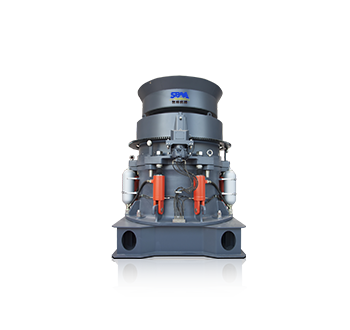
Ẹ̀rọ amọ̀ràn kọ́ńpá aṣọ jẹ́ mọ̀ pé ọmọ ẹ̀rọ tó ń ṣe ìpẹ́sẹ kíkan-tí-kìlọ́ọ̀ ni wọn mọ̀, ṣùgbọ́n ọ̀pọ̀lọpọ̀ àwọn oníbàárà kò mọ̀ boya àwọn ohun èlò wọn lè rìn wọlé nípa iṣẹ́ ẹ̀rọ amọ̀ràn kọ́ńpá. Èyí ní í ṣe pẹ̀lú iṣoro ti àyàfà ìṣọ̀kan ti ẹ̀rọ amọ̀ràn kọ́ńpá. Jẹ́ kí n ṣe ìtànlílùú sí yín ní isalẹ:
1. Láti inú ìwàláàyè nǹkan náà
First of all, the cone crusher is crushed by the extrusion and wear of the material between the fixed cone and the moving cone, while the fixed cone and the moving cone are made of steel, which has a certain tolerance to the pressure. Then in order to achieve material crushing, first of all, the material itself must have a certain degree of brittleness. For example, a material such as a tire cannot be broken by a cone crusher. And the key is that the material hardness should be within the acceptable hardness range of the cone crusher.
2. Lati inu awọn ibeere ti awọn ọja ti pari
Ní otitọ, nígbà míì láti inú ipo tó dájú, àpọ̀pọ̀, gilasi, àti bẹ́ẹẹ̀bẹ́ẹ̀ lè jẹ́ kó bàjẹ́ pẹ̀lú àwọn ẹrọ amúná àga, lẹ́hìn gbogbo, lile rẹ̀ wà lábẹ́ ojú-ọmọ lile ti ẹrọ amúná àga. Ṣùgbọ́n, ẹrọ amúná àga jẹ́ olokìkí gan-an fún ìṣàn àrọ́. Ní ọ̀kan, ẹ̀rọ amúná àga ni a ṣe fún ìṣàn ínìnkankan. Ní ilọ̀kan, ẹ̀rọ amúná àga kò lè ṣẹ̀ṣé àwọn ìbéèrè àwọn oníbàárà fún àwọn ọja tí a parí bíi gilasi àti àpọ̀pọ̀.


 Gba Àbá
 Fi Ifọrọranṣẹ ranṣẹ