



Summary: Àkọlé yìí ń ṣe àyẹ̀wò àwọn ẹ̀rọ pàtàkì méje fún ìṣètò àwọn ohun-èlò, láti inú àtakò àkọ́kọ́ àti ìkànsí gọ̀ọ́sì tó lọ́ọ si àwọn sẹẹli ìfọ́tọ́ àti àwọn àfikún, nípa àfihàn àwọn ipa pàtàkì wọn....
Ìtọju mineral, tí a tún mọ̀ sí ìdàgbàsókè mineral tàbí ìmúlọ́gọ ores, ni iṣẹ́ àti sáyẹ́nsì pàtàkì ti yíyí raw ore láti inú bàtà kan sí irọ̀rùn tó níye. Irin-ajo láti okuta tí a fa sí ìkànsí ọja tí a lè ta ní àwọn àkókò tó péye ti ìkà ọ̀pọ̀lọpọ̀ àti ìyapa, kọọkan ní í dápọ̀ mọ́ ẹrọ tó péye: Awọn ikore ehín, awọn ikore iwon, awọn mii lilu, awọn hydrocyclones, awọn ẹrọ flotation, awọn apakan magneti ati awọn amugbalegbe.. Pẹlu iṣọkan, awọn ọna wọnyi n gba awọn ilana pataki ti comminution, classification, separation, ati dewatering, eyiti o mu akopọ irin pọ si, dinku iye fun gbigbe ati smelting, ati mu iṣe akanṣe lapapọ pọ si.

1. Ẹ̀rọ ìyàra Jaw: Iṣasilẹ Àkọ́kọ́
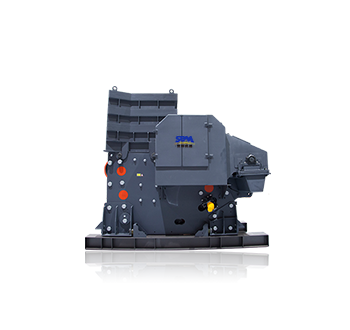
Iṣẹ ati Ẹ̀ka: Eyi agbegbé egungun ni ila akọkọ ti aabo ni iyara comminution (didin iwọn). Ẹrọ rẹ jẹ alagbara ati rọrun: lati gba awọn ikoko ti o tobi julọ ti run-of-mine (ROM) ore, ti o le jẹ ju mita lọ ni iwọn, ki o si dinku wọn si iwọn ti a le mu (ti a maa n lo 100-250 mm) fun ipele ti n bọ ti fifọ.
Bá a ṣe n ṣiṣẹ: A agbegbé egungun ni a ni a gige to duro ati a gige ti n fo. Okuta ni a n fi sinu oke ti yuro ẹrọ. Bi gige ti n fo ṣe n gbe ni ilọsiwaju pẹlú gige to duro, o n fa okuta si rẹ, o si n fọdun. Iṣipopada si isalẹ ti gige ti n fo ngbanilaaye ọja ti a fọdun lati lọ si isalẹ yuro ki o si jade ni isalẹ.
Kí nìdí tó fi ṣe pataki: Iwa rẹ ti o rọrun, ikole to lagbara, ati agbara lati mu ika, abradive, ati ajeseku feed ti o ni iwọn ti o kere ju ni sọ ọ di alakoso ti a ko nipe ni ikolu akọkọ. O jẹ ẹrọ ti o ni itọju kekere, ti o wa ni agbara giga ti o fi iṣe fun gbogbo awọn ilana ti njẹ. Ko si crusher miiran ti o ni igbẹkẹle bi fun iṣẹ akọkọ ti mimu raw, ore ti a ko fọdun.

2. Ẹrọ àfiṣo ìhà: Isubu Ẹkejì ati Ẹkẹta
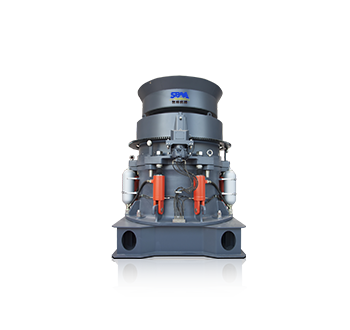
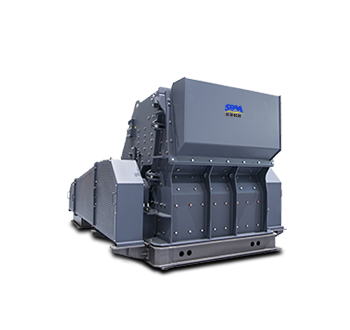
Iṣẹ ati Ẹ̀ka: Lẹ́yìn ẹrọ àfiṣo ẹ̀yà, oníbùjọ́ yẹ̀yẹ̀ ẹkọ́ tó n ṣiṣẹ́ fún isubu ẹkejì (ati nígbà mí ìṣẹ́lẹ̀ ẹkẹta). Iṣẹ́ rẹ ni láti dín iwọn ọpá kèrè sí ẹgbẹ́run, àmúda laarin 10 mm àti 40 mm, tó yẹ fún ìjẹ́tọ́ àfiṣo mu.
Bá a ṣe n ṣiṣẹ: Ọpá ni a fi n gba wọlé sí ìhà oke ti yàrá onípò. Nínú rẹ, ẹ̀rọ olóṣùmọn-ṣiṣe kan n yípadà lórí àpò àfàrá alẹ́kọ. Iṣe yípadà yìí n ṣẹ̀dá agbára àtọ́ka tó fa idapọ̀ àwọn đáàbò àti àpò àfàrátún. Àfàda tó wà láàárín àtọ́ka àti àpò àfàrátún ni ó pinnu iwọn ọja.
Kí nìdí tó fi ṣe pataki: Awọn ẹrọ to n fa egboogi n pese apapọ alaragbayida ti agbara to ga, iwọn ọja to dara, ati awọn idiyele iṣiṣẹ ti o kere fun iṣẹ wọn. Awọn ọna ẹrọ hydroset ode oni gba awọn oṣiṣẹ laaye lati ṣatunṣe eto ẹrọ fa egboogi labẹ ẹru, ti o n mu iwọn ọja ati ọlọlọwọ ṣiṣẹ ni akoko gidi. Wọn jẹ awọn ẹrọ to munadoko julọ fun awọn irin to nira ati to n fa ni awọn ipele ikọlu aarin.

3. Àgọ́ ìfà-gún Bọ́ọ̀lì : Ọkàn ti Igbasilẹ ninu Awọn ṣiṣan Ìgìndì
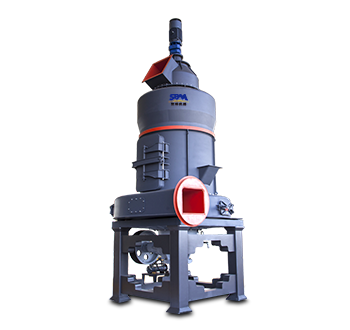
Iṣẹ ati Ẹ̀ka: Ti ìmú ni nipa dín iwọn, grinding jẹ nipa ìdáṣẹ. Iṣẹ́ pàtàkì ti bọọlu mill ni lati pa ore tí a ti mù sí iyanrin, pọ̀pọ̀ sí àsopọ̀ iyanrin tàbí silt (ní isalẹ 0.1 mm). Ilana yìí jẹ́ pataki lati yà awọn irẹjẹ mineral tó wúlò kúrò nípò àwọn irin àìníyẹ tó ti jẹ́ kó di ìkọkọ.
Bá a ṣe n ṣiṣẹ: A bọọlu mill is a rotating cylindrical shell partially filled with grinding media—typically hardened steel balls. Eyi ore is fed with water into the mill. As the mill rotates, the balls are lifted and then cascade down, impacting and abrading the ore particles, reducing them to a slurry of fine particles.
Kí nìdí tó fi ṣe pataki: Iwọn ilẹ jẹ igbesẹ ti o ni agbara julọ ni ilana mimu, nigbagbogbo nlo ju idaji ti apapọ agbara ile-iṣẹ kan. Iwẹ ball jẹ ẹrọ iṣẹ ti ipele yii nitori igbẹkẹle rẹ, agbara rẹ lati de ọdọ ọja to gidi ti o fin, ati irọrun rẹ ni mimu ọpọlọpọ awọn iru irin.

4. Hydrocyclone: Hydrocykloni: Olukọni Ti o Pọsi julọ
Iṣẹ ati Ẹ̀ka: Ìgìndì is inefficient if not controlled. A hydrocyclone is a classification device used in a closed circuit with a bọọlu mill. Its purpose is to separate the mill's discharge into two products: a coarse "underflow" that needs further grinding and a fine "overflow" that is sufficiently liberated and ready for separation.
Bá a ṣe n ṣiṣẹ: Ọra slurry ni a n fa sinu hydrocyclone conical ni ibamu labẹ titẹ. Eyi n ṣẹda ija ti o ni iyara centrifugal. Awọn patikulu to ni iwuwo ati ti o jinlẹ ni a n jẹ ki wọn lọ si awọn odi ki o si yipo si isalẹ si aaye isalẹ. Awọn patikulu sootọ, ti ko ni iwuwo pupọ ni a n gbe si aarin ki o si jade nipasẹ olufalẹ oke bi afẹfẹ.
Kí nìdí tó fi ṣe pataki: Hydrocyclone: Hydrocykloni ko ni awọn apakan gbigbe, wọn rọrun lati fi sori ẹrọ ati ṣiṣẹ, ati pe wọn le ṣe ilana awọn iwọn omi ti slurry. Wọn jẹ ọpa pataki fun iṣakoso iwọn ọja lati inu iyika grinding, ni idaniloju pe agbara ko ni ṣẹṣẹ nipasẹ wọn-yiyẹ awọn nkan ti a ti tu silẹ tẹlẹ.
5. Ẹrọ Flotation: Olùdarí Ayanfẹ Pipin
Iṣẹ ati Ẹ̀ka: Froth flotation jẹ́ ọ̀nà tí a ti lo jùlọ fún pipin awọn ẹkọ mineral tó wúlò kúrò ní gangue. Ó jẹ́ aláyé pupọ̀ àti pé a lè ṣe àtúnṣe rẹ́ láti yà awọn mineral pato kúrò níwọn ìbámu pẹ̀lú kemistri àyà wọn.
Bá a ṣe n ṣiṣẹ: Àwọn slurry ore dára láti grinding ni a n ṣe itọju pẹ̀lú àwọn oluranlọwọ pato tó ń ṣe àwọn patikulu mineral tí a fẹ́ hydrophobic (tí kò ní ní àbọ̀ọ̀) àti àwọn míì hydrophilic (tí ó ní àjọsọ pọ̀). Afẹ́fẹ́ ni a n fa sílẹ̀ ninu pulp tó ti ní ìmúlò. Àwọn patikulu hydrophobic ní í so mọ́ àwọn afẹ́fẹ́ náà tí ó ń fò soke láti dá àṣẹ àdánwò kan ní ìtòsí ọ̀run cell, tó a sì n fa kúrò gẹ́gẹ́ bí àtẹ́gùn. Àwọn patikulu hydrophilic máa ń wà ninu slurry náà tí a sì n da àtẹ́gùn kúrò.
Kí nìdí tó fi ṣe pataki: Flotation jẹ́ aláìlára tó fẹ́rẹ̀ẹ́, lẹ́gbẹ̀ẹ́ iṣẹ́ ọwọ́ tó munadoko, tó lè gba àkàŋró tó díẹ̀ jùlọ tí ọ̀nà míì kò lè. Ó jẹ́ ètò-òjò fún àwọn ìṣèjò ohun èlò àtàwọn mètàlì pàtàkì (kóòpà, olóòkù, zíŋkì), àwọn mètàlì tó lára pẹ̀lú, àti ẹ̀rọ àtọkànwá ìṣèjọ́pò. Ẹ̀rọ fofò ni ibè tí kemistri àti fisiksi ti darapọ̀ láti ṣẹ̀dá iye-èdá.

6. Olùyà Magnetik: Agbara ti Ifamọra
Iṣẹ ati Ẹ̀ka: Ẹ̀rọ yìí yà àwọn òrè àtọkànwá da lori àìlera wọn sí magnetik. Ó jẹ́ ohun àtẹ́mọ̀ lórí ìṣàgà pẹ̀lú ọkà irin (magnetite) ṣùgbọ́n ó jẹ́ pàtàkì jùlọ fún yíyọ àwọn àkúnya magnetik (gẹ́gẹ́ bí: àkúnya irin) tàbí fún yíyà àwọn óra paramagnetic gẹ́gẹ́ bí ilmenite àti wolframite.
Bá a ṣe n ṣiṣẹ: Ètò ìdájọ́ àkọ́kọ́ náà ní ìsọ̀kan àtẹ́gun tí ó ní àtọgbọ́ kan ti awọn mẹ́gìsì àkóso tàbí mẹ́gìsì eletiriki. Bí okuta-nla ṣe ń kọja lórí àtẹ́gun, àwọn kópọ̀ ẹlẹ́rùrù ni a fa sí i, tí wọ́n sì di mọ́pò àtẹ́gun, ní ìkó wọn kúrò ní ipa-ọ̀nà kópọ̀ àìlẹ́rùrù kí wọ́n tó dásílẹ̀.
Kí nìdí tó fi ṣe pataki: Ìkànsí àkúnya jẹ́ ìṣàkóso tó mọ́, tó munadoko, àti ohun tí kò ní iye tó ga tó ní àìní àwọn itọ́kà. Ó jẹ́ ọ̀nà pataki àkọ́kọ́ fún ìmúpọ̀ irin àtàwọn ìgbésẹ̀ tó ṣe pàtàkì nínú ọ̀pọ̀ miiran àwọn ọna iṣe, láti iṣelọpọ iyan agẹ́dẹ́lá sí ṣiṣejade àtúnṣe.

7. Sise pọ̀n.: Olùkópa ti Omi àti Isakoso Igbẹkẹ̀lé
Iṣẹ ati Ẹ̀ka: Lẹ́yìn ìyapa, mejeji ìmúra tó níyelori àti àyẹ̀yẹ to jẹ ẹ̀tọ́ wa ní irú slurry kan tó ní 70-80% omi. Ẹ̀ka thickener ni láti ṣe ìyapa ti sólidi-òjò, tó ń ṣe àtọ́ka slurry to nipọn jùlọ àti ìtúmọ̀ omi tó mọ́ tó lè dá sípò padà sí ilé ẹ̀rọ ìmúra.
Bá a ṣe n ṣiṣẹ: Slurry ni a ń fọwọ́ sí akojákọ tó tóbi, ọlọ́jà. Àwọn kemikali flocculant ni a máa ṣàfikún lé e lórí kí a lè fa awọn patikulu tí o rọrùn jọ. Iwa-igi mú kí àwọn sólidi jókòó lọ́nà àìrẹtí sí iha isalẹ ti akojákọ. Ìmọ́ràn rùkérè nǹkan ṣíṣe pọ̀ lọ́wọ́ iṣẹ́ rọ́tẹ́ (ìtúmọ̀ "thickened" underflow), tí a bá a lé e jáde. Omi tí a ti jẹ́ kó mọ́ tí ń péye omi ní àárín akojákọ.
Kí nìdí tó fi ṣe pataki: In irọra pẹlu ilẹgbọn omi nla, awọn ẹrọ ti o ni irẹpọ jẹ pataki fun idaniloju omi ati atunlo, dinku gbigba omi tuntun nipasẹ 80-95%. Wọn tun dinku iwọn ti awọn iyokù ti a firanṣẹ si awọn ile ipamọ, dinku ewu ayika ati iye owo. Fun idapọ, irẹpọ ni igbesẹ akọkọ pataki ṣaaju if filtrẹ.

Dájúdájú, awọn ẹrọ pataki miiran tun jẹ dandan da lori awọn ohun-ini ti mẹtalẹ, gẹgẹbi:
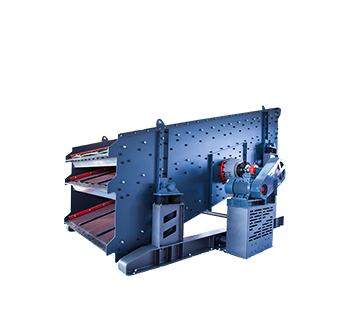
- Awọn iboju gbigbe: Lo fun ayẹwo ati ilana awọn ohun elo.
- Awọn filiwa vakuum akọkọ: A máa lò ó láti tún jọ̀ọ́ tán àwọn kónkúrání, tó ń ṣẹ̀ṣẹ̀ dá àwọn akara àsọ́ ẹ̀rọ pẹ̀lú ìpọ̀nkọ̀ ọ̀gẹ́.
- Ile-oloko to n ṣe àgbàdo: Lo lati ṣe ilana awọn iwukara pataki kan (bii wura ati hematite), n ṣatunṣe ilana ọlọgbọn nipasẹ gbigbona lati mu irọrun ikọsẹ atẹle.
Sibẹsibẹ, awọn iru ẹrọ mẹta ti a ṣe akojọ nibi jẹ ẹrọ sọkè pataki fun ọpọlọpọ awọn ile-iṣẹ ilana iṣan omi oniruuru ode oni.
Àwọn ohun èlò yìí ṣiṣẹ́ gẹ́gẹ́ bí eto ìṣọkan, níbi tí ẹyà kọọkan ti n ṣe àfiyèsí àtúmùsìn náà. Àwọn ìpẹ̀yà ìtẹ̀sí, ìka, ìyapa, àti ìyípadà omi dá àtẹ̀jáde àtijọ́ kan. Àtẹ̀jáde iha yìí jẹ́ àmọ̀ràn pátá sí yíyí kírọ̀ àtẹ̀dá kìíra sí àwọ̀n olómi to dára, kí ó lè jẹ́ pé irin míì ní ìmọ̀ràn èkonomi àti ààbò ayé ní ipele gbogbo.


 Gba Àbá
 Fi Ifọrọranṣẹ ranṣẹ