




Summary: Àkọkọ itọsọna yii ṣe àkàwé ohun èlò amọ̀ ti a fi ń ṣe yatọ̀ si àwọn ẹ̀rọ yanrinkan, láti inú amọ̀ àgọnilọ́ sí ìtútù tó tún ṣe àtúnṣe, àti bí àwọn ìtaxinṣé wọn ṣe ń sọ ìdí àtọka àtẹ̀sàn ọ̀rọ̀ àti ìrìnàjò iṣelọpọ to dáa....
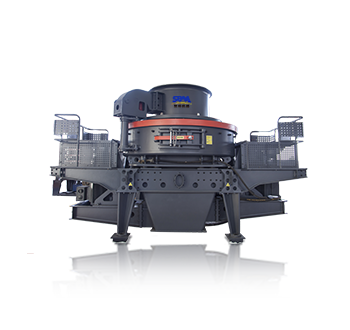
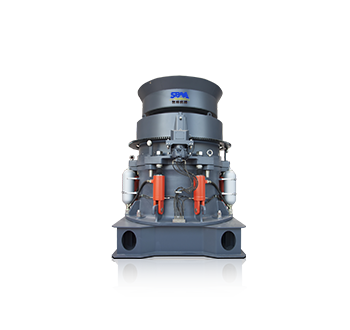
The transformation of raw materials into high-quality manufactured sand (often called "M-Sand") is a cornerstone of modern construction and infrastructure development. While the sand making machine itself—typically a Vertical Shaft Impact (VSI) crusher or a high-performance cone crusher—is the engine of this process, the choice of raw material is arguably the most critical factor determining the success of the operation. Not all rocks or feed materials are created equal; their intrinsic properties dictate the efficiency of the crushing process, the wear cost on the machine, and the quality of the final sand product.
Ìkọ̀wé yìí n pese àyẹ̀wò tó wọpọ̀ jùlọ àti àwọn ewé àtẹ̀gé tí a ń lò nínú iṣelọpọ ìkó, tí ń ṣe àyẹ̀wò àwọn àpẹẹrẹ rẹ, ànfàní, ìṣòro, àti ipa tí wọn ní lórí bí èròjà ìkó tí a ṣe jẹ́ tó yẹ fún ìmúlò onírúurú.

1. Àwọn àtọka ohun-èlò àkọ́kọ́ tó péye
Ṣaaju ki a to wọle si awọn iru đá àtọkànwá, o ṣe pataki lati ni oye awọn ohun-ini ti o jẹ ki ohun elo aise baamu fun ṣiṣe ija. Ohun elo ipamọ ti o dara julọ ni awọn abuda wọnyi:
- Iduro si Iparun: Ohun elo naa yẹ ki o ni agbara inaro to ni iwọn to ga ṣugbọn a le mu abrasiveness rẹ. Awọn apata ti o ni abrasiveness ti o ga (bi diẹ ninu awọn granite ti o ni quartz pupọ) yoo ṣe agbejade ikoko ti o gaju ṣugbọn ni idiyele ti yiyipada yiyara lori awọn ila ẹrọ, anvil, ati awọn rotors.
- Akopọ Kékeré ti Ikoko ati Eniyan: Ìfarapa ti ilaira, silt, tabi ohun alumọni ni a ṣe pataki. Awọn idoti wọnyi n bo awọn patikulu apata, n dènà ikọlu to peye, ati pe o le fa idinku. Wọn tun ni ipa odi lori didara oniruuru nipa ikolu ilana hydration simenti.
- Ibi Giramu Onigun Mẹta: Àwọn òkè tó máa ń fọ sí irú àwọn àwòrán cubic tàbí spherical (àpẹẹrẹ, basalt, diabase) ni a fẹ́ ju àwọn tó ń ṣe àpọ́rẹ́ tàbí irú àwọn nkan elongated (àpẹẹrẹ, diẹ ninu schists, laminated limestone). Àwọn cúbìc grains nfunni ní iṣẹ́ ọwọ́ tó dára jùlọ àti agbára nínú àsopọ̀ béton.
- Iwọn Iṣẹ Ti o dara julọ: Àwọn ohun elo tó ń wọlé sí ẹrọ amúnara ìpẹ yóò gbọdọ̀ ní ìtọ́sọ́nà tó peye, nígbà gbogbo láàárín 0-40mm, gẹ́gẹ́ bí ó ṣe jẹ́ pé ó jẹ́ ẹ̀rù ìkànsí àti ìkànsí kejì. Ohun elo tó pọ̀jù lè fa àtẹ́gàn àti àìkànsí, nígbà tí àwọn fíne tó pọ̀ jù lọ lè dín ìmúṣe ku.
2. Awọn ohun elo aise ipilẹ ti o wọpọ fun iṣelọpọ iyanrin
Awọn wọnyi ni awọn okuta ti a ko ni iriri ti a fa lati awọn okuta, paapaa fun idi ti iṣelọpọ awọn aggregates ati iyanrin.
2.1. Gẹẹsite
Gẹgẹbi ọkan ninu awọn okuta igneous ti o wọpọ julọ, granite jẹ yiyan igbagbogbo fun iṣelọpọ iyanrin.
- Characteristics: O nira, lapapọ, ati pe o ni iṣan ti o ga julọ nitori akoonu quartz rẹ ti o ga.
- Advantages: N ṣe iyanrin didara ti o ga, ti o ni agbara, pẹlu pipẹ to dara. ọja ikẹhin naa dara fun awọn kongcrete ti o ni agbara giga ati asphalt.
- Ìṣòro: Ìṣòro àgbáyé: Gíga àtàárọ̀nà kó àfọ́kànsìṣèlẹ̀ tó pọ̀ si awọn ẹya ẹrọ crusher, tó yé e si iye iná àtúnṣe tó ga jù lọ fún àwọn apá ti o n wọ. Àpẹẹrẹ irugbin ikẹhin lè jẹ́ díẹ̀ gíga ju ti awọn roca míì lọ bí a kò bá ṣiṣẹ́ rẹ́ dáadáa.
2.2. Basalt àti Diabase (Dolerite)
Ìwọ̀n wọ̀nyí jẹ́ àwọn roca vulkanik dense, tí ó ní irugbin pípa, tí a mọ̀ fún iṣẹ́ àtọkànwá wọn nínú iṣelọpọ àtúnṣe.
- Characteristics: Ó nira gan-an, ríru, àti pé ó ní irú ohun àfáṣẹ́ àtọkànwá, tí ó ní iṣọkan kèké.
- Advantages: Wọ́n jẹ́ olokiki fún ṣíṣe ayé tí ó ni irisi cubical, tí ó jẹ́ ẹ̀wẹ̀n tí ó dara fún iyan. Iyan tó ṣẹ̀da láti basalt nfunni ni agbara alágbára tó dára àti ì॰báṣepọ̀ nla nínú kóńkírẹ́.
- Ìṣòro: Bíi granite, basalt jẹ́ afẹ́fẹ́. Aṣejọba rẹ̀ tó ga le tun fa iṣedopọ agbara tó ga jù lọ nígbà ti a ba ń fọ́.
2.3. Okuta kànkàn
Gẹ́gẹ́ bí àkókọ́ àọ́kan, éjè ló ju àwọn ẹ̀rọ igbohunsafẹfẹ bíi granite àti basalt lọ.
- Characteristics: Níkẹyìn ríru, ṣugbọn kì í jẹ́kí wọ́pọ̀. Ilana calcium carbonate rẹ̀ jẹ́ kí o ni ifaragba si ibajẹ̀ acid, eyiti o le dín ìlò rẹ̀ kù ní àwọn ayika kan.
- Advantages: Iwọn abrasivity ti o dinku tumọ si awọn idiyele iweto ti o dinku ni pataki lori ẹrọ ṣiṣe iyan. O rọrun lati fẹẹrẹ ati apẹrẹ, nigbagbogbo nfa irisi kubik to dara.
- Ìṣòro: Ọja ẹrẹkẹ ikẹhin ni agbara kekere ti o ṣe afiwe si granite tabi ẹrẹkẹ basalt, ti o jẹ ki o dara julọ fun mortar ikole, plastering, tabi simenti ti iwọn kekere. Kii ṣe iṣeduro fun awọn ikole ti a fi han tabi ni awọn agbegbe ti o ni ojo acid.
2.4. Ikoko Odò / Awọn Ẹrẹkẹ Ọmọde
Awọn okuta ti a ṣe ni adayeba ti a ti gba lati irugbin odò tabi idasilẹ glacial ti jẹ ohun elo aise aṣa.
- Characteristics: O jẹ to lagbara ati to ṣiṣẹ, ṣugbọn pẹlu superfisi ti o rọọrun, ti o ni irọrun nitori iwanilẹnu adayeba.
- Advantages: Ohun elo funra rẹ maa n jẹ mọ pupọ (kekere ni iyan ati silt).
- Ìṣòro: Iwa onigun ni aini akọkọ. O nira diẹ fun olùṣèṣù kìkì lati fọ awọn ẹrẹkẹ onigun sinu awọn patikulu iyanrin onigun, ti n sọ. Ilana yii n gba agbara diẹ sii ati pe o le ja si ipin ti o ga julọ ti eruku ti ko fẹ, ti o nipọn (microfines). Iyanrin ti o fa le ma ni awọn ohun-ini ifaramọ ẹrọ ti iyanrin ti a fọ.

3. Awọn ohun elo alailẹgbẹ ati aarin akọkọ
Ni ibamu pẹlu awọn ilana idagbasoke to pọ, ile-iṣẹ naa n di pọ si ni ṣiṣan si awọn ohun elo omiiran, eyi ti o tun ṣe afihan awọn iṣoro ilana pataki.
3.1. Ikole ati Iparun (C&D) Iṣẹ onge
Ibi konki ti a tun lo, awọn onig gritty, ati ẹdọfu lati awọn ile ti a pa mọ jẹ orisun nla ti o ṣeeṣe.
- Characteristics: Iru ipamọ ti o yatọ gidigidi ti konkriti, morta, seramiiki, ati awọn ohun elo ti o lewu bi igi, gipsu, tabi irin.
- Advantages: Yanju egbin lati awọn ile-iṣẹ ikole, fipamọ awọn orisun adayeba, ati pe o nfunni ni orisun ohun elo to din owo.
- Ìṣòro: Nbeere iṣe-ṣaaju to ti ni ilọsiwaju, pẹlu pipin eletiriki lati yọ rebar, ipari lati yọ awọn ohun elo ti a ko fẹ, ati igbagbogbo isọ di ọwọ. Iwọntunwọnsi rọbọ tó kẹhin le ni mortar atijọ, ti o le mu ki gbigba omi rẹ pọ si ati dinku agbara rẹ ni afiwe si iyanrin tuntun. O maa n lo ni awọn ohun elo ipele-kekere bi ipilẹ opopona tabi gẹgẹ bi afikun, ayafi ti a ti ṣe ilana rẹ si awọn ajohunṣe giga pupọ.
3.2. Ibi Erun Miinii
Awọn ohun elo egbin ti o ni imọlẹ lati awọn iṣẹ iṣelọpọ jẹ agbegbe ti o n pọ si ti iwulo.
- Characteristics: Slurry ti awọn patikulu fino, ti o frequently ni awọn kemikali ilana ati awọn irin.
- Advantages: Nfunni ni ojutu fun iṣoro ayika ti o tobi ti ibi ipamọ erun. Le jẹ orisun ti o setan ti ohun elo fino.
- Ìṣòro: Ikolu akọkọ ni dewatering ati iṣakoso ti ibajẹ kemikali to ṣeeṣe. Awọn ohun elo le nilo lati wa ni ṣiṣẹ (fọ ati itọju kemikali) lati jẹ ailewu ati pe o ṣee ṣe fun lilo ikole. Iyanrin ti a ṣe nigbagbogbo jẹ ti o fino pupọ ati pe o le nilo lati dapọ pẹlu awọn ohun elo ti o ni iyanrin.
3.3. Awọn ọja-ika Ilẹ
Awọn slag lati awọn ile-iṣẹ iṣaaju (slag iloro afẹfẹ, slag irin) jẹ apẹẹrẹ ti o yẹ.
- Characteristics: Awọn ohun elo vitreous, granular wọnyi nigbagbogbo nira pupọ ati angled.
- Advantages: Ọkọ slag le ṣe afihan awọn ohun-ini ẹrọ to dara julọ, nigbakan ti o dara ju ẹgẹ adayeba. Lilo slag yi ọja egbin ile-iṣẹ pada si orisun to niyelori.
- Ìṣòro: Ìtẹwọgba iwọn le jẹ iṣoro pẹlu awọn iru slag irin ti ko ti ni ọjọ, ti o nilo itọju ati idanwo ṣaaju lilo lati rii daju iduroṣinṣin igba pipẹ ni konkriti.
4. Ìjòkòkò Pátá: Àdánidá Ohun Èlò àti Ilana Ṣíṣe Ikún Hóndò
Àyè tẹ́wọ́gbà ohun èlò mátà pẹ̀lú iṣẹ́ ẹrọ ikún hóndò àti àtúnṣe gbogbo ilé-iṣẹ́ processing.
- Ìrú Crusher àti Àmọ̀ràn: For highly abrasive rock like granite, a "rock-on-rock" VSI configuration may be preferred to reduce wear costs, albeit with a slight trade-off in fines production. For less abrasive rock, a "rock-on-anvil" configuration can yield higher production of well-shaped sand. The rotor speed will also be adjusted based on the rock's friability and the desired grain shape.
- Ibi ìmúdàgba àti Iṣedasilẹ: Àwọn ohun èlò with high clay content (like some C&D waste or natural deposits) necessitate the inclusion of a log washer or attrition scrubber in the plant circuit. Accurate classification using screens and hydrocyclones is crucial to control the final sand's gradation and remove excess microfines (<75µm or <150µm), which are harmful to concrete strength.
- Iṣakoso Awọn ẹya Ibile: Iwọn ogbontarigi ti ohun elo ifunni ni o n ṣakoso igbesi aye awọn apakan ti wear (impellers, anvils, liners) ati pe o ni ipa taara lori iye owo ṣiṣe. Yiyan metallurgy to pe (fẹlẹfẹlẹ, irin fun awọn ifunni ogbontarigi) jẹ idahun taara si awọn ohun-ini ti ohun elo raw.
In summary, selecting the right raw material is a crucial, practical decision for any sand-making operation. The optimal choice depends on the project's goals, local availability, and cost considerations. High-quality igneous rocks like basalt and granite produce premium sand for demanding applications, while softer rocks like limestone are cost-effective for general use. Furthermore, alternative materials like recycled concrete offer a sustainable path forward. Ultimately, success hinges on a clear understanding of the raw material's properties—its hardness, abrasiveness, and composition—and configuring the sand-making plant accordingly. By matching the material to the machine and the application, operators can reliably produce high-quality sand that meets the specific needs of the construction industry.


 Gba Àbá
 Fi Ifọrọranṣẹ ranṣẹ