



Summary: 鉱山や骨材において、最大の効率とコスト削減を実現するための一次、二次、三次破砕の選択と最適化方法を学びましょう。
破砕は、鉱業、建設、リサイクル業界における重要なプロセスです。大きな岩をより小さく扱いやすい破片に砕き、さらに処理を進めるか、骨材を製造するために使用されます。破砕プロセスは通常、3つの段階に分けられます。 一次、二次、および三次破砕各段階はそれぞれ特定の目的を持ち、異なる種類の設備を用いて望ましい粒子サイズと形状を達成します。この記事では、これら三つの破砕段階、それぞれの役割、使用される設備、および全体の破砕工程における重要性について詳しく分析します。

一次破砕、二次破砕、および三次破砕は、大きな原材料をより小さく使いやすい製品に変換する連続したプロセスを表します。各段階にはそれぞれの役割があります:
- 一次破砕は、過大な材料を取り扱いやすい大きさに縮小します。
- 二次破砕は粒子のサイズと形状をさらに細かく整えます。
- 三次破砕は、正確なサイズ制御を伴う最終製品を生産します。
1. プライマリー破砕
一次破砕は破砕工程の最初の段階であり、大きな原料を元のサイズからより扱いやすい寸法に縮めるプロセスです。一次破砕機は、しばしば数百ミリメートルから1メートルを超える直径の最大の原料粒子を処理します。これは材料の供給源によります。この段階の主な目的は、大きすぎる材料を次の段階でさらに処理できる小さな破片に分解することです。


主な一次破砕機の種類には、ジュエルクラッシャー、 gyratoryクラッシャー、インパクトクラッシャーがあります。
- 顎(あご)クラッシャーは、そのシンプルさ、信頼性、および花崗岩、玄武岩、鉱石などの硬くて耐摩耗性の素材を処理できる能力で広く使用されています。これらは、固定された顎プレートと動く顎プレートの間に素材を挟み込み、動く顎プレートが往復運動をして圧縮力を加えることで動作します。
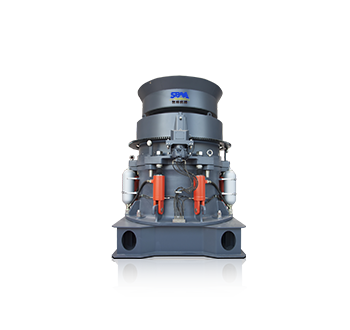
- 円錐 crushers は、一方で高容量の運転により適しており、採掘用途でよく使用されます。これらは、固定された外殻の内側で回転する円錐形の破砕面で構成されており、材料が下方に移動するにつれて絶えず破砕します。
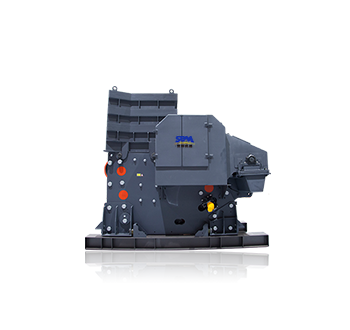
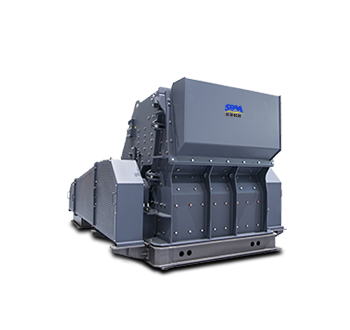
- インパクトクランチは、一次破砕ではそれほど一般的ではありませんが、石灰石やコンクリートなどの柔らかい材料に適しており、高速回転する羽根車を使い、投入物を打ち砕いて粉砕します。
一次破砕の出力サイズは通常、100~300ミリですが、これは具体的な用途や使用されるクランチの種類によって異なります。一次破砕における重要な考慮事項は、二次破砕段階に効率的に投入できる均一な製品を生成することです。これは、詰まりや下流の機器への過度の摩耗を防ぐために重要です。 `
2. 二次砕砕
二次砕砕は一次段階に続き、一次砕砕機の出力から材料のサイズをさらに小さくします。この段階では、供給材料は通常50~200ミリメートルであり、目標はそれを10~50ミリメートルの粒径に粉砕することです。二次砕砕は、粒径を小さくするだけでなく、粒子の形状を整え、均一性を向上させ、様々な用途に適したものにします。

コーンクラッシャーは、特に硬い材料の二次砕砕で最も一般的に使用される機器です
二次砕石におけるコーン式粉砕機と衝撃式粉砕機の選択は、材料特性、所望の製品サイズ、生産要件など、いくつかの要因によって異なります。例えば、コーン式粉砕機は、硬質材料を用いた高生産能力の作業に適しており、一方衝撃式粉砕機は、建設用途のための高品質な立方体骨材を製造するのに適しています。
3. 三次破砕
三次破砕は破砕工程の最終段階であり、材料を最終的に望ましい粒子サイズに縮小します。この段階は通常、二次破砕機からの材料を処理し、そのサイズは一般的に10ミリメートルから50ミリメートルの範囲であり、用途に応じて数ミリメートルから微細な粉塵までの粒子を生成します。
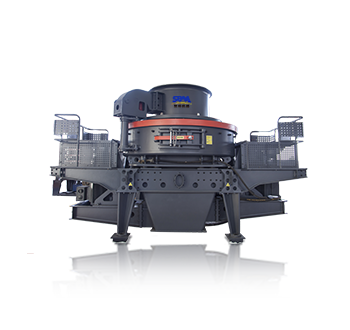
三次破砕機は、細粉砕と整形のために設計されており、最終製品が厳しいサイズと品質の仕様を満たすようになっています。一般的な三次破砕機には、コーンクラッシャー(多くは二次コーンクラッシャーよりも短くて傾斜のある破砕室を持つもの)、垂直軸衝撃破砕機(VSI破砕機)、ハンマーミルがあります。VSI破砕機は、特に高品質な立方体状の骨材の生産に効果的であり、コンクリートやアスファルト用の砂や砂利の生産に広く用いられています。これらは、材料を高速で加速し、静止した表面や他の粒子に衝撃を与えることで動作し、粒子のサイズを正確に制御し、優れた形状を実現します。
一部のケースでは、超微粉砕のために第四段階の破砕工程を追加することがありますが、これはあまり一般的ではなく、通常は微細粒の鉱石処理などの特殊な用途に限定されています。

相互関係とプロセス最適化
破砕の三つの段階は相互に関連しており、各段階は適切なサイズの材料を供給するために前段階に依存しています。よく設計された破砕回路は、各破砕機が最適な能力内で動作することを保証し、エネルギー消費と摩耗を最小限に抑えつつ、製品の品質を最大化します。例えば、一次破砕機が過大な材料を生産すると、二次破砕機に過負荷がかかり、非効率やメンテナンスコストの増加につながることがあります。逆に、一次破砕機が材料を過度に細かくすると、二次および三次段階への負荷が増し、その効果が低下する可能性があります。
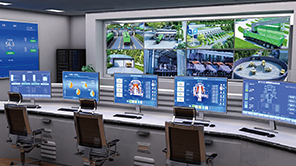
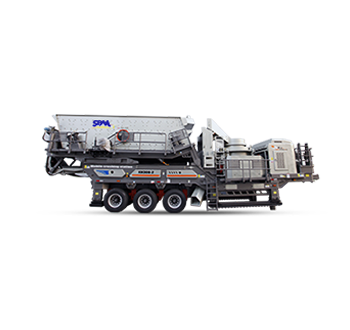
現代の破砕 plantでは、効率的な運用を実現するために、自動制御システムが頻繁に使用されます。これらのシステムは、供給速度、破砕機の設定、材料の流れを監視・調整し、一貫した粒子サイズの維持やダウンタイムの削減、全体的な効率の向上に寄与します。また、破砕機の種類や構成の選択は、硬さ、摩耗性、含水率などの材料特性や、最終製品の仕様に基づいて行われます。
各段階の機能と用途を理解することで、オペレーターは建設、鉱業、骨材生産、鉱物処理など、様々な業界の厳しい要件を満たす効率的でコスト効果の高い粉砕回路を設計および運用できます。


 解決策を得る
 メッセージを送る