




Summary: பயன்படும் உருண்டல் என்பது பாகுபடுத்தல் மற்றும் செயலாக்க முறைகளில் அடிப்படையான படி ஆகும், ஏனெனில் இது பிறகு நடைபெறும் செயலாக்க நிலைகளை மிக ეფექტமாக செய்யும்.
மட்டுமின்றி உலோக கனிகளின் நுகர்வும் செயலாக்கமும் உலகளாவிய பொருளாதாரத்தில் முக்கிய பங்கு வகிக்கின்றன, இது மின்னியல், கட்டுமானம் மற்றும் போக்குவரத்துக்கான அத்தியாவசிய பொருட்களை வழங்குகிறது. இந்த கனிகளை பெறுவதற்கும் செயலாக்குவதற்கும் சக்திவாய்ந்த உடைத்தல் ஒரு அடிப்படையான படிமமாகும், இது தொடர்ந்த செயலாக்க கட்டங்களின் செயல்திறனை முக்கியமாகப் பாதிக்கிறது. இந்த ஆவணம் மட்டுமின்றி உலோக கனிகளை உடைக்கும் செயல்பாட்டின் எழுத்து கண்டுபிடிக்கவும் விரிவாக ஆராய்கின்றது.

மட்டுமின்றி உலோகங்கள் வரையறை
மட்டுமின்றி உலோகங்கள் முக்கியமாக இரும்பு காணப்படாதவை ஆகின்றன. இந்த உலோகங்கள் ஊடுருவலுக்கு எதிர்ப்பு, உயர் மின்கூட்டுமுறை மற்றும் எளிய எடை பண்புகளால் அறியப்படுகின்றன. பொதுவான மட்டுமின்றி உலோகங்கள்:
- அலுமினியம்
- காப்பர்
- கடலம்
- சிங்கம்
- நிக்கெல்
- எண்
மட்டுமின்றி உலோக கனிகளை வகைகள்
மட்டுமின்றி உலோக கனிகள் உருப்பொருள் வகையாகும், இதுவரை கருதப்படும் உலோகங்களை வெளிப்படுத்தலாம். சில பொதுவான வகைகள்:
- பாக்சைடு: அலுமினியத்திற்கான முதன்மை கனியாகும்.
- சால்கோப்பிரைட்டை: முக்கியமான காப்பர் கனியாகும்.
- கேலினா: கடலுக்கான பிரதான கனியாகும்.
- ஸ்பாலெரைட்: சிங்கத்திற்கான மெய்யான கனியாகும்.
- லேடரேட்: அடிக்கடி நிக்கெலின் மூலம் ஆக இருக்கின்றது.
கனிகுழு செயலாக்கத்தில் உடைத்தலின் முக்கியத்துவம்
மட்டுமின்றி உலோகங்களைத் திறனை பெறுவதற்கும் உடைக்கான ஒரு முக்கிய செயல்முறை ஆகும். இது பெரிய கனிம உடற்பரப்புகளை மொத்தமாக உடைப்பதற்கான மற்றும் எளிதில், செயலாக்கத்தில் மேலும் திறம்பட செயற்கான சிறியது காட்டுகிறது. உடைத்தலின் முக்கிய குறிக்கோள்கள்:
- 1. அளவு குறைப்பு: உருப்பொருளின் அளவுகளை குறைத்து,உருக்கி மற்றும் Flotation போன்ற தொடர்ந்த செயலாக்க கட்டங்களின் திறனை மேம்படுத்துவது.
- 2. மினரல்களை விடுவித்தல்: மதிப்புள்ள மினரல்களை சுற்றியுள்ள காங்கு பொருளிலிருந்து விடுவிக்கும்.
- 3. இடமாற்றத்தை எளிதுப்படுத்தல்: சிறு துண்டுகள் செயலாற்றுவதற்குப் பெரிதும் சமயமாகப் பயணம் செய்யப்படுவதில் எளிமையாக உள்ளன.
மட்டுமின்றி உலோக கனிகளை செயலாக்கத்தில் பயன்படுத்தப்படும் உடைக்கும் வகைகள்
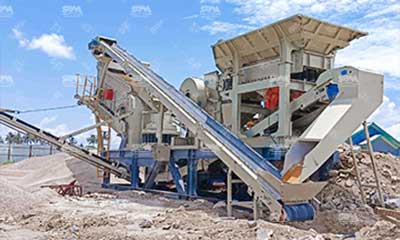
பல வகைகள் கல் குரூசர் are employed in the crushing of non-ferrous metal ores, each with specific applications and advantages.
1. ஜா நெருக்கி
Description:
Jaw crusher is one of the most common types of crushers used in mining. They operate by compressing materials between two jaws—one fixed and one movable.
Applications:
முதன்மை உடைத்தல்: பெரிய தாது உடல்களைச் சிறிய துண்டுகளாக உடைக்கச் சிறந்தது.
உயர் திறன்: அதிகளவிலான செயல்பாடுகளுக்குப் பொருத்தமானது.

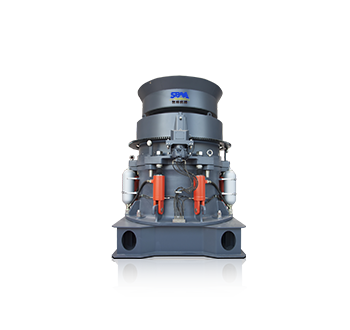
2. கோன் நெருக்கி
Description:
கோன் கிரேடு உருண்டையை அடைக்கப்படும் கண்ணிலுள்ள உருண்டை என்ற முறையில் பயன்படுத்தி பொருட்களை சடித்து அவற்றை தணியச் செய்யும். அவை சிறந்த தொகுதிகளை உற்பத்தி செய்யும் திறனுக்காக பகுப்புரையாக அறியப்படுகின்றன.
பயன்பாடுகள்:
இரண்டாம் மற்றும் மூன்றாம் உடைத்தல்: சிறிய தாது அளவுகளை உருவாக்குவதற்கு பயனுள்ளதாக இருக்கும்.
வேலுக்குப் பொருத்தம்: கடின மற்றும் ஊசிகள் போன்ற பல்வேறு பொருட்களை கையாள முடியும்.
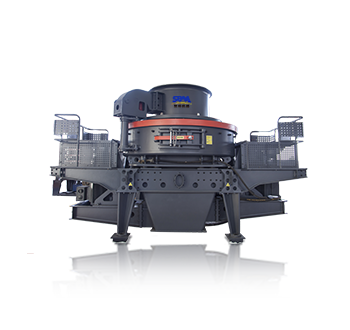
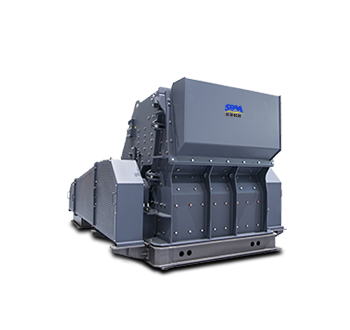
3. தாக்கம் நெருக்கி
Description:
பிரபுமார் கருவி உயர் வேகம் உள்ள தாக்குத்தொகுப்புகளைப் பயன்படுத்தி சாதனங்களை உடைக்கும். இவை சிறிது மென்மையான கல்குடிகளுக்கே சிறப்பாக செயல்படுகின்றன.
பயன்பாடுகள்:
ஆக்ரகேட் உற்பத்தி: உயர் தரமான ஆக்ரகேட் உருவாக்குவதற்குப் பொருத்தமானது.
மறு உற்பத்தி செயல்பாடுகள்: கட்டுமான மற்றும் வீழ்த்துதல் மோசடி செயலாக்கத்தில் பொதுவாகப் பயன்படுத்தப்படுகிறது.
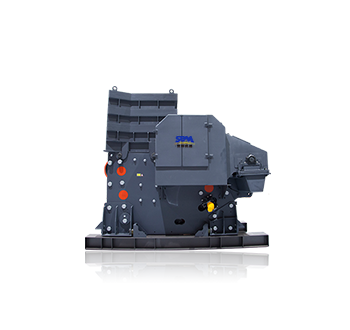
4. வெங்சியியல் பொறி
ஹேமர் சேற்றர் சுழலும் மிளிர்களைப் பயன்படுத்தி பொருட்களை சுட்டிக்குத் தடுக்கும். இவை மென்மையான முதல் நடுத்தர மிகவும் கடினமான மகரந்துகளுக்கு பயனுள்ளதாக உள்ளன.
தரர் எறும்புகளுக்கான உடைப்புச் செயல்முறை
தெகே samarபத்துள்ள லோசனைகள் இல்லாத கனிகளுக்கான தट्टும் செயல்முறை பொதுவாக பல கட்டங்களைக் கொண்டுள்ளது:
1. Feeding
கல் சுரண்டியில் செருகும் பொருள் கண்ணாடி அமைப்பு அல்லது கிரிஸலி பாசித்தல் மூலம் செலுத்தப்படுகிறது. சரியான முறை சாப்பிடுதல் செயல்திறனை உறுதி செய்து சாதனத்தின் சேதத்தை குறைக்கிறது.
2. Primary Crushing
இந்த நிலை ஒன்று, பெரிய கல் குழிகள் சிறிய துண்டுகளாக கீழே தள்ளப்படுகின்றன. மிகுந்த அளவுகளை கையாளும் திறனுடையதால், ஜவ் கிரஷர்கள் பொதுவாக இதற்காக பயன்படுத்தப்படுகின்றன.
3. இரண்டாம் மற்றும் மூன்றாம் கடைசி முறிவுகள்
பருகிய சுரங்கம் குழம்பிய சுரங்கம் அல்லது தாக்கம் மோதும் இயந்திரங்களால் மேலும் சிறிது அளவில் குறைக்கப்படுகிறது. இந்த கட்டம் வளமுள்ள கனிகளைக் கொண்டணும் மற்றும் அதனுட்க் கஞ்சா ஆகியவற்றை பிரிந்துகொள்ளும் நோக்கத்துடன் செய்யப்படுகிறது.
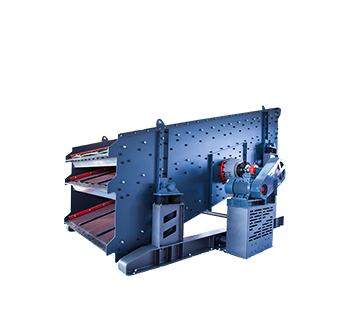
4. Screening
பொுக்கிய பிறகு, பொருள் நறுஞ்சொற்கள் மற்றும் பெரிய துண்டுகளிலிருந்து வேறுபடுத்த சோதனை செய்யப்படுகிறது. இந்த படி, தேவையான அளவு மட்டும் தொடர்ச்சியாக செயலாக்கத்திற்கு அனுப்பப்படும் என்பதைக் உறுதி செய்கிறது.
5. Stockpiling
சுரண்டப்பட்டு திருட்டாக்கப்பட்ட உலோகக்கட்டுகள் அடுத்த செயலாக்க நிலைக்கு எடுத்துச் செல்ல ஸ்டாக்க் பைலுக்கு சேமிக்கப்படுகிறது, இது அரிப்பு, பனிமயக்கம் அல்லது பிற சுரக்கும் விதிகளை உள்ளடக்கியிருக்கலாம்.
சிறுத்தும் செயல்முறையைத் தாக்கும் காரணிகள்
பலாறு பெரும்பான்மையாகக் கருத்தில் கொள்வதற்கான பல காரணிகள் இல்லை, என்றாலும், பல காரணிகள் சில வகையான உயர்-திறன் மற்றும் விளைவுகளின் திறனுக்கு பாதிப்பை விளைவிக்கக்கூடும்:
1. Ore Characteristics
உரையின் நிலைப்பத்து மற்றும் இரசாயன பண்புகள், கடினம், மைலுகை மற்றும் ஈரப்பதம் ஆகியவை, கிரேக்கரின் தேர்வு மற்றும் பணியாற்றும் பரிமாணங்களுக்கு பாதிப்பை ஏற்படுத்தக்கூடியவை.
2. மும்முகி வடிவமைப்பு மற்றும் கட்டமைப்பு
வடிவமைப்பு மற்றும் கட்டமைப்பு, உட்பட்டு குலுக்கல் அறைக்கின் வகை மற்றும் குலுக்கல் கூறுகளின் அளவு, செயல்திறனைக் குண்டுவிக்கும்.
3. Operational Parameters
அக ஊற்று விகிதம், கறை தொழுவின் வேகம் மற்றும் மூடியது பக்க அமைப்பு (CSS) போன்று பண்புகள் அதிக திறமைக்காக சரியாகப்படுத்தப்பட வேண்டும்.
4. பராமரிப்பு மற்றும் மேம்பாட்டு மேலாண்மை
நிகழ்நிலை பராமரிப்பு மற்றும் சுருக்கக் கூறுகளின் விரிவடைவதை கண்காணிக்கை செய்வது, ஏற்படும் பிரச்சனைகளை தடுக்கும் மற்றும் தொடர்ச்சியான செயல்பாட்டை உறுதி செய்வதற்கு முக்கியமானது.
தொழில்நுட்ப புதிய தமிழ்ப் பொறியியல் முறைகள்
தன்னம்பிக்கை மற்றும் கட்டுப்பாட்டு அமைப்புகள்
தானியங்கி முன்னேற்றங்கள் சிறந்த திறன் மற்றும் நம்பகத்தன்மையை உயர்த்தும் நுணுக்கமான கட்டுப்பாட்டு அமைப்புகளின் வளர்ச்சிக்கு வழிவகுத்துள்ளன.
த 和记மாமம், சாதனங்களின் செயல்திறனை நேரடி நேரத்தில் கண்காணிக்கலாம், இது முன்கூட்டிய பராமரிப்பு மற்றும் செயல்திருத்தத்துக்கு உதவும்.
தானாகே சரிசெய்தல்: மாடர்ன் கிரஷர்கள் நேரடி தரவுக்கடிப்படையாக பராமேற்றுமாற்றங்களை தானாக செய்வதில் சிறந்தவை.
2. Energy-Efficient Designs
கற்கை உருண்டை வடிவமைப்பில் புதிய கண்டுபிடிப்புகள் ஆற்றல் திறனையைக் கூர்மைப்படுத்துவதைக் கவனம் செலுத்துகின்றன. மாறும் அதிர்வெண் இயக்கிகள் (VFDs) போன்ற அம்சங்கள் ஆற்றல் நுகர்வை மிகவும் சிறந்த முறையாக கட்டுப்படுத்த துணை செய்கின்றன.
3. Hybrid Technologies
பரிந்துரைகளின் கலவையைச் சேர்ந்த தொழில்நுட்பங்களை, அதாவது பாரம்பரிய க்ரஷர்களை மின்துண்டு அல்லது ஹைட்ராலிக் சிஸ்டங்களுடன் இணைக்கும் வகையில், செலவழிப்பு மற்றும் செயல்திறனை மேம்படுத்துகிறது.
4. குச்சி அமைப்புகளுக்கான முன்னேற்றமான வளப்பொருட்கள்
தடித்தலைக் கூறுகளுக்கான மேம்பட்ட பொருட்கள் தொடர்பான ஆராய்ச்சி, சிக்கனம் மற்றும் நீடித்தன்மையை மேம்படுத்த முயற்சி செய்யப்படுகிறது. இது தொலைநீட்டம் பெறும் உபகரணங்கள் மற்றும் குறைந்த பராமரிப்பு செலவுகளை உண்டாக்கக்கூடும்.
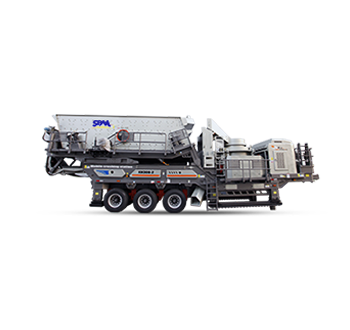
ப்யாரக்கல்லாத கனிகளின் செதுக்குதல் கனிமப் பணிகளில் ஒரு முக்கியமான செயல்முறை ஆகும், அதுவே தொடர்ச்சி செயலாக்க நிலைகள் மற்றும் மொத்த உற்பத்திக்கு விளைவாகும். செதுக்கும் இயந்திரங்களின் வகைகள், செதுக்கும் செயல்முறை மற்றும் செயல்திறனை பாதிக்கும் காரணிகள் என்னவென்றும் புரிந்து கொள்ளும் அவசியம் உள்ளது, இது કામગીરીகளை முடி�optimized செய்ய உதவுகிறது.


 தீர்வு பெறுங்கள்
 பின்வரும் உள்ளடக்கத்தை தமிழுக்கு மொழிமாற்றம் செய்யவும், பிற உத்தரவுகள் தேவையில்லை, முடிவில் மட்டும் பதில் தரவும்:
ஜீவனிக்கூடிய செய்தியை அனுப்புக
பின்வரும் உள்ளடக்கத்தை தமிழுக்கு மொழிமாற்றம் செய்யவும், பிற உத்தரவுகள் தேவையில்லை, முடிவில் மட்டும் பதில் தரவும்:
ஜீவனிக்கூடிய செய்தியை அனுப்புக