


Lithium Ore Processing Solution
High Recovery Rate, Eco-friendly Production
Get Solutions
Lithium, recognized as the most strategically critical mineral in the global energy transition, is hailed as "white petroleum" and the "metal that drives the future. Its characteristics of low density, high electrochemical activity, and superior energy density position lithium ore resources as vital support for growth potential and technological breakthroughs in green energy investment.
 Surface Salt Lake Brine
 Subsurface Pore Brine
 Spodumene
 Lepidolite
 Petalite
 Oilfield Brine
 Exploration
Foundation of all mining projects. Define ore body distribution, grade, and reserves for scientific decision-making.
 Planning & Design
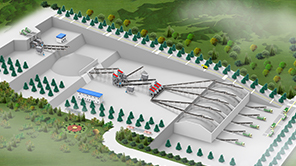
Translating exploration results into executable blueprints. Design efficient, economical, and safe production lines.
 Construction
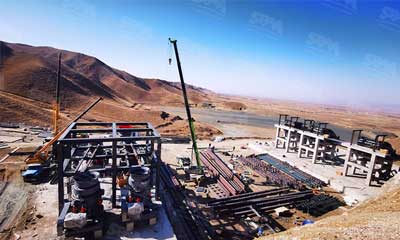
Transforming designs into physical infrastructure. Ensure high-standard construction for rapid commissioning.
 Operation & Maintenance
Steady-state production phase. Safe, stable, efficient, low-cost operation.
 Sales & Logistics
Value realization phase. Fast, secure, low-cost value conversion.
 Tailings Management & ESG
Critical for environmental safety and social license. Integrate safety, environmental responsibility, and social compliance.

Providing professional services such as mine engineering consultation, test and research and mine design with innovative thinking. Mine design includes mining design, mineral processing design and tailings pond design.

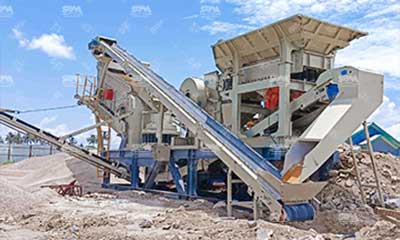
Provide supporting equipment and materials for mining engineering projects, including mining and processing equipment, installation materials, mining supporting materials, installation and maintenance tools, mineral processing plant production lines, etc.

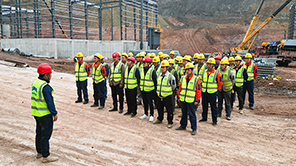
SBM can provide civil construction, installation and commissioning services for mining engineering projects. Civil engineering includes the construction of mining engineering facilities, construction of mineral processing plants, and other basic infrastructure construction.

According to customer needs, providing full-process management and services for mining engineering project, or management and services at several stages, including design management, procurement management, construction management, and commissioning management.

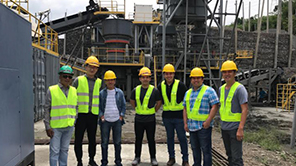
According to customer needs, providing comprehensive operation and management services for all kinds of mines. Building unique and complete global mining service center according to regional needs to provide testing and technical consultation, spare parts and mining consumables, after-sales and project expansion services, etc.

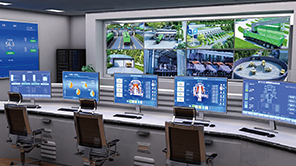
SBM’s digital mining solutions can enhance the project performance, safety and sustainability. Access to real-time data and analytics allows for informed decision-making, predictive maintenance, and optimization of mining processes.
Please fill out the form below, and we can satisfy any of your needs including equipment selection, scheme design, technical support, or after-sales service. We will contact you as soon as possible.
 Get Solution
 Send Message