




Summary: The finish cement grinding process is roughly divided into an open circuit grinding system and a closed circuit grinding system. The grinding mill used is a Raymond mill or ball mill....
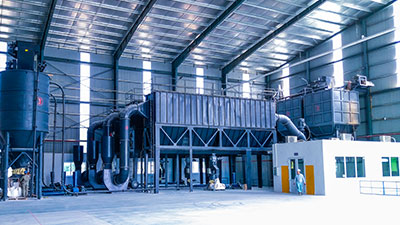
The finish cement grinding process is roughly divided into an open circuit grinding system and a closed circuit grinding system. The grinding mill used is a Raymond mill or ball mill. In the open circuit mill, the mill shell has a length of about 4 to 5 times its diameter to achieve the specified fineness, and the outer wall of the shell is sprayed with water to prevent the temperature of the material inside the mill from rising. It is also possible to spray water into the mill interior but the closest attention has to be paid so as not to deteriorate the product quality.
In the closed circuit mill, the mill has a length of 3 times or below its diameter so as to accelerate the passage of the product. The separator works as a cooler for the product in addition to its function as classifier for the product.
As cement manufacturing is highly capital intensive, the lifetime of cement plants is usually 30 to 50 years. However, new equipment is not only found in places where capacities have been built up due to high market growth; typically the technical equipment of existing cement plants is modernized continuously, meaning that often after 20 or 30 years most of the original equipment has been replaced and is always adapted to modern technology. But a significant decrease in specific powder consumption is only achieved through major retrofits, such as changing from cement grinding with ball mills to high-efficiency vertical roller mills or high-pressure mills.
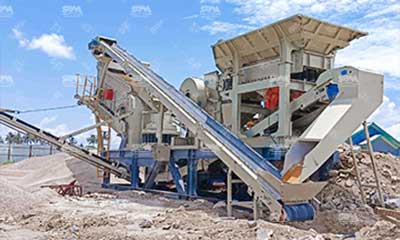
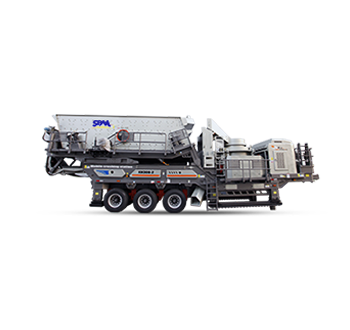
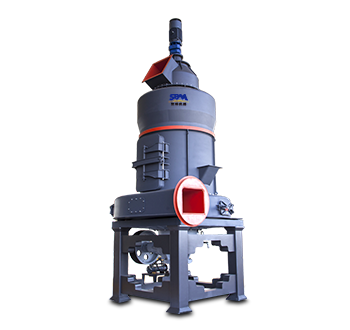
Grinding occurs at the beginning and the end of the cement making process. Approximately 1.5 tonnes of raw materials are required to produce 1 tonne of finished cement. We have developed a complete range of portable cement grinding units for sale, such as ball mills, vertical roller mills, high pressure mills, ultrafine mills, etc. It is convenient and mobile to move on the working site, greatly saving raw material transport costs.


 Get Solution
 Send Message