





Summary: SBM mobile crushing plant for pebble & basalt in Panama processes 800mm feed to 0-13, 13-20, 20-40mm at 200-250TPH. Jaw + cone + screen train ensures cubical shape, low wear....
Panama's strategic position as the crossroads of the Americas has driven sustained growth in infrastructure development. From the ongoing expansion of the Panama Canal's logistical capabilities to highway networks connecting the isthmus, the demand for high-quality construction aggregates continues to rise. For contractors and quarry operators in this dynamic market, the ability to process local materials efficiently while maintaining mobility across multiple project sites represents a significant competitive advantage.
This article examines a recent customer inquiry from Panama requiring a crushing plant capable of processing both pebble and basalt—two materials with distinctly different characteristics—at a capacity of 200-250 tons per hour, producing three specific end products: 0-13mm, 13-20mm, and 20-40mm aggregates. The customer's additional requirement for a mobile crusher station reflects the practical realities of operating in Panama's diverse terrain and project landscape.

Understanding the Raw Materials
Before designing any crushing solution, a thorough analysis of the feed material is essential. In this case, the customer needs to process two different materials: pebble and basalt.
Pebble (River Stone)
River pebbles are natural stones formed by prolonged water flow erosion in riverbeds. Their key characteristics include:
- High Hardness: With silica content often exceeding 80%, river pebbles rank among the hardest natural materials, typically measuring 7-8 on the Mohs scale.
- Smooth Surface: The water-polished surface reduces friction in the crushing chamber, which can affect throughput if not properly managed.
- Abrasive Nature: The high silica content makes pebbles extremely abrasive, causing accelerated wear on crusher liners if inappropriate equipment is selected.
Basalt
Basalt is an igneous rock formed from cooled volcanic lava. Its properties include:
- Dense Structure: Basalt has a dense, fine-grained texture with specific gravity higher than granite or limestone.
- High Compressive Strength: Typically ranging from 200-350 MPa, basalt presents significant challenges for crushing equipment.
- SiO2 Content: Containing 45-52% silicon dioxide, basalt is classified as a hard, abrasive material requiring robust crushing solutions.

The Common Challenge
Both pebble and basalt share two critical characteristics: hardness and abrasiveness. For such materials, impact-based crushing (using impact crushers or hammer crushers) results in prohibitively high wear part costs and frequent maintenance downtime. The industry standard for processing these materials is a compression-based crushing circuit utilizing jaw crushers for primary reduction and cone crushers for secondary and tertiary stages.
Customer's Background
- Raw material: pebble, basalt
- Max feeding size: 800mm
- Output size: 0-13mm, 13-20mm, 20-40mm
- Capacity: 200-250TPH
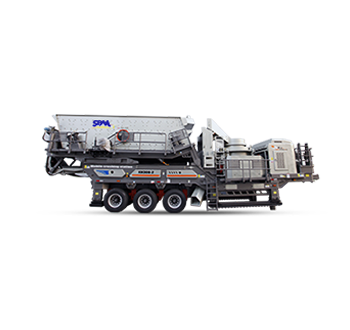
- Plant Type: Mobile Crusher Station
Analysis of Requirements
The 800 mm maximum feed size is typical for blasted or excavated rock in Central American quarry operations. This requires a primary crusher with a feed opening sufficiently large to accept such material without bridging.
The three finished product specifications align with common construction requirements:
- 0-13 mm: Fine aggregates for concrete production and road base
- 13-20 mm: Medium aggregates for concrete mixes and asphalt
- 20-40 mm: Coarse aggregates for drainage layers, backfill, and structural concrete
The 200-250 TPH capacity places this project in the mid-to-high range for mobile plants—sufficient for commercial quarry operations while remaining practical for relocation between projects.
The Recommended Solution: A Mobile Multi-Stage Crushing Circuit
Based on the material characteristics and project requirements, an optimal solution would be a three-stage mobile crushing train combining jaw crushing, cone crushing, and screening capabilities.
Stage 1: Primary Crushing – Mobile Jaw Crusher
The first stage must reduce 800 mm feed to a size manageable for secondary crushing.
Recommended Configuration:
- Equipment: Mobile jaw crusher with heavy-duty feeder
- Model Reference: mobile jaw crusher or equivalent (feeder opening >800 mm)
- Function: Primary reduction to 120-180 mm
The mobile jaw crusher should incorporate a vibrating grizzly feeder with adjustable bars to bypass fines, removing material that already meets size requirements and reducing unnecessary wear on the crushing chamber.
Key Technical Considerations:
- Feed opening must be at least 20% larger than maximum feed size to prevent bridging
- Hydraulic CSS adjustment enables quick response to wear and product changes
- Heavy-duty construction essential for basalt processing
Stage 2: Secondary Crushing – Mobile Cone Crusher
For hard, abrasive materials like pebble and basalt, the cone crusher is the industry standard for secondary reduction.
Recommended Configuration:
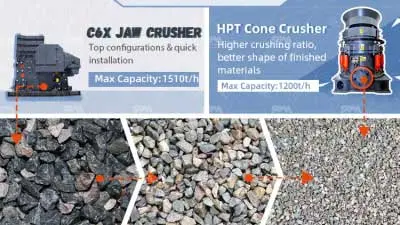
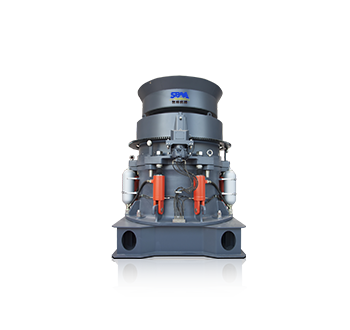
- Equipment: Mobile cone crusher with multi-cylinder hydraulic technology
- Model Reference: NK200 mobile cone crusher or equivalent
- Function: Secondary reduction to 40-60 mm
Why Cone Crusher?
The multi-cylinder hydraulic cone crusher offers several advantages for this application:
- Laminated Crushing Principle: Compresses material between mantle and concave, producing cubical product shape essential for high-spec concrete aggregates.
- Superior Wear Life: Minimizes direct metal-to-rock contact, extending liner life by up to 30% compared to impact crushing.
- Hydraulic Overload Protection: Automatically releases when uncrushable material enters the chamber, protecting critical components.

Stage 3: Tertiary Crushing and Screening – Mobile Cone Crusher and Screening Plant
To achieve the final product specifications (0-13mm, 13-20mm, 20-40mm), a closed-circuit configuration with precise screening is required.
Recommended Configuration:
- Equipment: Mobile cone crusher (fine cavity) + mobile triple-deck screening plant
- Alternative: Combined mobile cone-screen unit where available
- Function: Final reduction and classification
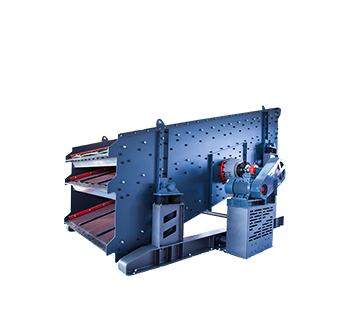
The tertiary cone crusher should be configured with a fine crushing chamber to produce the sub-40 mm material required. The material then passes to a mobile screening plant equipped with a triple-deck vibrating screen capable of producing three fractions simultaneously.
Screening Specifications:
- Top Deck (20-40 mm): Oversize returned to tertiary crusher
- Middle Deck (13-20 mm): Medium aggregate product
- Bottom Deck (0-13 mm): Fine aggregate product
- Pan (below bottom deck): Ultra-fines (if any)
This closed-circuit arrangement ensures that all final products meet specification while maximizing yield from the raw feed.
Mobile Plant Configuration: The Complete Train
Based on successful implementations in similar applications, such as the 250TPH basalt processing plant in Indonesia , the complete mobile train would comprise:
| Unit | Equipment Type | Primary Function |
|---|---|---|
| Unit 1 | Mobile Jaw Crusher | Primary crushing (800mm → 150mm) |
| Unit 2 | Mobile Cone Crusher | Secondary crushing (150mm → 50mm) |
| Unit 3 | Mobile Cone Crusher | Tertiary crushing (50mm → <40mm) |
| Unit 4 | Mobile Triple‑Deck Screen | Classification into 3 products |
Material Flow:
- 1. Run-of-mine material (0-800mm) → Feeder with grizzly → Jaw Crusher
- 2. Jaw crusher product → Belt conveyor → Secondary cone crusher
- 3. Secondary product → Belt conveyor → Tertiary cone crusher
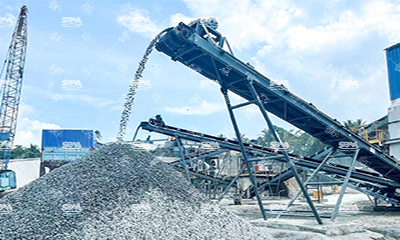
- 4. Tertiary product → Belt conveyor → Triple-deck vibrating screen
- 5. Oversize (>40mm) → Return conveyor to tertiary crusher
- 6. Finished products (0-13, 13-20, 20-40mm) → Stockpile conveyors
Key Benefits of the Mobile Configuration in Panama
For Panamanian operators, the shift from stationary to mobile stations offers significant strategic advantages:
- Rapid Deployment: Unlike stationary plants that require extensive concrete foundations, these mobile units can be operational within days of arriving at the quarry.
- Flexible Logistics: As the quarry face progresses or the project site moves, the units can be relocated easily, drastically reducing the cost of truck-hauling raw materials.
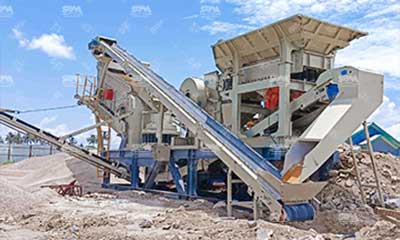
- All-in-One Integration: Each station integrates the feeder, crusher, and conveyors on a single chassis, simplifying power management and maintenance.
- Tropicalized Design: The systems are equipped with independent cooling for hydraulic oil and IP65-rated electrical cabinets to withstand Panama’s high humidity and intense rainy seasons.
Technical FAQ for the Panama Market
Q: Why use a Cone Crusher instead of an Impact Crusher for 0-13mm basalt?
A: While impact crushers produce good shapes, the high abrasiveness of basalt would wear out blow bars in a matter of days. A Cone Crusher provides the most cost-effective long-term solution with significantly lower maintenance costs per ton.
Q: Can the output sizes be adjusted?
A: Yes. The HPT cone crusher allows for hydraulic adjustment of the Closed Side Setting (CSS) via a touch screen, allowing you to fine-tune the ratio of 13-20mm and 20-40mm products on the fly.
Q: How is dust controlled in urban Panamanian sites?
A: Our mobile units are equipped with high-pressure water spray systems at the feed and discharge points, along with optional dust covers for conveyors to ensure environmental compliance.
A Solution Tailored to Panama's Needs
The proposed mobile crushing train—comprising a primary jaw, secondary cone, tertiary cone, and triple-deck screen—addresses every requirement of the Panamanian customer's inquiry:
- ✅ Handles both pebble and basalt through compression crushing technology optimized for hard, abrasive materials
- ✅ Accepts 800mm feed with appropriately sized primary jaw crusher
- ✅ Produces three specified products via triple-deck screening in closed circuit
- ✅ Delivers 200-250 TPH capacity through balanced equipment selection
- ✅ Mobile configuration enables relocation between projects, reducing haulage costs and maximizing equipment utilization
For the Panamanian contractor or quarry operator, this solution offers the flexibility to pursue multiple projects across the isthmus while maintaining the production capacity needed for commercial viability. Whether processing river pebbles from Panama's waterways or basalt from volcanic deposits, the crushing train delivers consistent, high-quality aggregates that meet the stringent requirements of modern construction.


 Get Solution
 Send Message