






Summary: Metallurgical processes produce a large amount of slag. The slag can be classified according to its origin and characteristics into three groups, namely ferrous slag, incineration slag and non-ferrous slag...
Slag Recycling Plant
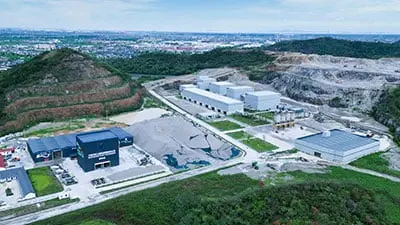
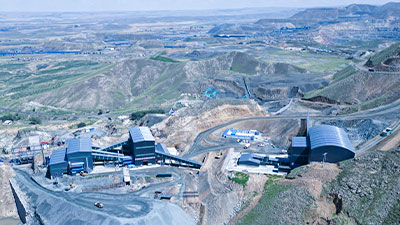
Metallurgical processes produce a large amount of slag. The slag can be classified according to its origin and characteristics into three groups, namely ferrous slag, incineration slag and non-ferrous slag. In the iron and steel industry, a large amount of solid wastes are produced during iron making, steel making and rolling operations.
These solid wastes are furnace slag, dusts, and various types of sludge, fines, fly ash, and mill scale. Iron waste materials can be processed by a slag recycling plant and used as resources for industrial use if properly characterized and beneficiated to acceptable grades and recovery rates. This will help in reducing the cost of waste disposal and protect the environment from pollution.
Slag Magnetic Separation
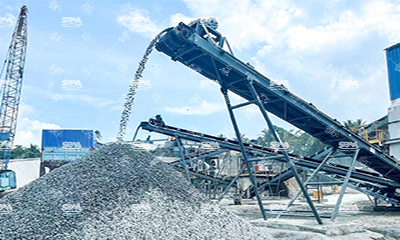
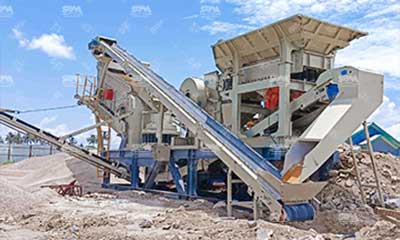
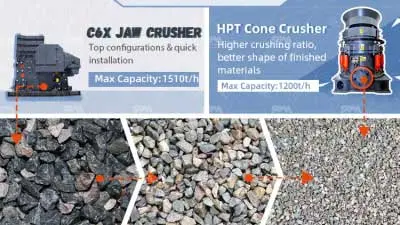
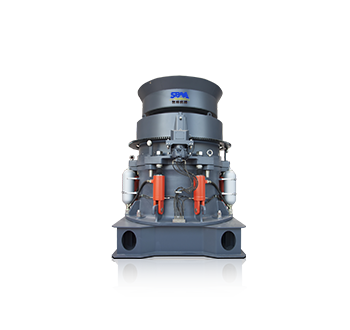
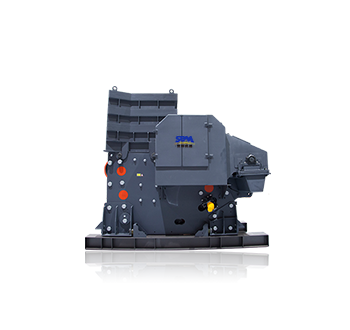
Primary crushing of slag lumps was performed in the jaw crusher, 300*250 mm, and the product with 95 % of 10 mm. Secondary crushing was performed by a roller crusher with roller dimensions of 300 x 250 mm. The crushing of slag was in a closed circuit, and the position of the roller was varied to produce two products: one with 100% passing a 0.6 mm sieve and the other with 100% passing a 3 mm sieve.
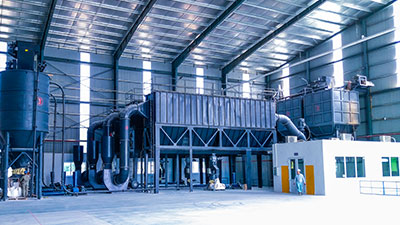
Magnetic separation of ground slag was performed by the cross belt slag magnetic separator. The magnetic separator has two zones: one is a low-intensity permanent magnet zone, and the other is a high-intensity electromagnet zone. The permanent magnet attracts the material with high magnetic properties, and the other magnet attracts the material with low magnetic properties.


 Get Solution
 Send Message