


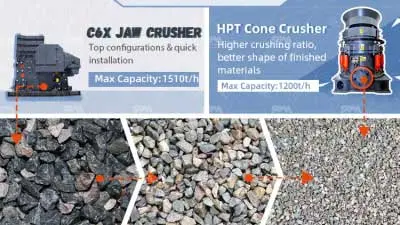


Summary: Discover the 6 main types of crushers for aggregate production: jaw, gyratory, cone, impact, hammer, and roll crushers. Learn how they work and their applications....
Aggregates are the backbone of the construction industry, serving as essential components in concrete, asphalt, road bases, and other infrastructure projects. To produce these vital materials, rocks and minerals must be extracted from the earth and processed into consistent, usable sizes suitable for construction. Central to this process is the role of crushers—the machines that reduce large rock formations into smaller pieces.
There are several types of stone crushers used in aggregate production, and each type plays a distinct role based on the characteristics of the material to be processed and the desired size and shape of the aggregates. This article offers an in-depth exploration of the various crushers employed in making aggregates, their working principles, applications, advantages, and limitations.

1. Jaw Crushers
a) Working Principle
Jaw crushers are the most commonly used primary crushers in aggregate production. They operate on the principle of compressive force, where a fixed jaw and a moving jaw work together to crush rocks.
How it works:
- The moving jaw compresses material against the stationary jaw.
- Material breaks along its natural fissures and is reduced in size.
- Broken pieces fall to the bottom and exit the machine through the discharge opening.

b) Applications
Jaw crushers are ideal for processing hard and abrasive materials such as granite, basalt, and quartzite. They are also suitable for softer materials like limestone and recycled concrete when used as primary crushers.
c) Advantages
- Simple design and reliability: Low maintenance costs.
- High throughput: Suitable for high-capacity operations.
- Versatile: Can handle wide size ranges and different types of rock.
d) Limitations
- Size Reduction: Limited to producing coarser aggregates, with further processing required for finer gradations.
- Fixed Discharge: Can sometimes lead to uneven wear and less flexibility in output sizes.
2. Gyratory Crushers
a) Working Principle
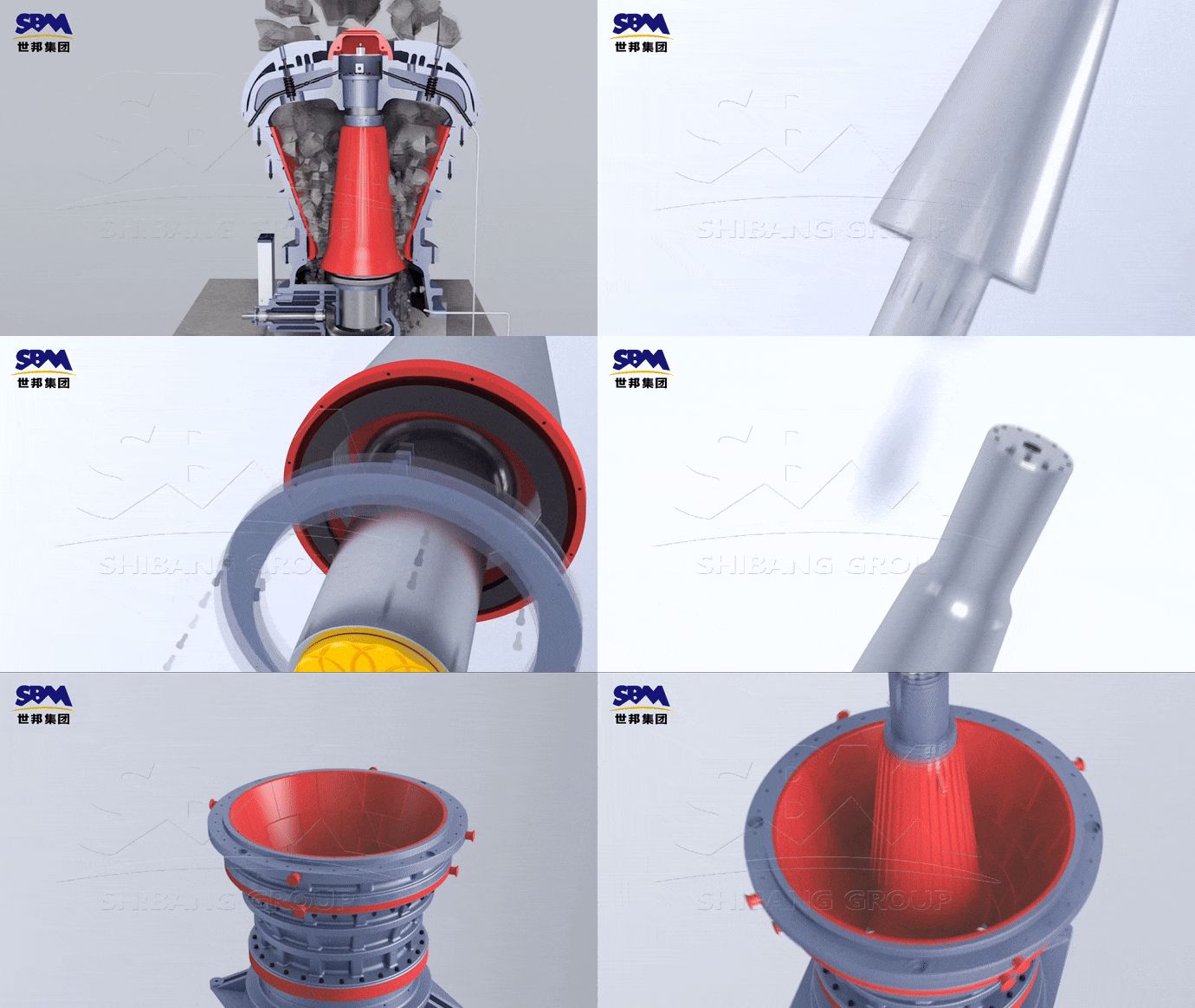
Gyratory crushers work on a similar principle to jaw crushers but with a circular motion.
How it works:
- A conical crushing head gyrates within a larger cone-shaped bowl.
- Material is crushed as it descends through the narrowing gap between the two surfaces.
- Crushed material exits at the bottom after processing.
b) Applications
Gyratory crushers are used in high-capacity, high-demand applications. They are effective for processing hard and abrasive materials and are often deployed in primary crushing operations in large mines or quarries.
c) Advantages
- High Capacity: Capable of handling large volumes of material efficiently.
- Consistent Product Size: Provides a uniform particle distribution.
- Durable Construction: Designed for long life and heavy-duty applications.
d) Limitations
- Complex Installation: Generally more costly to install and maintain than jaw crushers.
- Size: Not ideal for mobile installations due to their size and weight.
3. Cone Crushers
a)Working Principle
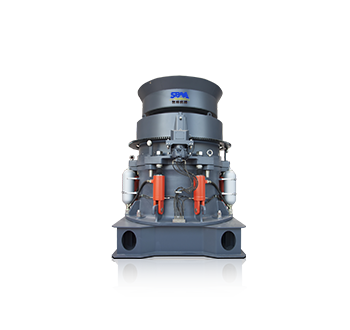
Cone crushers are often used in secondary or tertiary crushing stages. They compress materials between a gyrating spindle and a concave hopper.
How it works:
- Material enters from the top and is squeezed between the spindle and the concave surfaces.
- The continuous rotation causes the spindle to gyrate, crushing the material further.
- Material is discharged at the bottom once adequately crushed.
b) Applications
Cone crushers are preferred for their ability to produce fines and well-shaped aggregates. They are utilized for medium to fine crushing of materials such as stone, gravel, and recycled concrete.

c) Advantages
- Superior Product Quality: Produces well-shaped and uniform aggregates.
- Adjustable Settings: Operators can control output size by adjusting the crusher's setting.
- Efficient Crushing: Suitable for a variety of materials, including abrasive ones.
d) Limitations
- Multistage Use: Often requires multiple stages for optimal results.
- Setup and Adjustment Complexity: Requires precise setup for optimal operation.
4. Impact Crushers
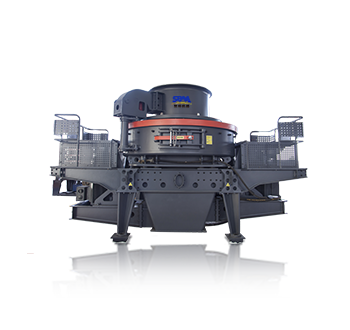
Impact crushers come in two main types: horizontal shaft impactors (HSI) and vertical shaft impactors (VSI). Both use high-speed impact force to reduce rock size.
a) Horizontal Shaft Impactors (HSI)
How they work:
- Rocks are fed into a chamber and hit by blow bars mounted on a rotating rotor.
- The impact breaks rocks along their natural lines of weakness.

b) Applications of HSI
HSIs are excellent for softer materials, such as limestone and concrete. They are also used for recycling applications due to their ability to break down composite materials.
c) Advantages of HSI
- Versatility: Can handle a broad range of soft to medium-hard materials.
- High Reduction Ratio: Efficiently reduces large feeds to small product sizes.
- Recycling Applications: Effective in breaking down composite materials and asphalt.
d) Limitations of HSI
- Wear and Tear: Higher wear costs due to exposure of blow bars.
- Particle Shape: May require further shaping for certain aggregate specifications.
e) Vertical Shaft Impactors (VSI)
How they work:
- Material is fed into a rotor that throws rocks against a hard surface.
- The impact causes rock to fracture along its weak points.
f) Applications of VSI
VSIs are used when a high-quality end product is essential, particularly for producing fine-grade aggregates like manufactured sand.

g) Advantages of VSI
- Cube-Shaped Product: Produces superior shaped aggregates.
- Customizable Output: Operators can adjust settings for different applications.
- Ideal for Sand Production: Efficiently produces fine materials and high-grade sands.
h) Limitations of VSI
- Energy Consumption: Higher energy usage compared to some crushers.
- Capacity Limits: Less suitable for high-capacity applications without proper modifications.
5. Hammer Crushers
a)Working Principle
Hammer crushers use rotating hammers to strike incoming rocks. Upon impact, materials are shattered and further reduced in size.
How it works:
- Materials are fed into a rotating drum equipped with heavy hammers or breaker bars.
- The repeated hammering action breaks down the rock material.

b) Applications
Typically used in mining, hammer crushers are effective for processing ores, coal, and similar raw materials.
c) Advantages
- Simplicity: straightforward design and easy operation.
- Cost-Effectiveness: Generally lower installation and maintenance costs.
- Flexibility: Can process a wide range of materials.
d) Limitations
- Wear Rates: High levels of wear due to repeated hammer impact.
- Limited Size Reduction: More suited to soft rock applications and secondary crushing.
6. Roll Crushers
a) Working Principle
Roll crushers use compression, performed by two rotating rolls that break the material between them.
How it works:
- Material is fed between two rolls.
- Rolls rotate inward and compress the material, breaking it apart.
b) Applications
Applicable for medium and fine crushing and suited for materials like limestone, clay, and coal.
c) Advantages
- Low Dust and Noise: Gentle crushing process.
- Granular Product: Produces uniform material granulation.
- Suitable for Sticky Materials: Can handle materials prone to sticking.
d) Limitations
- Capacity Limitations: Generally used for smaller capacity outputs.
- Not for Hard Materials: Less effective on very hard materials.
SBM – Leading Manufacturer of Industrial and Aggregate Crushers
The choice of crusher in aggregate production depends on various factors, including the material type, desired product size, project scale, and the characteristics of the deposit. While jaw crushers and gyratory crushers are crucial for primary crushing, cone crushers, impact crushers, and specialty equipment like VSI crushers play a vital role in shaping and refining aggregates to meet exact specifications.
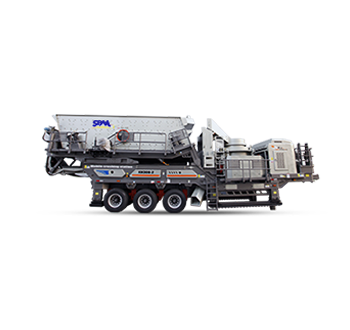
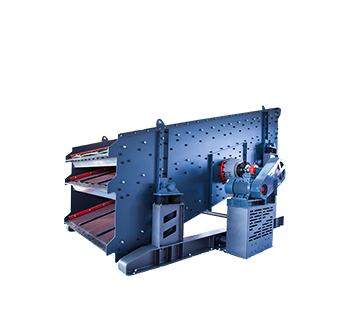
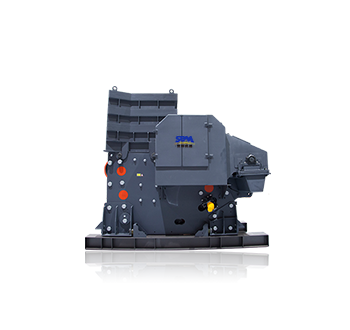
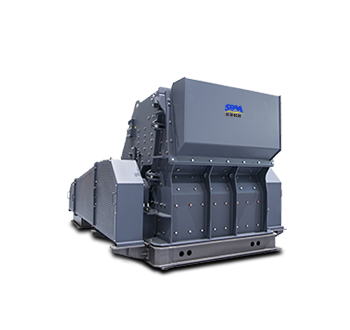
For those looking to invest in high-quality crushers for industrial and aggregate production, SBM is a trusted name in the industry. As one of the leading manufacturers of crushers, we offer a wide range of equipment tailored to meet the specific needs of various aggregate production applications. Whether you are looking for jaw crushers, cone crushers, impact crushers, or VSI crushers, SBM China provides reliable, efficient, and durable machinery.
Our aggregate crushers are engineered with the latest technology, ensuring high performance, energy efficiency, and easy maintenance. With years of experience in the field, SBM China has established a reputation for providing innovative solutions that enhance productivity and lower operational costs. We pride ourselves on offering customized solutions to help you achieve the best possible outcomes in your aggregate production processes.



 Get Solution
 Send Message