






Summary: This article provides an in-depth analysis of strategies and best practices for optimizing grinding circuit efficiency in mineral processing....
Grinding circuits are foundational components of mineral processing plants, where the primary goal is to reduce ore particle sizes to liberate valuable minerals for subsequent beneficiation. Efficient grinding circuits are vital because they directly impact downstream processing, affecting metal recovery rates, energy consumption, and overall operational costs. Given that grinding is one of the most energy-intensive and costly steps in mineral processing—often accounting for 40-60% of total plant energy consumption—optimizing grinding circuit efficiency is critical to maximizing profitability and sustainability.
This article provides an in-depth analysis of strategies and best practices for optimizing grinding circuit efficiency in mineral processing. It covers key concepts such as circuit design and operation, equipment selection and maintenance, ore characterization, real-time monitoring and control, and emerging technologies. The intent is to equip mineral processing engineers and operators with practical insights for improving circuit performance, maximizing throughput, and minimizing operating costs.

1. Understanding Grinding Circuit Fundamentals
1.1 Grinding Circuit Types
Grinding circuits typically consist of primary grinding mills—such as SAG (semi-autogenous grinding) or ball mills—followed by secondary or tertiary mills and classification devices. Common circuit configurations include:
- Single-stage grinding circuits: Use a single grinding unit (e.g., ball mill) followed by classification.
- Two-stage grinding circuits: Employ a primary mill (possibly SAG) followed by a secondary ball mill.
- Closed-circuit grinding: The grinding mill is coupled with a classifier (e.g., cyclone) to constantly remove fines and return coarse particles for additional grinding.
- Open-circuit grinding: Material passes through the mill without classification, often resulting in less efficient size reduction.
Each configuration’s efficiency depends on ore characteristics, plant design, and operational parameters.
1.2 Performance Metrics
Evaluating grinding circuit efficiency involves several key performance indicators (KPIs):
- Throughput (t/h): Amount of ore processed per hour.
- Specific Energy Consumption (kWh/t): Energy used per ton of ore milled.
- Particle Size Distribution (PSD): Represents how effectively the grind size targets liberation size.
- Mill Availability and Utilization: Downtime reduces productivity and efficiency.
- Grinding Media Wear Rate: Excessive media consumption adds to costs.
- Grinding Circuit Product Size: Finer grind improves liberation but increases power consumption.
Understanding these KPIs allows operators to identify bottlenecks and optimize process conditions.
2. Ore Characterization and Its Impact on Grinding
2.1 Mineralogy and Liberation Size
The mineralogical composition and texture significantly influence grinding efficiency. Hard ores with complex mineral associations require different grinding approaches than soft, friable ores. Knowledge of liberation size—the particle size at which valuable minerals are freed from the gangue—is imperative for setting grinding targets.
Key strategy:
- Conduct comprehensive mineralogical studies using techniques such as QEMSCAN or MLA.
- Determine target grind size for optimal liberation balance.
2.2 Hardness and Comminution Characteristics
Ore hardness affects energy requirements and equipment wear rates. Tests such as Bond Work Index (BWI), SAG power index (SPI), and drop weight tests provide essential data for designing and optimizing grinding circuits.
Best practice:
- Regularly update ore hardness data as the mine progresses to fine-tune grinding parameters.
- Use hardness data to adjust mill speed, feed rate, and media loading.
3. Equipment Selection and Operational Parameters
3.1 Mill Type and Size
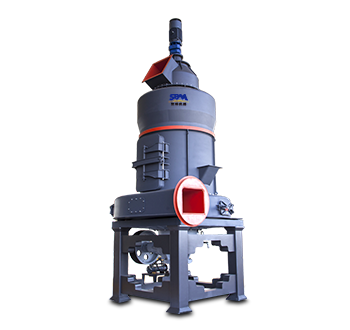
Selecting appropriate grinding equipment is a foundational step. SAG mills excel in handling coarse feed and are often preferred for primary grinding, while ball mills or vertical roller mills serve in secondary/tertiary stages.
Optimization tips:
- Design mills considering feed size distribution, ore hardness, and throughput targets.
- Use variable speed drives to adjust mill speed based on feed characteristics.
3.2 Grinding Media Optimization
Grinding media type, size, and loading critically influence grinding efficiency and media consumption.
Strategies include:
- Optimizing ball size distribution for improved impact efficiency.
- Regularly monitoring media wear and replenishing with suitable size/cost media.
- Employing high-quality grinding balls of appropriate material (e.g., forged steel) for specific applications.
3.3 Mill Operational Practices
Adjusting operational parameters can significantly affect grinding efficiency:
- Mill Speed: Typically set around 70-80% of critical speed; slight adjustments can optimize grinding action.
- Mill Loading: Appropriate charge level ensures effective grinding and reduces media impact damage.
- Feed Rate Control: Stable feed promotes steady mill operation and prevents overloading or underutilization.
4. Classification and Circulation Management
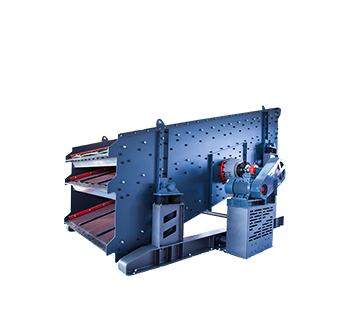
Grinding circuits often use hydrocyclones or vibrating screens for classification, separating fine particles from coarse grind material.
4.1 Effective Classification Control
Efficient classification ensures that oversize particles return to the mill, preventing “overgrinding” and reducing power consumption.
Key approaches:
- Monitoring and adjusting cyclone feed pressure and apex/spigot size to maintain appropriate cut size.
- Checking cyclone performance regularly to prevent buildup and blockages.
- Using screen decks with suitable mesh sizes tailored to feed particle size.
4.2 Circulating Load Control
Circulating load—the fraction of material returned to the mill relative to the total feed—is a crucial operational parameter.
- Optimal circulating loads maintain mill throughput and product size.
- Too high circulating load wastes energy on fines; too low results in poor milling efficiency.
5. Process Monitoring and Control Technologies
5.1 Real-Time Sampling and Analysis
Real-time measurement of particle size and mill load enables dynamic adjustments to grinding operations.
Technologies:
- Online particle size analyzers (e.g., laser diffraction, acoustic sensors).
- Mill power sensors to estimate grinding charge and load.
- Sensor-based media wear monitors.
5.2 Advanced Control Systems
Implementation of advanced control systems and automation can dramatically improve grinding efficiency:
- Model Predictive Control (MPC): Predicts future mill behavior to optimize variables such as feed rate and media addition.
- Expert systems and AI: Use historical data and machine learning to optimize grinding parameters and foresee maintenance needs.
5.3 Data Analytics and Digital Twins
Digital twins—virtual replicas of the grinding circuit—provide platforms for simulation and process optimization.
Benefits:
- Simulate scenarios to identify improvements without disrupting plant operations.
- Predict impacts of parameter changes on energy consumption and throughput.
6. Maintenance Optimization and Reliability
Preventative and predictive maintenance are essential for maintaining grinding circuit uptime and avoiding unplanned stoppages that reduce efficiency.
6.1 Regular Equipment Inspection
Routine checking of mill liners, grinding media, bearings, and drives ensures operational reliability.
6.2 Condition Monitoring
Use of vibration analysis, thermal imaging, and oil analysis detects early signs of mechanical issues.
6.3 Maintenance Best Practices
- Timely replacement of worn parts.
- Maintaining lubrication schedules.
- Training operators and maintenance staff on best practices.
7. Energy Efficiency and Sustainability Considerations
7.1 Energy-Saving Technologies
Incorporation of energy-efficient motors, variable frequency drives, and energy-saving grinding equipment can reduce operational costs.
7.2 Alternative Grinding Technologies
Emerging technologies, such as high-pressure grinding rolls (HPGR) and stirred mills, offer lower energy consumption and increased sensitivity to ore characteristics.
7.3 Process Integration
Integrating grinding circuits with pre-concentration and flotation can reduce unnecessary grinding of low-grade materials, saving energy and improving recovery.
8. Troubleshooting Common Grinding Circuit Issues
8.1 Overgrinding and Undergrinding
Overgrinding produces excessive fines, leading to handling and flotation difficulties. Undergrinding reduces liberation, limiting recovery.
Remedies:
- Adjust classifier cut size.
- Optimize feed rate and media size.
8.2 Variable Feed Characteristics
Fluctuations in ore hardness and feed size can destabilize grinding.
Solutions:
- Use feed blending and stockpile management.
- Implement adaptive control systems.
8.3 Media Consumption Issues
Excessive media wear increases costs and can reduce efficiency.
Prevention:
- Use proper media sizing.
- Conduct metallurgical testing to select optimal media types.
Optimizing grinding circuit efficiency is a complex but essential pursuit in mineral processing that involves a comprehensive approach integrating ore characterization, equipment selection, operation management, monitoring, and maintenance. By understanding ore properties, employing suitable grinding technology, leveraging advanced process control and diagnostics, and focusing on sustainable practices, plants can achieve higher throughput, lower energy consumption, and improved metal recovery.


 Get Solution
 Send Message