







Summary: A comprehensive guide to launching and sustaining a successful quarry business, covering research, licensing, site selection, equipment, operations, and profitability strategies....
The quarry business is a cornerstone of the global construction industry, providing essential raw materials like crushed stone, sand, and gravel for infrastructure, residential, and commercial projects. Starting a profitable quarry involves more than just extracting rock; it requires strategic planning, significant capital investment, and diligent operational management. This comprehensive guide outlines the critical steps, challenges, and best practices for launching and sustaining a successful quarry business.
Understanding the Quarry Business
A quarry is a site where stone, sand, aggregate, and other materials are extracted from the ground. These materials are used for constructing roads, bridges, buildings, and various infrastructure projects. Success in the quarry business hinges on careful planning, efficient management, regulatory compliance, and sustainable practices.

Step-by-Step Guide to Starting a Quarry Business
Step 1: Research and Feasibility Study
Before jumping into the quarry business, conduct thorough research to understand market demand, competition, and operational challenges.
- Market Analysis: Assess demand for aggregates in your target area, examining construction trends and infrastructure projects.
- Competitor Analysis: Identify existing quarry operations, their capacity, and service areas.
- Feasibility Study: Evaluate site location, resource availability, logistic considerations, and financial projections.
Step 2: Obtain Licenses and Permits
Operating a quarry requires various licenses and permits that vary by location. Securing all necessary legal endorsements is crucial for compliance and operational integrity.
- Environmental Permits: Ensure compliance with environmental regulations related to land usage, pollution controls, and habitat preservation.
- Zoning and Land Use Permits: Verify the zoning classification suitable for mining, quarrying, and industrial activity.
- Workplace Safety and Health Permits: Follow regulations to safeguard workers' health and safety.
Step 3: Select Ideal Quarry Site
Choosing the right location is fundamental. Consider these factors:
- Resource Availability: Ensure ample quantity and quality of desired materials.
- Accessibility: Proximity to transportation arteries (roads, rails) to minimize transportation costs.
- Environmental Impact: Choose a site with minimal ecological disruption, following environmental assessments.
- Community Relations: Consider local community interests and engage stakeholders for smooth operations.
Step 4: Develop a Business Plan
A comprehensive business plan is vital for strategic direction and securing financing.
- Executive Summary: Provide an overview, highlighting mission statement and business objectives.
- Market Strategy: Outline the target market and competitive advantage.
- Operational Plan: Specify equipment, technology, production processes, and staffing requirements.
- Financial Projections: Include startup costs, revenue forecasts, cash flow analysis, and profit margins.
Step 5: Secure Funding
Quarry businesses require significant capital investment for land acquisition, equipment, and operational costs. Consider your funding options:
- Self-Financing: Use personal funds, savings, or investment portfolios.
- Bank Loans and Credit Facilities: Approach banks with a strong business plan and feasibility study for loans.
- Investor and Partnerships: Partner with investors offering capital investment in exchange for equity.
Equipment and Technology
The right equipment and technology significantly enhance efficiency and profitability.
Types of Equipment Needed
- Excavators and Loaders: For digging and moving earth and stone.
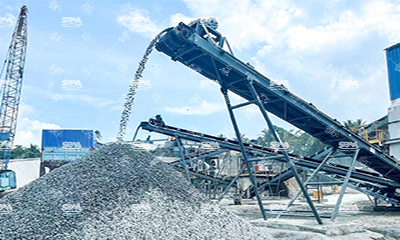
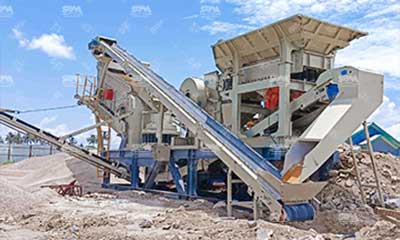
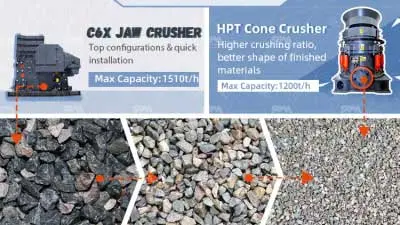
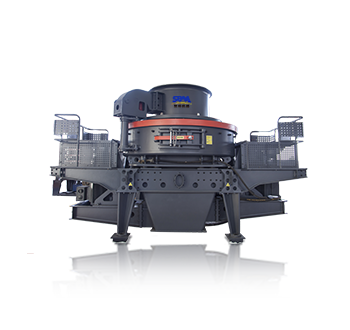
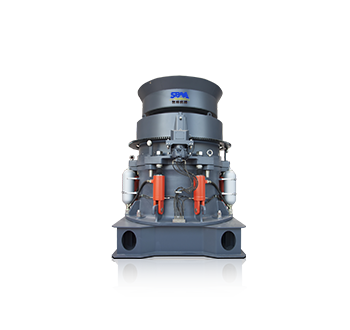
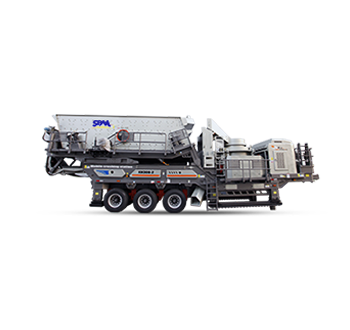
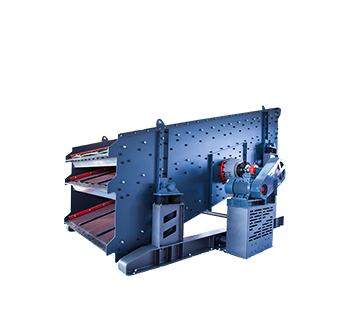
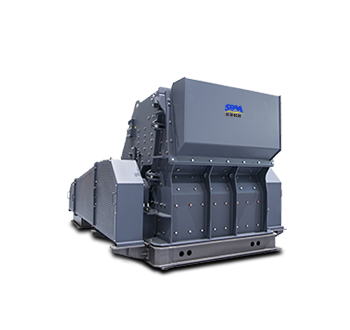
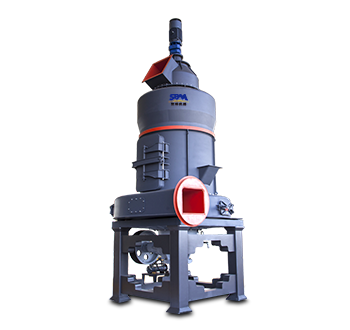
- Crushers and Screening Machines: To crush stone into usable sizes.
- Conveyor Systems: For transporting crushed materials within the site.
- Drills and Blasting Tools: For carefully controlled rock fragmentation.
- Trucks and Haulers: For distributing product to buyers and retailers.
Technology Adoption
Incorporate technology for improved operational efficiency and safety.
- Automated Machinery: Invest in automated equipment for precision and reduced labor costs.
- Management Software: Use software for inventory tracking, order processing, logistics, and customer management.
- Safety Technology: Implement monitoring systems to enhance worker safety on site.
Running a Profitable Quarry Business
1. Efficient Operations Management
Operational efficiency is essential for minimizing costs and maximizing output.
- Resource Management: Plan extraction to optimize resource use and minimize waste.
- Cost Control: Keep close track of expenses, monitoring fuel, labor, and maintenance costs.
- Quality Control: Ensure consistent quality of produced materials, meeting industry standards.
2. Marketing and Sales Strategy
Develop a strong marketing position to drive demand.
- Branding and Visibility: Develop a strong brand identity through advertising and online presence.
- Customer Service: Build relationships with construction companies, contractors, and retailers.
- Sales Channels: Use multiple channels, including agents, direct sales, and online platforms.
3. Compliance and Sustainability
Adoptions of sustainable practices not only ensure compliance but also enhance reputation.
- Environmental Practices: Implement procedures to reduce dust, noise, and environmental footprint.
- Community Engagement: Communicate with local communities to address concerns and contribute to community development.
- Sustainability Goals: Set long-term environmental and social objectives, monitoring progress regularly.
4. Financial Management
Effective financial control is key to profitability.
- Budgeting: Develop monthly and annual budgets forecasting revenues and expenditures.
- Cash Flow Management: Monitor cash flow carefully; ensure consistent liquidity for operational needs.
- Cost Analysis: Regularly analyze costs and identify opportunities for savings or improvement.
Challenges and Opportunities
Common Challenges
- Regulatory Compliance: Navigating complex regulations can be challenging and requires focused attention.
- Market Fluctuations: Economic changes may impact demand; flexibility in operations is important.
- Environmental Concerns: Balancing environmental impact with operational goals.
Opportunities for Growth
- Diversification: Expand product lines to include specialty stones, sand processing, or landscaping materials.
- Technology Integration: Incorporate advanced technologies for cheaper, faster production.
- Partnerships: Establish strategic alliances with suppliers or construction firms for sustained business growth.
Running a profitable quarry business is a demanding yet potentially rewarding endeavor. The path is paved with significant upfront investment, complex regulatory hurdles, and intense operational demands. Success hinges on a foundation of meticulous planning, a deep understanding of the market, unwavering commitment to safety and environmental compliance, and a relentless focus on operational efficiency. For those who can master these complex variables, the quarry business offers a durable and highly rewarding opportunity to build a lasting enterprise that serves as the very foundation of community growth and development.



 Get Solution
 Send Message