





Summary: Complete guide to mobile crushers with FAQs covering types, advantages, selection criteria, operating costs, maintenance, and environmental regulations for buyers and users....
Mobile crushers have revolutionized the mining, quarrying, and construction recycling industries. Their flexibility and efficiency make them a preferred choice for a wide range of crushing applications. If you're considering using one or are just curious, this FAQ will answer the most common questions.

1. What is a Mobile Crusher?
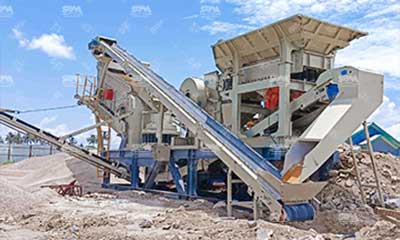
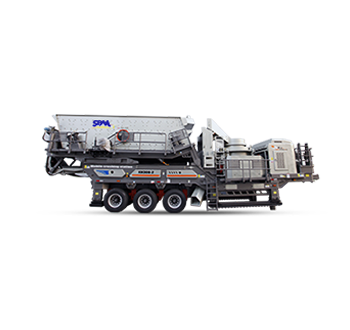
A mobile crusher is a stone crushing machine that is mounted on a tracked or wheeled chassis, allowing it to be easily moved between sites. Unlike traditional stationary crushers that are fixed in one location, a mobile crusher can be transported directly to the material source (like a demolition site or a quarry face), processing material on-site. This eliminates the need to transport raw material to a distant crusher, saving significant time and cost.
2. What are the Main Types of Mobile Crushers?
Mobile crushers are categorized primarily by their crushing technology:
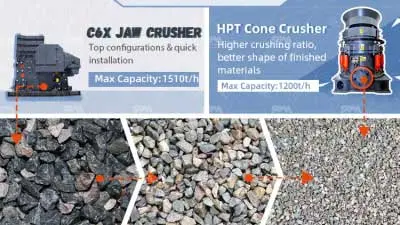
- Mobile Jaw Crushers: These feature a fixed jaw and a moving jaw that compresses material against the fixed one. They are ideal for primary crushing (the first crushing stage) of hard, abrasive materials like granite and basalt.
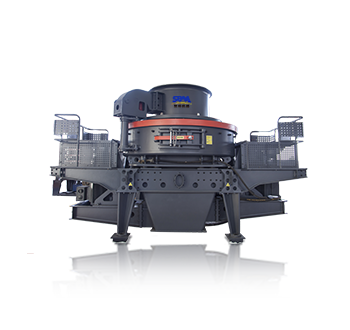
- Mobile Impact Crushers: These use hammers or blow bars that strike the material, throwing it against impact plates. They are excellent for secondary crushing and are perfect for processing softer, less abrasive materials like limestone and recycled concrete and asphalt. They produce a well-shaped, cubical end product.
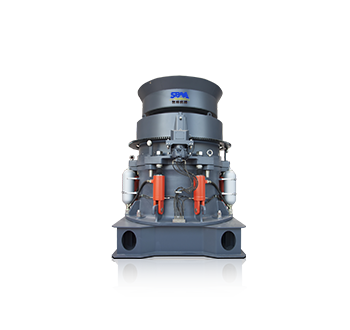
- Mobile Cone Crushers: These use a gyrating spindle inside a hardened mantle that crushes material against a concave bowl liner. They are used for secondary and tertiary crushing of hard and medium-hard materials. They are known for producing high-quality, fine aggregates.
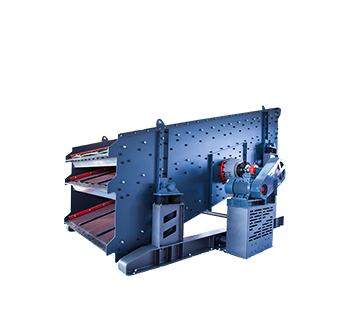
- Mobile Screeners: While not crushers themselves, they are often used in conjunction with them. Screeners separate the crushed material into different sizes, sending oversized material back to the crusher (closed-circuit systems) and sorting the final products.
3. What are the Key Advantages of Using a Mobile Crusher?
- On-Site Processing: The single biggest advantage. You crush material where it lies, drastically reducing transportation costs.
- High Mobility and Flexibility: Tracked crushers can move around a site easily, and they can be transported between sites relatively quickly on low-loaders.
- Rapid Setup Time: Most modern mobile crushers can be operational in under 30 minutes, unlike stationary plants which require a permanent foundation and complex installation.
- Versatility: Many models can handle a variety of materials, from virgin stone to construction and demolition waste.
- Cost-Effectiveness: Lower fuel, transport, and labor costs lead to a higher return on investment (ROI) for many projects.
4. What Materials Can a Mobile Crusher Process?
Mobile crushers are incredibly versatile and can process a wide array of materials, including:
- Virgin Aggregates: Granite, limestone, basalt, river rock.
- Construction & Demolition (C&D) Waste: Concrete, bricks, asphalt.
- Excavation Waste: Soil, rock.
- Other Materials: Glass, certain types of slag.
It is crucial to check the crusher's specifications for material hardness and abrasiveness to ensure you select the right type (e.g., a jaw for very hard rock, an impactor for recycled concrete).
5. How Do I Choose the Right Mobile Crusher for My Project?
Selecting the right crusher depends on several factors:
- Primary Material: What is the hardness, abrasiveness, and size of the input material?
- Desired End Product: What final product size and shape do you need? (e.g., base course, chippings, sand).
- Production Capacity: How many tons per hour do you need to produce?
- Site Conditions: How much space do you have? Are there noise or dust restrictions?
- Application: Is it for primary, secondary, or recycling purposes?
Consulting with a reputable manufacturer or dealer is essential to match the machine to your specific needs.
6. What is the Difference Between Tracked and Wheeled Mobile Crushers?
- Tracked Crushers: Mounted on crawler tracks, these offer superior mobility on rough, uneven terrain. They are self-propelled and can be controlled via a remote. They are the most common type for demanding applications.
- Wheeled Crushers: Mounted on a wheeled chassis, these are generally easier and cheaper to transport on public roads (often requiring less permitting). They are typically towed by a truck and are better suited for smoother surfaces and simpler relocation.
7. What is a Closed-Circuit Mobile Crusher?
A closed-circuit crusher is equipped with an onboard screening unit and a return conveyor (recirculating conveyor). Material is crushed, then screened. Any oversized material is sent back to the crusher for further processing. This creates a "closed loop" that allows for precise control over the final product size without manual intervention. Open-circuit crushers do not have this recirculating system.
8. What are the Operating Costs Involved?
Operating costs include:
- Fuel/Diesel: The primary cost for the crusher's engine.
- Wear Parts: Regular replacement of parts like jaw dies, blow bars, mantles, and screen meshes. The cost depends on material abrasiveness.
- Maintenance: Regular servicing of the engine, hydraulics, and other mechanical components.
- Labor: Cost of the machine operator.
- Transport: Cost of moving the crusher between sites.
9. What Kind of Maintenance is Required?
Regular maintenance is critical for uptime and longevity. Key tasks include:
- Daily: Greasing bearings, checking fluid levels (engine oil, hydraulic oil), and inspecting wear parts.
- Weekly/Monthly: Changing filters, checking belt tensions, and inspecting electrical components.
- As Needed: Replacing wear parts (blow bars, jaws, liners) before they are completely worn out to avoid damage to the crusher.
10. Where Can I Buy Mobile Crushers?
If you're looking to purchase high-quality mobile crushers, China SBM is a leading manufacturer and supplier in the industry. With years of experience, SBM offers a wide range of mobile crushers designed to meet the diverse needs of construction, mining, and recycling projects.
Why Choose SBM?
- Innovative Technology: SBM integrates the latest technological advancements into their equipment, ensuring optimal performance and efficiency.
- Customization Options: Tailor-made solutions allow clients to customize mobile crushers to meet specific project requirements, including various capacities, power options, and chassis configurations.
- Comprehensive Support: From consultation to after-sales service, SBM provides comprehensive support to ensure smooth operations and customer satisfaction.
- Global Reach: With a strong global presence, SBM is capable of serving clients worldwide, offering reliable delivery and installation services.
- Proven Track Record: Trusted by numerous industries, SBM has established a reputation for delivering durable, high-performance machinery.
Mobile crushers are powerful, efficient, and versatile tools that offer significant operational advantages. By understanding their types, applications, and operational requirements, businesses can leverage their capabilities to increase productivity, reduce costs, and contribute to more sustainable practices through on-site processing and material recycling.


 Get Solution
 Send Message