





Summary: A detailed case study of a high-capacity river pebble crushing plant in Bangladesh. Explore the equipment configuration, flow chart, and operational performance for processing hard river stones....
The Bangladesh aggregate market is entirely unique. With limited domestic hard rock quarries, infrastructure projects heavily rely on river pebbles and gravel sourced from regions like Sylhet and northern river basins. While these pebbles are abundant and possess excellent compressive strength, they hide a profit-killing secret: extreme abrasiveness due to high silica content.
Crushing river pebbles is not the same as crushing limestone or soft rock. The combination of high quartz content (often exceeding 80%), extreme hardness (7 on the Mohs scale), and rounded shape creates a perfect storm for accelerated wear on crusher wear parts, leading to frequent downtime, high operating costs, and reduced profitability.
This guide provides a comprehensive, practical approach to selecting the right river pebbles crusher plant in Bangladesh — helping you minimize wear, maximize uptime, and protect your investment.
1. The "Silica Trap": Why Standard Crushers Fail
River stone in Bangladesh often contain over 70% to 80% silica. Silica is the primary enemy of crushing wear parts.
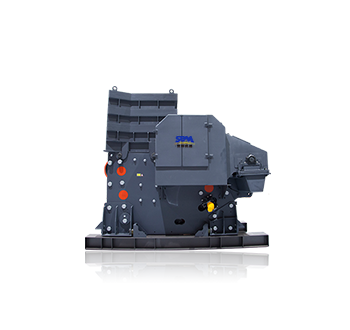
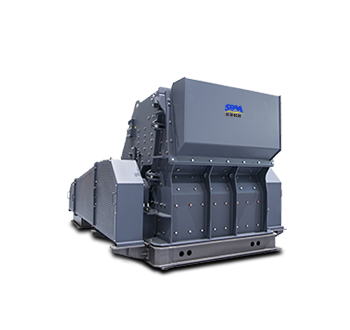
Many new operators make the fatal mistake of purchasing Horizontal Impact Crushers (HSI) for secondary crushing because of their lower initial purchase price and good shaping capabilities. However, when an HSI hits high-silica river gravel, the blow bars can wear out in a matter of days—sometimes hours. The initial capital savings are instantly wiped out by massive Operational Expenditure (OPEX).
The Golden Rule for River Pebbles: You must prioritize compression crushing over impact crusher for your primary and secondary stages.
2. The Optimized Flowsheet for Bangladesh River Pebbles
To balance capital cost, wear part longevity, and the final shape of the aggregate, SBM engineers recommend the following specific configuration: A three-stage closed-circuit crushing and screening process is the industry standard for high-abrasion river pebbles. It ensures gradual size reduction, minimizes wear, and controls product quality.
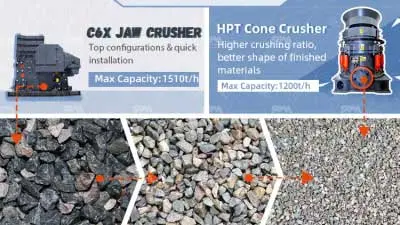
Stage 1: Primary Crushing – Jaw Crusher
Pebbles are naturally round and smooth, which can make them difficult to "grip."
- The Solution: A high-performance Jaw Crusher with a deep V-shaped crushing chamber and an aggressive nip angle. This prevents the round stones from "popping out" of the chamber.
- Purpose: Reduce large feed (100–600 mm) to 150–300 mm.
- Why it works: The jaw crusher uses sheer compression, handling the initial breakdown of large boulders (up to 600mm+) with minimal wear on the jaw plates.
-
Key Features:
- Sturdy frame for heavy loads.
- Hydraulic adjustment and overload protection.
- Wear-resistant jaw liners (long service life).

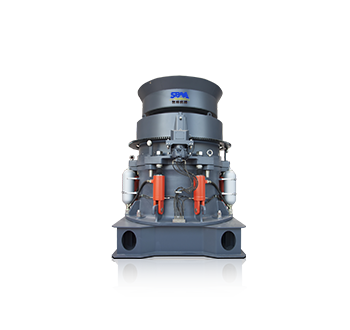
Stage 2: Secondary Crushing – Hydraulic Cone Crusher
This is where the battle against abrasion is won or lost.
- The Solution: A modern Multi-Cylinder Hydraulic Cone Crusher. Cone crushers operate strictly on compression and utilize "inter-particle crushing" (rocks crushing other rocks) when choke-fed.
- Purpose: Reduce 150–300 mm feed to 30–60 mm; core wear-resistant stage.
- Why it works: Cone crushers are purpose-built for hard, abrasive materials. By equipping the cone with high-grade manganese liners, you can process highly abrasive river pebbles for weeks or months before needing a liner change, keeping your cost-per-ton incredibly low.
-
Key Advantages:
- Laminated crushing: Creates a protective rock layer, drastically reducing liner wear.
- Hydraulic system: Easy adjustment, automatic overload release, and cavity cleaning.
- High efficiency: 15% higher output and 30% lower energy than impact crushers.
- Wear life: Cone liners (high-chromium alloy) last 3–4 months, vs. days for impact blow bars.

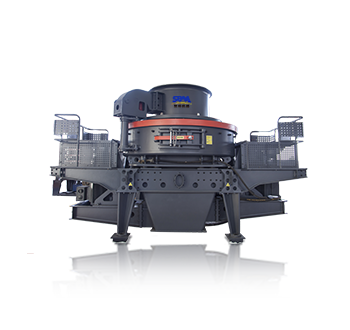
Stage 3: Tertiary Crushing & Shaping – VSI Crusher
Because Jaw and Cone crushers use compression, the resulting aggregate can sometimes be slightly elongated or flaky. If your contract requires strict ASTM C33 standards for high-strength concrete, you need a shaper.
- The Solution: A Vertical Shaft Impactor (VSI) configured in a "Rock-on-Rock" (Autogenous) mode.
- Purpose: Produce final aggregates (5–31.5 mm) and manufactured sand (0–5 mm); improve cubicity.
- Why it works: Instead of flinging the abrasive stones against steel anvils, the "Rock-on-Rock" VSI builds a protective shelf of material inside the chamber. The incoming pebbles hit other pebbles. This allows you to achieve a perfect cubical shape and produce high-quality Manufactured Sand (M-Sand) without destroying the machine's internal steel components.
-
Key Advantages:
- Rock-on-rock crushing: Minimizes metal wear; rotor and anvils last longer.
- Superior particle shape: Reduces flakiness to <15%, meeting Bangladesh building standards.
- Dual mode: Switch between sand making and aggregate shaping.

3. The Hidden Variable: Managing Silt and Mud
River pebbles do not come out of the water clean. They are often coated in clay, mud, and organic matter. If fed directly into a Cone or VSI crusher, this mud will "pack" the chamber, causing pressure spikes and severe mechanical damage.
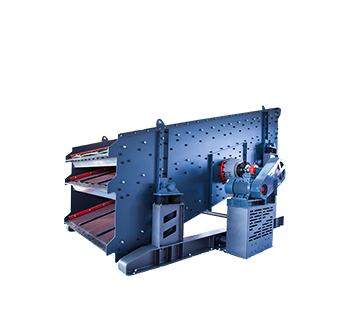
- Vibrating Screen with Water Sprays: You must integrate high-pressure washing systems onto your vibrating screens to strip the mud off the oversized rocks before they enter the secondary crusher.
- Sand Washing Machines: To produce premium sand, a Wheel or Spiral Sand Washer is mandatory at the end of the flowsheet to remove the remaining silt and ensure the sand meets concrete grade requirements.

4. Fixed vs. Mobile Crushing Plants
Fixed Crushing Plant:
- Advantages: Lower initial cost per ton, higher capacity, easier maintenance, suitable for long-term, large-scale operations.
- Best for: Permanent quarries near major rivers (e.g., Padma, Jamuna).
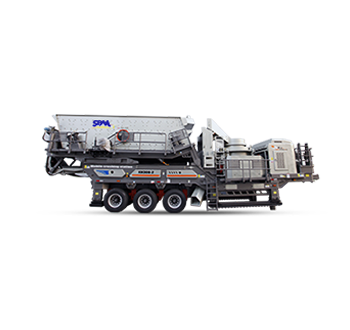
Mobile Crushing Plant (Tracked):
- Advantages: Mobility, quick setup, ideal for remote or temporary sites.
- Consideration: 30%–50% higher capital cost; maintenance access is more complex.
- Best for: Small-scale, decentralized operations in rural Bangladesh.
5. Equipment Selection Matrix for River Pebbles
| Crushing Challenge | Avoid | SBM Recommended Solution |
|---|---|---|
| High Silica (>70%) | Impact Crushers (HSI) | Cone Crusher (Low wear OPEX) |
| Round / Slippery Boulders | Shallow-cavity crushers | Deep-Cavity Jaw Crusher |
| Flaky Aggregate Shape | Relying only on Cones | VSI Crusher (Rock-on-Rock) |
| High Mud / Clay Content | Dry screening | Screens with Water Sprays & Sand Washers |
6. Operational & Maintenance Considerations
- Lubrication: Cone crushers require dual-circuit lubrication for bearing cooling and extended life.
- Spare Parts: Maintain a critical stock of wear parts (jaw plates, cone liners, VSI tips) to minimize downtime.
- Power Supply: Ensure stable, sufficient power (380V/50Hz); consider backup generators for rural areas.
- Local Support: Select suppliers with service centers in Bangladesh for timely repairs.
7. Recommended Configuration
For high-abrasion river pebbles in Bangladesh, the only viable and profitable solution is a three-stage closed-circuit plant using:
- Primary: Heavy-duty Jaw Crusher.
- Secondary: Hydraulic Cone Crusher (core wear-resistant stage).
- Tertiary/Shaping: VSI Crusher (rock-on-rock mode).
This river pebbles crushing configuration delivers maximum wear resistance, optimal particle shape, and sustainable production, ensuring long-term success in Bangladesh’s aggregate market. Always conduct a material test and consult with experienced suppliers before finalizing your plant design.
At SBM, we have extensive experience supplying crushing plants for river pebble applications across South Asia, including Bangladesh. Our engineers can help you select the right equipment and wear parts for your specific river stone characteristics and production goals.


 Get Solution
 Send Message