






Summary: Learn about the different types of crushed stone, including limestone, granite, trap rock, and gravel, and their various applications in construction and landscaping....
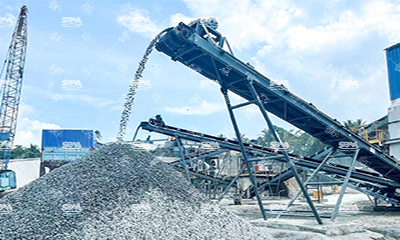
Crushed stone is categorized along two axes: particle size and rock type. Size grades run from coarse #1 (2-4 inches), used in base courses and large drainage applications, down to #10 screenings, a fine dust that acts as a binding agent or filler. In between, #57 stone (3/4 inch) is the go-to for driveways and concrete mixes, while crusher run (#411) blends coarse and fine particles into a compactable, stable surface. On the material side, limestone is the most common choice, while granite and basalt are preferred for projects demanding higher strength and abrasion resistance. Understanding these differences is essential for selecting the right equipment to ensure a profitable production line.
1. Commonly Used Crushed Stone Grades (Sizes)
In the international market, stone is classified by numerical grades that dictate its drainage capability, compaction, and structural support.
- #1 Stone (2–4 inches): These large, heavy stones are primarily used for deep base layers in road construction, large-scale fill projects, and erosion control.
- #3 Stone (1/2–2 inches): Commonly utilized for railroad ballast and heavy-duty drainage systems, this size provides an excellent stable base for long-term driveway projects.
- #57 Stone (3/4 inch): The "Gold Standard" of the industry. This is the most versatile size, used for general-purpose drainage, residential driveways, and as a core ingredient in concrete mixes.
- #8 Stone (1/8–3/8 inch): Pea-sized angular stones often used in asphalt production, concrete, and as a decorative or functional topping for walkways.
- #10 Stone / Screenings (Dust): Fine particles used as a stabilizing agent for pavers or to create smooth, hard-packed surfaces for walkways.
- Crusher Run / #411 (The Compactable Mix): A highly engineered blend of #57 stone and fine dust. Because it contains a mix of sizes, the voids are filled during installation, allowing it to compact into a nearly solid, stable surface—ideal for road and driveway bases.

2. Common Source Materials: Engineering Properties
The geological origin of the stone dictates its hardness and how it will perform under stress.
Limestone (The Versatile Foundation)
Limestone is a sedimentary rock and the most widely used crushed stone globally.
- Characteristics: Medium hardness and low abrasiveness.
- Applications: It is the primary raw material for cement and the most cost-effective choice for road bases and concrete aggregates.
- Processing: Due to its moderate hardness, it is highly efficient to process, leading to lower maintenance costs on production lines.
Granite (The High-Strength Performer)
Granite is a dense igneous rock preferred for projects requiring maximum durability.
- Characteristics: High compressive strength and extremely abrasive.
- Applications: Essential for high-traffic road surfaces, railway ballast, and heavy-duty structural concrete.
- Processing: Processing granite requires heavy-duty Jaw and Cone crushers capable of handling high-silica content.
Basalt (The Heavy-Duty Specialist)
Basalt is a dark volcanic rock, known as one of the densest materials available for construction.
- Characteristics: Exceptional hardness and superior skid resistance.
- Applications: Often specified for high-grade asphalt on highways and airport runways to provide grip and support heavy wheel loads.
Sandstone (The Local Alternative)
Sandstone is a sedimentary rock made of sand-sized grains of mineral, rock, or organic material.
- Characteristics: Highly variable depending on the cementing material. It can range from soft and crumbly to nearly as hard as quartzite.
- Best Uses: Commonly used for general fill, road base in residential areas, and as a decorative stone in landscaping.
- Processing Note: High-quartz sandstone can be surprisingly abrasive, even if the rock itself is not exceptionally hard.

3. Summary of Engineering Properties
| Stone Type | Hardness | Abrasiveness | Primary Application |
|---|---|---|---|
| Limestone | Medium | Low | Cement, General Road Base, Concrete |
| Granite | High | High | Railway Ballast, High-Strength Concrete |
| Basalt | Very High | High | Asphalt Surface, Heavy Infrastructure |
| Sandstone | Low to High | Variable (often High) | General Fill, Road Base, Landscaping |
4. Selecting the Right Material Processing Line
Matching the grade and material to the right machinery is the key to a profitable operation.
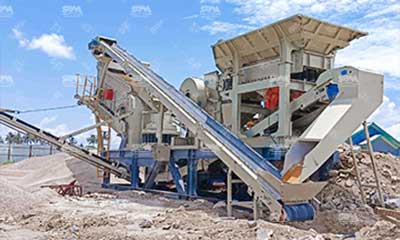
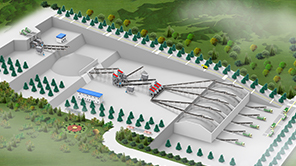
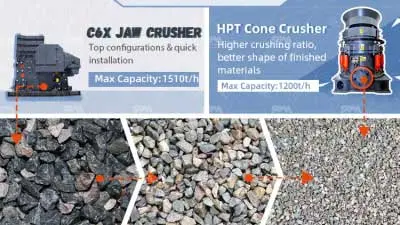
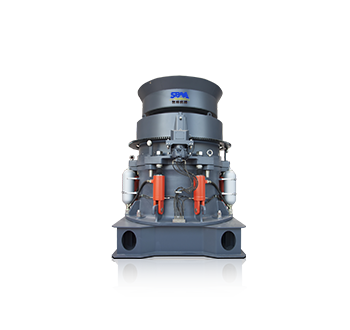
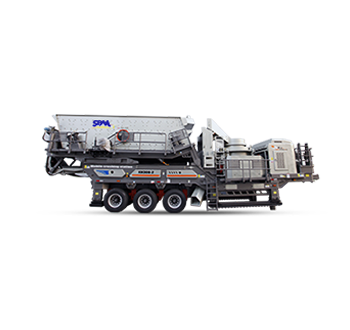
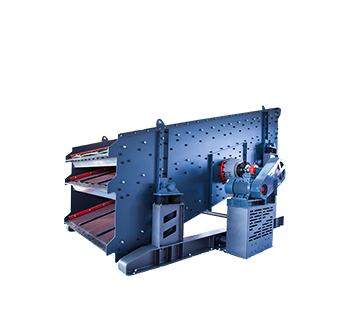
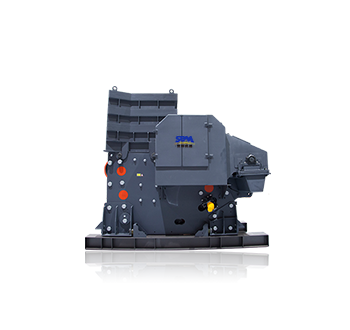
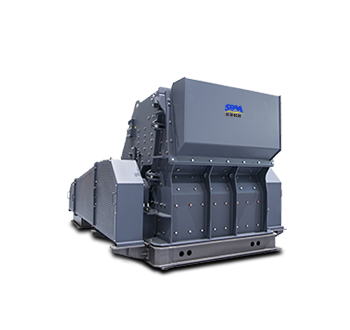
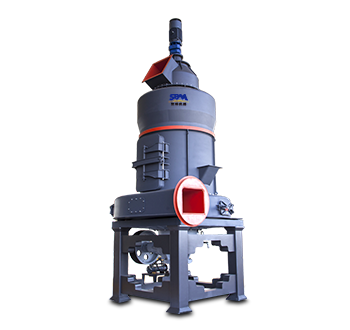
SBM’s material processing production lines are engineered to handle the specific challenges of different stone types. For hard and abrasive materials like granite or basalt, we configure multi-stage crushing circuits using primary Jaw Crushers and high-performance Cone Crushers. For high-yield materials like limestone, our lines focus on throughput and particle shaping to ensure the final product meets strict construction standards.
By aligning the right technology with the specific geological and grading requirements of your project, SBM ensures maximum uptime and a higher long-term ROI for your business.


 Get Solution
 Send Message