





Summary: This guide analyzes raw materials for sand-making machines, from granite to recycled concrete, and how their properties dictate final sand quality and production efficiency....
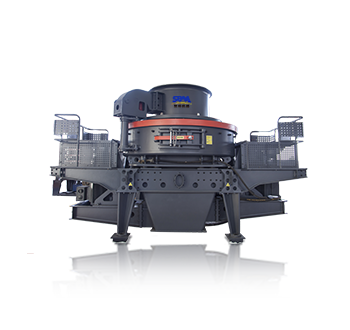
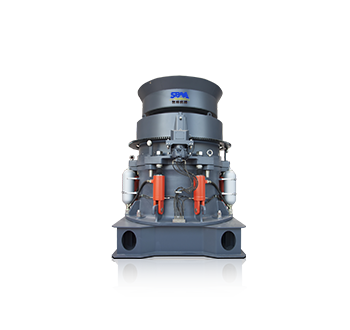
The transformation of raw materials into high-quality manufactured sand (often called "M-Sand") is a cornerstone of modern construction and infrastructure development. While the sand making machine itself—typically a Vertical Shaft Impact (VSI) crusher or a high-performance cone crusher—is the engine of this process, the choice of raw material is arguably the most critical factor determining the success of the operation. Not all rocks or feed materials are created equal; their intrinsic properties dictate the efficiency of the crushing process, the wear cost on the machine, and the quality of the final sand product.
This article provides a detailed examination of the common and specialized raw materials used in sand production, analyzing their characteristics, advantages, challenges, and their ultimate impact on the manufactured sand's suitability for various applications.

1. The Ideal Raw Material Profile
Before delving into specific rock types, it is essential to understand the properties that make a raw material well-suited for sand making. The ideal feed material possesses the following attributes:
- Abrasion Resistance: The material should have a moderate to high compressive strength but a manageable abrasiveness. Extremely abrasive rocks (like some quartz-rich granites) will produce high-quality sand but at the cost of accelerated wear on the machine's liners, anvils, and rotors.
- Low Clay and contaminant Content: The presence of clay, silt, or organic matter is highly detrimental. These impurities coat rock particles, hinder proper crushing, and can lead to clogging. They also adversely affect the quality of concrete by interfering with the cement hydration process.
- Cubic Grain Structure: Rocks that tend to fracture into cubic or spherical shapes (e.g., basalt, diabase) are preferred over those that produce flaky or elongated particles (e.g., some schists, laminated limestone). Cubic grains provide better workability and strength in concrete mixes.
- Optimal Feed Size: The raw material fed into the sand maker must be correctly sized, typically between 0-40mm, as it is usually the product of a primary and secondary crushing stage. Oversized material can cause blockages and imbalance, while excessive fines may reduce efficiency.
2. Common Primary Raw Materials for Sand Making
These are virgin rocks extracted from quarries, specifically for the purpose of producing aggregates and sand.
2.1. Granite
As one of the most common igneous rocks, granite is a frequent choice for sand production.
- Characteristics: It is hard, dense, and highly abrasive due to its high quartz content.
- Advantages: Produces high-strength, high-quality manufactured sand with excellent durability. The final product is well-suited for high-strength concrete and asphalt.
- Challenges: High abrasiveness leads to significant wear on crusher components, resulting in higher operating costs for wear parts. The final grain shape can sometimes be slightly more elongated compared to other rocks if not crushed optimally.
2.2. Basalt and Diabase (Dolerite)
These are dense, fine-grained volcanic rocks known for their superior performance in aggregate production.
- Characteristics: Very hard, tough, and possessing a naturally fine-grained, interlocking crystal structure.
- Advantages: They are renowned for producing cubical-shaped particles, which are ideal for sand. The sand produced from basalt offers exceptional strength and adhesion properties in concrete.
- Challenges: Similar to granite, basalt is abrasive. Its high toughness can also lead to higher energy consumption during crushing.
2.3. Limestone
As a sedimentary rock, limestone is softer than igneous rocks like granite and basalt.
- Characteristics: Moderately hard, but less abrasive. Its calcium carbonate composition makes it susceptible to acid erosion, which can limit its use in certain environments.
- Advantages: Lower abrasivity translates to significantly lower wear costs on the sand making machine. It is easy to crush and shape, often resulting in a good cubic shape.
- Challenges: The final sand product has lower strength compared to granite or basalt sand, making it more suitable for masonry mortar, plastering, or lower-grade concrete. It is not recommended for exposed structures or in areas with acid rain.
2.4. River Gravel / Natural Pebbles
Naturally rounded stones sourced from riverbeds or glacial deposits have been a traditional raw material.
- Characteristics: Hard and durable, but with a smooth, rounded surface due to natural weathering.
- Advantages: The material itself is typically very clean (low in clay and silt).
- Challenges: The rounded shape is the primary drawback. It is more challenging for a sand maker to break rounded pebbles into angular, interlocking sand particles. This process consumes more energy and can result in a higher percentage of undesirable, fine dust (microfines). The resulting sand may lack the mechanical interlocking properties of crushed sand.

3. Alternative and Secondary Raw Materials
In line with sustainable development principles, the industry is increasingly turning to alternative materials, which also present unique processing challenges.
3.1. Construction and Demolition (C&D) Waste
Recycled concrete, bricks, and masonry from demolished structures represent a vast potential resource.
- Characteristics: A highly heterogeneous mixture of concrete, mortar, ceramics, and occasional contaminants like wood, gypsum, or metal.
- Advantages: Diverts waste from landfills, conserves natural resources, and offers a low-cost raw material source.
- Challenges: Requires sophisticated pre-processing, including magnetic separation to remove rebar, screening to remove unwanted materials, and often manual sorting. The final recycled sand may contain old mortar, which can increase its water absorption and reduce its strength compared to virgin sand. It is often used in lower-grade applications like road sub-base or as an additive, unless processed to very high standards.
3.2. Mine Tailings
The fine-grained waste material from mining operations is a growing area of interest.
- Characteristics: A slurry of fine particles, often containing process chemicals and metals.
- Advantages: Offers a solution for the large-scale environmental issue of tailings storage. Can be a ready source of fine material.
- Challenges: The primary hurdle is dewatering and managing potential chemical contamination. The material may need to be processed (washed and chemically treated) to be safe and viable for construction use. The sand produced is often very fine and may require blending with coarser aggregates.
3.3. Industrial By-Products
Slags from steel mills (blast furnace slag, steel slag) are a notable example.
- Characteristics: These vitreous, granular materials are often very hard and angular.
- Advantages: Slag sand can exhibit excellent mechanical properties, sometimes superior to natural sand. Utilizing slag turns an industrial waste product into a valuable resource.
- Challenges: Volume expansion can be an issue with some types of unaged steel slag, requiring treatment and testing before use to ensure long-term stability in concrete.
4. The Critical Link: Raw Material and the Sand Making Process
The choice of raw material directly influences the operation of the sand making machine and the configuration of the entire processing plant.
- Crusher Type and Parameters: For highly abrasive rock like granite, a "rock-on-rock" VSI configuration may be preferred to reduce wear costs, albeit with a slight trade-off in fines production. For less abrasive rock, a "rock-on-anvil" configuration can yield higher production of well-shaped sand. The rotor speed will also be adjusted based on the rock's friability and the desired grain shape.
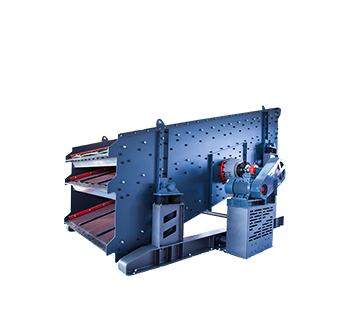
- Washing and Classification: Materials with high clay content (like some C&D waste or natural deposits) necessitate the inclusion of a log washer or attrition scrubber in the plant circuit. Accurate classification using screens and hydrocyclones is crucial to control the final sand's gradation and remove excess microfines (<75µm or <150µm), which are harmful to concrete strength.
- Wear Parts Management: The abrasiveness of the feed material dictates the lifespan of wear parts (impellers, anvils, liners) and directly impacts the operating cost. Selecting the correct metallurgy (e.g., high-chrome white iron for highly abrasive feeds) is a direct response to the raw material's properties.
In summary, selecting the right raw material is a crucial, practical decision for any sand-making operation. The optimal choice depends on the project's goals, local availability, and cost considerations. High-quality igneous rocks like basalt and granite produce premium sand for demanding applications, while softer rocks like limestone are cost-effective for general use. Furthermore, alternative materials like recycled concrete offer a sustainable path forward. Ultimately, success hinges on a clear understanding of the raw material's properties—its hardness, abrasiveness, and composition—and configuring the sand-making plant accordingly. By matching the material to the machine and the application, operators can reliably produce high-quality sand that meets the specific needs of the construction industry.


 Get Solution
 Send Message