






Summary: Impact crushers efficiently crush rocks, concrete & recycling materials. Learn how they work, key applications & benefits for construction & mining industries....
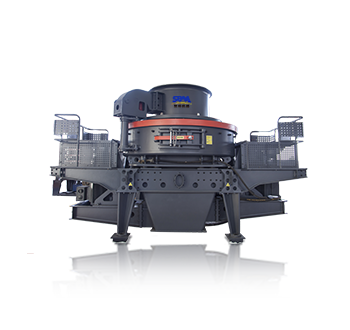
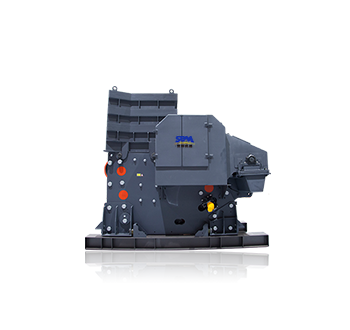
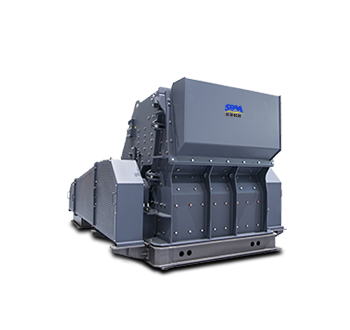
An impact crusher is a versatile size-reduction machine designed to break down various materials, including rocks, concrete, and recycling waste. It operates by striking these materials with high-speed rotating hammers or blow bars, which causes them to shatter upon impact. This mechanism makes impact crushers particularly effective in producing uniformly sized aggregates and recycled materials.
This article explores the functionality, types, applications and advantages of impact crushers, providing a comprehensive understanding of their role in modern material processing.

What is an Impact Crusher?
An impact crusher is a dynamic size-reduction system that utilizes kinetic energy to fracture materials through high-speed hammer impact and centrifugal force. Unlike compression-based crushers (e.g., jaw/cone), it excels in producing uniformly shaped aggregates ideal for modern construction specifications.
How It Works (Simple Breakdown)
- Step 1: Material enters the crusher and comes into contact with spinning rotor-mounted blow bars. These high-speed bars strike the material, initiating the crushing process.
- Step 2: The particles are then thrown against impact plates or "aprons," where they fracture into smaller pieces due to the force of the impact.
- Step 3: The appropriately sized material exits through adjustable discharge grates, allowing for efficient material handling and further processing.

Key Applications of Impact Crushers
Aggregate Production
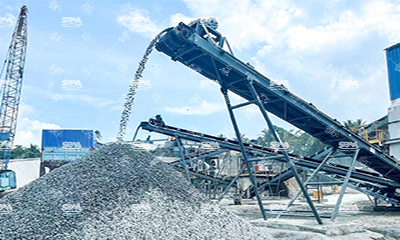
- Crushing Quarry Rocks: Impact crushers are commonly used to crush various types of quarry rocks, such as limestone and granite. These materials are broken down into uniform sizes suitable for construction applications, such as road base and concrete aggregates.
- Output Control: Many impact crushers feature adjustable aprons and grates that allow operators to control the size of the final product precisely. This flexibility is essential for meeting specific project requirements and ensuring consistent quality.
Recycling
- Processing Demolition Waste: Impact crushers excel in processing demolition waste, including concrete, asphalt, and bricks. By breaking these materials down into reusable sizes, impact crushers contribute to sustainable building practices.
- C&D Recycling Plants: They are particularly well-suited for construction and demolition (C&D) recycling facilities, where they help reduce landfill waste and promote the circular economy.
Mining & Minerals
- Breaking Softer Ores: In the mining industry, impact crushers are utilized to crush softer ores such as coal and gypsum. They effectively reduce these materials for further processing or direct use.
- Limitations: While effective for softer materials, impact crushers are less suitable for very hard materials, such as those high in silica content. In such cases, other types of crushers, like jaw or cone crushers, may be more appropriate.
Industrial Materials
- Crushing Glass and Ceramics: Impact crushers can also be employed to crush industrial materials like glass, ceramics, and specific metals. This processing is crucial for recycling and reprocessing these materials into new products.
What are Advantages of Impact Crushers?
Impact crushers offer several advantages that make them a popular choice in many industries:
1. High Reduction Ratio
Impact crushers provide a high reduction ratio, allowing for significant size reduction in a single pass. This efficiency helps optimize the crushing process and reduce operational costs.
2. Versatility
Impact crushers can handle a wide range of materials, from soft to hard, making them suitable for various applications. Their ability to produce different sizes and shapes of crushed material adds to their versatility.
3. Low Operating Costs
With fewer moving parts compared to other types of crushers, impact crushers generally have lower maintenance costs. Their design allows for easy access to wear parts, simplifying maintenance and reducing downtime.
4. Quality of Output
Impact crushers produce cubical-shaped products with excellent particle shape and size distribution. This quality is particularly important in applications where the end product is used in high-performance concrete and asphalt.
5. Environmental Benefits
By enabling the recycling of materials and reducing waste, impact crushers contribute to environmentally friendly practices. They help minimize the need for raw materials, promoting sustainable resource management.
When to Choose an Impact Crusher?
- Uniform, Shaped Aggregates: If your project requires uniformly shaped aggregates, especially for asphalt mixes, an impact crusher is an ideal choice.
- Processing Medium-Hard to Soft Materials: Impact crushers work best with medium-hard to soft materials, making them suitable for various applications.
- Prioritizing Versatility: If your operations demand flexibility and adaptability, impact crushers can quickly adjust to produce different product sizes.
Impact crushers play a vital role in various industries by providing efficient and effective size reduction of materials. Their versatility, high reduction ratios, and ability to produce quality output make them a preferred choice for aggregate production, mining, recycling, and more. As industries continue to evolve, the role of impact crushers will remain significant in meeting the demands of modern material processing.


 Get Solution
 Send Message