





Summary: Impact crushers are most effective when processing soft and medium-hard rocks, construction and demolition waste, industrial materials, and certain mining ores....
Impact crushers are versatile machines designed to produce high-quality aggregates with excellent particle shape. Their unique crushing mechanism—using high-speed impact forces rather than compression—makes them particularly effective for specific types of materials. Understanding which materials are best suited for impact crushing ensures maximum efficiency, reduced wear, and superior final product quality.

1. How Does the Impact Crusher Work?
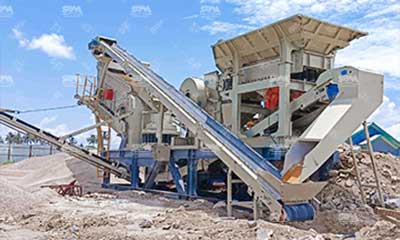
Impact crushers operate on the principle of using high-speed impact forces to break down materials. The design typically includes a rotor with hammers or blow bars that rotate at high speeds, striking the material and causing it to fracture. This mechanism allows impact crushers to produce a well-graded, cubical product, making them particularly valuable in the production of aggregates.

2. Types of Materials Suitable for Impact Crushers
Impact crushers are particularly effective for crushing the following types of materials:
2.1 Soft and Medium-Hard Materials
Impact crushers are particularly effective for soft to medium-hard materials due to their ability to generate high impact forces without excessive wear on the equipment.
- Limestone – Widely used in the construction industry, limestone is soft enough to be efficiently processed by impact crushers. The resulting product is ideal for use in cement production and as a base material for roads.
- Dolomite – Similar to limestone, it breaks well under impact forces, producing well-shaped aggregates.
- Sandstone – This sedimentary rock is easy to crush and yields high-quality aggregates. Impact crushers produce a well-shaped end product suitable for concrete and asphalt mixes.
- Gypsum – Commonly used in the production of drywall and plaster, gypsum can be effectively crushed by impact crushers, producing fine particles that meet specific size requirements.
2.2 Construction and Demolition Waste
The recycling of construction and demolition (C&D) waste has become increasingly important as industries focus on sustainability. Impact crushers are well-suited for processing various C&D materials:
- Concrete: Impact crushers can efficiently crush concrete, producing recycled aggregates that can be reused in new construction projects. The cubical shape of the output enhances the performance of concrete mixtures.
- Asphalt: Reclaimed asphalt pavement (RAP) is often processed using impact crushers to produce high-quality aggregates for new asphalt mixes. The ability to handle asphalt effectively makes impact crushers valuable in the asphalt recycling sector.
2.3. Industrial Minerals
Impact crushers are also suitable for crushing various industrial minerals, such as:
- Barite: Used in the oil and gas industry as a weighting agent, barite can be crushed into fine particles using impact crushers.
- Talc: Talc is a soft mineral that can be effectively processed by impact crushers to produce talc powder for use in cosmetics, plastics, and other applications.
- Clay: Impact crushers can efficiently crush clay materials, producing the desired particle size for use in ceramics and other applications.
2.4 Mining Materials
In the mining industry, impact crushers are utilized to process various minerals and ores:
- Coal: Impact crushers are effective for crushing coal due to their ability to produce a uniform particle size. This characteristic is essential for applications in power generation and other industrial processes.
- Iron Ore: While primary crushing may be performed with jaw crushers, impact crushers can be used in secondary and tertiary operations to refine the size of iron ore, ensuring optimal processing for steel production.
2.5. Aggregates
Impact crushers are commonly used in the production of aggregates, including:
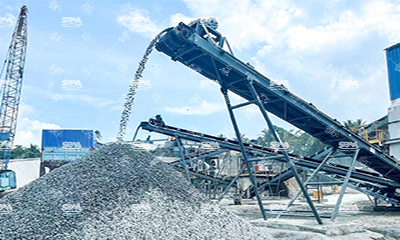
- Gravel: Impact crushers can produce high-quality gravel by crushing larger stones into smaller, usable sizes for construction and landscaping.
- Sand: The production of sand from larger rock formations can be achieved effectively using impact crushers, providing a key material for concrete and asphalt production.

3. Advantages of Using Impact Crushers for These Materials
Using impact crushers for the aforementioned materials offers several advantages:
3.1 Versatility
Impact crushers are suitable for a wide range of materials, making them highly versatile in various applications. This adaptability allows operators to use a single machine for multiple purposes, reducing the need for specialized equipment.
3.2 Cubical Product Shape
One of the key advantages of impact crushers is their ability to produce a cubical product shape. This quality is particularly valuable in the aggregate industry, where well-graded, angular aggregates enhance the performance of concrete and asphalt mixes.
3.3 Reduced Operational Costs
Impact crushers often have lower operational costs compared to other types of crushers. Their design minimizes wear and tear on components, leading to reduced maintenance requirements and longer service life.
3.4 High Throughput
Impact crushers can achieve high throughput rates, making them efficient for processing large volumes of material. This efficiency is crucial in industries that require rapid production and quick turnaround times.
4. Materials to Avoid in Impact Crushers
While impact crushers are highly adaptable, some materials can cause excessive wear or operational challenges:
- Material Hardness: Impact crushers are not suitable for very hard materials, such as granite or basalt. In such cases, jaw or cone crushers may be more effective.
- Oversized Feed: Impact crushers require proper feed size to operate efficiently. Oversized materials can lead to blockages and reduced performance.
- Sensitive to Abrasive Materials: While impact crushers can handle a variety of materials, highly abrasive materials can lead to increased wear on the hammers and other components.
Impact crushers are most effective when processing soft and medium-hard rocks, construction and demolition waste, industrial materials, and certain mining ores. Their ability to produce well-shaped, cubical aggregates makes them indispensable in modern aggregate production and recycling operations. However, selecting the right material—and avoiding highly abrasive or sticky substances—ensures optimal performance and longevity.
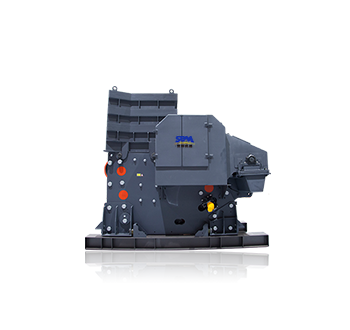
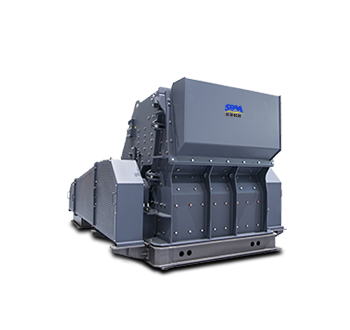
For operators seeking high-efficiency impact crushing, SBM’s CI5X and PFW Series Impact Crushers offer advanced rotor designs and wear-resistant materials, enhancing productivity across various applications. Proper material selection, combined with the right crusher configuration, guarantees superior aggregate quality and cost-effective operations.


 Get Solution
 Send Message