






Summary: The best way to reduce the noise pollution of the jaw crusher is that the size of the spiral cone of the crusher is large, and the worker is difficult to proces...
The best way to reduce the noise pollution of the jaw crusher is that the size of the spiral cone of the crusher is large, and the worker is difficult to process, and some errors will occur during the processing. The spiral cone hammer gear of the crusher, the horizontal rotating shaft, the eccentric sleeve and the main shaft have great deviations during the installation process. The production environment of the crusher is relatively bad, which will cause the gear to sway in the tooth and increase the friction. The eccentric sleeve and the horizontal axis of rotation will rotate unbalanced. The jaw crusher is commonly known as the "stone crusher", also called the "tiger mouth" crusher. The crushing chamber consists of two jaw plates. It simulates the biting motion of animal jaws to crush materials.
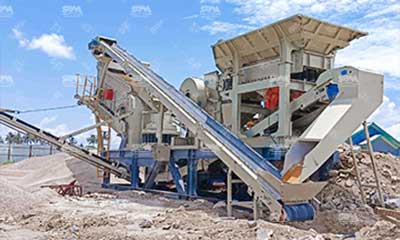
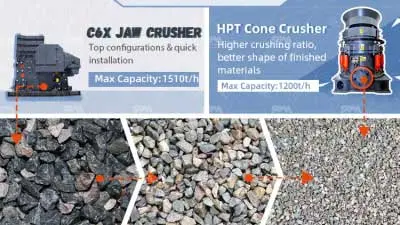
SBM'crushers are mainly used as coarse crusher and medium crusher in mining, building materials and infrastructure. According to the width of the feed port, it is divided into three types: large, medium and small. The feed port width is larger than 600mm for large machines. The feed port width is 300-600MM for medium-sized machines. The feed port width is less than 300 mm for small-sized machines. Machine, the highest compressive strength of the crushed material is 320Mpa. The jaw crusher is simple in structure, easy to manufacture and reliable in operation. The working part of the jaw crusher is two jaws, one is a fixed jaw (fixed), the vertical (or the upper end is slightly inclined) fixed on the front wall of the body, and the other is the movable jaw (moving), the position tilting, forming a large and small crushing cavity (working cavity) with the fixed jaw. The movable jaws periodically reciprocate against the fixed jaws, sometimes separated and sometimes close. When the jaws are apart, materials enter the crushing chamber, and finished products are discharged from the bottom; when the jaws close, the material between the two jaw plates is crushed through bending, shearing and splitting.


 Get Solution
 Send Message