




The jaw crusher is a common primary-crushing unit in aggregate, mining, and metallic-ore processing lines. Its main components include the frame, eccentric shaft, moving jaw, fixed jaw, toggle plate, guard plate, adjustment device, spring / tie rod, lubrication system, and motor. The operating principle makes the unit sensitive to feed lump size, mud and water content in the feed, and the uniformity of feed rate. Variations in these external conditions, progressive wear of consumable parts, and gaps in routine maintenance can all gradually develop into specific faults.
This article groups the typical problems encountered during jaw crusher operation by fault type, analyzes the symptoms, possible causes, and troubleshooting approaches for each, and summarizes the key points of routine maintenance as a reference for equipment operators and maintenance personnel.
Click Here to Get Jaw Crusher Solution.

1. Common Jaw Crusher Faults and Solutions
The jaw crusher uses the periodic compression between the moving jaw and the fixed jaw to break material, and is the workhorse of the primary-crushing stage in a crushing line. As primary crushing equipment, jaw crushers have the following common faults:
1.1 Premature Jaw Plate Wear
【Symptoms:】
Visible wear grooves and loss of edge sharpness on the moving or fixed jaw plate surface; the geometry of the crushing chamber changes; the discharge size distribution widens.
【Possible Causes:】
· ----The feed material has high hardness and strong abrasiveness (e.g., basalt, granite, ores with siliceous interlayers), causing significant repeated impact and cutting action on the jaw plate.
· ----The feed lump size exceeds the maximum feed size allowed by the crusher, with large lumps repeatedly impacting the same area and accelerating localized wear.
· ----The feed contains an excessive proportion of fines and clay balls. Material repeatedly impacts inside the chamber rather than being effectively compressed, so the surface of the components absorbs more ineffective impact.
· ----The jaw plate material is mismatched to the characteristics of the feed. Standard steel selected under highly abrasive conditions wears too quickly.
· ----The jaw plate fixing bolts are loose, allowing the plate to move slightly inside the chamber, intensifying uneven wear.
【Solutions:】
· Control the feed lump size. The maximum lump size of the feed should be kept within the maximum feed size allowed by the equipment, to avoid large lumps directly impacting the plate and causing excessive localized wear.
· Control the mud and fines content of the feed. A pre-screening step can be added ahead of primary crushing to bypass fines and clay balls, reducing ineffective impact inside the chamber.
· Inspect the jaw plate wear regularly. When the wear reaches a defined proportion of the original thickness, flip the plate over or replace it.
· Select jaw plate material to suit the feed. For low-abrasion feed (e.g., limestone), standard high-manganese-steel plates are suitable; for high-abrasion hard rock, high-manganese-steel or composite-material plates should be considered.
· Tighten the jaw plate fixing bolts regularly to prevent loose bolts from aggravating wear.
1.2 Toggle Plate Fracture or Wear
【Symptoms: 】
Repeated toggle plate fracture, or visible wear and deformation on the plate surface.
【Possible Causes:】
· ----The toggle plate is the overload protection component of the jaw crusher. When uncrushable foreign objects enter the chamber or the unit is severely overloaded, the toggle plate fractures first, protecting the eccentric shaft, bearings, and other more critical load-bearing parts from damage. Therefore, occasional toggle plate fracture is a designed protective action and not a quality issue of the equipment.
· ----The discharge opening is set too small, or the spring / tie rod has failed, causing the toggle plate to bear extra load over extended periods.
· ----The toggle plate material does not meet the required specifications, or the plate has reached fatigue after long-term use.
· ----Uncrushable foreign objects are mixed in the feed, frequently triggering the overload protection.
【Solutions:】
· Occasional fracture is a protective action — replace the plate to specification after fracture.
· Repeated fracture requires further investigation: check whether the discharge opening has been set too small, whether the spring / tie rod has failed, and whether uncrushable foreign objects such as metal have entered the feed.
· Use qualified spare parts when replacing the toggle plate. Avoid non-conforming materials. Failure of the toggle plate protection can lead to more serious damage to the eccentric shaft and other components.
1.3 Excessive Bearing Temperature
【Symptoms: 】
Bearing temperature exceeds the equipment threshold (the industry common reference upper limit is approximately 70°C), accompanied by a rapid temperature rise or sustained high temperature.
【Possible Causes:】
· ----Poor lubrication: insufficient lubricant quantity, emulsified or degraded lubricant, blocked oil passages.
· ----Improper bearing assembly: bearing clearance too small or too tight.
· ----Bearing damage: wear, pitting, or deformation of the rolling elements, raceways, or cage.
· ----Seal failure allowing dust to enter the bearing, increasing wear and impairing lubrication.
· ----Excessive ambient temperature or cooling system failure.
【Solutions:】
· Check the lubricant: verify that the oil level is at the specified position, that the oil condition has not visibly degraded, and that the oil passages are unobstructed. Replace the lubricant at the intervals specified in the manual.
· Check bearing assembly: an over-tight assembly is a common cause of rapid bearing temperature rise. Assembly should strictly follow the clearances specified in the equipment manual.
· Replace damaged bearings: bearing damage is usually accompanied by abnormal noise and abnormal temperature rise. Stop operation and replace immediately to avoid bearing seizure and eccentric shaft jamming.
· Check the seals: prevent dust from entering the bearing housing. Replace any damaged seals.
· Inspect the cooling system: some jaw crusher bearings are fitted with water-cooling jackets; insufficient cooling water flow or blockages will cause poor heat dissipation.
1.4 Eccentric Shaft Faults
【Symptoms: 】
Eccentric shaft fracture, journal wear, axial movement, or abnormal bearing housing position.
【Possible Causes:】
· ----Severe overload: uncrushable objects entering the chamber or excessive feed, with instantaneous impact loads exceeding the load-bearing capacity of the eccentric shaft.
· ----Long-term fatigue: operation beyond the designed service life of the equipment.
· ----Insufficient lubrication: loss of lubricant between the journal and the bearing liner, intensifying wear.
· ----Improper assembly: incorrect bearing clearances, or failure of the axial positioning.
· ----Toggle plate overload protection failure: the toggle plate failed to fracture first during overload, so the protection mechanism did not engage.
【Solutions:】
· Stop the equipment immediately for inspection. The eccentric shaft is a critical load-bearing component; fracture or severe wear can lead to equipment scrap and even safety incidents.
· Control the feed lump size and feed characteristics (avoid uncrushable objects) to reduce overload risk at the source.
· Inspect journal wear regularly, and conduct the overhaul checks at the intervals specified in the equipment manual.
· Replace a damaged eccentric shaft. Eccentric shaft repair usually requires return to the factory or a specialized repair facility; on-site repair is not recommended.
· Review the toggle plate overload protection mechanism: if the toggle plate failed to fracture first during overload, check the plate material and assembly.
1.5 Off-Spec Product Size
【Symptoms: 】
The discharge is too coarse or too fine, accompanied by over-crushing.
【Possible Causes:】
· ----Incorrect discharge opening adjustment: the discharge opening is set too large or too small.
· ----Jaw plate wear changes the geometry of the crushing chamber: uneven wear of the moving or fixed jaw plate causes the chamber to shift.
· ----The feed lump size is too large, exceeding the crushing capacity of the equipment.
· ----Excessive mud and water content in the feed: material slips inside the chamber, reducing crushing efficiency.
· ----Uneven feed: off-center loading causes some material to be discharged without being fully crushed.
【Solutions:】
· Check and re-adjust the discharge opening.
· Check jaw plate wear. Uneven plate wear shifts the crushing chamber and widens the product size distribution.
· Control the feed lump size. The maximum lump size of the feed should be within the maximum feed size allowed by the equipment.
· Control the mud and water content of the feed. Material with high mud and water content can be pre-screened before entering the crusher.
· Adjust the feeding method. The feed should enter the crushing chamber centrally, to avoid off-center loading.
1.6 Reduced Throughput
【Symptoms: 】
Under the same conditions, the crusher's actual throughput is significantly below its design value or its historical operating level.
Click Here to Get Jaw Crusher Solution.
【Possible Causes:】
· ----Insufficient feed: the vibrating feeder frequency is set too low, the bin is bridging, or the feeder is blocked.
· ----Discharge opening blockage: material is accumulating inside the chamber or at the discharge.
· ----Severe jaw plate wear: crushing efficiency drops and the unit-time processing capacity decreases.
· ----Excessive mud and water content in the feed: material slips inside the chamber, reducing effective compression time.
· ----Changes in material characteristics: key indicators such as ore hardness and abrasiveness have changed, and the original equipment selection is no longer suitable.
· ----Eccentric shaft or bearing faults: operating parameters deviate from the design values.
【Solutions:】
· Check the feeder operation: confirm that the feed frequency and feed uniformity are normal.
· Clear the discharge opening blockage: stop the unit and clear the blocked material; adjust the discharge opening as needed.
· Inspect the jaw plate: severely worn plates should be flipped or replaced promptly.
· Control the mud and water content of the feed: add pre-screening or adjust the feeding method.
· Review the material characteristics: when ore properties change, equipment selection may need to be adjusted.
1.7 Abnormal Machine Vibration and Noise
【Symptoms: 】
Severe body vibration, abnormal noise (metallic impact sound, regular or irregular abnormal sounds).
【Possible Causes:】
· ----Eccentric shaft or flywheel imbalance.
· ----Bearing damage.
· ----Loose frame or anchor bolts.
· ----Uneven feed: feed concentrated on one side, asymmetric chamber loading.
· ----Uncrushable objects stuck in the chamber: metal and other foreign objects repeatedly striking the plate and the chamber.
· ----Loose jaw plate fixing bolts, or plate falling off.
【Solutions:】
· Stop the unit and check the balance of the eccentric shaft and flywheel. Eccentric shaft wear and flywheel imbalance cause periodic vibration.
· Check the bearings. Bearing damage is usually accompanied by abnormal noise and temperature rise.
· Tighten the frame and anchor bolts. As a heavy-duty unit, the anchor bolts of a jaw crusher may loosen after long-term operation.
· Adjust the feeding method. The feed should enter the crushing chamber centrally, to avoid off-center loading.
· Remove foreign objects from the chamber. Uncrushable objects such as metal stuck in the chamber will cause severe vibration and abnormal noise.
· Check the jaw plate fixing. Loose plate fixing bolts or plate detachment will cause abnormal impact inside the chamber.
1.8 Spring / Tie Rod Failure
【Symptoms: 】
Spring fracture, tie rod loosening or fracture, abnormal toggle plate seat position, unstable discharge opening adjustment.
【Possible Causes:】
· ----Frequent overload causing spring fatigue.
· ----Long-term use without inspection, the spring / tie rod has reached the end of its fatigue life.
· ----Material does not meet the required specifications.
· ----Poor lubrication or foreign objects entering the joint.
【Solutions:】
· The spring / tie rod is part of the discharge opening adjustment and overload protection system. Failure will affect the stability of the discharge opening and aggravate toggle plate fracture.
· Inspect the spring and tie rod condition regularly, and replace any damaged components promptly.
· Spring / tie rod failure is usually accompanied by frequent toggle plate fracture; when this occurs, inspect the adjustment device and toggle plate at the same time.
· Investigate the cause of overload: avoid repeated failure after replacement.
1.9 Frame Cracks
【Symptoms: 】
Cracks in the frame (casting stress cracks or load-induced cracks), typically appearing at stress-concentration points such as the bearing housings.
【Possible Causes:】
· ----Casting stress not fully relieved.
· ----Long-term fatigue: operation beyond the designed service life of the equipment.
· ----Severe overload: instantaneous loads exceeding the strength of the frame.
· ----Uneven settlement of the foundation or base, causing additional stress in the frame.
【Solutions:】
· Stop the unit immediately. Frame cracks, if not addressed promptly, can lead to frame fracture and safety incidents.
· Assess the extent of the cracks: minor cracks can be repaired by welding; severe cracks require frame replacement.
· Evaluate the cause of overload: avoid recurring overload after repair.
· Check the foundation: uneven foundation settlement must be addressed first, before repairing the frame.
.png)
.png)
2. Routine Maintenance Essentials
Most jaw crusher faults are progressive in nature. With proper routine maintenance, most issues can be identified and addressed at an early stage, before they develop into serious failures. The key elements of routine maintenance are as follows.
Click Here to Get Jaw Crusher Solution.
2.1 Feed Control
The feed lump size should be within the maximum feed size allowed by the equipment, and the feed should be continuous and uniform. Oversize feed, uneven feed, or off-center loading are the root causes of most faults. Premature localized jaw plate wear, abnormal machine vibration, and frequent toggle plate fracture are often related to poor feed control.
2.2 Regular Inspection of Jaw Plates and Toggle Plate
Jaw plates and the toggle plate are consumable parts and should be covered by a regular inspection schedule. Inspection items include: jaw plate wear amount, jaw plate fixing bolts, toggle plate surface condition, and the connection between the toggle plate and the toggle plate seat. When jaw plate wear approaches the limit value, flip the plate over or replace it. If cracks are found on the toggle plate, replace it. Adequate spare parts should be kept in stock to reduce downtime from unexpected failures.
2.3 Lubrication System Maintenance
The jaw crusher's lubrication system mainly serves the bearings and the eccentric shaft. Routine maintenance includes: regularly checking the lubricant level and condition, replacing the lubricant at the specified intervals, cleaning the oil passages, and checking the oil pump operation. Poor lubrication is one of the main causes of excessive bearing temperature.
2.4 Self-Inspection of Critical Fasteners
Anchor bolts, jaw plate fixing bolts, and flywheel / sheave locking bolts should be checked and tightened regularly. Looseness can lead to severe issues such as intensified body vibration and jaw plate detachment.
2.5 Prevention of Uncrushable Objects
Install a tramp iron remover or a manual sorting step in front of the feeder to prevent uncrushable objects such as metal from entering the crushing chamber. Uncrushable objects entering the chamber are a common cause of frequent toggle plate fracture, eccentric shaft damage, and severe body vibration.
2.6 Vibration and Temperature Monitoring
During jaw crusher operation, attention should be paid to body vibration and bearing temperature. Abnormal vibration and temperature rise are often the early signals of a fault. Any abnormal increase in vibration velocity or temperature should trigger a stop for investigation.
2.7 Operating Records and Trend Analysis
Establish an operating record system for the jaw crusher, capturing daily throughput, feed condition, jaw plate wear, toggle plate replacement quantity, and fault events. Long-term data can reveal performance trends, supporting advance planning of maintenance and spare parts procurement.
3. FAQ
Click Here to Get Jaw Crusher Solution.
Q1: What are the most common faults of a jaw crusher?
Jaw plate wear and toggle plate fracture are the two most common fault categories. As a consumable part in direct contact with the feed, jaw plate wear accumulates with material hardness and operating time. As an overload protection component, the toggle plate fractures first when overload occurs. Both fault categories are related to consumable part wear and are directly affected by material characteristics, feed conditions, and operating duty.
Q2: At what bearing temperature is a jaw crusher considered abnormal?
The threshold should be based on the value specified in the equipment manual (the industry common reference upper limit is approximately 70°C). When the temperature exceeds the threshold, the unit should be stopped for inspection of the lubrication and bearing condition.
Q3: How often should jaw crusher jaw plates be replaced?
The replacement interval depends on multiple factors, including material hardness, abrasiveness, feed lump size, and operating time. In practice, the replacement timing should be determined by regularly measuring the remaining thickness of the plate and comparing it to the initial thickness. For harder materials and larger feed sizes, the replacement interval is shorter.
Q4: Does frequent toggle plate fracture indicate an equipment problem?
Not necessarily. The toggle plate is the overload protection component of the jaw crusher, and occasional fracture is a designed protective action. Only frequent fracture (multiple occurrences in a short period) requires further investigation: whether the discharge opening is set too small, whether the spring / tie rod has failed, whether uncrushable foreign objects such as metal have entered the feed, and whether the toggle plate material is qualified.
Q5: How should jaw crusher feed lump size be controlled?
The jaw crusher feed lump size should be kept within the maximum feed size allowed by the equipment. Taking the SBM C6X jaw crusher as an example, the maximum feed size is 1200 mm. Exceeding this range increases the risk of jaw plate wear and body vibration. When the run-of-mine blast fragmentation is too coarse, the feed lump size should be controlled by adjusting the blasting parameters or by adding a pre-screening step before primary crushing.
Q6: Can a jaw crusher handle feed with high mud and water content?
Feed with high mud and water content tends to stick and slip inside the chamber, causing blockage, reduced throughput, and uneven jaw plate wear. When processing feed with high mud and water content, it is recommended to add a pre-screening step before primary crushing and to control the uniformity of feed.
Conclusion
The jaw crusher is a common primary-crushing unit in a crushing line. With proper feed control, regular inspection of consumable parts, lubrication system maintenance, and self-inspection of critical fasteners, most faults can be identified and addressed at an early stage.
Click Here to Get Jaw Crusher Solution.
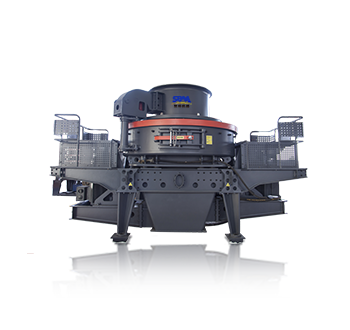
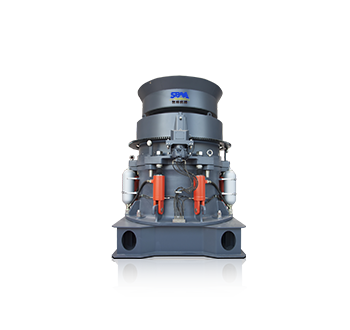
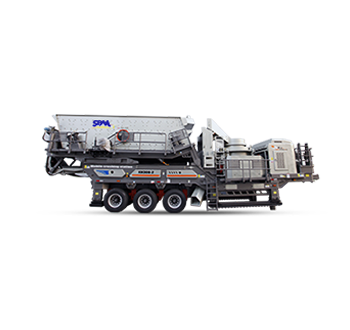
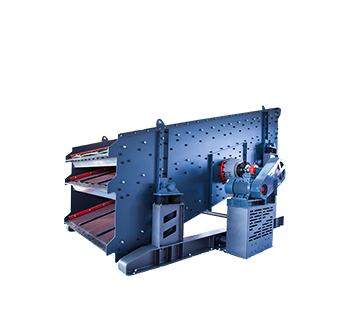
If your production line is at the equipment selection stage, or your existing jaw crusher is experiencing repeated faults at the jaw plate, toggle plate, bearings, or other components and you need to replace the equipment or spare parts, you are welcome to consult SBM. As a manufacturer of mining crushing equipment, SBM's product line covers the full process of primary crushing, secondary / fine crushing, sand making, and screening. SBM can provide configuration solutions and full-lifecycle maintenance support based on material characteristics and throughput requirements.


 Get Solution
 Send Message