





Summary: A step-by-step technical guide to setting up a high-efficiency alluvial gold washing plant. Covers ore sampling, trommel vs. rotary scrubber selection, multi-stage gravity separation, water recycling, plant layout, and operational maintenance....
Setting up a high-efficiency gold washing plant is the single most critical factor determining the success of an alluvial (placer) gold mining operation. While placer mining avoids the high crushing costs associated with hard-rock mining, it presents a different challenge: processing massive volumes of raw gravel, mud, and boulders to capture microscopic, free-milling gold particles. A poorly designed washing plant can easily lose 30% to 50% of fine gold into tailings, drastically slashing profit margins.
To maximize gold recovery and achieve low operational cost per ton, mine operators must design an integrated system tailored to their specific deposit geology. This step-by-step technical guide covers site selection, process circuit design, core machinery selection, water management, and operational optimization.

Step 1: Conduct Ore Sampling and Feed Analysis
Before purchasing machinery or pouring concrete, a thorough geological evaluation of your gold deposit is non-negotiable. Equipment selection depends entirely on three physical characteristics of your feed material:
- Clay Content: High-clay ores (laterite or sticky mud) require intensive mechanical washing to liberate gold. Clean sand and river gravels need far less washing energy.
- Particle Size Distribution (PSD): Knowing the ratio of boulders (>100 mm), gravels, sand, and fine silt dictates your screening mesh sizes and hopper grizzlies.
- Gold Grain Size: Coarse nuggets (>1 mm) are easily captured by traditional sluices, whereas fine gold (-200 mesh / <74 microns) requires centrifugal force for efficient recovery.
Step 2: Choose the Right Washing & Scrubbing Technology
Liberating gold trapped in clay or silt matrices is the primary job of the washing unit. Choosing the wrong primary washing unit is the most common reason gold processing lines fail.
Trommel Screen vs. Rotary Scrubber
Operators must select between two primary washing machines based on clay contamination:
| Feature | Gold Trommel Screen | Rotary Scrubber |
|---|---|---|
| Best Application | Clean gravels, sand, and low-clay placer deposits | High-clay, sticky mud, and compacted laterite deposits |
| Washing Mechanism | Revolving screening cylinder with water spray bars | Heavy internal lifters churning slurry in a sealed cylinder |
| Energy & Fuel Use | Moderate power consumption | Higher torque and power consumption |
| Clay Breakdown | Low to moderate (clay balls can carry gold away) | Exceptional (completely slurry-dissolves tough clay) |
Step 3: Build a High-Recovery Gravity Separation Circuit
Once material is scrubbed and screened (typically removing oversize material >12 mm or >15 mm), the gold-bearing slurry flows into the recovery circuit. A high-efficiency plant uses a multi-stage gravity separation strategy to maximize recovery across all gold grain sizes:
- Primary Recovery (Centrifugal Concentrator): High-g centrifugal concentrators (such as Knelson or Falcon-type units) subject slurry to 60G–100G forces, trapping up to 95% of ultra-fine free gold (-200 mesh) that would otherwise float across traditional sluice mats.
- Secondary Recovery (Pulsating Sluice Box / Jig): Captures medium-to-coarse gold nuggets and serves as a scavenger circuit for overflow from centrifugal units, handling high slurry volume surges efficiently.
- Final Dressing (Shaking Table): Concentrates collected from centrifugal units and sluices are fed onto a high-precision 6-S shaking table for final enrichment, producing high-grade gold dust ready for direct smelting.
Step 4: Design Water Supply and Tailings Recycling Systems
Alluvial gold washing requires vast volumes of water—typically 2 to 5 cubic meters of water per ton of raw material processed. Water management directly impacts both environmental compliance and plant runtime:
- Closed-Loop Settling Ponds: Construct a series of multi-chamber settling ponds. Slurry discharge settles in primary ponds while clarified water is pumped back from the final pond into the plant, recycling over 85% of process water.
- High-Efficiency Slurry Pumps: Install heavy-duty, wear-resistant rubber or high-chrome slurry pumps to move thick tailings out of process sumps to prevent site clogging.
- Water Pressure Balance: Ensure high-pressure water nozzles inside scrubbers and trommels operate at optimum pressure (3–5 bar) to wash rocks clean without creating excessive misting.
Step 5: Plant Layout and Site Infrastructure Setup
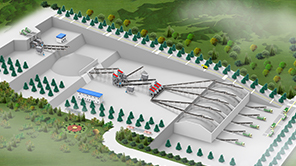
Layout optimization reduces excavator cycle times and fuel consumption while ensuring smooth material flow through gravity:
- Gravity-Fed Flowsheet: Position equipment on natural terraces or constructed embankments so slurry flows naturally downhill from the washing trommel into concentrators, sluices, and tailings drains. This minimizes pump power requirements.
- Sturdy Foundation / Skid Mounts: Heavy washing scrubbers generate substantial rotational vibration. Mount equipment on reinforced concrete pads or high-tensile steel skid frames to extend mechanical life.
- Reliable Power Genset: Match your plant with a heavy-duty industrial diesel generator set (50 kVA to 250 kVA depending on plant size) featuring dual power backup to prevent costly unplanned shutdowns.
Step 6: Best Practices for Operational Maintenance
To keep plant efficiency high and avoid expensive downtime during production shifts:
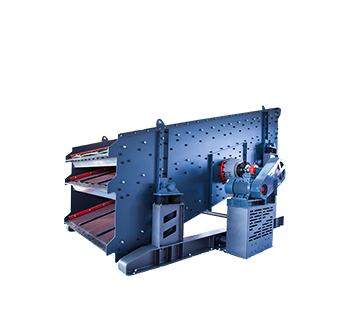
- Daily Screen Inspections: Regularly check trommel and vibrating screen polyurethane or manganese meshes for blinding, pegging, or premature wear.
- Centrifugal Rinse Cycles: Establish strict concentrate cleanout schedules for centrifugal concentrators (e.g., every 2 to 4 hours) based on ore grade to prevent gold-bed compaction.
- Maintain Spare Parts On-Site: Always stock spare pump impellers, screen meshes, drive belts, and rubber liners to ensure immediate repairs.
Conclusion
Setting up a high-efficiency gold washing plant requires balancing site geology with rugged, high-performance equipment. By pairing the right washing technology (Trommel vs. Scrubber) with multi-stage centrifugal gravity recovery and efficient water recycling, mine operators can achieve 90%+ gold recovery rates, lower operating costs, and ensure long-term site profitability.
Need a Customized Gold Washing Plant Design?
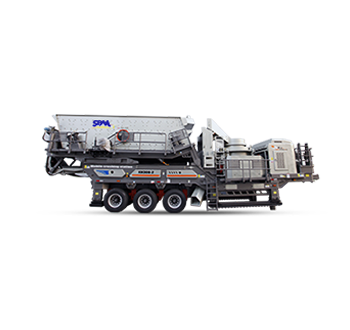
Whether you require a compact Portable Gold Trommel, a heavy-duty Rotary Clay Scrubber, or a complete high-capacity Mobile Gold Recovery Plant, SBM's specialized mining engineering team is ready to assist.
Contact our technical specialists today for a free, custom-designed flowsheet, equipment selection guidance, and a factory-direct quotation tailored to your ore specification and capacity targets.



 Get Solution
 Send Message