


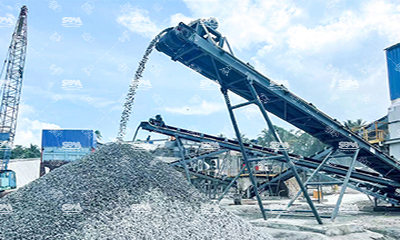




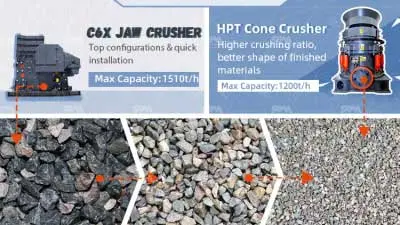

Pea gravel refers to smooth, naturally weathered stone aggregate sized between 1/8 inch and 3/8 inch (3 mm to 10 mm)—roughly the size of a green pea. Created through natural water erosion in riverbeds or crushed and mechanically rounded in quarries, pea gravel comes in a rich variety of neutral colors (buff, brown, gray, translucent white, red). It is celebrated in hardscaping for its excellent drainage, smooth texture underfoot, low cost ($30–$75 per ton), and decorative versatility across walkways, fire pits, flower bed mulching, and French drains.
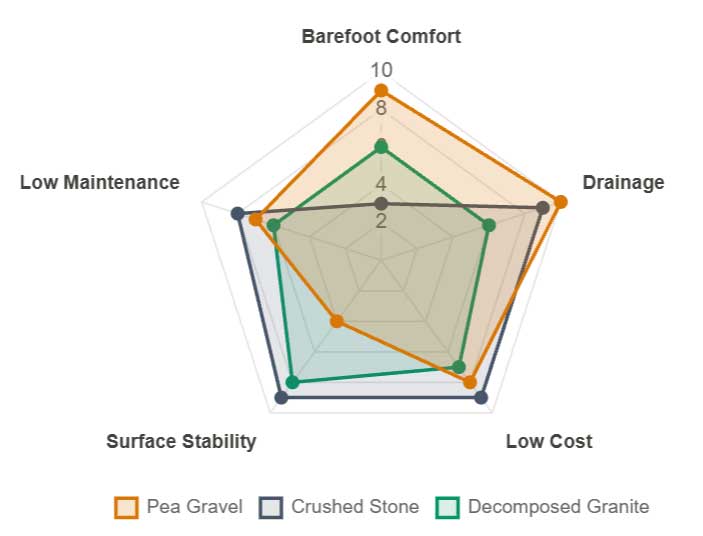
Understanding the physical profile and dimensional standards of pea gravel helps ensure correct material selection for your project. 3 mm to 10 mm smooth, rounded pebbles. Appx. 1.3 tons per cubic yard (loose volume). Allows water to filter rapidly into subsoil. Inexpensive compared to flagstone or pavers. Calculate exactly how many cubic yards, tons, and estimated dollars you need for your patio, walkway, or landscaping project. * Calculation based on average pea gravel density of 1.3 tons per cubic yard and average bulk pricing of $50/ton. Pea gravel creates flexible, permeable walkways that contour easily around trees, garden beds, and hardscape features. Its smooth surface provides comfortable foot traction compared to sharp crushed stone. As a loose-fill surface for outdoor sitting areas, pea gravel eliminates the heavy concrete pouring costs of traditional pavers while preventing weed growth when paired with geotextile fabric. Due to its uniform size and loose structure, water moves freely through pea gravel beds. It is heavily utilized around French drain pipes, retaining wall backfills, and foundation perimeters to prevent soil erosion and water pooling. The smooth texture makes pea gravel a popular choice for dog runs (easy to clean and gentle on paws) and residential play areas (providing impact attenuation when installed at adequate depths). Compare pea gravel against crushed stone, river rock, and decomposed granite to determine the right fit for your landscape design. Pea gravel scores high in barefoot comfort, low material cost, and drainage, but offers lower surface interlocking stability than crushed stone. Mark out your pathway or patio borders. Dig down approximately 4 inches for light walkways or 6 inches for heavy foot traffic areas to allow room for base rock and gravel layers. Install rigid edging materials—such as metal landscape edging, pressure-treated timber, or stone pavers—along all borders. Edging should sit 1/2 inch above the final gravel line to prevent stones from escaping. Lay a 2- to 3-inch layer of angular crushed stone (such as crushed limestone or crushed run). Tamp it down thoroughly with a plate compactor or hand tamper to create a firm, stable base. Roll heavy-duty, woven landscape fabric over the compacted base rock. Overlap seams by at least 6 inches and pin securely with landscape staples. This prevents gravel from sinking into subsoil and deters weeds. Pour the pea gravel over the landscape fabric and level it using a hard steel rake. Maintain a total pea gravel depth of 2 to 3 inches. Tip: Laying pea gravel deeper than 3 inches makes walking difficult because feet sink in too deep. Pea gravel consists of naturally rounded fragments of basalt, sandstone, limestone, granite, or quartz shaped by river water movement over thousands of years, or produced in gravel washing facilities. While pea gravel can be used for driveways, angular crushed stone (#57 stone or crushed limestone) is generally better because angular stones lock together under tire weight. If using pea gravel on a driveway, pair it with a plastic gravel stabilizer grid system underneath. Install commercial-grade woven weed barrier fabric under the gravel layer during initial installation. For wind-blown seeds that land on top over time, spray with organic vinegar solutions or flame-weed regularly.Key Characteristics & Specifications
Pea Gravel Quantity & Cost Calculator
Major Applications of Pea Gravel
1Landscape Pathways and Walkways
2Patios and Fire Pit Surrounds
3Drainage and Erosion Control
4Dog Runs and Playgrounds
Pea Gravel vs. Other Landscape Aggregates
Material Trait Radar Evaluation
Aggregate Type
Avg Size
Shape Profile
Best Use Case
Pea Gravel
1/8" – 3/8"
Smooth / Rounded
Walkways, Patios, Dog Runs
Crushed Stone (#57)
1/2" – 1"
Angular / Jagged
Driveways, Base Layer, Paver Sub-base
River Rock
1" – 3"+
Large Smooth Pebbles
Dry Creek Beds, Garden Borders
Decomposed Granite (DG)
< 1/4" (Fines)
Fine Powdery Crushed
Compacted Pathways, Rustic Courtyards
Advantages & Disadvantages of Pea Gravel
✓ Key Advantages (Pros)
✕ Key Disadvantages (Cons)
How to Lay Pea Gravel Properly: 5 Steps
1Excavate the Area (4 to 6 Inches Deep)
2Install Sturdy Perimeter Edging
3Add & Compact Crushed Base Rock (2 to 3 Inches)
4Lay Commercial-Grade Landscape Fabric
5Spread Pea Gravel (2 to 3 Inches Max)
Frequently Asked Questions
Q: What is pea gravel made of?
Q: Can pea gravel be used for driveways?
Q: How do you stop weeds from growing in pea gravel?



 Get Solution
 Send Message
