


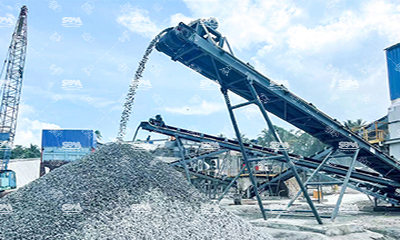


The unique geography and tropical rainforest climate in Indonesia brings several challenges for crushing operation, such as clogging, difficult logistics, unstable power supply etc.
Mobile crushing plants offers significant advantages in Indonesia:
- Exceptional mobility
- No concrete foundation needed
- Dual-power flexibility: diesel and electric
- Anti-clogging design
- Eco-friendly operation
As an archipelagic nation, Indonesia has experienced rapid development in roads, bridges, ports, and mining infrastructure in recent years. However, its unique geographical environment and tropical rainforest climate pose severe challenges to project construction: scattered islands, underdeveloped civil engineering conditions in remote areas, unstable power supplies, and long logistics cycles.
Against this backdrop, small and medium-sized mobile crushing plants—with their high mobility, strong adaptability, and minimal civil engineering requirements—have become the ideal choice for Indonesian infrastructure and mining contractors to achieve a fast Return on Investment (ROI).

I. Four Core Challenges of Infrastructure Projects in Indonesia
1.1 Scattered Islands and High Inter-Island Logistics Costs
Indonesia comprises over 17,000 islands, with many projects located in remote mountainous regions or outer islands. Land and inter-island sea transport are expensive and time-consuming. In the event of equipment failure, delayed spare parts delivery can easily cause prolonged downtime.
1.2 Tropical Rainforest Climate Challenges Equipment Durability
High temperatures, extreme humidity, and heavy rainfall persist year-round. Downpours, mud, and waterlogging during the rainy season place demanding requirements on moisture resistance, anti-corrosion, sealing performance, and electrical system anti-interference capabilities.
1.3 Soft Soil and Poor Civil Construction Conditions
Lowland areas in Kalimantan, Sumatra, and Sulawesi are widely covered with soft soil, waterlogged volcanic soil, and laterite. Pouring reinforced concrete foundations for traditional stationary crushing plants is both costly and time-consuming, significantly delaying overall project timelines.
1.4 Off-Grid Environments and Unstable Power Supply
Remote regions often lack grid power access and rely heavily on diesel generators. Severe voltage fluctuations and strong inrush currents during generator startup frequently trigger circuit trips or cause damage to conventional electrical control systems.
Click Here to Contact SBM Technical Engineers

II. Core Advantages of Mobile Crushing Plants for Indonesia
In the face of Indonesia's complex geography and rainy climate, a mobile crushing plant is more than just a piece of equipment—it is a tailored, high-ROI solution that delivers the following core advantages:
2.1 Exceptional Mobility for Indonesia's Archipelago & Remote Project Sites
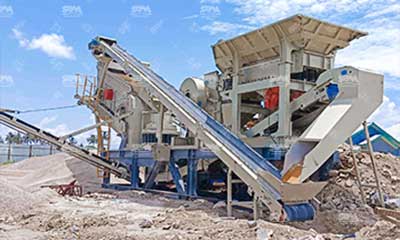
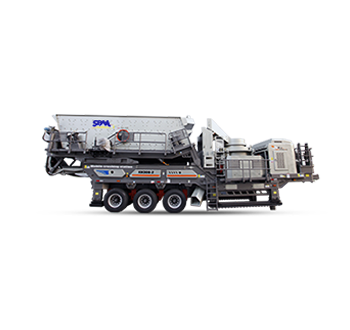
As the world’s largest archipelagic state, Indonesia presents severe logistical and transportation challenges due to its scattered island geography and underdeveloped remote infrastructure. Crawler and wheeled type mobile crushing plants effectively break through the logistics bottlenecks typical of traditional fixed lines:
Effortless Inter-Island Transport: Featuring a compact, modular design, the entire unit can be easily hoisted and transported on flatbed semi-trailers for inter-island transfers, significantly reducing sea and land freight costs.
In-Pit Mobility & Reduced Raw Material Transport Costs: Mobile crushing plant moves synchronously with the advancing mining face or highway construction line. Therefore, the raw material can be crushed at source, which not only reduces the long-distance raw material transportation costs but also cuts truck fuel consumption and maintenance expenses.
2.2 No Concrete Foundation Needed: Lower Upfront CAPEX & Faster Production
In tropical rainforest regions like Indonesia, traditional stationary plants require weeks or even months to pour and cure heavy concrete foundations. During the monsoon season, rain-filled foundation pits frequently cause severe project delays.
Rapid Production: Mobile crushing plants eliminate the need for complex civil excavation and concrete foundations. Once delivered, the equipment only requires a leveled ground surface for quick assembly and commissioning, enabling production to start within days.
Mitigated Investment Risk & High Asset Value Retention: Perfectly suited for short-to-medium term infrastructure concessions (such as road and bridge projects), temporary quarries, and leased lands. Upon project completion, mobile crushing plants can be seamlessly relocated to the next site, maintaining high asset resale value.
2.3 Dual-Power Flexibility (Diesel & Electric): Uncompromised Performance in Off-Grid Areas
Featuring a dual-mode drive system (grid power and diesel generator), mobile crushing plant adapts effortlessly to diverse power infrastructure:
Dual-Power Switching for Optimized OPEX: Plug into the local power grid in fully electrified areas like Java to minimize operating costs; seamlessly switch to a diesel generator set in remote, off-grid island regions.
Seamless Compatibility Without Retrofits: Allows effortless transition between energy sources with zero need to modify or overhaul the existing electrical system.
2.4 Climate-Resilient Engineering & Anti-Clogging Design for Tropical Environments
Indonesia’s year-round high temperatures, intense humidity, and torrential monsoon rains result in high-moisture, sticky ores and aggregates that frequently cause severe clogging in conventional feeders and screens.
Anti-Clogging Feeder & Screen Structure: Equipped with a heavy-duty vibrating feeder with grizzly bars and specialized anti-clogging vibrating screens, the plant effortlessly processes high-moisture, clay-rich sticky materials to guarantee continuous, stable output.
Tropicalized High-Protection Systems: Upgraded electrical control systems and anti-corrosion coatings are specifically engineered for humid tropical climates—withstanding heavy downpours, preventing electrical short circuits, and stopping equipment rust.
2.5 Eco-Friendly Operation
As Indonesia strictly enforces rainforest conservation laws and mining environmental regulations, mobile crushing plants offer inherent eco-friendly advantages. It eliminates the need for large-scale earthmoving and concrete foundation excavation, preserving local vegetation and preventing soil erosion. Once project operations conclude, the entire equipment setup can be cleanly demobilized, drastically lowering land reclamation and eco-restoration costs.
Get Price of SBM Mobile Crusher

III. Five Typical Application Scenarios of Mobile Crushing Plants in Indonesia
3.1 Linear and Cross-Island Highway Projects in Remote Terrains
Projects such as the Trans-Sumatra or Trans-Papua Highways traverse tens of kilometers of cuts, tunnels, and embankments. Mobile crushers operate directly at the working face, advancing along with road construction. This eliminates exorbitant haulage costs to distant stationary crushing plants, achieving "crusher moves with the working face."
3.2 Island Quarries Serving Multiple Small, Short-Term Contracts
Many regional quarries in Indonesia have relatively small reserves, and contractors often fulfill multiple short-term contracts within the same region concurrently. Mobile crushing plants can relocate between different quarries within hours, enabling "one machine serves multiple contracts" and drastically shortening the ROI cycle.
3.3 Temporary Works under Soft Soil and Complex Geological Conditions
On soft volcanic soil and laterite commonly found in Kalimantan and Sumatra, building foundations for a stationary crushing line is exceptionally costly and slow. Crawler or wheel-mounted mobile crushing units require only ground compaction to start working, perfectly overcoming construction bottlenecks in remote, soft-ground terrains.
3.4 C&D Waste Demolition and Recycling in Urban Areas
Urban construction generates large volumes of concrete and asphalt demolition waste, particularly in major metropolitan areas like Jakarta and Surabaya. Mobile crushing plants can process construction waste directly on tight urban sites into road base materials. This not only eliminates disposal fees but also avoids transportation costs, fully aligning with Indonesia's strict local environmental regulations.
3.5 Supporting Infrastructure for Nickel and Downstream Mineral Processing Plants
As of 2026, Indonesia has over 30 downstream mineral processing projects—valued at tens of billions of dollars—rapidly advancing. Because many nickel mines in Indonesia are located in tropical rainforests and coastal mangrove areas, the construction of supporting haul roads, site pads, and camps relies heavily on local aggregate supply. Mobile crushing plants, which require no foundation and offer rapid production, serve as essential equipment during the initial land clearing phase in remote mining zones.
Get Price of SBM Mobile Crusher

Frequently Asked Questions
Q1: What type of mobile crushing plant is best suited for Indonesia's island environment: crawler (tracked) or wheel-mounted?
A: It depends on your site conditions and transfer frequency:
Crawler (Tracked) Type: Ideal for off-road conditions, soft volcanic soils, mud, and active mining faces (e.g., nickel mines in Sulawesi or remote timber/mining roads in Kalimantan). Tracks allow direct self-propelled movement on harsh terrain without civil site preparation.
Wheel-Mounted Type: Best for long-distance highway transfers, urban construction waste recycling, and established quarries. They offer lower initial purchase costs and faster towing speeds via standard trucks across paved roads.
Q2: How do mobile crushing plants overcome the clogging caused by heavy rains and sticky ores in Indonesia?
A: Mobile plants handle high-moisture and sticky materials (such as laterite clay or mud-rich aggregates) through heavy-duty vibrating feeder with grizzly bars and specialized anti-clogging vibrating screens.
Q3: Is it convenient to transport a mobile crushing plant between different Indonesian islands?
A: Yes. Side conveyors, hoppers, and screening modules can be hydraulically folded with a remote controller within hours, allowing the entire system to be quickly loaded for sea barge or road transfer without complex disassembly.
Conclusion
In Indonesia’s unique environment—characterized by island geography, tropical rainforests, and remote power constraints—small and medium-sized mobile crushing plants have evolved far beyond traditional crushing equipment. They have become the ideal choice for contractors to reduce total cost of ownership (TCO) and enhance contract fulfillment capabilities.
Click Here to Contact SBM Technical Engineers



 Get Solution
 Send Message
