








Summary: A complete guide comparing pea gravel, river rock, and crushed stone. Learn the key differences, applications, and how to choose the right aggregate for your landscaping or construction project....
Whether you are a homeowner planning a new patio, a landscaper designing a drainage system, or a contractor laying a commercial driveway, selecting the wrong stone can ruin your project. Because natural gravel and machine-crushed stone behave completely differently under pressure and water flow, understanding their mechanical properties is critical.
Choosing the right aggregate depends entirely on whether you need drainage, compaction, or aesthetics.
- Pea Gravel is small and rounded, making it perfect for walking paths, playgrounds, and pet areas.
- River Rock is larger and rounded, ideal for dry creek beds and decorative landscaping borders.
- Crushed Stone is angular and jagged, allowing it to lock together under pressure. It is the only correct choice for load-bearing applications like driveway bases, retaining walls, and concrete production.
Here is the definitive guide to understanding the physical differences, practical applications, and engineering behind Pea Gravel, River Rock, and Crushed Stone.

1. What Exactly Are Pea Gravel, River Rock, and Crushed Stone?
The secret to choosing the right aggregate lies in its surface texture and shape. Is it smooth and naturally weathered, or is it jagged and mechanically fractured?
Pea Gravel: The Smooth Walker
Pea gravel consists of small, naturally weathered stones typically found near bodies of water.
- Size: Usually 1/8 inch to 3/8 inch (roughly the size of a green pea).
- Shape & Texture: Smooth, rounded, and polished.
- Mechanics: Because the stones are small and round, they act like tiny ball bearings. They will not compact into a solid base and will shift under heavy weight, but they are incredibly comfortable to walk on and offer excellent water filtration.
River Rock: The Decorative Heavyweight
River rock is essentially the larger sibling of pea gravel. It is harvested from riverbeds and beaches where moving water has eroded all sharp edges over centuries.
- Size: Ranges broadly from 1 inch up to 3+ inches.
- Shape & Texture: Very smooth, rounded, and often features a variety of striking natural colors.
- Mechanics: Like pea gravel, river rock cannot be compacted. Its larger size makes it difficult to walk on, but the large voids between the stones allow heavy volumes of water to pass through instantly, making it a master of erosion control.
Crushed Stone: The Structural Foundation
Crushed stone is not found naturally in this state; it is a manufactured product. Massive boulders of granite, limestone, or trap rock are mined from quarries and fed through heavy-duty industrial crushers to achieve specific sizes.
- Size: Highly customizable, ranging from stone dust (fines) up to 4-inch heavy ballast (e.g., #57 stone, #411 crusher run).
- Shape & Texture: Highly angular, jagged, with rough faces.
- Mechanics: This is the defining feature of crushed stone—compaction. When tamped or rolled, the sharp, angular edges lock together like puzzle pieces, creating an incredibly stable, rigid, and load-bearing surface.
2. The Ultimate Comparison Matrix
| Feature | Pea Gravel | River Rock | Crushed Stone |
|---|---|---|---|
| Particle Shape | Smooth, Rounded | Smooth, Rounded | Sharp, Angular |
| Typical Size | 1/8" to 3/8" | 1" to 3"+ | Stone dust to 4" |
| Compaction | Poor (Shifts under load) | Poor (Shifts under load) | Excellent (Locks into a solid base) |
| Water Drainage | Good (Surface filtration) | Excellent (Heavy flow) | Varies (Washed drains well; with dust, it seals) |
| Best Used For | Dog runs, walkways, playgrounds | Dry creek beds, garden borders | Driveways, road bases, French drains |
3. How to Choose the Best Stone for Your Project
Using the wrong stone is the number one cause of failed landscaping and hardscaping projects. Match your project to the right material below:
Driveways and Patios (Base Layers)
The Winner: Crushed Stone (Crusher Run / #411)
Why: If you use pea gravel or river rock for a driveway, your car tires will sink, and the stones will scatter everywhere. You need a dense-graded crushed stone (a mix of jagged stones and fine dust). When compacted, the dust binds the angular stones together into a cement-like base that will not rut under heavy vehicle weight.
Garden Pathways and Walkways
The Winner: Pea Gravel
Why: For a classic, elegant garden path, pea gravel provides a beautiful natural aesthetic and a satisfying "crunch" underfoot. Because it drains instantly, you will never have to walk through mud or puddles after a rainstorm.
Installation Tip: Because pea gravel shifts easily (the "ball bearing" effect), you must install rigid landscaping edging (steel, stone, or heavy plastic) to keep the stones contained on the path and out of your grass.
Landscaping and Decorative Ground Cover (Mulch Alternative)
The Winner: River Rock
Why: Unlike traditional wood mulch, river rock does not decompose, lose its color, or attract pests like termites. Using 1-inch to 3-inch river rock in flower beds or around trees provides striking visual contrast while helping the underlying soil retain moisture. Because it is heavy, it will not blow away in high winds or wash away during heavy downpours, making it a permanent, zero-maintenance solution.
French Drains and Pipe Backfill
The Winner: Washed Crushed Stone (#57 Stone)
Why: French drains require open voids to let water flow into the perforated pipe. Washed #57 crushed stone provides structural support for the trench while allowing water to pass freely.
Warning: Never use "crusher run" for a drain, as the fine dust will quickly turn to mud and clog the pipe.
Dog Runs and Pet Areas
The Winner: Pea Gravel
Why: Crushed stone is too sharp and can cut a dog's paw pads. Pea gravel is exceptionally smooth and comfortable for pets to run on. Furthermore, liquids drain through it instantly, making it very easy to hose down and keep sanitary.
Dry Creek Beds and Erosion Control
The Winner: River Rock
Why: If you have a slope that washes out during heavy rain, small pea gravel will simply wash away, and crushed stone looks too industrial. Heavy 2-inch to 3-inch river rock stays in place, slows down rapid water flow, and provides a beautiful, natural aesthetic that mimics a real riverbed.
4. From Quarry to Construction: How Quality Crushed Stone Is Made
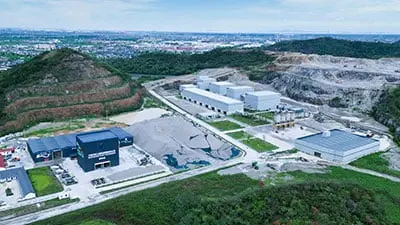
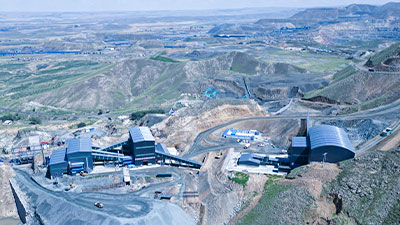
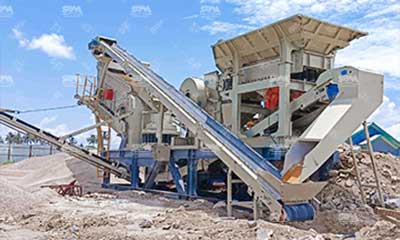
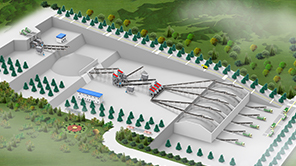
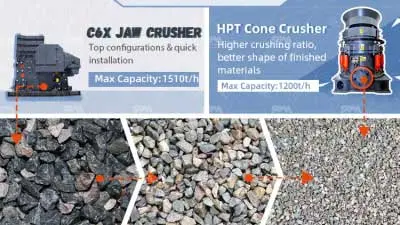
While pea gravel and river rock are simply harvested and washed, high-quality crushed stone requires serious industrial engineering. For commercial quarries and contractors, producing aggregate that meets strict structural codes requires a highly synchronized crushing circuit.
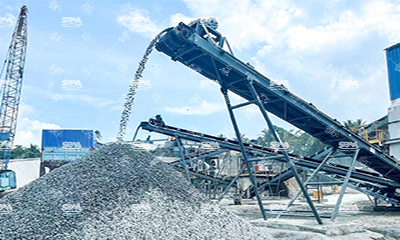
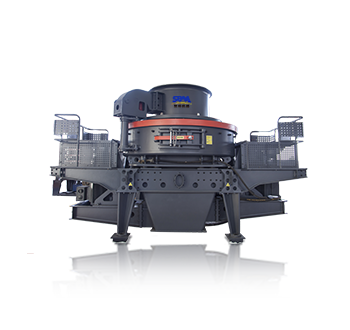
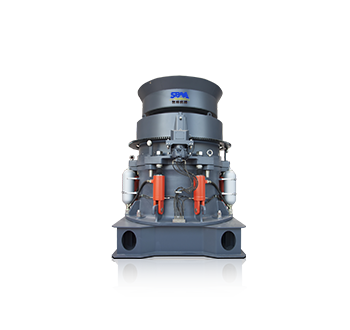
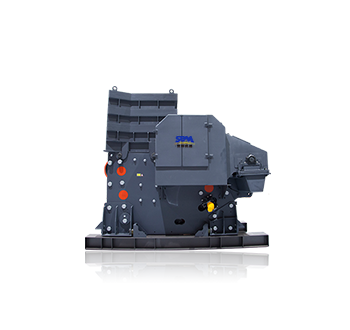
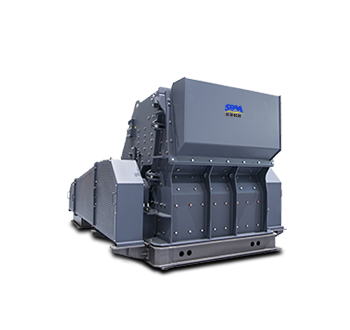
Modern quarries utilize heavy-duty Primary Jaw Crushers to break down massive blasted boulders. For applications requiring strict, cubical shapes (such as high-grade asphalt or concrete), the stone is then passed through a Vertical Shaft Impact (VSI) Crusher. VSI technology uses high-velocity "rock-on-rock" collisions to shear off weak, elongated edges, guaranteeing that every piece of crushed stone has the perfect angularity required to lock together on a job site.
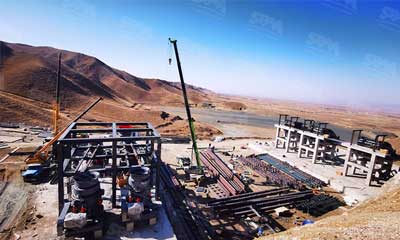
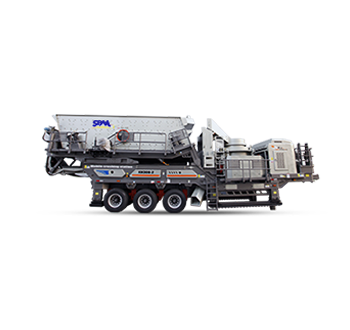
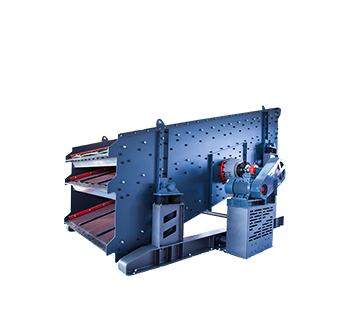
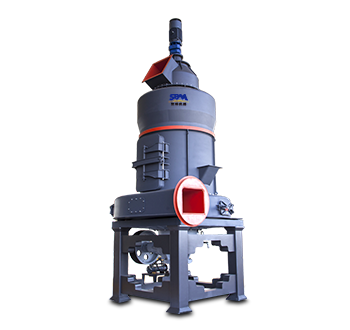
Equipment manufacturers like SBM set the industry benchmark for this process, engineering complete crushing and screening plants that allow quarries to produce precise, spec-compliant crushed stone efficiently. Whether you are laying a simple driveway or a commercial highway, the stability of your project relies entirely on the quality of the crush.
Frequently Asked Questions (FAQs)
Q: Which is cheaper, pea gravel, river rock, or crushed stone?
A: Generally, crushed stone is the most affordable because it is manufactured in mass quantities at local quarries. Pea gravel falls into the mid-price range, while river rock is typically the most expensive. The higher cost of river rock is due to the logistics of harvesting, sorting, and transporting large decorative stones from natural waterways.
Q: Can I use pea gravel for a residential driveway?
A: It is highly discouraged unless you install a rigid, honeycomb-style stabilizing grid underneath it. Because pea gravel is perfectly round, it will never compact. Car tires will sink into it (similar to driving on a sandy beach), creating deep ruts and scattering the stones across your lawn. Always use a dense-graded crushed stone (like crusher run) for driveways.
Q: How do I stop weeds from growing through gravel or river rock?
A: The most effective method is to excavate the topsoil and lay down a heavy-duty, commercial-grade geotextile landscape fabric before pouring your stones. Ensure the fabric overlaps by at least 6 inches at the seams.
Q: How deep should I lay pea gravel for a walkway or patio?
A: For areas with foot traffic, you should lay pea gravel exactly 2 to 3 inches deep. If you lay it shallower than 2 inches, normal walking will quickly expose the landscape fabric underneath. If you lay it deeper than 3 inches, the stones will shift too much, making it feel like you are walking through deep sand.
Q: Will crushed stone wash away in heavy rain?
A: If properly installed and compacted, crushed stone is highly resistant to washing away. Because the jagged edges lock together, it forms a heavy, stable mass. However, if you are dealing with a steep slope or a literal drainage ditch, large 2-inch to 3-inch river rock is the better choice for breaking up heavy water velocity.


 Get Solution
 Send Message