


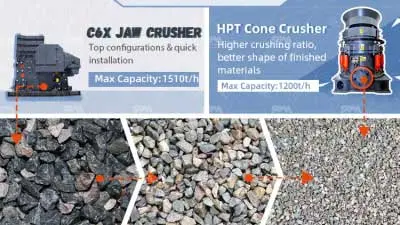


Summary: A stone crusher machine costs between $10,000 and $2,000,000+. Small jaw crushers for lab or pilot projects start around $10,000, while large mobile crushing plants for high-capacity mining exceed $2 million....
A stone crusher machine costs between $10,000 and $2,000,000+. Small jaw crushers for lab or pilot projects start around $10,000, while large mobile crushing plants for high-capacity mining exceed $2 million. For standard commercial aggregate production, stone crushing equipment ranges from $50,000 to $500,000 depending on hourly capacity, machine type, and automation level.
What Key Factors Determine Stone Crusher Machine Price?
Investing in rock processing machinery involves evaluating equipment specifications, engineering complexity, and long-term operational costs.
1. Type of Crusher
Different crusher types serve different purposes, and their prices reflect their design complexity and application.
- Jaw Crushers (Primary Crushing): Offer rugged construction and simple mechanics. Compact units start around $10,000, while heavy-duty primary breakers reach $100,000+.
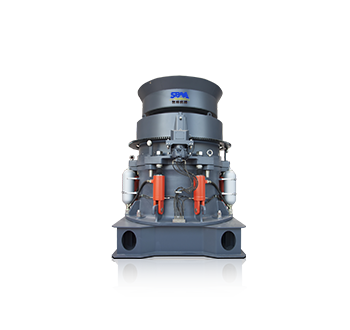
- Cone Crushers (Secondary & Tertiary Crushing): Designed for abrasive hard rock processing. Advanced hydraulic systems place these machines between $50,000 and $500,000+.
- Impact Crushers (Soft Rock & Recycling): Cost ranges from $20,000 for small units to $200,000+ for heavy-duty asphalt and concrete recycling plants.
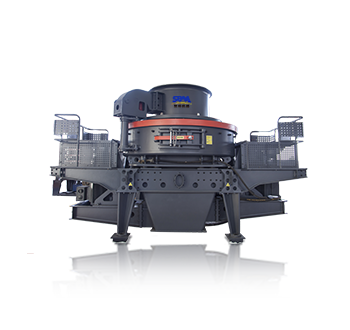
- VSI Crushers (Sand Making & Shaping): Vertical shaft impactors for fine aggregate shaping range from $30,000 to $300,000 based on rotor size.
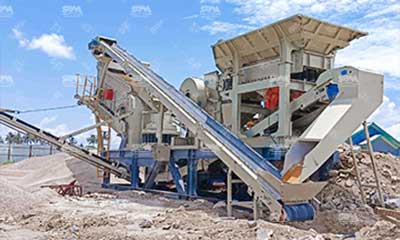
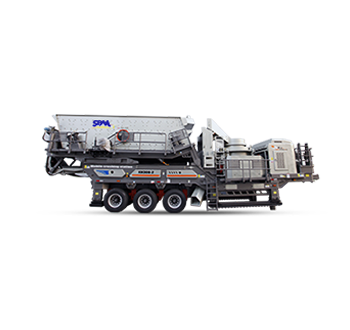
- Mobile Crushing Plants (Track/Wheel Mounted): Integrate feeding, crushing, and screening on one chassis, costing between $150,000 and $2,000,000+.

2. Production Capacity (TPH)
Higher tonnage requires larger feed openings, more powerful motors, and heavier structural steel—all driving up the crusher equipment cost.
- 30–50 TPH (Small-scale) – $15,000 to $80,000
Suitable for pilot projects, small quarries, and low-volume demo sites. - 50–100 TPH (Medium-capacity) – $50,000 to $200,000
Ideal for regional aggregate suppliers and road maintenance crews. - 100–200 TPH (Large commercial) – $100,000 to $500,000
Standard for commercial quarries and highway construction projects. - 200–500+ TPH (Heavy-duty) – $500,000 to $2,000,000+
Required for mega infrastructure, open-pit mining, and high-tonnage industrial plants.
Note: These are equipment-only estimates. Add 15–30% for foundations, conveyors, electrical panels, and installation labor.
3. Technology and Automation
Modern crushers with hydraulic adjustment, PLC controls, and IoT monitoring cost 20–40% more than base models—but they reduce operator error and cut unplanned downtime.
- Hydraulic setting adjustment → Faster chamber clearing and product size changes.
- Remote diagnostics & predictive alerts → Prevents catastrophic failures.
- Energy-optimized motors (IE3/IE4) → Lowers kWh per ton, saving $5,000–$20,000 annually on power bills.
4. Brand and Manufacturer
Established manufacturers with strong research and development, strict quality control, and global support networks typically price their machines at a premium. However, investing in a reputable brand reduces long-term risks related to reliability, spare parts availability, and service support.
5. Material and Build Quality
Crushers built with high-grade steel and wear-resistant components have higher initial costs but offer longer service life and lower maintenance costs. The quality of castings, bearings, and other critical components directly impacts durability and performance.
6. Spare Parts Availability and After-Sales Support
Machines with readily available spare parts and strong local support are more valuable. Manufacturers with regional warehouses and service teams may have higher prices but lower total cost of ownership due to reduced downtime and faster parts delivery.
7. Market Conditions and Location
Final stone crushing equipment pricing varies significantly across regions due to import tariffs, VAT, ocean freight, and exchange rate volatility. Locally manufactured units often undercut imported alternatives by 20–30%, but may lack certain performance certifications. Additionally, local fuel costs, electricity subsidies, and supply chain bottlenecks for raw steel all influence the final landed cost at your site.
What Is Total Cost of Ownership (TCO) in Rock Crushing?
The stone crushing equipment price is only 40–60% of your lifetime expenditure. Consider these ongoing costs:
Operating Expenses (Top 3 Hidden Costs)
- Energy consumption – Compare kWh/ton ratios. A 10% efficiency gain on a 200 TPH plant saves ~$18,000/year at $0.12/kWh.
- Wear parts replacement – Jaw plates, blow bars, and liners vary in lifespan. Cheap castings may need replacement every 500 hours; premium alloys last 1,200+ hours.
- Maintenance labor – Easy-access designs reduce mechanic hours by up to 40%. Factor in specialized tooling and technician training costs.
Downtime & Productivity
A $200,000 crusher that runs 95% of the time outperforms a $150,000 machine with 80% uptime—lost production often exceeds the initial price gap within 6 months.
Resale Value
Reputable brands (like SBM, Sandvik, or Metso) hold value better. If you plan to upgrade in 3–5 years, the net cost after resale can be 30% lower than a no-name alternative.
How to Get the Best Stone Crusher Machine Price
- 1. Define specs precisely – Material hardness (e.g., compressive strength), max feed size, desired output gradation, and hourly tonnage.
- 2. Request at least 3–5 quotes – Compare not just price, but warranty terms, delivery timeline, and included accessories.
- 3. Verify certifications – Demand ISO 9001, CE, or GOST marks. Request factory inspection reports and client references in your region.
- 4. Check spare parts availability – Ask for lead times on critical wear parts. Local stock reduces downtime risk significantly.
- 5. Negotiate value, not just discount – Push for free operator training, extended warranty, or an extra set of wear plates as part of the package.
- 6. Include logistics early – Shipping, customs clearance, and foundation concrete can add 20–30% to the total project cost—get all-inclusive quotes.
- 7. Consider used/refurbished – Well-maintained second-hand units save 30–50% off new, but insist on a third-party inspection and wear-part remaining life report.
What Are the Most Common Buying Mistakes?
- ❌ Choosing the lowest bid – Often leads to thin castings, undersized motors, and zero after-sales support. Total cost of crushing equipment always outweighs the upfront saving.
- ❌ Ignoring local service – A machine with a local engineer on call is worth 15% more than an import with 45-day part delivery.
- ❌ Underestimating site prep – Power supply (kVA), groundwork, and conveyor systems are frequently omitted from budgets—plan for these before signing.
- ❌ Forgetting future scaling – Purchase a crusher with modular upgrade options (e.g., extra crushing chamber) if you anticipate higher output in 2 years.
Invest in Long-Term Value, Not Just the Lowest Price
The cost of a stone crusher is a multi-layered decision. While entry-level jaw crushers start at $10,000 and mobile plants can hit $2M+, the smartest choice balances:
- Upfront budget with energy efficiency and wear-part longevity.
- Brand reliability with local parts availability.
- Current capacity with future expansion flexibility.
By evaluating the total cost of ownership—not just the purchase invoice—you secure a crushing solution that maximizes profitability over its 10–15 year lifecycle.
FAQs About Stone Crusher Machine Pricing
Q1: What is the cheapest stone crusher machine?
A: Small manual jaw crushers designed for laboratory testing start between $10,000 and $15,000. However, these units are not engineered for continuous commercial aggregate production.
Q2: How much does a mobile crushing plant cost?
A: Mobile crushing plants range from $150,000 for compact track-mounted units to over $2,000,000 for large multi-stage systems featuring integrated vibrating screens and heavy conveyors.
Q3: Which type of crushing equipment offers the best cost efficiency?
A: Primary jaw crushers provide the lowest initial capital expenditure. In contrast, hydraulic cone crushers require higher upfront investment but deliver significantly lower long-term operating costs for fine crushing of hard rock.
Q4: What is the average price for a 100 TPH stone crusher?
A: A stationary 100 TPH jaw and cone crusher combination typically costs between $100,000 and $200,000. Leading manufacturers such as SBM provide complete 100 TPH plant setups including feeders, screens, and automated control panels for optimal long-term ROI.
Q5: How can operators lower total cost of ownership?
A: Operators can minimize total cost of ownership by selecting energy-efficient motors, premium high-manganese alloy liners, and automated hydraulic adjustment systems to reduce unscheduled maintenance downtime.
SBM - Premium Quality & Competitive Factory Direct Pricing
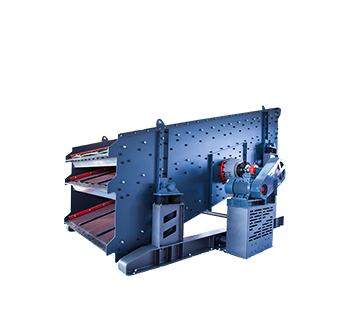
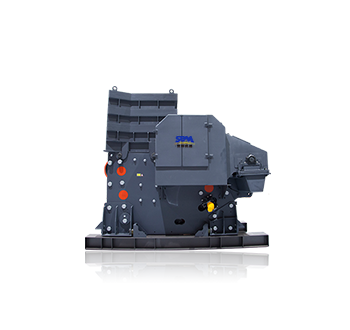
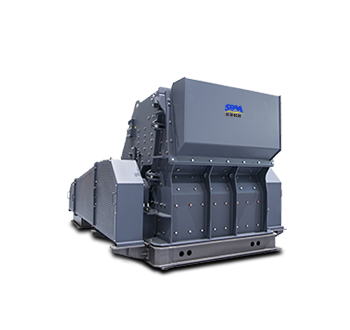
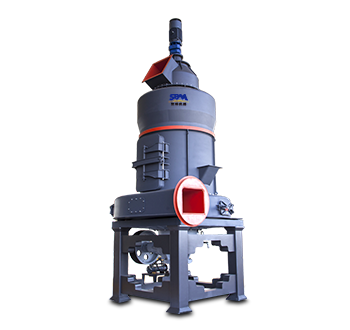
When evaluating stone crusher machine prices against long-term reliability, SBM stands out as a premier global manufacturer delivering high-ROI aggregate and mineral processing solutions. Moving beyond standalone machinery, SBM provides an integrated equipment portfolio spanning primary jaw crushers such as the C6X Series, HST and HPT Series hydraulic cone crushers, VSI sand making and washing systems, mobile crushing plants, industrial grinding mills, and complete mineral beneficiation systems. Backed by factory-direct pricing, smart IoT automation, and total lifecycle EPC support, SBM ensures global producers achieve lower operating costs and maximum profitability in 2026.



 Get Solution
 Send Message