




Summary: The total cost of setting up and operating a small to medium-scale gold cyanidation leaching plant typically ranges from $1 million to $10 million. ...
Gold extraction through cyanidation leaching is a widely used method for extracting gold from low-grade ores or ores that contain gold in a form that is not readily accessible through traditional gravity methods. Cyanidation involves dissolving gold from the ore into a cyanide solution, followed by various processes such as adsorption, desorption, and electrowinning, to recover the precious metal. While cyanidation has proven to be effective in many mining operations, the cost of setting up and operating a cyanidation leaching plant can be significant. The total cost of setting up and operating a small to medium-scale gold cyanidation leaching plant typically ranges from $1 million to $10 million. In this article, we will explore the various factors that contribute to the cost of a gold cyanidation leaching plant, including equipment, infrastructure, chemicals, labor, regulatory compliance, and operational challenges.

1. Introduction to Cyanidation Leaching
Cyanidation leaching is a chemical process that uses cyanide to dissolve gold from ore. It is commonly employed for extracting gold from low-grade ores that are difficult to treat using other methods like gravity separation or flotation. The process works by mixing finely ground ore with a cyanide solution, which forms a gold-cyanide complex. This complex is then separated from the ore and treated further to recover the gold.
The overall efficiency of cyanidation leaching depends on various factors, including the type of ore, particle size, cyanide concentration, pH levels, and temperature. While cyanidation is effective for many types of gold ores, it requires substantial capital investment for the setup and ongoing costs to operate the plant efficiently and safely.
2. Key Components and Equipment for a Cyanidation Leaching Plant
The design and construction of a cyanidation leaching plant require several essential components and equipment, each of which contributes to the overall cost. These components can vary depending on the scale of the operation and the specific needs of the project, but some of the most important include:
a) Crushing and Grinding Equipment
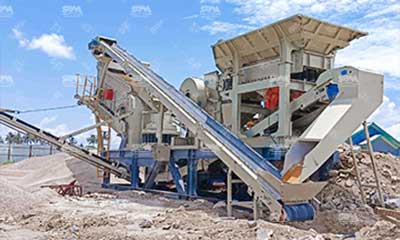
The first step in the cyanidation process involves preparing the ore for leaching by crushing and grinding it into fine particles. This increases the surface area of the ore, which improves the efficiency of the cyanide solution in extracting gold. The crushing and grinding equipment typically includes:
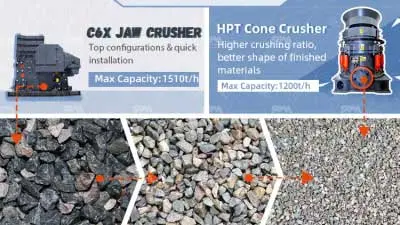
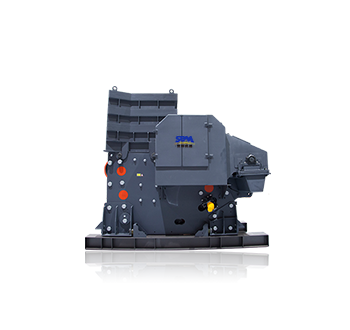
- Jaw Crushers: Used to break down larger ore into smaller pieces.
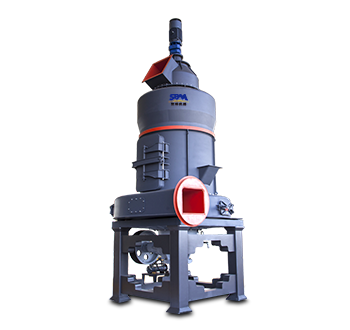
- Ball Mills: Used to grind the ore into fine powder.
- Rod Mills: Often used for harder ores that require finer grinding.
Cost Considerations: Crushing and grinding equipment can be one of the more expensive components of a cyanidation leaching plant, particularly for larger-scale operations. The capital costs for crushers and mills can range from hundreds of thousands to several million dollars, depending on the scale of the operation.
b) Leaching Tanks and Agitation System
Leaching tanks are used to hold the ore and cyanide solution during the leaching process. These tanks are typically equipped with an agitation system to ensure proper mixing of the ore and cyanide solution, allowing the cyanide to dissolve the gold. The tanks must be made of materials that are resistant to the corrosive effects of cyanide.
Cost Considerations: Leaching tanks are relatively expensive to construct and install, as they require durable, corrosion-resistant materials. The cost of leaching tanks can range from $100,000 to $1 million, depending on the size of the plants.
c) Cyanide Mixing and Delivery System
Cyanide is a critical component of the leaching process and its delivery system must be carefully designed to ensure that the cyanide is evenly mixed with the ore and at the correct concentration. This system typically includes cyanide storage tanks, mixing tanks, and pumps to deliver the solution into the leaching tanks.
Cost Considerations: The cost of the cyanide delivery system can vary depending on the scale of the operation, but typically ranges from $50,000 to $500,000.
d) Carbon-in-Pulp (CIP) or Carbon-in-Leach (CIL) System
After the cyanidation leaching process, the gold-cyanide complex is separated from the ore, usually through a process known as Carbon-in-Pulp (CIP) or Carbon-in-Leach (CIL). In these systems, activated carbon is used to adsorb the dissolved gold from the cyanide solution.
- CIP: The cyanide solution is passed through tanks containing activated carbon, which adsorbs the gold.
- CIL: The cyanide solution is mixed with the ore and carbon at the same time in the leaching tanks.
Cost Considerations: The CIP or CIL system is typically one of the more expensive components of a cyanidation plant due to the cost of the activated carbon and the required equipment. The cost for CIP/CIL systems can range from $500,000 to several million dollars, depending on the scale of the operation.
e) Electrowinning and Smelting Equipment
After the gold has been adsorbed onto the carbon, the gold is then desorbed and further processed through electrowinning and smelting to produce Dore bars (semi-pure gold bars). Electrowinning involves using an electric current to reduce gold from the cyanide solution onto a cathode, after which the gold is recovered and smelted.
Cost Considerations: Electrowinning cells and smelting furnaces can cost from $200,000 to $2 million, depending on the size and capacity of the plant.
f) Tailings Management and Disposal
Tailings, or waste materials, are the byproducts of the cyanidation process. Proper management of tailings is essential to minimize environmental impact and ensure compliance with environmental regulations. Tailings storage facilities (TSF) are designed to safely store the leftover material, and in some cases, additional treatment may be required to detoxify the cyanide before disposal.
Cost Considerations: The construction of a tailings storage facility can be a major expense, ranging from $100,000 to several million dollars, depending on the size of the operation and the complexity of the waste management requirements.
3. Operating Costs of a Cyanidation Leaching Plant
In addition to the capital costs associated with setting up the plant, there are numerous ongoing operational costs that must be taken into account. These costs can be broadly categorized into:
a) Labor Costs
A cyanidation leaching plant requires skilled personnel to operate, maintain, and monitor the plant's various components. The workforce typically includes:
- Operators to monitor and control the leaching and recovery process.
- Maintenance technicians to ensure that the equipment is functioning properly.
- Supervisory and managerial staff to oversee the plant's operations.
Cost Considerations: Labor costs can vary depending on the location and the level of expertise required. On average, labor costs for a small-to-medium-scale plant may range from $200,000 to $1 million per year.
b) Chemical Costs
Cyanide is the primary chemical used in the leaching process, and its cost is a major consideration for the operation of the plant. In addition to cyanide, other chemicals such as lime (for pH control) and activated carbon (for the CIP or CIL process) are also required.
Cost Considerations: The cost of cyanide is typically the largest chemical expense in a cyanidation plant. The price of cyanide can range from $1,000 to $2,500 per tonne, depending on market conditions. On average, chemical costs for a small-to-medium-scale operation can range from $500,000 to $5 million per year.
c) Water and Power Costs
Water and electricity are essential for the operation of the cyanidation leaching process. Water is required for the leaching process itself, as well as for cleaning and cooling the equipment. Power is necessary to run the equipment, including crushers, mills, pumps, and electrowinning systems.
Cost Considerations: Water and power costs can vary greatly depending on the location of the plant. For a small-to-medium-scale operation, annual water and power costs may range from $100,000 to $2 million.
d) Maintenance and Spare Parts
The maintenance of equipment is crucial for ensuring the smooth operation of a cyanidation leaching plant. Regular maintenance and the availability of spare parts can help prevent breakdowns and downtime.
Cost Considerations: Maintenance costs can range from $100,000 to $500,000 annually, depending on the size and complexity of the plant.
4. Environmental and Regulatory Costs
Cyanidation leaching involves the use of toxic chemicals, particularly cyanide, which poses environmental and regulatory challenges. To minimize environmental impact and ensure compliance with regulations, additional costs are incurred for:
- Environmental Impact Assessments (EIA): Costs associated with conducting EIAs and obtaining the necessary permits.
- Tailings Management: Construction and maintenance of tailings storage facilities, as well as ongoing monitoring of tailings disposal and potential environmental contamination.
- Cyanide Detoxification: In some jurisdictions, it is required to detoxify cyanide before disposal to mitigate environmental harm.
Cost Considerations: Environmental and regulatory compliance costs can range from $100,000 to several million dollars, depending on the regulatory framework in place and the scale of the operation.
Setting up and operating a gold cyanidation leaching plant involves substantial capital and operational costs. From the initial investment in crushing and grinding equipment to the ongoing expenses for chemicals, labor, power, and environmental compliance, the costs can quickly accumulate. However, with careful planning, efficient operation, and strict adherence to regulatory requirements, a cyanidation leaching plant can be a profitable venture.
While the upfront capital expenditure can be high, the potential for gold recovery makes cyanidation leaching an attractive option for processing low-grade ores. Understanding the cost structure and properly managing the various cost components can help operators optimize their operations, increase profitability, and ensure long-term success in the competitive gold mining industry.


 Get Solution
 Send Message