




Summary: Gold processing plant in West Africa: equipment & cost guide. From oxide ores to CIL plants, learn Capex, Opex, and technology for Ghana, Mali & Burkina Faso....
West Africa has emerged as one of the world's fastest-growing gold-producing regions, with countries like Ghana, Mali, Burkina Faso, and Côte d'Ivoire hosting world-class deposits and attracting major international investment. From the prolific Birimian greenstone belt to extensive alluvial fields, the region's geological endowment is exceptional.
However, turning gold reserves into profitable operations requires more than just a rich ore body. Success depends on selecting the right processing technology, designing a flowsheet that matches your specific ore characteristics, and accurately budgeting capital expenditure. Here is a comprehensive professional guide on gold processing plants in West Africa, covering equipment selection and cost considerations.

Understanding West African Gold Ore Types
The first and most critical step in designing a gold processing plant is understanding the ore you will be processing. West African gold deposits typically fall into four main categories, each requiring different processing approaches.
1. Oxide Gold Ores
Oxide ores have undergone extensive weathering, which breaks down sulfide minerals and liberates gold particles. These ores are typically the simplest and most cost-effective to process. Gold in oxide ores is often free-milling or occurs in tiny, disseminated particles. Oxide deposits are particularly common in Ghana, where they form the basis for many large-scale commercial operations.
Processing Approach: Oxide ores respond well to straightforward cyanide leaching, often with a gravity pre-concentration stage for coarse gold recovery. No flotation is required, significantly reducing capital and operating costs.
2. Sulfide Gold Ores
In sulfide ores, gold is locked within minerals like pyrite or arsenopyrite. These refractory ores require more intensive processing to liberate the gold. The gold particles are typically fine and may be chemically bound to the host mineral.
Processing Approach: Sulfide ores require grinding to finer sizes, often followed by flotation to produce a gold-bearing sulfide concentrate. This concentrate may then be leached, or in more refractory cases, may require oxidation pre-treatment such as roasting or pressure oxidation.
3. Transitional Ores
Transitional ores represent a blend of oxide and sulfide characteristics. These ores are common in West African deposits where weathering profiles vary with depth. The variable nature of transitional ores requires flexible plant designs that can handle changing feed characteristics.
Processing Approach: A combination circuit incorporating both gravity/flotation and leaching capabilities provides the flexibility needed to maintain recovery as ore types change.
4. Alluvial Gold Deposits
Beyond hard rock mining, West Africa has significant alluvial gold deposits, particularly in Mali and other countries with extensive river systems. These deposits consist of weathered, transported material where gold has been concentrated by natural water action. Alluvial material often contains sticky clay, which presents unique processing challenges.
Processing Approach: Alluvial gold processing relies on washing, scrubbing, and gravity separation rather than chemical leaching. The equipment configuration differs significantly from hard rock plants.
Gold Processing Technologies for West Africa
The Carbon-in-Leach (CIL) Advantage
For most medium to large-scale hard rock operations in West Africa, the Carbon-in-Leach (CIL) process has become the industry standard. CIL combines leaching and adsorption in the same tanks, offering several advantages for regional conditions:
- High Recovery Rates: CIL plants typically achieve 90–95% gold recovery, even from low-grade ores (1–5 g/t)
- Ore Variability Tolerance: The process handles changes in ore mineralogy better than simpler alternatives
- Proven Technology: CIL is well-understood and can be scaled from small 500 tpd plants to major 5,000+ tpd operations
- Automation-Friendly: Continuous flow allows for high levels of automation, reducing on-site expertise requirements
The Essakane mine in Burkina Faso, one of West Africa's largest gold operations, successfully uses CIL technology to process complex, variable ores.
Gravity Concentration
Gravity separation plays an important role in many West African gold plants, particularly for recovering coarse free gold before leaching. Equipment options include:
- Centrifugal Concentrators: Ideal for recovering fine and coarse gold in free-milling circuits
- Jigs: Effective for alluvial operations and coarse gold recovery
- Shaking Tables: Used for final concentrate upgrading
Adding a gravity circuit early in the process can recover a significant portion of the gold quickly, reducing the load on downstream leaching and improving overall recovery.
Flotation
For sulfide and refractory ores, flotation is essential. Flotation cells use chemical reagents and air bubbles to float sulfide minerals (containing gold) to the surface, producing a high-grade concentrate. This concentrate can be sold directly or further processed through leaching. Flotation is critical for the complex ores found in many West African deposits.
Core Equipment for Gold Processing Plants
A. Crushing Equipment
The crushing circuit prepares run-of-mine ore for grinding. For West African operations, equipment must be robust enough to handle variable feed sizes and hard rock conditions.
| Equipment | Application | Key Considerations |
|---|---|---|
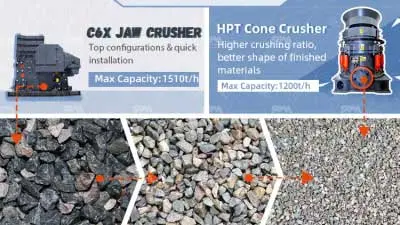
| Jaw Crusher | Primary crushing | Massive feed openings (up to 1200mm); non-welded bolted frame construction for durability in high-vibration environments |
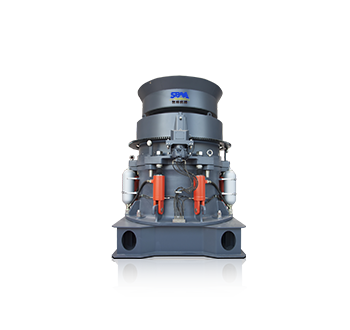
| Cone Crusher | Secondary/tertiary crushing | Multi-cylinder hydraulic design for hard rock; laminated crushing principle produces cubical product |
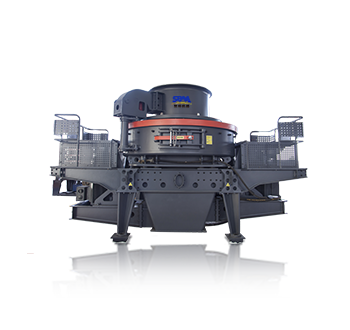
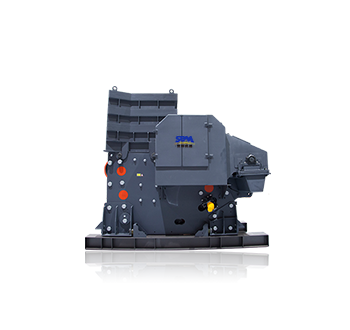
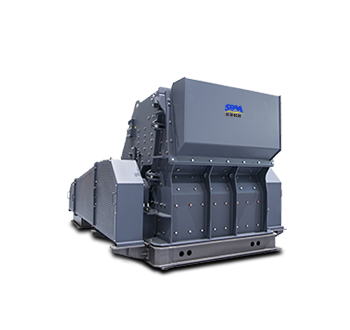
| Impact Crusher | Softer materials or recycling | Higher reduction ratio but higher wear costs for hard rock |
B. Grinding Equipment
Grinding is the most energy-intensive stage of gold processing. Selecting efficient equipment directly impacts operating costs.
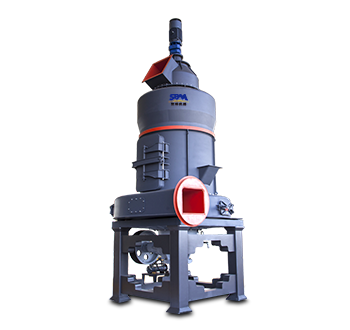
- Ball Mills: The workhorse of gold grinding circuits. Operate in closed circuit with hydrocyclones to achieve target grind size (typically 80% passing 200 mesh or 75μm). Look for energy-saving bearing designs and custom-engineered alloy liners (Mn13 or Chrome-Moly).
- SAG Mills (Semi-Autogenous Grinding): Used in larger plants (3 Mtpa+) to combine crushing and grinding stages. The Houndé mine in Burkina Faso operates at 3 Mtpa using a SAG mill configuration.
- High-Pressure Grinding Rolls (HPGR): Emerging technology offering up to 15% energy reduction compared to traditional grinding. No grinding media required, reducing operating costs.
C. Classification Equipment
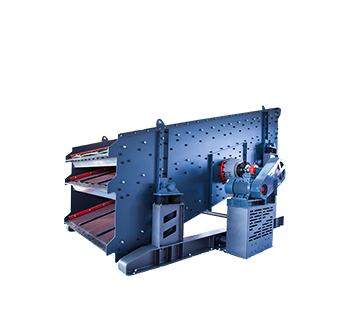
- Vibrating Screens: Used for sizing in crushing circuits and for final product classification. High-frequency screens with polyurethane decks offer long wear life in abrasive conditions.
- Hydrocyclones: The standard for closed-circuit grinding classification. A 20-way cluster of Cavex 500 CVX hydrocyclones, manufactured for a West African gold project, demonstrates the scale of modern classification systems. These units feature replaceable rubber linings and are engineered for 20+ year lifespans.
D. Leaching and Adsorption Equipment
- Leaching Tanks: A series of 6–8 agitated tanks where cyanide solution dissolves gold from the ore. Tank design must ensure proper mixing to prevent carbon settling.
- Carbon-in-Leach (CIL) System: Activated carbon is added to the tanks to adsorb dissolved gold simultaneously with leaching. This integrated approach streamlines the process and improves recovery.
- Carbon Handling Equipment: Includes carbon screens for separating carbon from pulp, and regeneration kilns for reactivating carbon for reuse.
E. Elution and Electrowinning
After gold-loaded carbon is separated from the leach circuit, it goes through:
- Elution Column: Strips gold from carbon using hot caustic cyanide solution
- Electrowinning Cells: Recovers gold from solution onto steel wool cathodes
- Smelting Furnace: Converts gold sludge to doré bars
F. Tailings Management
West African environmental regulations require proper tailings disposal. Options include:
- Tailings Storage Facility (TSF): Engineered impoundment for conventional slurry tailings. The Sanankoro project in Mali budgeted $20.7 million for its initial TSF phase.
- Dry Stacking: Dewatering tailings for dry storage, reducing water consumption and environmental risk.
- Water Management Systems: Pumps, evaporators, and recycling systems to manage water balances. Some Ghanaian operations use mechanical evaporators to control tailings dam levels.
Gold Processing Plant Costs in West Africa
The cost of a gold processing plant in West Africa is influenced by more than just the price of steel.
Capital Expenditure (CAPEX)
A standard 500-1,000 TPD (Tons Per Day) CIL plant can range from $5M to $15M USD, depending on:
- Infrastructure: In remote West African sites, you must budget for "The Big Three": Power (Diesel or Solar-Hybrid), Water sourcing, and Security.
- Logistics: Shipping equipment to ports like Tema (Ghana) or Abidjan (Côte d'Ivoire) followed by long-haul inland transport can add 10-15% to the equipment cost.
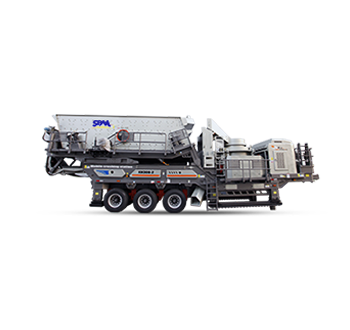
- Modular vs. Fixed: Modular plants are increasingly popular in West Africa as they allow for rapid deployment and can be relocated once a small deposit is exhausted.
Operating Expenditure (OPEX)
Typical operating costs in the region range from $25 to $45 per ton processed.
- Reagents: Cyanide and lime are the largest chemical expenses. Local supply chain reliability is key.
- Power: Energy usually accounts for 30-40% of OPEX. Switching to high-efficiency crushers like the HST Single Cylinder Cone Crusher can significantly reduce this burden.
- Wear Parts: West African ores can be highly abrasive. Using premium manganese liners for your jaw and cone crushers is essential to prevent frequent, costly shutdowns.
West Africa offers tremendous opportunities for gold mining investment, with world-class deposits, established infrastructure in key mining hubs, and a mature service sector. However, success requires careful planning, appropriate technology selection, and realistic cost assessment.
The Carbon-in-Leach (CIL) process has proven its reliability across the region, from Ghana to Burkina Faso to Mali, achieving consistent 90–95% recoveries even from complex ores. For alluvial operations, customized washing and gravity plants can deliver strong results when properly engineered for local conditions.
Capital costs vary widely based on scale and complexity, from $3–15 million for medium-scale plants (100–500 tpd) to over $100 million for major mines. Operating costs typically range from $22–50 per ton processed, with all-in sustaining costs around $1,000–1,050 per ounce for well-run operations.
The most critical success factor is choosing a strategic partner with deep experience in West Africa. At SBM, we combine robust gold mining equipment with flowsheet designs tailored to your specific mineralogy, helping you maximize recovery and control OPEX.


 Get Solution
 Send Message