





Summary: This article provides a comprehensive overview of iron ore beneficiation plants, covering the ore characteristics, beneficiation methods, process flow, equipment involved, and environmental considerations....
Iron ore beneficiation is a critical process in the mining and metallurgical industries, aimed at improving the quality of iron ore by removing impurities and increasing the iron content. The beneficiation process transforms the raw iron ore into a concentrate suitable for use in steelmaking and other industrial applications. With the growing demand for high-grade iron ore and the depletion of rich ore deposits, beneficiation plants have become indispensable for efficient resource utilization and sustainable mining operations.
This article provides a comprehensive overview of iron ore beneficiation plant, covering the ore characteristics, beneficiation methods, process flow, equipment involved, and environmental considerations.

Characteristics of Iron Ore
Iron ores are rocks and minerals from which metallic iron can be economically extracted. The most common types of iron ore are:
- Hematite: High-grade ore containing about 70% iron.
- Magnetite: Contains about 72% iron and is magnetic.
- Limonite: Contains 55-60% iron.
- Siderite: Contains about 48% iron.
The quality of iron ore is primarily determined by its iron content and the presence of impurities such as silica, alumina, phosphorus, sulfur, and other gangue minerals. Beneficiation aims to increase iron content and reduce impurities.
Advantages of Iron Ore Beneficiation
- Increase iron content: To produce high-grade concentrate suitable for steel production.
- Remove impurities: Reduce silica, alumina, phosphorus, sulfur, and other unwanted materials.
- Improve physical properties: Enhance particle size and shape for better handling and processing.
- Optimize downstream processes: Facilitate efficient pelletizing, sintering, and smelting.
Iron Ore Beneficiation Process
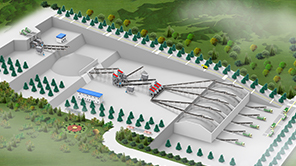
The iron ore beneficiation process typically involves several stages: Crushing → Grinding → Classification → Concentration → Dewatering → Pelletizing or Sintering
1. Iron Ore Crushing
The initial stage in iron ore beneficiation is crushing and grinding, which reduces the size of the raw iron ore to liberate iron-bearing minerals from the surrounding gangue material.

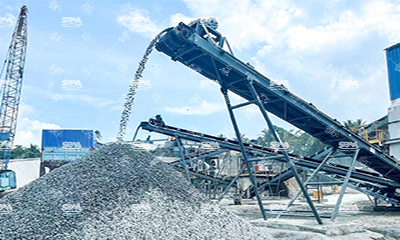
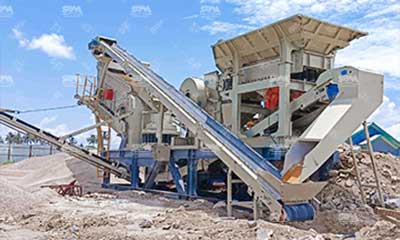
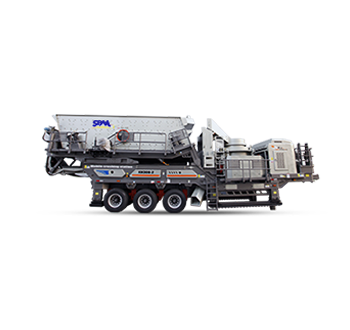
Primary Crushing: Iron ore is transported via trucks or conveyors from the mining site to the beneficiation plant. Proper feeding ensures consistent throughput. Large iron ore lumps are reduced in size by jaw or gyratory crushers to approximately 150 mm, facilitating handling and further processing.
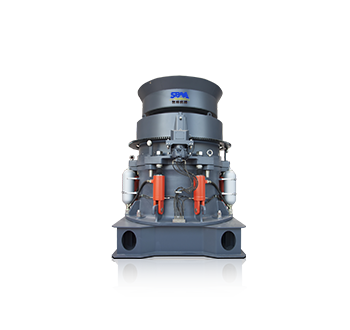
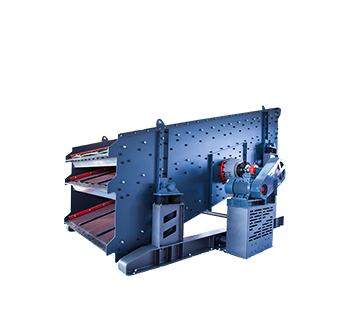
Secondary Crushing: Further size reduction to around 20-50 mm is achieved by cone crushers. Vibrating screens separate iron ore particles by size, directing material to grinding or other processes.
2. Grinding
After crushing, grinding mills (such as ball mills or rod mills) further reduce the iron ore particle size to a fine powder, usually targeting 80% passing 200 mesh (around 75 microns). This fine grinding ensures that iron minerals in the iron ore are sufficiently liberated from the gangue for subsequent separation.
Efficient crushing and grinding of iron ore are vital because overgrinding can produce excessive fines, complicating downstream processes and increasing energy consumption.

3. Screening and Classification
Following size reduction, the iron ore mixture undergoes screening and classification to separate particles based on size and density.
- Screening: Mechanical screens or vibrating screens segregate coarse particles from fines in the iron ore feed. This step ensures that only appropriately sized iron ore material proceeds to the next stage, improving processing efficiency.
- Classification: Hydrocyclones or spiral classifiers separate iron ore particles by density and size in slurry form. This classification helps in directing different size fractions to suitable beneficiation processes.
Proper screening and classification optimize the feed for iron ore concentration processes, improving recovery rates and product quality.

4. Concentration of Iron Ore
Concentration is the core beneficiation stage where valuable iron minerals are separated from the waste gangue in the iron ore.
- Gravity Separation: Utilizes differences in specific gravity between iron minerals and gangue within the iron ore.
- Magnetic Separation: Employs magnetic fields to isolate magnetic iron minerals in the iron ore.
- Flotation: Uses chemical reagents and air bubbles to separate hydrophobic iron minerals from hydrophilic gangue in fine iron ore particles.
The choice of concentration technique depends on the iron ore type, particle size, and mineralogy.

5. Dewatering
After concentration, the resulting iron ore concentrate contains a significant amount of water, which must be removed to facilitate handling, transportation, and further processing.
- Thickening: Gravity thickeners concentrate the iron ore slurry by settling solids, reducing water content.
- Filtration: Vacuum or pressure filters further reduce moisture in the iron ore concentrate to acceptable levels, often below 10%.
Effective dewatering of iron ore concentrate reduces drying costs and prevents material degradation during storage and transport.
6. Pelletizing or Sintering
The final stage prepares the iron ore concentrate for use in steelmaking.
- Pelletizing: Fine iron ore concentrate is agglomerated into spherical pellets using binders like bentonite. Iron ore pellets have uniform size, improved strength, and permeability, making them ideal for blast furnace feed.
- Sintering: Iron ore concentrate is mixed with fluxes and coke fines and then heated to produce sinter, a porous agglomerate suitable for blast furnace use.
These processes enhance metallurgical performance and improve furnace efficiency.
Common Iron Ore Beneficiation Techniques
1. Gravity Separation
Gravity separation exploits the difference in density between iron minerals and gangue particles within the iron ore to achieve separation.
Principle: Heavier iron minerals (magnetite, hematite) in the iron ore settle faster than lighter gangue particles when subjected to gravity forces in a fluid medium.
Equipment:
- Jigs: Use pulsating water currents to stratify iron ore particles by density. Shaking Tables: Employ shaking motions and water flow to separate iron ore particles based on specific gravity.
- Spiral Concentrators: Utilize gravity and centrifugal forces in a spiral trough to separate iron ore minerals.
- Applications: Effective for coarse iron ore particles and ores with significant density contrast, such as magnetite and hematite with coarse liberation. Gravity separation is often used as a preliminary step in iron ore beneficiation before magnetic or flotation processing.
2. Magnetic Separation
Magnetic separation is widely used for magnetite iron ore beneficiation and, to a lesser extent, for hematite iron ore.
Principle: Magnetic separators apply magnetic fields to attract magnetic iron minerals in the iron ore, separating them from non-magnetic gangue.
Types of Magnetic Separators:
- Low-Intensity Magnetic Separators (LIMS): Suitable for strongly magnetic magnetite iron ore. High-Intensity Magnetic Separators (HIMS): Used for weakly magnetic iron ore minerals like hematite and fine particles.
- Wet and Dry Magnetic Separators: Wet separators process iron ore slurry, improving separation efficiency; dry separators handle dry iron ore materials.
- Applications: Magnetite iron ore beneficiation plants extensively use magnetic separation to achieve high-grade iron ore concentrate. It is also used after grinding to recover iron minerals from iron ore.
3. Flotation of Iron Ore
Flotation is a chemical beneficiation technique used primarily for fine iron ore particles and ores where magnetic separation is ineffective.
Principle: In flotation, reagents such as collectors and frothers are added to an iron ore slurry. Hydrophobic iron ore minerals attach to air bubbles and rise to the surface, forming a froth layer that is skimmed off, while hydrophilic gangue sinks.
Equipment:
- Mechanical Flotation Cells: Provide agitation and aeration to promote bubble-particle attachment in iron ore slurry.
- Column Flotation Cells: Offer higher recovery and selectivity with lower energy consumption in iron ore flotation.
- Applications: Flotation is particularly useful for hematite and siderite iron ore with fine particle sizes and high silica content. It enables the removal of silica and alumina impurities, improving iron ore concentrate quality.
4. Crushing and Grinding
Efficient crushing and grinding of iron ore are prerequisites for successful beneficiation.
Crushing Equipment:
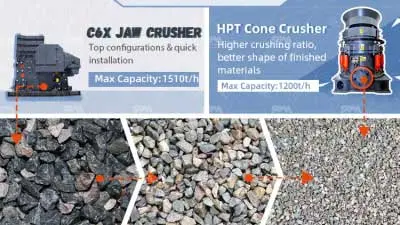
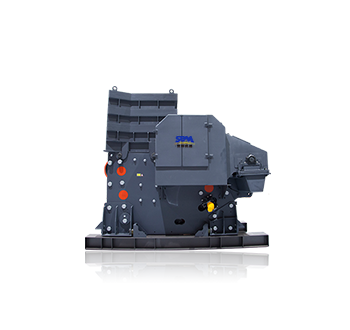
- Jaw Crushers: Primary crushers that handle large lumps of iron ore.
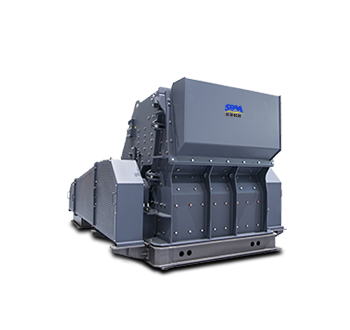
- Cone Crushers: Secondary crushers for finer reduction of iron ore.
- Gyratory Crushers: Used in large-scale iron ore operations for primary crushing.
Grinding Equipment:
- Ball Mills: Cylindrical mills with grinding media that reduce iron ore to fine powder.
- Rod Mills: Use rods as grinding media, suitable for coarser grinding of iron ore.
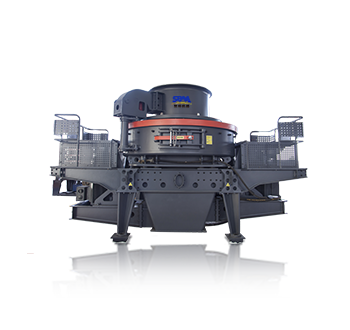
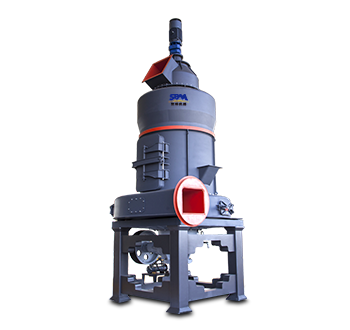
- Vertical Roller Mills: Energy-efficient mills used in some modern iron ore plants.
Key Considerations:
- Avoiding overgrinding of iron ore to minimize production of ultrafine particles, which complicate separation.
- Maintaining optimal grind size to maximize liberation and recovery of iron ore minerals.
Environmental Considerations
Iron ore beneficiation plants must address environmental impacts:
- Tailings Management: Safe disposal and potential reuse of tailings.
- Water Usage: Recycling and treatment of process water.
- Dust Control: Minimizing dust emissions during crushing and handling.
- Energy Efficiency: Optimizing equipment and processes to reduce energy consumption.
Recent Advances and Trends
- Automation and Control: Use of sensors, AI, and machine learning to optimize processes.
- Dry Beneficiation: Reducing water usage by employing dry magnetic or electrostatic separation.
- Waste Valorization: Utilizing tailings for construction materials or other applications.
- Energy-efficient Grinding: High-pressure grinding rolls (HPGR) and stirred mills.
Iron ore beneficiation is a complex, multi-stage process involving crushing, grinding, classification, concentration, dewatering, and agglomeration. Each stage requires specialized equipment and techniques tailored to the ore’s mineralogy and physical characteristics. Advances in beneficiation technology continue to improve recovery rates, product quality, and environmental sustainability, ensuring the efficient use of iron ore resources to meet global steel demand.


 Get Solution
 Send Message