




Summary: Stationary or mobile crushing plant? This guide compares 10 key factors: cost, space, mobility, foundation, installation, capacity, and more....
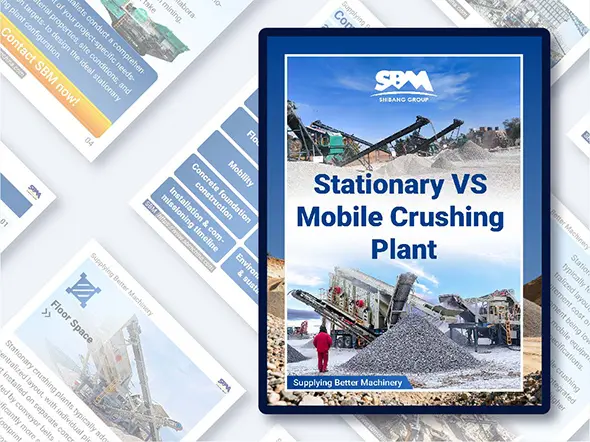
Stationary VS Mobile Crushing Plant Handbook
Choosing between a stationary and a mobile crushing plant is one of the most consequential decisions you will make for your quarry or mining project. It impacts your capital investment, operational flexibility, production capacity, and long-term profitability. The right choice aligns perfectly with your project's unique scope, material, and timeline.
To help you make the right decision, we have created a comprehensive "Stationary VS Mobile Crushing Plant" e-book that breaks down the differences between these two configurations in clear, practical terms.
Download the Full EbookThis free guide compares stationary and mobile crushing plants across ten critical aspects:
- 1. Equipment Investment – How does the upfront cost compare between stationary and mobile plants?
- 2. Floor Space – Do you have enough room for a stationary layout, or do you need the compact footprint of a mobile unit?
- 3. Mobility – Are you working on one site for years, or relocating frequently?
- 4. Concrete Foundation Construction – Mobile plants need almost none. Stationary plants require substantial foundations.
- 5. Installation & Commissioning Timeline – Mobile plants can be operational in hours or days. Stationary installations take weeks or months.
- 6. Configuration Customization – Which system offers more flexibility to meet your specific crushing requirements?
- 7. Production Capacity – Stationary plants typically handle higher capacities. Mobile plants are better suited to moderate volumes.
- 8. Long-term Maintenance & Management – How do maintenance needs and costs compare over time?
- 9. Depreciation & Residual Value – Which system holds its value better when the project ends?
- 10. Environmental Impact & Sustainability – Which system has a lower environmental footprint on your site?
Below, we break down these ten critical factors to consider, drawing on industry best practices and equipment data.
1. Equipment Investment: Upfront Cost vs. Integrated Value
Stationary Crushing Plants
Typically feature a flat, decentralized layout. The procurement cost of individual equipment is lower compared to mobile equipment of the same specifications. You pay for each component separately—crusher, screen, feeder, conveyors—and install them individually.
Mobile Crushing Plants
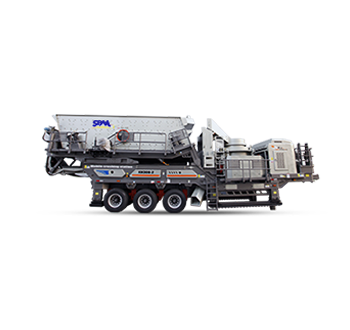
Have a higher unit equipment price due to their integrated, all-in-one design. You are paying for the engineering that combines feeding, crushing, screening, and conveying onto a single chassis. This higher upfront cost often translates to faster deployment and reduced site preparation expenses.
Key takeaway: If you have a lower initial budget but can invest time in installation, stationary may be more attractive. If you need rapid deployment and are willing to pay for integration, mobile is the way to go.

2. Floor Space: Compact Integration vs. Expansive Layout
Stationary Crushing Plants
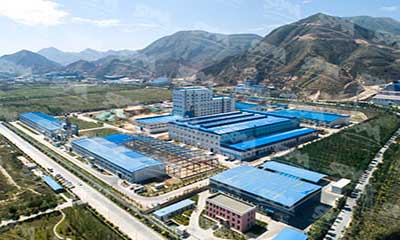
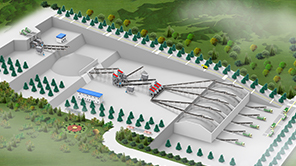
Require significantly more space, often 2-3 times the footprint of a mobile plant with equivalent capacity. Equipment is installed on separate foundations and connected by long conveyor belts. This layout demands a large, flat area and careful planning for material flow.
Mobile Crushing Plants
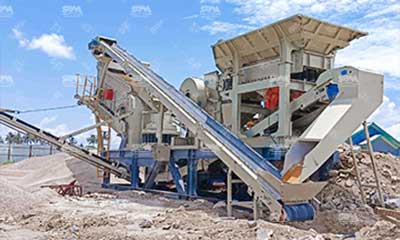
Feature a compact, streamlined design that integrates all key components—feeder, crusher, screen, and conveyors—onto one frame, saving valuable space on-site. This is particularly valuable in urban demolition sites or operations with limited available land.
Key takeaway: If space is at a premium—such as in urban redevelopment projects—mobile plants offer a clear advantage. If you have ample space and a permanent site, stationary plants can utilize the area efficiently.
3. Mobility: Fixed Location vs. Site-to-Site Flexibility
Stationary Crushing Plants
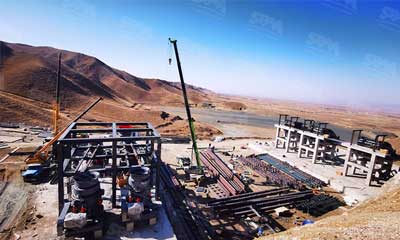
Are permanently installed on concrete foundations. Relocation is time-consuming and expensive, often requiring complete dismantling. Materials must be hauled to the plant, increasing operational costs. Once installed, they are there for the long haul.
Mobile Crushing Plants
Equipped with crawler or wheeled walking devices, they can be easily relocated across project sites. This significantly reduces the need for material haulage and allows you to "follow the work." A mobile plant can be operational at a new site within days.
Key takeaway: If your work spans multiple sites or you expect to move within a few years, mobile is the clear winner. If you are committed to a single site for a decade or more, stationary is the better investment.
4. Concrete Foundation Construction: Major Civil Works vs. Immediate Production
Stationary Crushing Plants
Require a stable, substantial concrete foundation. For a 200 t/h plant, this can involve over 260 cubic meters of concrete, costing tens of thousands of dollars and extending the project timeline. Foundations also require curing time before equipment installation.
Mobile Crushing Plants
Eliminate the need for concrete foundations. Once the chassis is leveled, production can begin almost immediately, saving significant time and costs. This is one of the biggest advantages for fast-track projects.
Key takeaway: If you want to start production quickly and avoid civil works, mobile plants are the obvious choice. If you have the time and budget for foundations, stationary plants offer a more stable base.
Download the Full E-book – See real foundation cost comparisons for 200 t/h and 300 t/h plants.
5. Installation & Commissioning Timeline: Months vs. Weeks (or Days)
Stationary Crushing Plants
Installation is a complex process involving multiple pieces of auxiliary equipment. A typical 200 t/h plant can take around 2 months to construct and commission. This timeline can extend further if additional crushing stages or specialized equipment are required.
Mobile Crushing Plants
Are fully integrated and pre-wired at the factory. Installation is significantly shorter, often completed in just 2 weeks. When relocating, they can be reassembled and operational within 48 hours.
Key takeaway: If speed to production is critical—for example, meeting a tight construction deadline—mobile plants offer an unmatched advantage. If you can afford a longer startup time, stationary plants are viable.

6. Configuration Customization: Unlimited Flexibility vs. Standard Options
Stationary Crushing Plants
Offer extensive customization. You can select from a wide range of crushers (jaw, gyratory, cone, impact), screens, and washers to build a system tailored to specific production needs and capable of high output. This flexibility allows you to optimize for specific material types and product specifications.
Mobile Crushing Plants
Provide multiple standard configurations but offer less flexibility for customizing the crushing process or adjusting production capacity. While you can choose from different crusher types, the range is more limited than stationary setups.
Key takeaway: If your operation requires a complex, multi-stage process or handles unusual materials, stationary plants provide the customization needed. If a standard configuration meets your needs, mobile plants are sufficient.
7. Production Capacity: High-Volume Power vs. Moderate Throughput
Stationary Crushing Plants
Are built for exceptional efficiency and large-scale processing. Capacity can reach over 3000 tons per hour, making them ideal for high-volume, continuous operations. Multiple crushers can be staged to achieve the desired reduction and product quality.
Mobile Crushing Plants
Have lower capacities due to their smaller, lighter construction. The typical range is 100 to 500 tons per hour, which may require multiple units for larger mining operations.
Key takeaway: If you are processing high volumes continuously, stationary plants are the only practical choice. For moderate volumes or operations with variable demand, mobile plants offer adequate capacity.

8. Long-term Maintenance & Management: Durability vs. Accessibility
Stationary Crushing Plants
Built with heavy-duty components, they can withstand demanding applications and offer a long equipment lifespan with proper maintenance, maximizing ROI. Maintenance is planned and scheduled around production shifts.
Mobile Crushing Plants
Maintenance is often more straightforward, focusing on the key equipment mounted on the chassis. This avoids the complexities associated with foundation-related repairs. However, mobile units may require more frequent servicing due to the wear and tear of movement.
Key takeaway: If you have a dedicated maintenance team and prefer planned downtime, stationary plants are suitable. If you value ease of access and quick repairs, mobile plants are advantageous.
9. Depreciation & Residual Value: Erosion vs. Reusability
Stationary Crushing Plants
Once a project is complete, only the main equipment retains value. The concrete foundation has no residual value and adds to demolition costs, diminishing overall ROI. Dismantling and restoring the site require additional investment.
Mobile Crushing Plants
Can be easily relocated to a new site, significantly enhancing asset utilization. They command higher acceptance in secondary markets and offer stronger residual value recovery. Modular design allows upgrades by simply replacing the main crushing unit.
Key takeaway: If you want to preserve asset value and have the ability to redeploy equipment, mobile plants are the better investment. If you are committed to a single site long-term, stationary plants are acceptable.
Download the Full E-book – See depreciation calculations and residual value comparisons.
10. Environmental Impact & Sustainability: Disruption vs. Restoration
Stationary Crushing Plants
Require blasting or mechanical demolition of foundations at the end of their life, generating significant construction waste. The environmental impact extends beyond the operational phase.
Mobile Crushing Plants
Do not require concrete foundations. Once relocated, the site can be restored simply by covering it with soil, minimizing long-term environmental impact. This aligns with sustainable construction practices and reduces site restoration costs.
Key takeaway: If environmental stewardship and site restoration are priorities, mobile plants offer a clear advantage. If the site will be permanently occupied by the plant, the environmental difference is less significant.
Making Your Decision: When to Choose Which
Choosing between stationary and mobile is not about which is "better," but which is right for your specific project.
✅Consider choosing a Mobile Crushing Plant if:
- Your project requires frequent relocation across dispersed sites
- You are working on urban demolition/redevelopment with space constraints
- It's a short-term project demanding rapid production
- You have a limited budget and moderate production scales
✅Consider choosing a Stationary Crushing Plant if:
- You have a large-scale project in a quarry or long-term mine site
- You have a permanent site available for long-term utilization
- Your project requires strict control of aggregate shape and quality
- You have sufficient capital to pursue long-term ROI
Ready to Make the Right Choice?
This overview covers the key factors, but every project is unique. For a deeper dive into each aspect with detailed data, real-world cost comparisons, and specific equipment recommendations, download the complete "Stationary VS Mobile Crushing Plant" e-book.
What You Get in the Full E-book:
- Detailed cost comparison tables (equipment, foundations, installation)
- Capacity and configuration guides for both plant types
- Real project case studies
- Maintenance and ROI analysis
- Expert recommendations for your specific application
The e-book provides comprehensive, data-driven insights to help you make a confident decision for your next crushing project.


 Get Solution
 Send Message