






Summary: Copper is one of the most versatile metals. Explore its 10 primary uses across electrical wiring, construction, transportation, and industrial machinery....
From the smartphone in your pocket to the plumbing in your home, copper is one of the most vital materials in modern society. Known for its distinct reddish-brown color, this highly versatile metal has been utilized by humans for over 10,000 years.
But why is copper so widely used today? The answer lies in its unique physical properties. Copper is highly ductile, malleable, exceptionally resistant to corrosion, and boasts some of the highest thermal and electrical conductivity of any non-precious metal.
Whether you are studying industrial materials or looking to understand global commodities, understanding the uses of copper is essential. Here are the top 10 most important applications of copper in the modern world.

Part I: The Unique Properties of Copper
Before examining its applications, it is worth understanding why copper is so widely used across diverse industries.
| Property | Characteristic | Advantage |
|---|---|---|
| Electrical Conductivity | Second only to silver (59.6×10⁶ S/m) | Ideal for electrical wiring and components |
| Thermal Conductivity | Excellent (401 W/m·K) | Perfect for heat exchangers and cooling |
| Corrosion Resistance | Forms protective patina | Long service life in harsh environments |
| Antimicrobial | Kills 99.9% of bacteria within hours | Critical for healthcare applications |
| Ductility | Can be drawn into thin wires | Easy to fabricate into complex shapes |
| Recyclability | 100% recyclable without degradation | Sustainable and circular economy friendly |
Part II: 10 Common Uses of Copper
1. Electrical Wiring and Power Distribution
When people think of the primary uses of copper, electrical wiring is usually the first thing that comes to mind. Copper accounts for nearly 60% of all electrical applications worldwide. Because it is an incredibly efficient conductor of electricity—second only to silver—it is the global standard for power generation, transmission, and distribution. From the thick underground cables that power cities to the delicate wiring inside your household walls, copper ensures electricity travels safely and efficiently.
2. Electronics and Circuitry
Look inside any computer, smartphone, or television, and you will find copper. Printed circuit boards (PCBs), microchips, electromagnets, and vacuum tubes all rely heavily on copper components. Its ability to conduct electricity without overheating makes it the perfect material for the tightly packed, microscopic pathways required in modern consumer electronics and data centers.
3. Electric Vehicles (EVs)
The transition to green energy has created a massive surge in the demand for copper, particularly in the automotive industry. A standard electric vehicle requires up to four times more copper than a traditional internal combustion engine car. Copper is an essential component in EV batteries, electric motors, charging stations, and the extensive internal wiring required to keep these modern vehicles running safely.
4. Renewable Energy Systems
Copper is the backbone of the renewable energy revolution. Wind turbines and solar photovoltaic (PV) panels require vast amounts of this metal to generate and transmit power. For example, a single megawatt of wind energy can require up to three tons of copper. Because renewable energy systems are often located in harsh environments, copper’s natural resistance to corrosion makes it the ideal material for long-lasting green infrastructure.
5. Plumbing and Pipework
For decades, copper has been the gold standard for domestic and commercial plumbing. Copper tubing is lightweight, highly durable, and impermeable to contaminants. Furthermore, it does not degrade when exposed to heat or UV light, making it the safest choice for transporting drinking water and routing HVAC (heating, ventilation, and air conditioning) refrigerants throughout buildings.
6. Architecture and Construction
Beyond its functional uses, copper is highly prized in architecture for its aesthetic appeal and weather resistance. It is frequently used for roofing, flashing, rain gutters, and building cladding. Over time, copper exposed to the elements develops a distinct, beautiful green patina (like that seen on the Statue of Liberty). This patina actually acts as a protective layer, preventing further corrosion and allowing copper roofs to last for centuries.
7. Antimicrobial Surfaces in Healthcare
One of the most fascinating uses of copper is in the medical field. Copper possesses natural antimicrobial properties; it can actively destroy bacteria, viruses, and fungi on contact. Hospitals and healthcare facilities increasingly use copper alloys for high-touch surfaces—such as bed rails, doorknobs, IV poles, and faucets—to drastically reduce the spread of healthcare-associated infections (HAIs).
8. Creating Alloys (Brass and Bronze)
Copper is rarely just used in its pure form; it is the base metal for two of the most important alloys in human history: brass (copper and zinc) and bronze (copper and tin).
Brass is widely used for musical instruments, decorative hardware, and low-friction mechanical components. Bronze is celebrated for its strength and resistance to saltwater, making it a staple for ship propellers, marine hardware, and casting sculptures.
9. Industrial Machinery and Heat Exchangers
Because copper is an exceptional conductor of heat, it is vital for industrial thermal management. It is heavily utilized in manufacturing heat exchangers, condensers, and radiators. Whether it is cooling down heavy factory machinery or maintaining the temperature in commercial refrigeration units, copper ensures that heat is dissipated rapidly and efficiently.
10. Transportation and Infrastructure
Beyond electric vehicles, copper plays vital roles across all transportation sectors. From high-speed rail networks to commercial aviation, copper is essential for the safe and efficient movement of people and global freight. Modern airplanes contain miles of copper wiring to power critical navigation, communication, and electronic control systems. Trains and urban mass transit networks rely heavily on copper for overhead catenary wires, signaling infrastructure, and heavy-duty traction motors. Furthermore, in the maritime industry, copper-nickel alloys are highly valued for shipbuilding and seawater piping due to their exceptional resistance to saltwater corrosion and biofouling (preventing algae and barnacle growth). Ultimately, copper is the invisible force powering the global infrastructure that keeps our modern economy moving.
From ancient bronze tools to the cutting-edge electric vehicles of tomorrow, the uses of copper continue to evolve. As the world pushes toward electrification, smart grids, and sustainable energy, the demand for this highly conductive, infinitely recyclable metal is only set to grow. Understanding what copper is used for is the key to understanding the infrastructure of our future.
Part III: From Mine to Market: How Copper is Extracted and Processed?
The journey of copper—from deep within the earth to the high-tech electronics in your hands—requires rigorous and highly efficient mineral processing. Because raw copper ore typically contains less than 1% to 2% copper, extracting the valuable metal demands robust machinery and optimized flowsheets.
Depending on the ore type (sulfide or oxide), the copper ore processing plant generally involves the following critical stages:
For copper sulfide ores, the conventional route includes:
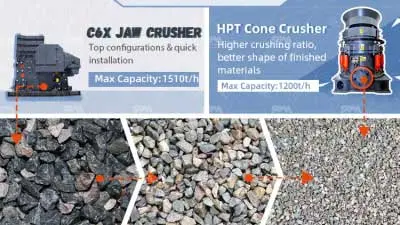
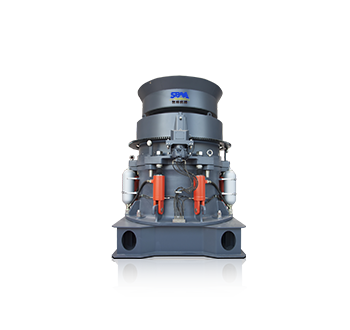
- 1. Crushing and Grinding – Run-of-mine ore is reduced to fine particles using jaw crushers, cone crushers, and ball mills.
- 2. Froth Flotation – The ground ore is mixed with water and reagents to separate copper-bearing minerals from gangue.
- 3. Smelting and Converting – Copper concentrate is smelted to produce matte, then converted to blister copper (approx. 99% Cu).
- 4. Electrorefining – Blister copper is cast into anodes and refined to 99.99% pure copper cathodes.

For copper oxide ores (which are growing in importance as high-grade sulfides deplete), the hydrometallurgical SX-EW process is the preferred low-cost solution:
- 1. Heap Leaching – Crushed ore is stacked on lined pads and irrigated with dilute sulfuric acid, dissolving the copper.
- 2. Solvent Extraction (SX) – The pregnant leach solution (PLS) is mixed with an organic extractant to selectively concentrate copper ions.
- 3. Electrowinning (EW) – High-purity copper is plated directly onto cathodes from the rich electrolyte.

Part IV: How We Support Your Copper Project?
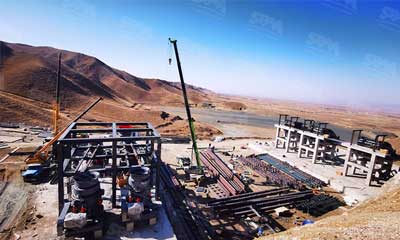
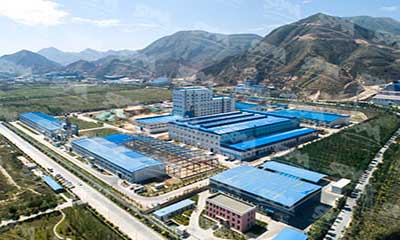
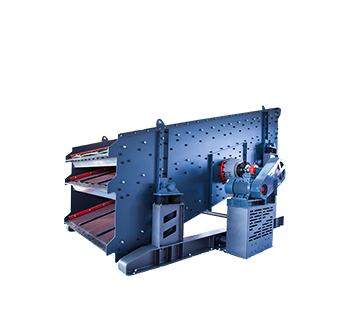
At SBM, we understand that reliable, efficient processing equipment is the backbone of any profitable copper mining operation. With decades of experience in mineral processing, we offer complete solutions tailored to both sulfide and oxide copper ores:
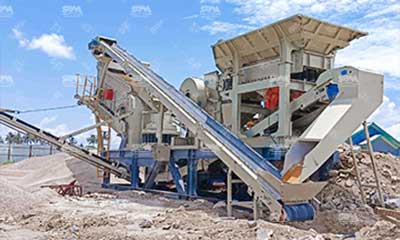
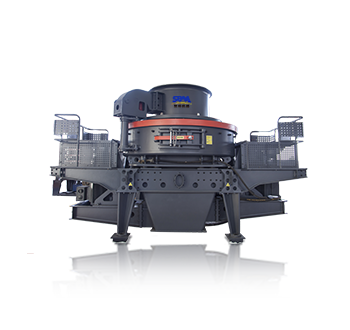
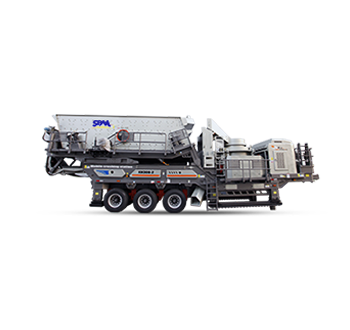
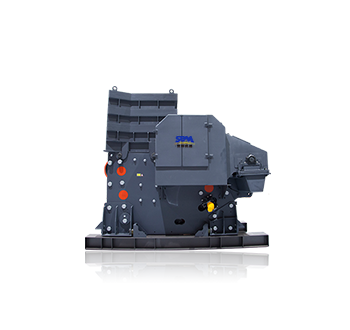
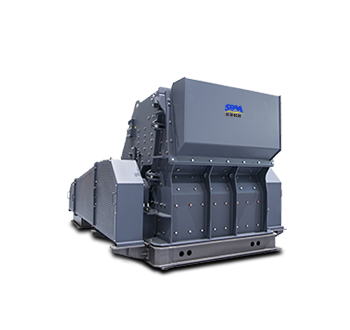
- Crushing Equipment – Heavy-duty jaw crushers, cone crushers, and impact crushers designed for the toughest copper ore applications.
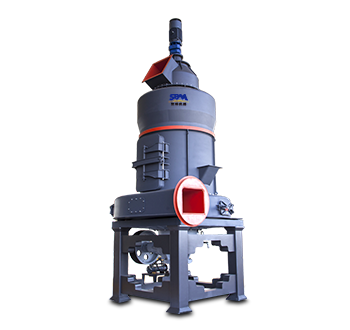
- Grinding Mills – Ball mills, rod mills, and SAG mills engineered for maximum throughput and energy efficiency.
- Flotation Cells – Advanced self-aspirating and forced-air flotation systems for optimal copper recovery.
- Leaching and SX-EW Solutions – Heap leach pad consulting, agglomeration drums, mixer-settlers, and electrowinning tankhouse equipment.
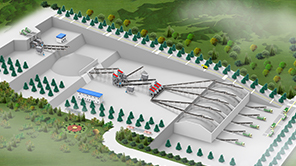
- Complete Process Lines – From 50 tph pilot plants to 5,000 tpd commercial operations, we provide design, equipment supply, installation, and commissioning support.
As global demand for copper accelerates, maximizing your ore recovery rate while minimizing operating costs is more critical than ever. We specialize in engineering and manufacturing world-class crushing, grinding, and beneficiation equipment tailored to the mining industry.
Whether you are upgrading a single secondary cone crusher or require a turnkey design for a complete Copper Oxide SX-EW plant, our metallurgical engineering team provides end-to-end solutions. We analyze your specific ore grade and mineralogy to design a customized processing circuit that guarantees maximum uptime and the lowest cost per ton.


 Get Solution
 Send Message