





Summary: Through crushing, screening, and sorting technologies, construction waste can be further processed into recycled aggregates and other products, which can be used to produce recycled concrete, precast components, recycled bricks, and roadbed materials....
Construction waste is a by-product generated during urban construction and renovation processes, including construction debris, mud, engineering waste, demolition waste, and renovation waste. It is produced at various stages such as building construction, maintenance, and demolition. Natural and man-made disasters can also suddenly generate large amounts of construction waste.

Through crushing, screening, and sorting technologies, construction waste can be converted into valuable resources such as recycled aggregates.
What are the Benefits of Construction Waste Recycling?
Construction waste, after sorting and processing, can be transformed into various recycled materials, forming a complete resource recycling chain that effectively promotes resource reuse and sustainable development:
- Recycled concrete, mortar, blocks, bricks, and panels are used in construction projects.
- Recycled permeable concrete, permeable bricks, inorganic mixtures, graded crushed stones, and backfill materials are applied in municipal and transportation engineering.
- Recycled aggregates are used as infiltration and storage materials in sponge city construction.
- Recycled concrete products are used in underground utility tunnels, etc.
- Metal materials such as scrap rebar, wire, and cables can be melted and remanufactured into building steel, hardware fittings, and other products. For example, 1 ton of scrap steel can produce approximately 0.9 tons of recycled steel, reducing the need for iron ore mining by 90%.
- Waste bamboo and wood, through crushing and compression processes, can be used to produce artificial boards and biomass fuels.
Moreover, compared with traditional landfilling, construction waste recycling significantly reduces emissions—cutting nitrous oxide by 50%, sulfur dioxide and nitrogen oxides by 30%, carbon monoxide by 28%, and carbon dioxide by 10% - making it a far more environmentally sustainable solution.

What Is the Process of Construction Waste Recycling?
Through a combined process of “crushing- sorting- screening- separation,” SBM helps customers to achieve efficient construction waste recycling, producing recycled aggregates and recyclable materials while reducing environmental pollution. The specific process is as follows:
Pretreatment
First, large items (such as wood, clothing, and plastic bags) in the construction waste are manually removed to initially separate easily recyclable materials.
Coarse Crushing & Sorting
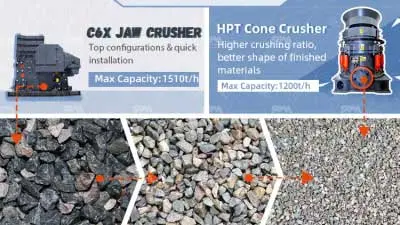
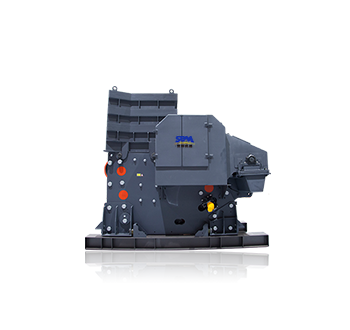
After pretreatment, construction waste is fed into a jaw crusher for primary crushing.
After crushing, the material passes through a magnetic separator to remove metal impurities, and then enters a screening device to separate out the slag. After the slag is removed, the material enters a manual/machine sorting platform where light materials such as waste plastics and wood are separated manually.

Secondary Crushing & Sorting
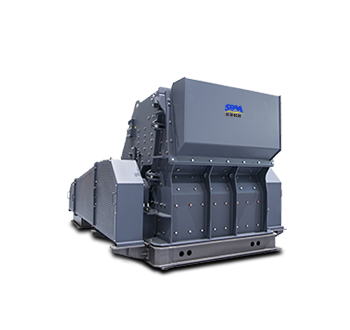
The remaining material is then conveyed to an impact crusher for secondary crushing to further refine the particle size.
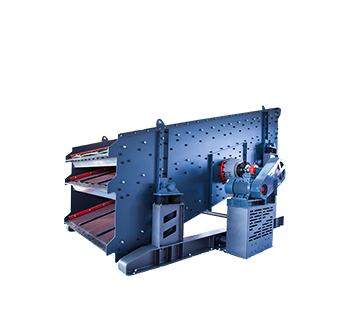
After secondary crushing, the material passes through a magnetic separator to remove iron and then enters a vibrating screen for size classification. Oversized materials (larger particles) are returned to the impact crusher for further crushing, while undersized materials are directed to a light material separator.

Screening & Sorting
Through air separation or density-based separation technologies, waste soil, scrap steel bars, and light materials (such as plastics and wood) are effectively separated, enabling efficient resource classification and recycling.
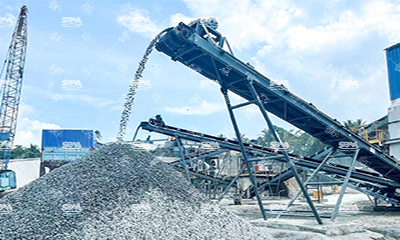
After the light materials are separated, the remaining material is sent back to the vibrating screen for classification based on different particle sizes. This process produces recycled aggregates of various specifications, which can be used in the production of construction materials such as concrete and roadbeds.

SBM has successfully built multiple construction waste recycling projects, achieving a recycling rate of over 90% with its intelligent system, thereby generating significant economic value for our clients.


If you are looking for solutions for construction waste recycling, SBM is your trustworthy partner.


 Get Solution
 Send Message