





Summary: A comprehensive comparison of surface mining and subsurface mining. Learn about methods, costs, recovery rates, environmental impact, safety, and equipment selection for modern mining operations....
In modern mineral extraction and quarrying, choosing between subsurface mining (underground mining) and surface mining (open-pit or strip mining) depends on ore deposit depth, geology, safety requirements, and total cost of ownership in 2026. The primary difference is that surface mining removes topsoil and overburden rock to extract shallow mineral deposits, whereas subsurface mining digs tunnels, shafts, and declines deep into the Earth's crust to access deeply buried orebodies with minimal surface land destruction.
This comprehensive technical guide breaks down the key operational differences between surface and underground extraction, compares their safety and environmental footprints, details real-world mining examples, and explains equipment selection criteria for modern mining operations.
What is Surface Mining? Methods, Advantages & Disadvantages
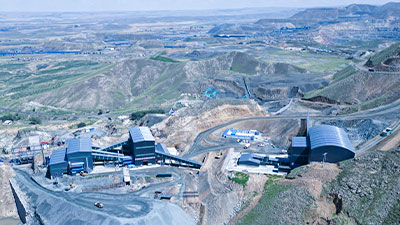
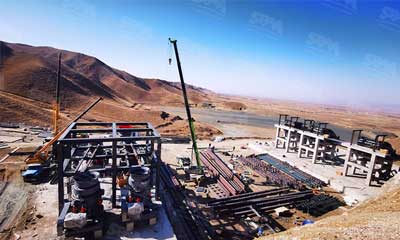
Surface mining refers to any extraction method that strips away surface vegetation, soil, and overburden rock layers to expose near-surface mineral deposits. It accounts for over 80% of non-metallic minerals, aggregates, and coal extracted worldwide.
Common Surface Mining Methods and Examples:
- Open-Pit Mining: Excavates large funnel-shaped benches downward into the Earth to mine copper, gold, iron ore, and limestone (e.g., Bingham Canyon Mine).
- Strip Mining: Strips long parallel bands of overburden to access flat-lying coal seams or phosphate layers.
- Dredging & Placer Mining: Extracts heavy minerals (gold, tin, diamonds) from alluvial gravels and riverbeds using suction dredges and trommels.
Advantages of Surface Mining:
- High Production Capacity & Lower Cost: Allows deployment of ultra-class heavy machinery, achieving maximum hourly output (TPH) at the lowest cost per ton.
- Enhanced Operational Safety: Eliminates underground cave-in risks and toxic gas build-up, providing a safer working environment for operators.
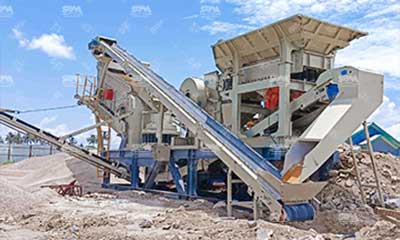
- Simpler Crushing & Logistics: Raw blasted ore can be loaded directly into high-capacity mobile crushers and haul trucks.
Disadvantages of Surface Mining:
- Severe Surface Land Destruction: Requires clearing vast land areas, resulting in deforestation and habitat loss.
- High Stripping Ratio (Waste-to-Ore Ratio): As the pit deepens, massive volumes of barren overburden rock must be moved to reach deeper ore.
- Weather Vulnerability: Heavy rain, mud, and freezing conditions can halt open-pit operations.

What is Subsurface Mining? Methods, Advantages & Disadvantages
Subsurface mining (underground mining) extracts minerals buried deep within the Earth's crust without removing the overlying rock. Miners construct vertical shafts, inclined ramps (declines), and horizontal drifts to reach the orebody.
Common Subsurface Mining Methods and Examples:
- Room-and-Pillar Mining: Excavates "rooms" out of horizontal ore seams while leaving "pillars" of ore to support the roof (common in coal, salt, and trona mining).
- Longwall Mining: Uses automated rotating shearers under hydraulic roof supports to extract continuous coal seams, allowing the roof behind to cave in safely.
- Block Caving & Stoping: Undercuts massive deep ore deposits, allowing gravity to fracture and break the ore block into underground drawpoints (common in deep gold, copper, and galena lead-silver mines).
Advantages of Subsurface Mining:
- Minimal Surface Footprint: Leaves surface vegetation, ecosystems, and local infrastructure largely intact compared to open pits.
- Access to High-Grade Deep Orebodies: Reaches rich mineral deposits miles underground that would be economically impossible to mine via surface stripping.
- Unaffected by Surface Weather: Underground operations run 24/7 unaffected by surface rain, snow, or extreme heat.
Disadvantages of Subsurface Mining:
Subsurface mining carries higher operational challenges, including:
- Higher Capital Costs & Energy Demand: Requires continuous forced ventilation, underground dewatering pumps, shaft hoisting systems, and ground support (rock bolts/shotcrete).
- Increased Hazard Profile: Risk of underground rockbursts, structural cave-ins, hazardous gas accumulation (methane, CO), and dust inhalation.
- Lower Overall Recovery Rate: Significant ore reserves must often be permanently left behind as support pillars.
Subsurface vs. Surface Mining: Differences, Costs & Methods
The table below summarizes the core operational, economic, and safety differences between surface and subsurface (underground) mining methods:
| Comparison Parameter | Surface Mining (Open-Pit / Strip) | Subsurface Mining (Underground) |
|---|---|---|
| Target Ore Depth | Shallow deposits (typically <200 meters / 650 feet). | Deep mineral deposits (typically >200 meters down to miles deep). |
| Core Extraction Methods | Open-pit mining, strip mining, mountaintop removal, dredging. | Room-and-pillar, longwall mining, cut-and-fill, block caving, open stoping. |
| Capital & Operating Cost | Lower OpEx & CapEx per ton of extracted ore; high volume throughput. | Higher CapEx & OpEx due to shaft ventilation, hoisting, and tunnel support. |
| Ore Recovery & Efficiency | High ore recovery rates (up to 90%–95%); low ore dilution. | Variable recovery (60%–85%); structural pillars must often be left behind. |
| Environmental & Surface Impact | Extensive surface land disturbance, deforestation, and overburden waste rock. | Minimal surface footprint; potential for underground subsidence and acid mine drainage. |
| Worker Safety & Risk Profile | Lower safety risks; open air, better visibility, no cave-in risk. | Higher safety risks; cave-ins, gas explosions (methane), ventilation limits. |
| Equipment Configuration | Large-scale haul trucks (200–400 ton), hydraulic shovels, rotary drills. | Compact LHD (Load-Haul-Dump) loaders, underground trucks, jumbo drills. |
Detailed Comparison: Surface vs. Subsurface Mining
To fully evaluate the technical and economic trade-offs between surface and underground extraction, engineers analyze seven core operational parameters:
1. Target Ore Depth & Deposit Geometry
The primary criteria distinguishing these two methods is deposit depth relative to the surface overburden:
- Surface Mining: Engineered specifically for shallow mineral deposits, typically located at depths less than 200 meters (650 feet). It is optimal for broad, flat, or disseminated orebodies (such as horizontal coal seams, copper porphyries, and limestone deposits) where stripping the overlying soil and rock is economically feasible.
- Subsurface Mining: Deployed when orebodies are buried deeply underground—typically starting at 200 meters down to several kilometers deep—or when deposits follow narrow, steeply dipping mineral veins. In these scenarios, removing the massive volume of overlying rock would be physically or financially impossible.
2. Core Extraction Methods & Techniques
Each mining domain utilizes distinct excavation methodologies based on rock mechanics and ground stability:
- Surface Mining Methods: Includes Open-Pit Mining (excavating large benched funnel-shaped pits for hard rock ores), Strip Mining (removing parallel strips of overburden to reveal flat coal/phosphate beds), Mountaintop Removal, and Dredging / Placer Mining for alluvial gravel deposits.
- Subsurface Mining Methods: Includes Room-and-Pillar Mining (leaving rock columns to support the roof), Longwall Mining (continuous shearing under hydraulic shields), Cut-and-Fill Mining, Block Caving, and Underground Open Stoping for stable, high-grade hard rock orebodies.
3. Capital & Operating Cost Structure (CapEx / OpEx)
Financial viability differs significantly due to structural, energy, and infrastructure requirements:
- Surface Mining Costs: Features significantly lower Capital Expenditure (CapEx) and Operating Expenditure (OpEx) per ton of ore extracted. Cost efficiency is driven by massive economy of scale, simple road haulage, and low energy costs for ventilation or lighting.
- Subsurface Mining Costs: Incurs substantially higher CapEx and OpEx per ton. Operations require heavy ongoing investments in vertical shaft hoisting systems, complex forced ventilation networks, continuous underground dewatering pumps, and artificial ground support (rock bolting, shotcrete, and backfilling).
4. Ore Recovery Rate & Dilution Efficiency
The choice of method directly impacts total mineral recovery and resource extraction efficiency:
- Surface Mining Efficiency: Delivers exceptional ore recovery rates, often reaching 90% to 95%. Open visibility and unrestricted bench excavation allow precise grade control, minimizing ore dilution (mixing waste rock with valuable mineral).
- Subsurface Mining Efficiency: Results in variable and lower overall recovery rates, typically ranging from 60% to 85%. Significant volumes of high-grade ore must often be permanently left behind as structural pillars to prevent underground room collapse.
5. Environmental & Surface Footprint Impact
Both methods create distinct environmental challenges requiring proactive land reclamation and monitoring:
- Surface Mining Footprint: Causes extensive surface land disruption, including topsoil stripping, large-scale deforestation, permanent open-pit scars, and massive waste rock dumps. Reclamation involves heavy backfilling, re-contouring, and revegetation.
- Subsurface Mining Footprint: Leaves a drastically smaller surface footprint, preserving surface vegetation and ecosystems above the mine. However, primary environmental risks shift underground to surface land subsidence (ground collapse), aquifer disruption, and Acid Mine Drainage (AMD) from exposed underground sulfide minerals.
6. Worker Safety & Risk Profile
Occupational health and safety protocols vary based on the physical working environment:
- Surface Mining Safety: Presents a much lower worker safety risk profile. Operations take place in open air with high natural visibility, unrestricted ventilation, and no risk of underground roof falls or toxic gas entrapment (primary risks involve pit bench slope stability and heavy vehicle traffic).
- Subsurface Mining Safety: Carries a high safety risk profile. Underground miners face hazardous working conditions, including structural cave-ins, rockbursts, toxic/explosive gas accumulation (methane, carbon monoxide), diesel particulate inhalation, and heat exposure in deep drifts.
7. Machinery & Equipment Configuration
Due to physical space constraints, equipment design is specialized for open-pit vs. underground environments:
- Surface Machinery: Utilizes ultra-class, high-capacity surface machinery built for wide open-pit haul roads, such as 200–400 ton rigid haul trucks, electric rope shovels, hydraulic excavators, and heavy rotary blast-hole drills.
- Subsurface Machinery: Utilizes compact, purpose-built, low-profile equipment engineered for tight underground tunnels, including low-profile LHD (Load-Haul-Dump) loaders, underground articulated dump trucks, hydraulic jumbo drill rigs, and Battery Electric Vehicles (BEVs) to eliminate toxic underground emissions.
How Do Underground Mining Equipment & Trucks Differ From Surface Machinery?
Due to space constraints and environmental conditions, mining machinery is purpose-built for either surface or underground environments:
1. Dimensions and Turning Radius
- Surface Haul Trucks: Ultra-large haul trucks (e.g., 300+ ton payload) feature massive heights (up to 7 meters) and wide turning radii designed for wide open-pit haul roads.
- Underground Haul Trucks: Engineered with low-profile, narrow chassis and articulated steering to navigate tight 4-meter underground drifts and low-clearance tunnels.
2. Loading Equipment (Shovels vs. LHD Loaders)
- Surface Operations: Utilize high-reach electric shovels and massive wheel loaders to fill huge haul bodies from high benches.
- Underground Operations: Rely on specialized low-profile LHD (Load-Haul-Dump) loaders designed to scoop ore from low stopes and dump into underground crushing hoppers or trucks.
3. Power Source and Ventilation Compliance
- Surface Equipment: Powered primarily by large multi-liter diesel engines (Tier 4 Final compliant) or electric-trolley systems.
- Underground Equipment: Rapidly transitioning to Battery Electric Vehicles (BEVs) to eliminate hazardous diesel exhaust emissions and drastically lower underground ventilation heating/cooling costs in 2026.
Conclusion
Choosing between surface mining and subsurface mining comes down to a balance of orebody depth, grade, capital investment, and environmental constraints. In summary, choose surface mining for low-cost, high-volume extraction of shallow mineral deposits (<200m), and select subsurface mining to access rich, deeply buried orebodies (>200m) while keeping surface environmental footprint to a minimum.
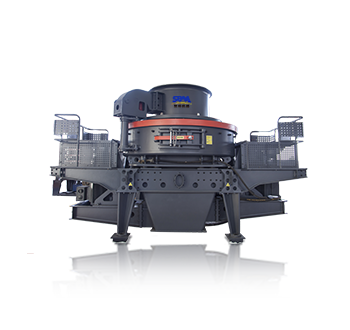
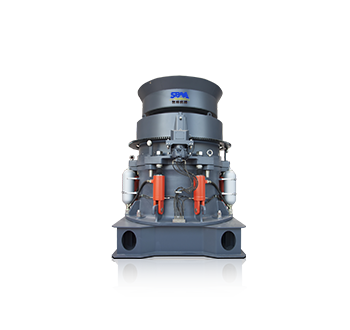
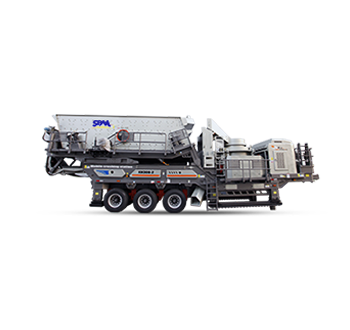
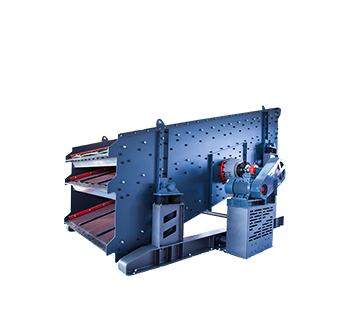
Whether operating an open-pit aggregate quarry or a deep underground sulfide mine, selecting purpose-built crushing, screening, and material handling equipment is essential for maximizing recovery and controlling operational expenses.



 Get Solution
 Send Message