


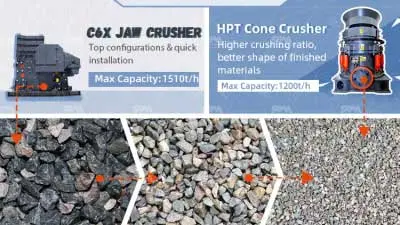

Why Crusher Prices Vary So Much Across Africa
If you have ever requested a crusher quotation from a supplier in China, Europe, or South Africa, you have probably noticed something frustrating:
The same 100 TPH jaw crusher can be quoted at $180,000 in one African country and $420,000 in another.
That is not a mistake. It is not a scam. And it is not simply "shipping costs."
The price you pay for a crushing plant in Africa is determined by a complex mix of factors:
- Import duties and VAT
- Port and inland logistics
- Local agent margins
- Currency volatility
- After-sales infrastructure
- Whether the equipment is containerized or oversized
This guide covers 10 major African markets — Kenya, Nigeria, Ghana, South Africa, Zambia, Zimbabwe, Tanzania, Uganda, Ethiopia, and Botswana — and gives you:
- ✅ Realistic price ranges for 100 TPH stationary and mobile crushing plants
- ✅ Country-specific import duties and VAT rates
- ✅ Logistics bottlenecks that add thousands to your final cost
- ✅ Practical strategies to reduce your total investment
Whether you are a quarry owner replacing an aging jaw crusher, a contractor bidding on a road project, or an investor planning a new aggregate line, this guide will help you budget accurately — and avoid the hidden costs that destroy project ROI.


The 5 Factors That Determine Crusher Price in Any African Country
Before diving into country-by-country pricing, you need to understand the five variables that drive cost differences across the continent.
1. Equipment Type and Configuration
| Equipment Type | Typical Price Range (FOB China) | Best For |
|---|---|---|
| Jaw crusher (PE 600x900) | $15,000 – $45,000 | Primary crushing, hard rock |
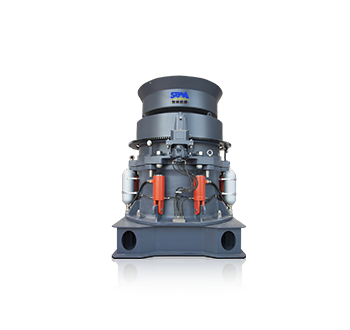
| Cone crusher (Symons / HP series) | $40,000 – $150,000 | Secondary/tertiary, hard rock |
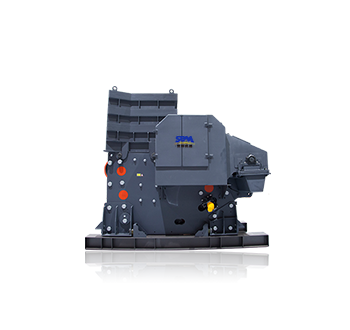
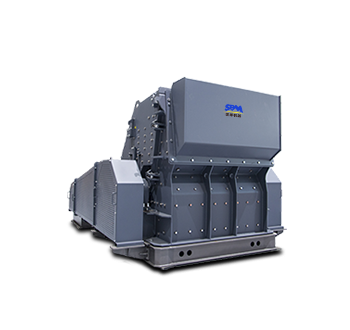
| Impact crusher (PF series) | $25,000 – $80,000 | Medium-hard rock, recycling |
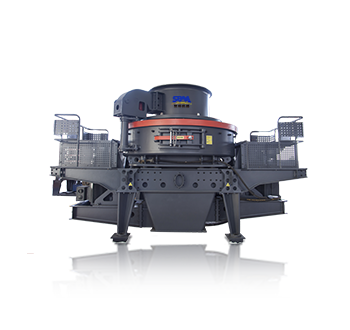
| VSI sand maker | $30,000 – $90,000 | Manufactured sand, shaping |
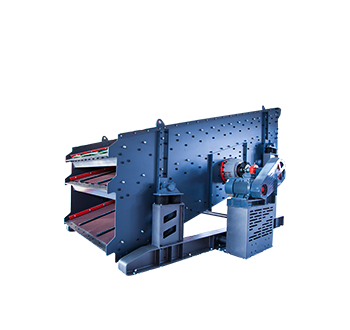
| Vibrating screen (3-deck) | $8,000 – $35,000 | Sizing and grading |
| Complete 100 TPH stationary line | $180,000 – $450,000 | Quarry, mine, construction |
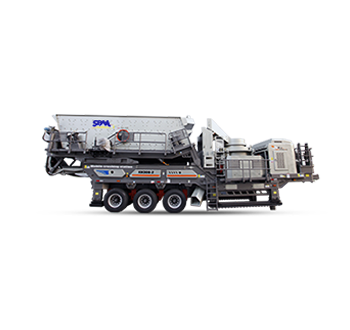
| Complete 100 TPH mobile plant | $250,000 – $600,000 | Road projects, multi-site |
2. Import Duties and Taxes
This is where country differences become dramatic. A crusher entering South Africa may face 0% duty, while the same machine entering Ethiopia could face 35% combined duties and taxes.
3. Logistics: Port to Mine Site
Africa has some of the most expensive inland transport costs in the world. Moving a 40-ton crusher from Mombasa to Kampala can cost more than shipping it from Shanghai to Mombasa.
4. Local Agent and Service Margins
In markets where suppliers have no local presence, a local agent may add 15–30% to the price — and provide minimal after-sales support.
5. Currency and Payment Terms
In countries with weak local currencies (Nigeria, Ethiopia, Zimbabwe), suppliers build in currency risk premiums of 5–15%.
Country-by-Country Crusher Price Guide (2026)
Below is a detailed breakdown for each of the 10 major African markets covered in this guide.
Important note: All prices are estimates for a complete 100 TPH crushing and screening line, including primary jaw crusher, secondary cone or impact crusher, vibrating screen, feeders, conveyors, and control panel. Prices exclude installation, civil works, and generator sets.
Stone Crusher Price in Kenya
| Main Port | Mombasa |
| Import Duty (Crushing Equipment) | 10% – 25% (varies by HS code) |
| VAT | 16% |
| Rail/Road Logistics | Good. Mombasa–Nairobi SGR + road network |
| 100 TPH Stationary Line | $280,000 – $450,000 |
| 100 TPH Mobile Plant | $350,000 – $550,000 |
| Market Notes | Competitive market. European brands dominate high-end; Chinese brands gaining share rapidly. KEBS quality standards strict. |
Key insight: Kenya has the most developed crusher market in East Africa. Buyers are sophisticated and demand strong after-sales support. A local spare parts warehouse is almost mandatory to win repeat business.
Stone Crusher Price Nigeria
| Main Port | Lagos (Apapa / Tin Can Island), Onne |
| Import Duty | 5% – 20% |
| VAT | 7.5% |
| Logistics | Port congestion in Lagos adds cost; northern delivery expensive |
| 100 TPH Stationary Line | $300,000 – $480,000 |
| 100 TPH Mobile Plant | $380,000 – $580,000 |
| Market Notes | Huge market, but currency volatility (Naira) means suppliers price in USD and add risk premium. |
Key insight: Nigeria is Africa's largest construction market by population, but payment risk and forex shortages mean many suppliers require 100% upfront payment or LC at sight. Expect higher quoted prices than Kenya for the same equipment.
Stone Crusher Price in Ghana
| Main Port | Tema, Takoradi |
| Import Duty | 5% – 20% |
| VAT | 15% |
| Logistics | Good road network; Tema port efficient |
| 100 TPH Stationary Line | $290,000 – $460,000 |
| 100 TPH Mobile Plant | $370,000 – $560,000 |
| Market Notes | Stable democracy, growing gold mining sector drives aggregate demand. English-speaking. |
Key insight: Ghana is one of the easiest West African markets to enter. English-speaking, relatively stable currency (Cedi), and a growing mining sector. Mobile crushers are in high demand for gold mine site preparation.
Stone Crusher Price in South Africa
| Main Port | Durban, Cape Town, Port Elizabeth |
| Import Duty | 0% – 15% (many mining equipment categories duty-free) |
| VAT | 15% |
| Logistics | Excellent infrastructure; best in Africa |
| 100 TPH Stationary Line | $270,000 – $430,000 |
| 100 TPH Mobile Plant | $340,000 – $530,000 |
| Market Notes | Most competitive market. Local manufacturing (Osborn, Pilot Crushtec) means Chinese imports must compete on price and service. |
Key insight: South Africa is not a "beginner" market. Local manufacturers are strong, and buyers expect European-level quality. However, there is growing demand for cost-effective Chinese equipment for smaller quarries and rental fleets.
Stone Crusher Price in Zambia
| Main Port | Dar es Salaam (Tanzania) or Durban (South Africa) — landlocked |
| Import Duty | 15% – 25% |
| VAT | 16% |
| Logistics | Expensive. 1,500+ km from nearest port |
| 100 TPH Stationary Line | $320,000 – $500,000 |
| 100 TPH Mobile Plant | $400,000 – $600,000 |
| Market Notes | Copper mining drives demand. Chinese investment strong. Landlocked logistics add 15–25% to landed cost. |
Key insight: Zambia's copper belt is booming, but everything must be trucked in from Dar es Salaam or Durban. Mobile crushers are particularly attractive because they can be relocated between mine sites without dismantling.
Stone Crusher Price in Zimbabwe
| Main Port | Beira (Mozambique) or Durban (South Africa) — landlocked |
| Import Duty | 10% – 25% |
| VAT | 15% |
| Logistics | Challenging. Border delays common. |
| 100 TPH Stationary Line | $330,000 – $520,000 |
| 100 TPH Mobile Plant | $410,000 – $620,000 |
| Market Notes | Gold mining revival driving demand. Currency issues (ZWL) mean USD pricing is standard. |
Key insight: Zimbabwe's gold sector is recovering, and small-to-medium gold miners need compact crushing plants. However, payment risk is high — suppliers should require secure payment terms.
Stone Crusher Price in Tanzania
| Main Port | Dar es Salaam |
| Import Duty | 10% – 20% |
| VAT | 18% |
| Logistics | Dar es Salaam is a gateway for Zambia, DRC, Rwanda, Burundi |
| 100 TPH Stationary Line | $300,000 – $470,000 |
| 100 TPH Mobile Plant | $380,000 – $570,000 |
| Market Notes | Gold and tanzanite mining. Growing construction sector. Swahili is primary language but English widely used in business. |
Key insight: Tanzania is both a market and a logistics hub. Equipment sold here often ends up in DRC, Zambia, or Rwanda. Mobile crushers are ideal for the country's scattered mining sites.
Stone Crusher Price Uganda
| Main Port | Mombasa (Kenya) — landlocked |
| Import Duty | 10% – 25% |
| VAT | 18% |
| Logistics | 1,200 km from Mombasa. Good road network but costly. |
| 100 TPH Stationary Line | $310,000 – $490,000 |
| 100 TPH Mobile Plant | $390,000 – $590,000 |
| Market Notes | Oil pipeline and road projects driving demand. Gold mining emerging in Karamoja. |
Key insight: Uganda's infrastructure boom (roads, dams, oil facilities) is creating strong demand for mobile crushers. Landlocked logistics make containerized, modular plants highly attractive.
Stone Crusher Price Ethiopia
| Main Port | Djibouti — landlocked |
| Import Duty | 10% – 35% |
| VAT | 15% |
| Logistics | 800+ km from Djibouti. Forex shortages can delay customs clearance. |
| 100 TPH Stationary Line | $320,000 – $510,000 |
| 100 TPH Mobile Plant | $400,000 – $610,000 |
| Market Notes | Gold mining boom (Tulu Kapi, Kurmuk). Government prioritizing mining. Forex constraints are major challenge. |
Key insight: Ethiopia has enormous mineral potential but severe forex shortages. Suppliers who can accept flexible payment terms or partner with local banks will have a major advantage. Mobile crushers are ideal for the country's remote gold deposits.
Stone Crusher Price Botswana
| Main Port | Durban (South Africa) — landlocked |
| Import Duty | 0% – 15% |
| VAT | 14% |
| Logistics | Excellent road/rail links to South Africa |
| 100 TPH Stationary Line | $290,000 – $460,000 |
| 100 TPH Mobile Plant | $370,000 – $560,000 |
| Market Notes | Diamond mining dominates. Stable economy. Small but high-value market. |
Key insight: Botswana is a small market but with high purchasing power. Diamond mines require reliable, high-quality equipment. Service and spare parts availability are more important than price.
Summary Comparison Table
| Country | Port | Duty | VAT | 100 TPH Stationary | 100 TPH Mobile |
|---|---|---|---|---|---|
| Kenya | Mombasa | 10-25% | 16% | $280K–$450K | $350K–$550K |
| Nigeria | Lagos | 5-20% | 7.5% | $300K–$480K | $380K–$580K |
| Ghana | Tema | 5-20% | 15% | $290K–$460K | $370K–$560K |
| South Africa | Durban | 0-15% | 15% | $270K–$430K | $340K–$530K |
| Zambia | Dar/Durban | 15-25% | 16% | $320K–$500K | $400K–$600K |
| Zimbabwe | Beira/Durban | 10-25% | 15% | $330K–$520K | $410K–$620K |
| Tanzania | Dar es Salaam | 10-20% | 18% | $300K–$470K | $380K–$570K |
| Uganda | Mombasa | 10-25% | 18% | $310K–$490K | $390K–$590K |
| Ethiopia | Djibouti | 10-35% | 15% | $320K–$510K | $400K–$610K |
| Botswana | Durban | 0-15% | 14% | $290K–$460K | $370K–$560K |
Mobile vs. Stationary: Which Is More Cost-Effective in Africa?
One of the most common questions from African buyers is: "Should I buy a mobile crusher or a stationary plant?"
The answer depends on your specific situation.
| Factor | Mobile Crusher | Stationary Plant |
|---|---|---|
| Initial Cost | 25–40% higher | Lower |
| Installation | Minimal (no civil works) | Requires foundation, civil works |
| Relocation | Easy (tracked or wheeled) | Very expensive |
| Throughput | Up to 300 TPH | 50–1,000+ TPH |
| Best For | Road projects, multi-site mining, rental | Long-term quarry, fixed deposit |
| Payback | Faster for short-term projects | Better for 10+ year operations |
For African markets specifically:
- Road contractors → Mobile crushers win. Projects move, and so should your equipment.
- Gold miners with multiple small deposits → Mobile crushers win. Relocate as the pit moves.
- Large quarry with 20-year life → Stationary plant wins. Lower cost per ton over time.
- Startup quarry with limited capital → Stationary plant wins. Lower initial investment.
Hidden Costs African Buyers Always Forget
The quoted price of a crusher is only the beginning. Here are the costs that catch buyers off guard:
| Hidden Cost | Typical Amount | How to Avoid |
|---|---|---|
| Inland transport | $15,000 – $60,000 | Buy containerized equipment; negotiate logistics package |
| Customs clearance delays | $5,000 – $20,000 in demurrage | Work with experienced clearing agent |
| Civil works / foundation | $20,000 – $80,000 | Choose mobile or modular plants |
| Generator set | $15,000 – $50,000 | Confirm grid reliability before choosing electric motors |
| Spare parts inventory | $10,000 – $30,000 | Negotiate spare parts package with initial order |
| Installation & commissioning | $10,000 – $40,000 | Confirm whether supplier includes on-site support |
| Training for operators | $5,000 – $15,000 | Request training as part of the contract |
| Currency hedging | 5–15% of equipment cost | Lock in exchange rate or pay in USD |
Total hidden costs can add 30–50% to your initial equipment budget. Plan accordingly.
How to Reduce Your Total Crusher Investment in Africa
1. Choose Containerized or Modular Designs
Containerized crushing and screening plants fit into standard 40ft containers, dramatically reducing shipping and inland transport costs. They also require minimal civil works.
2. Buy at the Right Time
Equipment prices in China are relatively stable, but shipping costs fluctuate. Avoid peak season (September–November) when container rates spike.
3. Negotiate a Spare Parts Package
Ordering spare parts together with your crusher is 20–30% cheaper than ordering them later. A spare parts kit should include jaw plates, concave/mantle, screen meshes, belts, and bearings.
4. Consider a Mobile Plant for Multi-Site Operations
If you operate in more than one location, a mobile crusher eliminates the cost of building multiple stationary plants. The extra upfront cost pays for itself within 12–18 months.
5. Work with a Supplier Who Has Local Presence
A supplier with a local warehouse or service team can reduce downtime, speed up spare parts delivery, and provide on-site training. This is worth a 5–10% price premium.
Conclusion: What Should You Do Next?
Crusher prices in Africa vary dramatically — from $270,000 for a basic 100 TPH stationary line in South Africa to $620,000 for a fully equipped mobile plant in Zimbabwe.
The difference is not arbitrary. It reflects real costs: import duties, logistics, currency risk, and after-sales infrastructure.
Before you request a quotation, ask yourself:
- What is my rock type? (Granite, basalt, limestone, gold ore?)
- What is my required capacity? (50 TPH, 100 TPH, 200 TPH?)
- Do I need a mobile or stationary plant?
- What is my budget — including hidden costs?
- Do I need after-sales support and spare parts locally?
Once you have these answers, you can request an accurate quotation — not a guess.
Ready to Get an Exact Crusher Price for Your Country?
We provide customized crushing plant quotations for buyers across Africa, send us the following information, and we will send you a detailed quotation within 24 hours:
- ✅ Your country and nearest port
- ✅ Rock type and hardness
- ✅ Required capacity (TPH)
- ✅ Mobile or stationary preference
- ✅ Your budget range (optional)
We don't just sell crushers. We help you build profitable crushing operations in Africa.



 Get Solution
 Send Message
