


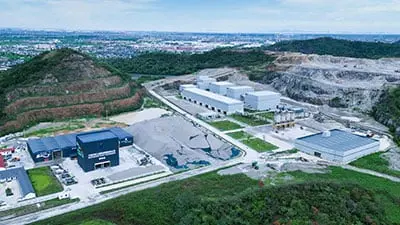
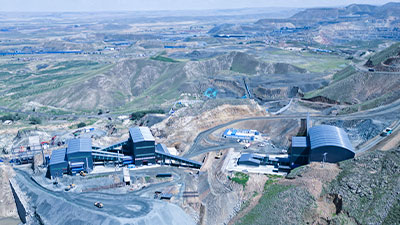
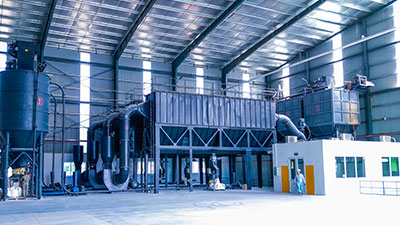
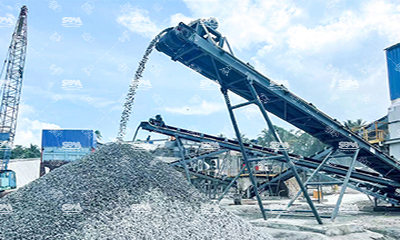
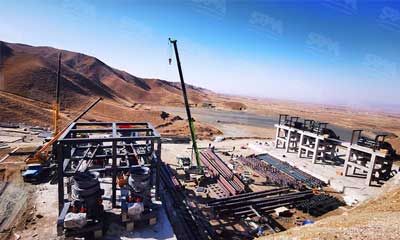
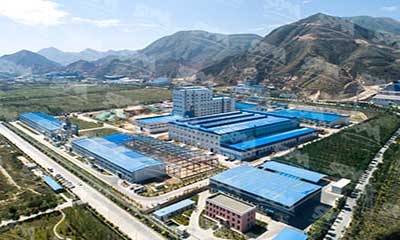
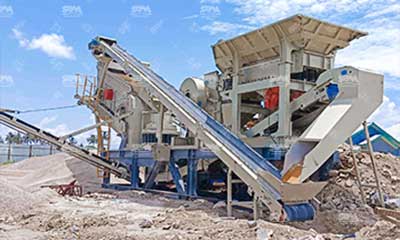
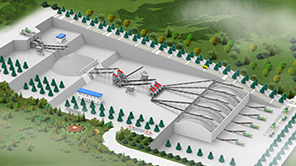


The manufacturing process of pea gravel converts raw geological deposits into smooth, uniformly graded 1/8" to 3/8" (3 mm to 10 mm) pebbles. Production follows six sequential industrial phases:
- 1) Raw Material Extraction (hydraulic river dredging or glacial pit mining);
- 2) Primary Scalping (removing oversize rocks >1.5");
- 3) Intensive Hydraulic Scrubbing (log washers removing clay and organic silt);
- 4) Precision Multi-Deck Vibrating Screening (categorizing particles into strict size bands);
- 5) Attrition Rounding (mechanical tumbling for quarried stone);
- 6) De-watering, Stacking, & Packaging.
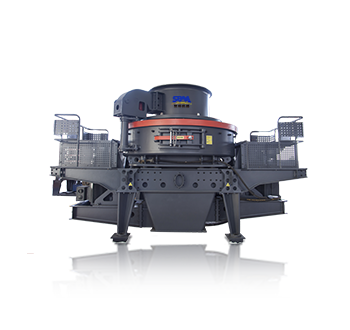
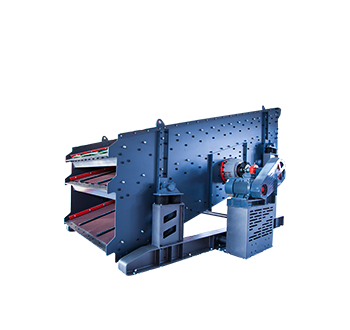
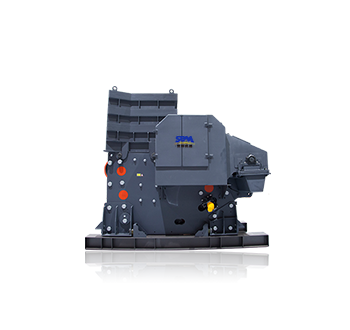
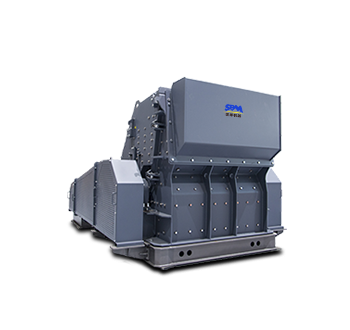
Quantitative standards for industrial aggregate processing facilities. Passes 3/8" mesh screen; retained on #8 sieve. Free of organic matter, mud, and fine dust coatings. Strict sphericity controls for barefoot comfort & drainage. Tons per hour in modern wash and screen circuits. Click each stage to explore the machinery, engineering mechanics, and chemical/physical transformations involved. Pea gravel processing begins at raw geological extraction sites. Naturally rounded pea gravel originates from alluvial deposits (ancient riverbeds, floodplains, and glacial outwash plains). Heavy dragline excavators, floating cutterhead suction dredges, or front-end wheel loaders scoop up raw sandy-gravel matrix materials and transfer them via field conveyor belts to the processing facility. Raw extracted material is dumped onto a vibrating scalping screen or heavy grizzly feeder with wide 1.5-inch to 3-inch deck openings. Boulders, large river rocks, tree roots, and large debris are separated immediately. The oversized rock is diverted to primary jaw crushers, while the undersized fraction (< 1.5'') proceeds to the washing circuit. To strip away stubborn clay coatings and mud balls, raw gravel enters a high-torque twin-shaft Log Washer or Rotary Scrubber Drum. Counter-rotating steel shafts fitted with high-chromium paddles forcefully scrub stone against stone under high-pressure water jets, breaking down clay matrix into a suspended slurry. Cleaned gravel and water slurry flow onto inclined multi-deck vibrating screens fitted with polyurethane or woven wire screen mesh panels. High-frequency vibrations (1,000–1,200 RPM) sort particles into tight dimensional bands. Oversize (> 3/8") is diverted to secondary crushers, fines (< 1/8'') drop into hydrocyclones for concrete sand production, and the middle 1/8'' to 3/8'' fraction is isolated as pure pea gravel. When producing pea gravel from crushed quarry rock (e.g., granite or limestone), the sharp angular fragments pass through an autogenous tumbling mill or vertical shaft impactor (VSI). Rocks strike one another at controlled velocities, knock off sharp micro-edges, and polish stone faces to simulate riverbed weathering. The classified pea gravel travels over de-watering screens to strip excess surface moisture. Radial stacking conveyors transport the finished gravel to stockyards. Depending on market destination, pea gravel is either loaded bulk into 25-ton dump trailers or routed to automated robotic bagging lines for 0.5 cu. ft. retail packaging. Laboratory aggregate testing guarantees compliance with ASTM C33 / ASTM D448 standards for pea gravel size grading. Industrial screening separates pea gravel fractions into narrow grading envelopes. High-grade pea gravel features a sharp S-curve ensuring minimal fines (< #8 mesh) and zero oversized stones (> 1/2"). Standard commercial pea gravel typically corresponds to Size No. 8 aggregate specifications: Efficiency (%) = [ (Underflow Oversize % - Feed Oversize %) / (Underflow Oversize %) ] × 100 Multi-deck inclined vibrating screens operate at 85% to 95% efficiency using high-frequency water sprays to wash undersized fines through polyurethane screening panels. Comparing extraction origin, stone morphology, structural performance, and manufacturing costs. Industrial washing plants adhere to strict quality control sampling every 500 tons to maintain product specs. Modern aggregate processing plants minimize environmental impact through advanced resource recycling. Raw excavated gravel is coated with sticky clay, silt, fine sand, and organic mud. If left unwashed, this dust coats the stones, preventing adhesive bonding in concrete mixes, causing weed growth in landscaping, and clogging drainage pipes in French drain installations. A log washer consists of an inclined trough containing two counter-rotating steel shafts equipped with heavy-duty paddles ("logs"). As gravel is fed through, the aggressive paddle action causes intense inter-particle scouring, rubbing stones against each other under high-pressure water sprays to break down tough clay balls. Yes. By running sharp crushed aggregate through secondary impact crushers, autogenous tumbling mills, or wet rotating drum attrition scrubbers, the sharp edges are broken off and rounded through continuous stone-on-stone friction, simulating years of natural river erosion in minutes.Process Parameters & Yield Benchmarks
How to Manufacture Pea Gravel: Step-by-Step Production Process
1Raw Deposit Extraction & Dredging
2Primary Scalping & Oversize Separation
3Intensive Hydraulic Scrubbing & Log Washing
4Multi-Deck Vibrating Screening & Sizing
5Mechanical Attrition Rounding (Manufactured Gravel)
6De-watering, Stacking, & Packaging
Sieve Analysis & Particle Size Distribution
Gradation Curve (Cumulative % Passing)
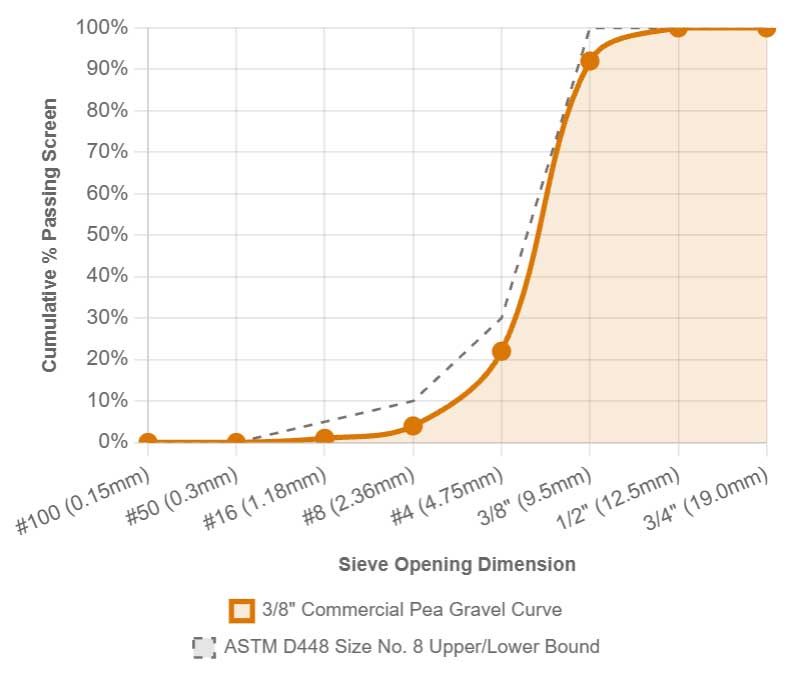
ASTM D448 Size No. 8 Specification
Screening Efficiency Calculation
Natural River Pea Gravel vs. Manufactured Quarried Gravel
Evaluation Metric
Natural River Dredged Gravel
Manufactured (Quarried & Tumbled)
Primary Source Material
Riverbeds, ancient lakes, glacial gravel pits.
Dynamite-blasted granite, limestone, or quartzite quarries.
Particle Shape Profile
Smooth, naturally water-worn, egg-shaped to sub-rounded.
Sub-angular to semi-rounded (requires mechanical attrition tumbling).
Manufacturing Energy Needed
Low (Washing & Screening primary).
High (Primary blasting, multi-stage crushing & tumbling).
Barefoot Comfort Level
Exceptional (Soft, zero sharp corners).
Moderate (Slight micro-angles remain unless heavily tumbled).
Color Consistency
Multicolor variety (tan, brown, gray, translucent quartz).
Highly uniform (matches host quarry geological vein).
Interlocking Surface Stability
Low (Rolls like ball bearings under feet).
Moderate-High (Sub-angular faces resist rolling).
✓ Quality Assurance & Testing Protocol
♻ Sustainable Manufacturing & Closed-Loop Systems
Frequently Asked Questions
Q: Why is washing pea gravel necessary during manufacturing?
Q: How do log washers clean pea gravel?
Q: Can manufactured crushed stone become as smooth as natural pea gravel?



 Get Solution
 Send Message
