




Summary: Explore SBM's mobile crushing solutions for Africa mining. Learn about high-hardness ore crushing, remote maintenance with telematics, and ROI advantages in remote sites....
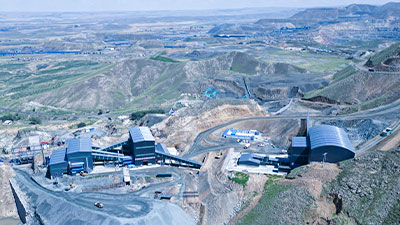
The African continent is endowed with some of the world's most abundant mineral resources. From the copper belts of Zambia and the DRC to the gold-rich reefs of South Africa and the diamond fields of Botswana, mining is the lifeblood of many African economies. Yet, the very geography that provides this wealth also presents immense logistical challenges: remote locations, underdeveloped infrastructure, and vast distances between deposits.
In this environment, the choice of crushing technology can make or break an operation's profitability. While stationary crushing plants have their place in long-term, high-volume operations, a powerful argument is emerging that mobile crushers are not just an alternative, but the ideal solution for the unique demands of African mining. Here is why mobile crusher is the ideal choice for the African mining sector.

Mobile Crusher Advantages for African Mining
1. Overcoming Infrastructure Deficits
One of the primary challenges in African mining is the "infrastructure gap." Building a permanent, stationary crushing plant requires extensive civil engineering, concrete foundations, and a stable, long-term power grid connection.
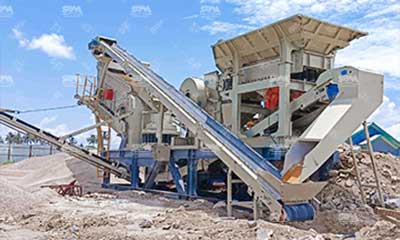
- No Foundations Required: Mobile crushers (track-mounted or wheel-mounted) operate on their own chassis. They can be deployed on relatively flat ground without the need for expensive and time-consuming concrete pouring.
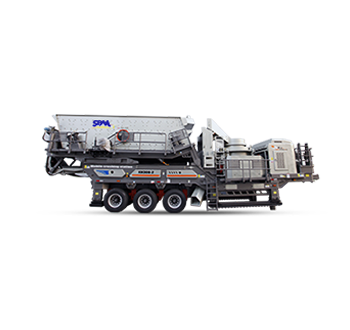
- Plug-and-Play Power: Many modern mobile units, such as those from SBM, feature Diesel-Electric dual-power systems. In remote areas where the grid is unreliable, the onboard diesel generator provides total independence. When a grid becomes available, the unit can be switched to external electricity to reduce operating costs.
2. Reducing Haulage Costs: "Bring the Crusher to the Rock"
In traditional mining setups, blasted material must be transported via heavy trucks to a central stationary crusher. In large-scale African pits, fuel costs for these trucks can account for up to 40% of total operational expenses.
Mobile crushers solve this by moving with the quarry face. By crushing the material directly at the loading site:
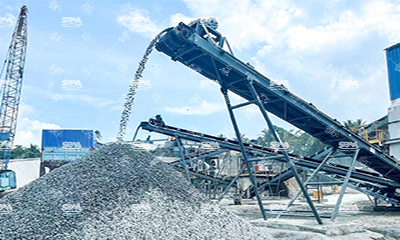
- Conveyor Transfer: Crushed material can be moved via belt conveyors rather than haul trucks.
- Fuel Savings: Reducing the cycle distance for heavy machinery leads to massive savings in diesel consumption and tire wear—critical factors in remote regions where spare parts logistics are slow.
3. Flexibility for Multi-Site Operations
Many African mining contracts are medium-term or involve scattered ore bodies. A stationary plant becomes a "stranded asset" once the local deposit is exhausted.
- Rapid Relocation: Tracked mobile crushers can be driven onto a low-loader and moved to a new site in a matter of hours.
- Modular Expansion: Operators can start with a single primary jaw unit and add mobile cone crushers or screening units as the project grows, allowing for staged investment rather than a massive upfront capital outlay.
4. Resilience in Harsh Environments
The African climate—ranging from intense tropical heat to high-dust arid zones—demands robust engineering. Mobile units designed for these conditions feature:
- Enhanced Cooling Systems: Over-sized radiators to prevent hydraulic overheating in temperatures exceeding 40°C.
- Heavy-Duty Dust Suppression: Integrated spray systems and sealed electrical cabinets to protect sensitive components from the fine dust typical of iron ore and bauxite mining.
Technical Spotlight: Choosing the Right Mobile Platform
| Feature | Tracked Mobile Crusher | Portable Crusher |
|---|---|---|
| Mobility | Self-propelled via remote control; ideal for rugged, off-road terrain. | Towed by a truck tractor; ideal for frequent road travel between distant sites. |
| Setup Time | Immediate deployment (within 30 minutes). No hydraulic legs required. | Requires mechanical leveling and stabilization of hydraulic legs. |
| Foundation | Minimal ground preparation; works on slopes and soft soil. | Requires a relatively flat, compacted surface for stability. |
| Primary Use Case | Hard rock mining, recycling, tight quarry spaces, and steep inclines. | Large-scale aggregate production and major infrastructure/road projects. |
Expert FAQ: Mobile Mining Operations in Africa
Q1: Can mobile crushers handle the high-hardness ores found in African gold and copper mines?
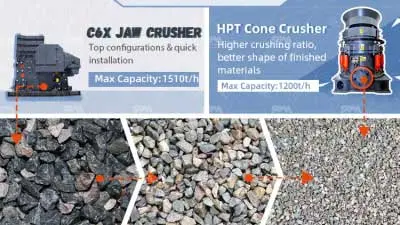
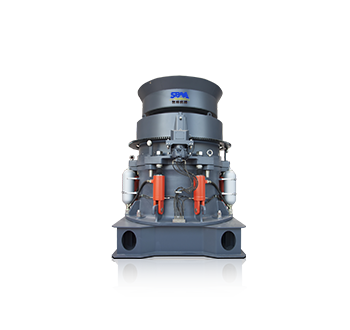
Answer: Absolutely. Modern mobile units are equipped with the same high-performance components as stationary plants, such as the C6X Jaw Crusher or HPT Cone Crusher. They are specifically designed to handle materials with high compressive strength like granite, basalt, and quartz-rich gold ores.
Q2: How do we handle maintenance in remote areas with limited technician access?
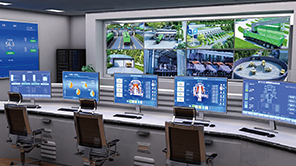
Answer: Mobile units are designed for "Service Simplicity." They feature modular components and centralized lubrication points. Most units now include Remote Monitoring Systems (Telematics), allowing SBM engineers to diagnose issues via mobile data and guide local teams through repairs.
Q3: What is the ROI of mobile vs. stationary in an African context?
Answer: While the initial cost per ton of a mobile unit can be higher, the Total Cost of Ownership (TCO) is lower due to zero civil engineering costs, reduced haulage fuel, and the high resale value of mobile assets. Most operators see a return on investment 20-30% faster in remote setups.
Empowering the Future of African Mining
As the demand for "Green Minerals" (Cobalt, Lithium, Copper) grows, African mines must become more agile. Mobile crushing technology provides the independence and efficiency required to turn remote deposits into profitable ventures. By eliminating the need for permanent infrastructure and slashing haulage costs, mobile crushers are not just an alternative—they are the gold standard for the modern African miner.


 Get Solution
 Send Message